

Crutches for Disabled People: Top Tips for Safer and More Comfortable Use
Time : Jan 08, 2026 View : 2,140
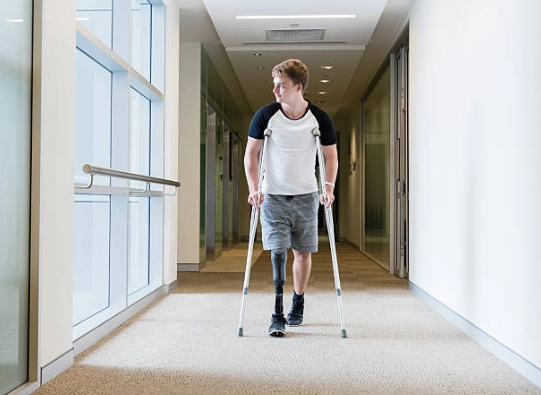
This guide offers useful advice on picking and handling crutches for people with disabilities. It covers various crutch kinds, correct choice based on movement abilities, size, body mass, and comfort-focused build. The text describes accurate setup and safe handling methods to lower harm and tiredness. It also points out factors for ease and lasting strength, while stressing the need to talk with medical experts. Additionally, the content shares ways to boost comfort, gain muscle power, move safely through healing stages, and decide when to stop using crutches. These ideas help achieve protected, pleasant, and self-reliant movement.
Understanding the Different Types of Crutches for Disabled People
Underarm Crutches and Their Core Features
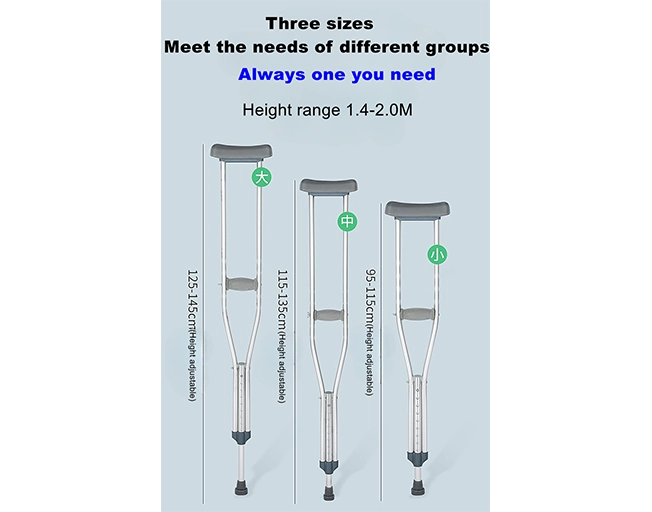
Underarm crutches, often called axillary crutches, mainly serve those who need short-term help with walking. Dute to these devices rested beneath the arms, users place weight on their hands while keeping load off the hurt leg. They fit well for individuals healing from operations or brief lower-leg problems.
XUNYU MEDICAL’s XY-925, as an aluminum underarm medical crutch, provides light aluminum build and comfort padding, making it a strong option for brief recovery periods. The XY-925 works best for grown-ups who require short mobility aid because of harm or operation. It includes settings to change height, solid aluminum structure, and padding shaped for ease, which suit those who need steady underarm backing. If this product can not satisfy your demand, XUNYU MEDICAL also provides the service of ODM / OEM, which is bound to make you satisfied.
Forearm Crutches and Their Applications
Forearm crutches, known as elbow crutches too, better match people with ongoing disabilities or lasting movement issues. Different from underarm styles, these shift the load through lower arms using cuffs and hand holds, thus lowering chances of nerve pressure in armpits.
The crutch possesses ergonomic shape and properly matched elbow angle owing to which the pressure force is distributed on the handgrip, enhancing users’ ease over long periods. They suit users with enough upper body power who want better control and freedom in everyday tasks.
Specialized Crutch Variants
Certain crutches meet particular user demands:
-
Gutter crutches help those with weak hold or wrist troubles. They offer lower arm backing via a cushioned channel, fitting well for people with joint inflammation.
-
Hands-free crutches let users move without holding with hands. These prove useful for injuries below the knee.
Gutter crutches mainly serve joint inflammation cases or those with reduced grip strength. The proper selection among these relies on daily habits, injury level, and healing aims.
Selecting the Most Suitable Crutches Based on Individual Needs
Assessing Personal Mobility Requirements
Picking suitable crutches starts with checking personal movement demands. Does the aid cover a brief healing time, or does it address a permanent state? Reviewing balance, coordination, and upper body power proves vital in deciding if underarm or forearm crutches work better.
Matching Crutch Type to Body Dimensions and Weight
Correct sizing promotes safety and good results. XUNYU MEDICAL’s products about crutches handles many adult sizes through height change options, fitting to various body heights.
When choosing any crutch, confirm it safely holds the user’s body mass. Many versions manage weights up to 136kg.
Importance of Ergonomic Design for Comfort
To cut down strain while handling, comfort elements remain key. Search for cushioned underarm rests or cuffs, plus hand holds that lower rubbing. Make sure height setup leaves a 1–2 inch space between armpit and top pad. Padded covers, such as those on XUNYU MEDICAL’s XY-925 model, help decrease skin irritation.
Rubber ends at the bottom give non-slip traits, which boosts protection on different grounds.
Comparing Materials: Durability vs Weight Considerations
Common materials in crutch building include:
-
Aluminum: Light in weight, resists rust
-
Wood: Heavier, rarely used now in medical places
-
Carbon Fiber: Very light, yet often too costly
Each material influences ease of carrying and lasting power, among which aluminum provides a good mix of both.
Consulting Healthcare Professionals Before Purchase
Before settling on any crutch style, seeking advice from a physical therapist or doctor makes sense. They can guide on the best match for the condition and personal demands.
Proper Adjustment Techniques to Ensure Optimal Fit and Safety
Adjusting Height for Underarm Crutches
Stand straight while wearing shoes. The top pad needs placement 1–2 inches under the armpit to stop nerve pressure. A gap of 1–1 ½ inch, or about two fingers wide, should exist between armpit and crutch top.
The hand hold must line up with wrist fold when arms rest naturally. Elbows need a slight bend to around thirty degrees while grasping the holds.
Adjusting Forearm Crutch Height and Cuff Positioning
Hand holds should match wrist fold during upright standing. The cuff requires positioning 1–2 inches below elbow bend so as to pemit managed motion without cutting blood flow.
Safe Usage Techniques to Minimize Risk of Injury or Fatigue
Proper Technique When Sitting Down or Standing Up
Keep both crutches together in one hand at all times. Use the free hand to steady on a firm object. It is not recommended to place full weight straight on underarms to avoid nerve harm.
Walking With Partial or Non-weight Bearing Instructions
For Partial Weight Bearing:
1.Shift both crutches ahead at the same time;
2.Move the hurt leg forward;
3.Bring the strong leg after.
For Non-weight Bearing:
1.Put both crutches forward;
2.Swing the healthy leg ahead between them;
3.Keep the damaged foot off the floor.
Using a Single Crutch When Appropriate
As power and steadiness grow, one crutch might prove enough. Hold it on the side opposite the weak leg. This setup aids step rhythm and balance well.
Strategies to Improve Comfort and Reduce Walking Fatigue
Ensuring Proper Fit Minimizes Muscle Strain
Bad sizing causes poor body position and extra work for other muscles. This raises tiredness chances. Accurate measures promote efficient body movement while walking.
Building Upper Body Strength Through Targeted Exercises
Suggested activities consist of seated rows, triceps dips and resistance band curls. These exercises build staying power required for extended crutch handling.
Gradual Increase in Walking Duration With Rest Periods
To prevent too much effort, include regular pauses in walking times. Slowly extend distances as power builds.
Exploring Alternative Mobility Aids When Needed
Based on healing targets or body state, other tools like knee scooters, walkers, or rollators with wheels might fit better. Review these choices with a healing expert.
Guidelines for Weaning Off Crutches Safely During Recovery
Practicing Balance Without Support Gradually
Start inside by covering short paths while touching furniture or wall bars for rare help. This builds trust in walking alone.
Increasing Load on Injured Limb Over Time
It is recommended to start guided exercises with some weight on the leg and then move to cane if needed before full freedom.
Monitoring Pain Levels and Joint Stability Continuously
Stop crutch use only after medical checks confirm enough healing. Seek advice from a medical expert before trying to walk without crutches. This prevents delays in progress.
FAQs
Q: How do I know if the Aluminum Underarm Medical Crutch XY-925 is right for me?
A: The XY-925 is ideal for adults needing temporary mobility support due to injury or surgery. It features adjustable height settings, durable aluminum construction, and ergonomic padding—making it suitable for users who require reliable underarm support.
Q: What’s the best way to prevent discomfort while using underarm crutches?
A: Ensure proper height adjustment so that there’s a 1–2 inch gap between your armpit and the top pad. Use padded covers like those found on XUNYU MEDICAL’s XY-925 model to reduce friction. Avoid leaning your full weight into your armpits.
Q: Can I switch from two crutches to one as I recover?
A: Yes, transitioning from two crutches to one is common during rehabilitation. Always consult your healthcare provider before making changes. Use the single crutch on the opposite side of your weaker leg to maintain balance.


