

Why a High-Quality Crutch Chair is Better Than a Cane for Aging Parents
Time : Jan 23, 2026 View : 1,890
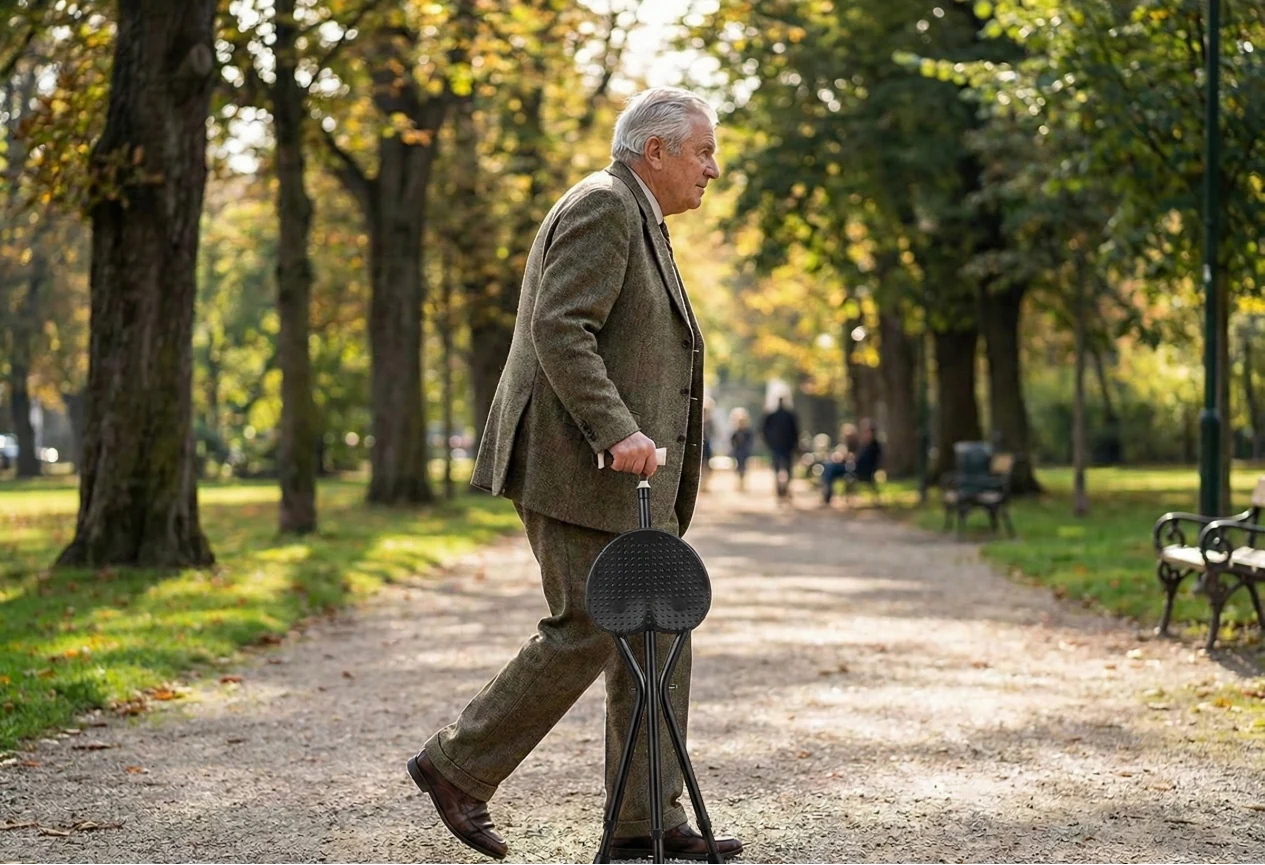
We often think that buying a simple cane is enough to help our parents maintain their mobility. We assume that as long as they have something to lean on, they are safe. But mobility isn’t just about moving; it is just as much about stopping. The ability to rest immediately when dizziness or fatigue hits is what truly separates a basic walking aid from a tool that provides independence. This is where the innovation of the crutch chair changes the narrative. It isn’t just a stick; it is a safety net that travels with them.
The Limitations of Traditional Canes in Modern Mobility
Over many years, the plain walking rod has stood as the mark of growing older. It offers a direct aid. The design creates a third ground touch point. This assists with steadiness and shifts some load from a frail limb. Still, as parents age further, their requirements grow more involved than mere balance aid. A typical rod carries a key weakness. It presumes the person possesses endurance to continue until reaching a planned rest spot. In truth, bodies of older folks lose energy in sudden ways. What starts as a nice outing can turn into a tense struggle.
The “Rest Anxiety” Factor
A main cause that keeps older folks indoors stems not from inability to step. Instead, it arises from fear of fatigue’s effects. Experts term this “rest anxiety.” An older individual realizes a trip to the market means a quarter-hour walk without seats. As a result, they opt to remain at home. A usual rod provides no aid here. It fails to support if dizziness strikes. Nor does it ease sudden aches in stiff joints.
By comparison, an elderly cane chair removes this exact worry. The knowledge that a resting place sits right in their grasp grants mental approval to go farther. They understand that should their pulse quicken or limbs grow leaden, relief waits mere moments away. This mental buffer may hold greater value than the bodily aid alone.
Safety Concerns on Uneven Terrain
Basic rods, particularly low-cost versions, prove risky on rough surfaces. Should the end skid on damp walkways or scattered stones, the holder tumbles along. Moreover, fatigue alters stance in seniors. They begin to press too much on the rod. This can make it slip from beneath them.
A sturdy walking cane with a seat adjusts the balance point. Even in folded form as a rod, the build tends to feel firmer. This comes from the extra bracing needed to hold a seated weight. Once expanded, it forms a firm three- or four-point foundation. Such a base manages bumpy areas. Think of park lawns or stone paths. It outperforms a lone-end rod by far. Thus, the uncertain outside becomes a controlled space.
The Mechanics of Safety: How a Crutch Chair Works
Past the drawbacks of outdated aids, consider how fresh design tackles weariness. Advances in health tools have yielded the dual-use folding crutch. This item resembles and functions as a walking rod. Yet it converts swiftly into a pause area. It avoids the bulk of lugging a separate fold-up seat. Instead, clever building merges two key roles into a slim shape. Grasping these inner workings aids in picking a reliable option. One that supports when a parent requires it most.
Seamless Transformation Design
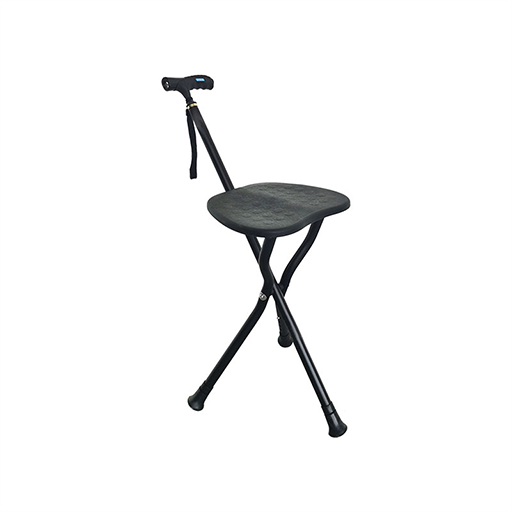
The top trait of such tools lies in the quick change process. A senior sensing wooziness lacks time or steady hands for tricky locks or turns. Top models, such as those from Xunyu Medical, emphasize a “one-second” setup.
Typically, the setup uses a gliding frame or press-release feature to reveal the seat. Folded, the platform lies smooth along the core pole. This keeps it streamlined and out of the way. When rest calls, the holder releases the catch. Then the foldable crutch chair extends its supports for a solid footing. This rapid shift proves essential. It changes a possible stumble from tiredness into a steady, secure pause. The build stresses easy handling. So even under stress, deployment happens naturally.
Material Matters: Aluminum Alloy Advantages
Earlier, mixed seats used steel or dense timber. These proved awkward to raise with each stride. Excess weight in the aid brings exhaustion instead of easing it. Hence, the field now favors the aluminum alloy crutch.
Aluminum alloy, notably the 6000 or 7000 types seen in aircraft, strikes an ideal mix of durability and lightness. A solid aluminum alloy crutch chair weighs under 1kg (about 2.2 lbs). Yet it bears a fixed burden exceeding 100kg (220 lbs). This superior power-to-mass balance remains vital. Your mom can raise the rod countless times on a stroll without shoulder ache. At the same time, she relies on it fully when settling her complete form upon it. The substance resists rust too. So exposure to wet weather leaves it sound for seasons.
“Rest Anytime, Anywhere”: A New Standard for Independence
The saying “Rest Anytime, Anywhere” exceeds a sales pitch. It promises a way of life. Gifting a lightweight foldable cane seat to a parent means more than handing over a gadget. It grants them leave to connect with surroundings at their pace. Self-reliance in older years feels delicate. It fades not in a rush, but bit by bit. First, stores seem too vast. Next, parks lie too distant. Finally, yard tasks overwhelm. By weaving a rest point into the walking tool, we counter this narrowing circle.
Reducing Physical Fatigue During Daily Outings
Consider the facts. A standard market visit covers forty minutes of steps and pauses. To the young, it poses no issue. For a 75-year-old with less muscle, it equals a long race. Queuing at registers or awaiting transport rank as riskiest times. Fixed standing tires more than motion often does.
A crutch chair handles these hurdles. Dad reaches the stop, opens his seat, and waits at ease. He navigates store paths, pauses briefly by fresh goods, and proceeds. This “brief pause” method lets seniors extend walks twofold or more. They avoid pushing weariness to hazardous levels. It reshapes a tough task into a routine affair.
Restoring Social Confidence for Seniors
Loneliness poses a grave threat to older health. Numerous seniors skip family events, exhibits, or local stalls. They avoid seeming troublesome. No one wishes to voice, “Can we halt? I must sit.” Shame shadows such requests.
With a foldable crutch chair, they carry their fix. They pause to talk with a friend on the path for a score of minutes sans discomfort. They view a grandkid’s match from the edge without stands. This freedom revives self-respect. They shed the image of the “lag” in the bunch who slows all. Instead, they join fully once more. Such mood lift frequently crowns the switch from plain rod to seated version.
Choosing the Right Aid: Features That Define Quality
Hybrid supports vary widely. Cheap options flood shelves, clanging, skidding, or seeming weak. For parent safety gear, excellence leads. Seek a tool that grips surely and plants firmly. To spot true protection over plaything, note key build signs. These distinguish whimsy from medical tools like the XY911 model.
Lightweight Engineering vs. Stability
Balance always exists between rod lightness and firmness. Too light feels tacky. Too weighty burdens. The ideal range spans 0.8kg to 1.2kg. Aim for a lightweight foldable cane seat with presence yet ease.
Seek a three-sided brace setup. A three-leg ground contact when spread offers top steadiness on rough spots. It avoids shaking. Check the end covering too. Quality rubber non-skid pads prove key. They link like vehicle wheels to earth. A fine aluminum alloy crutch chair includes toughened, enduring rubber ends. These hold pavement, floors, and soil alike.
Ergonomics and Comfort Standards
The grip links user to tool. Rigid, slick plastic tires palms and slides when damp. A choice dual-use folding crutch boasts a body-fit grip. It often adds rough texture or yielding cover molding to fingers.
Also weigh seat level and form. Though no lounge chair, placement matters. It sits roughly 50cm groundward for simple rising. Too low strains weak joints in ascent. Too tall unsettles. Units like Xunyu Medical‘s XY911 draw from body measure averages. This ensures broad senior comfort.
Conclusion
As grown children, we are always concerned about our parents’ health. However, 24-hour companionship is often unattainable for us. We can provide them with assistive tools, such as ordinary canes, but a cane chair offers true protection. It is lightweight and portable, perfectly combining freedom of movement with safe rest.
Choosing a high-quality aluminum alloy cane not only serves as an assistive tool but also gives children renewed courage to go out. Whether strolling along a park path or shopping, a moment’s rest brings immense peace of mind. Looking for a reliable and health-compliant solution? Contact Xunyu Medical at to learn more about the XY911 and other mobility aids.


