

How Do Bed Rails Improve Safety for Senior Users?
Time : Jan 20, 2026 View : 1,906
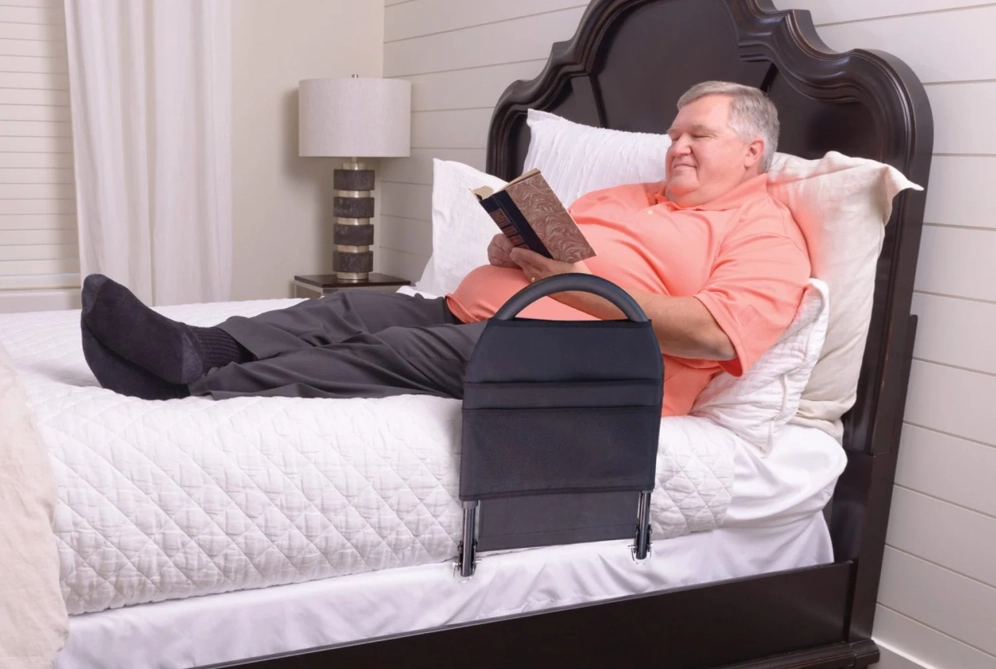
The bed serves as a place for rest and recovery. However, for numerous older adults, it turns into one of the most common sites for falls and injuries. Actions like shifting positions at night, sitting up in the morning, or getting out of bed can become unsteady as balance, muscle strength, or reaction speed weaken. Unlike slips in open areas, accidents linked to beds usually occur in narrow spaces where recovery options and support are scarce.
Bed rails directly tackle this danger as they treat falls as avoidable issues rather than random incidents, and offer structured support during routine movements. The article explains how bed rails boost safety and independence for elderly individuals, and further discusses ways to determine if a bed rail matches actual daily patterns instead of assumptions or marketing claims.
Why Are Beds a Common Source of Falls for Senior Users?
Examining the reasons behind high risks in beds is useful before considering any support product. Many incidents arise not because of recklessness but from ordinary repeated tasks.
How do nighttime movements increase fall risk?
Nighttime is the time of stability and awareness at the lowest levels. Dim lighting, broken sleep patterns, and lower alertness hinder accurate judgment of distances and body position. When you roll over, sit up, or reach for the floor, even a small loss of balance can lead to slipping off the bed.
Elderly adults commonly awaken several times overnight, which raises the number of changes from lying flat to sitting and standing. Every change creates another chance for unsteadiness.
Why does reduced strength affect bed transfers?
Muscle strength and joint bendability decrease naturally over the years. Sitting on the mattress edge, pushing up to stand, or managing the body while turning demands coordinated work from arms, core, and legs. Limited strength makes these actions irregular and unpredictable, which enhances the likelihood of falls grows as a result.
How Can Bed Rails Reduce the Risk of Bed-Related Accidents?
A clear understanding of fall causes simplifies the purpose of a bed rail. It does not restrict movement but guides and supports it.
How does a bed rail provide physical support during transfers?
A bed rail functions as a firm grip point that remains dependable when changing positions. Arms find something solid to hold while turning, sitting up, or standing. This added point of contact enhances balance and allows you to control movement speed instead of relying on sudden pushes. Many individuals experience fewer abrupt or clumsy motions that frequently lead to slips.
How does boundary support prevent rolling or slipping?
Uncontrolled motions during rest can push the body nearer to the edge of mattress. A bed rail is a clear edge that helps users stay centered safely. This feature holds special value for those with frequent movement at night or difficulty in feeling bed edges.
In What Ways Do Bed Rails Support Senior Independence?
Safety represents whether a product becomes part of daily life. Self-reliance and confidence play major roles in continuous acceptance and daily application.
How does self-assisted movement improve confidence?
Repositioning or getting out of bed without help can help you restore control over daily routines. This independence relieves mental stress and the need for caregiver involvement. Confidence grows gradually as movement turns more predictable and less frightening.
Why does predictable support encourage daily routines?
Dread of falling often causes elderly adults to restrict movement or wait for help. Bed rails deliver steady support, making tasks like standing or sitting down easy again. This reliability promotes regular movement over hesitation.
What Design Features Matter Most When Choosing a Bed Rail?
Bed rails differ in capabilities. Proper selection aligns with mattress use and the required assistance level.
Why do rail height and grip design affect safety?
A rail must be high enough to offer leverage, yet positioned so it does not interfere with natural movement. Comfortable grip shapes reduce pressure on wrists and shoulders, which is greatly important for individuals who depend heavily on arm strength during transfers.
How does structural stability influence daily use?
Bed rails must hold firm under repeated weight loads. A firm attachment to the bed frame, resistance to movement, and a solid construction are all helpful for long-term safety. Unexpected shifts in a rail can generate greater danger than support.
Which Bed Rail Options Fit Different Beds and User Needs?
Applying design ideas to actual products clarifies suitable choices for specific situations.
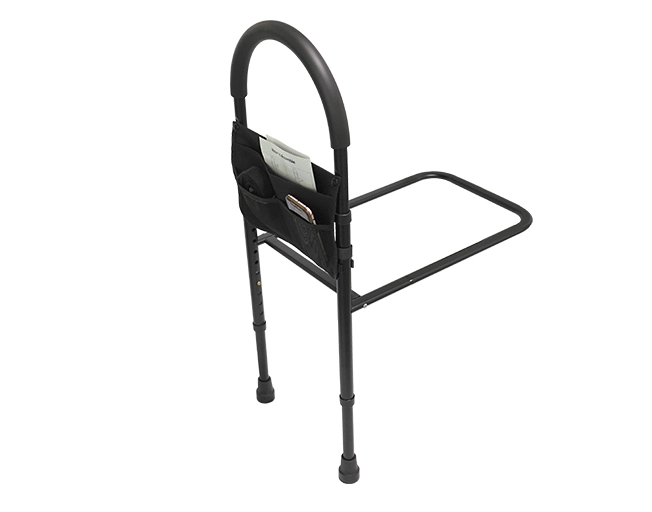
When is the XY-429 bed rail the right choice for you?
The XY-429 bed rail works well for situations requiring strong and trustworthy support during frequent transfers. Its sturdy structure supplies consistent support for sitting upright, standing, and nighttime movements, making it proper for elderly adults needing reliable hand support.
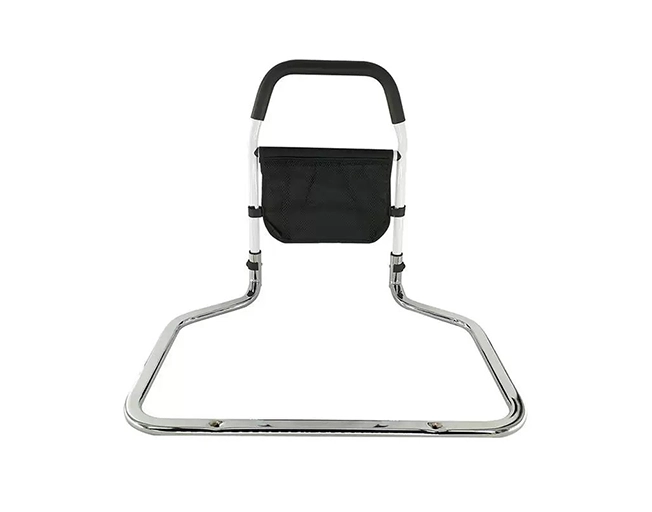
Why might the XY-318 bed rail suit lighter or space-limited setups?
Simpler designs or tight spaces benefit from options with less size. The XY-318 bed rail provides useful help without added weight. It fits well with standard bed setups and provides practical assistance for everyday movements while maintaining ease of installation and use.
Who Designs and Manufactures Reliable Bed Rails for Long-Term Use?
The performance of a bed rail depends not only on its design but also on the quality of production and the tested results over time.
How does professional manufacturing translate into daily safety?
Trustworthy bed rails come from manufacturers who prioritize real-life usage over listed details. Xunyu Medical acts as a dedicated producer of elderly assistive devices, with manufacturing based in Foshan, China. Our product development centers on practical movement challenges faced by senior users in daily life.
Our company produces various assistive products, including bed rails, shower chairs, walkers, and bedside supports. Production steps stress frame strength, material durability, and ease in different home environments. With products supplied to markets in Europe, North America, the Middle East, and the Asia-Pacific region, our designs align with global expectations for safety and reliability.
This focus on functional design supports senior users in maintaining independence through well-considered support solutions rather than unnecessary complexity.
How Do You Know If a Bed Rail Is the Right Investment for Your Situation?
Before making a decision, it is important to consider how a bed rail fits into your daily routine.
What questions should you ask before buying?
You should evaluate bed compatibility, weight capacity, user strength, and whether assistance is needed during transfers. Consider how often the rail will be used and whether it must accommodate different users.
How can the right bed rail reduce future injury risk?
Decreasing the chances of falls and reducing strain during movement aids in avoiding injuries that lead to hospital visits or long-term care needs. Preventive support is safer and more cost-effective than recovery after an accident.
FAQs
Q1: Can bed rails prevent all bed-related falls?
A: No item eliminates every danger, yet a suitably chosen bed rail greatly lowers drop chances during changes and night motions.
Q2: Are bed rails suitable for all bed types?
A: Fit depends on frame build, mattress depth, and attachment way, all of which need review before buying.
Q3: Do bed rails reduce the need for caregiver assistance?
A: Often yes. Bed rails enable elderly individuals to shift and move more on their own, which cuts down ongoing help requirements.


