

How to Select a Suitable Bed Rail for Long-Term Safety and Reliable Support?
Time : Jan 21, 2026 View : 1,976
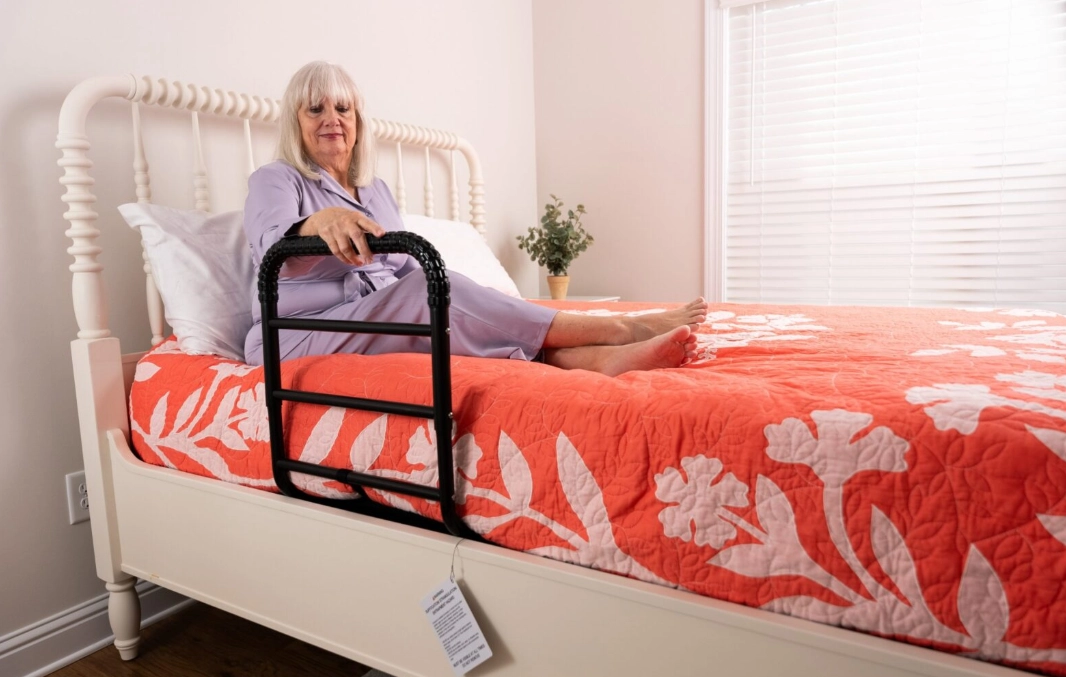
How do bed rails maintain reliable safety and support over long-term daily use?
A single feature or a single decision rarely determines long-term bed safety. Instead, it develops from how effectively a bed rail performs after many months or years of constant usage, varying loads, and changing users’ habits. If you are responsible for specifying, evaluating, or recommending bed rails, the focus is not on how firm the rail appears after installation, but on whether it continues to provide consistent support as the positions of the body, daily habits, and environmental change.
A bed rail becomes a part of everyday movement routines. Sitting up, adjusting position at night, and getting out of bed all create stresses that accumulate gradually. This piece explains the ways to assess bed rails while keeping long-term safety in mind, paying attention to structural behavior, compatibility, and practical use rather than external details.
Who Is Xunyu Medical and Why Does Its Design Philosophy Matter in Long-Term Bed Safety?
Before using detailed selection criteria, it is useful to look at how a manufacturer approaches assistive devices as working units instead of isolated products.
Foshan Xunyu Medical Technology Co., Ltd. is a specialized producer of elderly assistive devices located in Foshan, Guangdong, with a 4,000-square-meter manufacturing site. Our products cover bedside supports, mobility aids, bath chairs, and toilet assistance equipment, all of which are tightly connected to fall prevention and daily transfer safety. Since its establishment, our company has placed priority on technology-based design improvements to better match products with real usage habits among aging people.
Instead of focusing on ornamental elements or short-term convenience, our development process highlights structural reliability, practical ergonomics, and steadiness after repeated use. This approach has aided exports to Europe, North America, the Middle East, and the Asia-Pacific region, where long-term product performance and safety demands remain strict.
This design philosophy is reflected by bedside support products such as the XY-316 bed rail, which is designed for constant daily support rather than casual assistance.
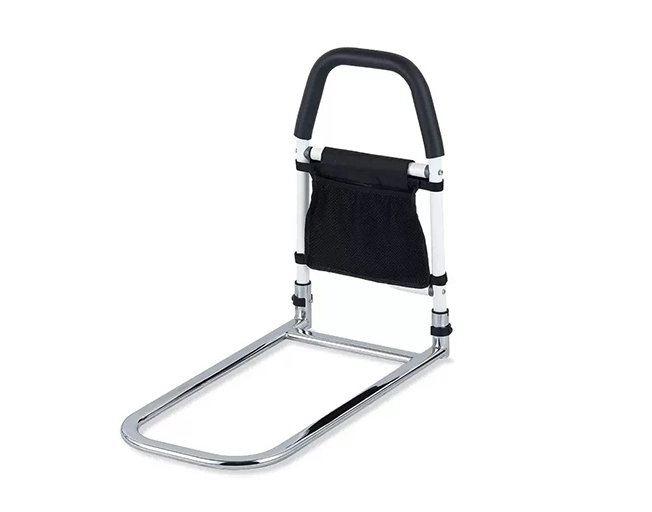
What Long-Term Risks Should You Evaluate Before Choosing a Bed Rail?
Short-term stability can be misleading. Many bed rail failures are not sudden but progressive.
Over time, repeated lateral loading may loosen fasteners, deform connection points, or change how force transfers into the bed frame. User behavior also shifts. As mobility declines or improves, the way a rail is used may change from light guidance to partial weight bearing. If a rail was not designed for this range of interaction, risk increases gradually rather than visibly.
When selecting a bed rail, you should assess whether the structure tolerates repeated asymmetric loads and whether its attachment method remains secure as surrounding components move or settle.
How Do Bed Height, Mattress Thickness, and Frame Type Affect Rail Performance?
Compatibility defines whether a bed rail works as intended over time. Mattress thickness and compression directly affect effective rail height. A rail that appears adequately tall during installation may sit too low once the mattress compresses under body weight, reducing leverage during transfers. Bed frame geometry also determines whether the applied force travels vertically into the structure or creates rotational stress at the mounting point.
You should confirm that the rail design accounts for common variations in mattress depth and does not rely solely on friction or temporary tension for stability.
Why Does Structural Stability Matter More Than Visual Solidity?
A rail can look robust but perform poorly under real conditions. Long-term safety hinges on whether the rail maintains proper alignment during constant usage. Designs that use thin-wall tubing, single-point anchors, or flexible joints may seem to be firm at first sight but lose rigidity over time. Once alignment shifts, grip angles change, and load paths become unpredictable.
Consumers should like structures that spread force over several contact points and act as an extension of the bed instead of an accessory attached to it.
When Is a Removable Bed Rail the Safer Choice for Long-Term Use?
Permanent installation is not always the safest solution. In environments where care demands change, such as recovery stages, shared caregiving, or evolving mobility levels, a removable rail can reduce danger if designed properly. The key element is whether removal and reinstallation keep alignment and weight-carrying ability.
A removable option like the XY-310 removable bed rail demonstrates how flexibility can coexist with reliable support. When properly installed, this type of design allows adjustment without compromising stability, supporting long-term safety planning.
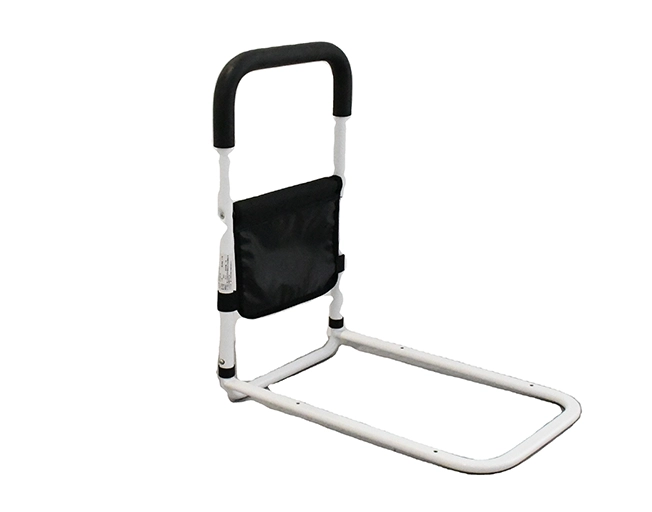
How Should You Evaluate Grip Design and User Interaction Over Time?
Grip design affects both safety and confidence. Over-extended use, users rely on bed rails not only for standing but also for repositioning during sleep. Poorly shaped grips increase fatigue and risk. Rounded edges, appropriate spacing, and stable surfaces support natural hand placement and repeated contact.
You should evaluate whether the rail supports instinctive movements and whether its surface remains comfortable during frequent use, especially for users with reduced strength or joint sensitivity.
What Maintenance and Inspection Factors Influence Long-Term Reliability?
Long-term reliability depends on how easily key components can be inspected and adjusted. Designs that require specialized tools or complex disassembly increase the likelihood that minor issues go unnoticed. Tolerances also matter. A rail that continues to perform safely despite minor alignment changes reduces long-term risk.
You should consider whether inspection routines fit the actual care environment rather than ideal maintenance schedules.
How Can You Align Bed Rail Selection With Evolving Care Needs?
Long-term safety planning assumes change rather than permanence.
A bed rail may begin as an active transfer aid and later serve as a positioning guide. Selecting a design that accommodates this transition avoids unnecessary replacement and reduces disruption for users and caregivers.
You should view bed rail selection as part of a broader mobility support strategy rather than a fixed decision tied to current conditions only.
FAQs
Q: How can you tell if a bed rail is suitable for continuous daily use rather than temporary assistance?
A: You should examine how the rail handles repeated lateral force, attachment stability, and alignment over time rather than relying on initial rigidity alone.
Q: Are removable bed rails less reliable for long-term safety?
A: Not if the design preserves load capacity and alignment after repeated installation. A well-engineered removable rail can support long-term use while offering flexibility.
Q: What is the most commonly overlooked factor in long-term bed rail selection?
A: Mattress behavior over time. Compression changes effective rail height and leverage, directly affecting transfer safety.


