

Why Carbon Fiber Electric Wheelchairs Are Stronger Than Steel
Time : Feb 26, 2026 View : 1,759
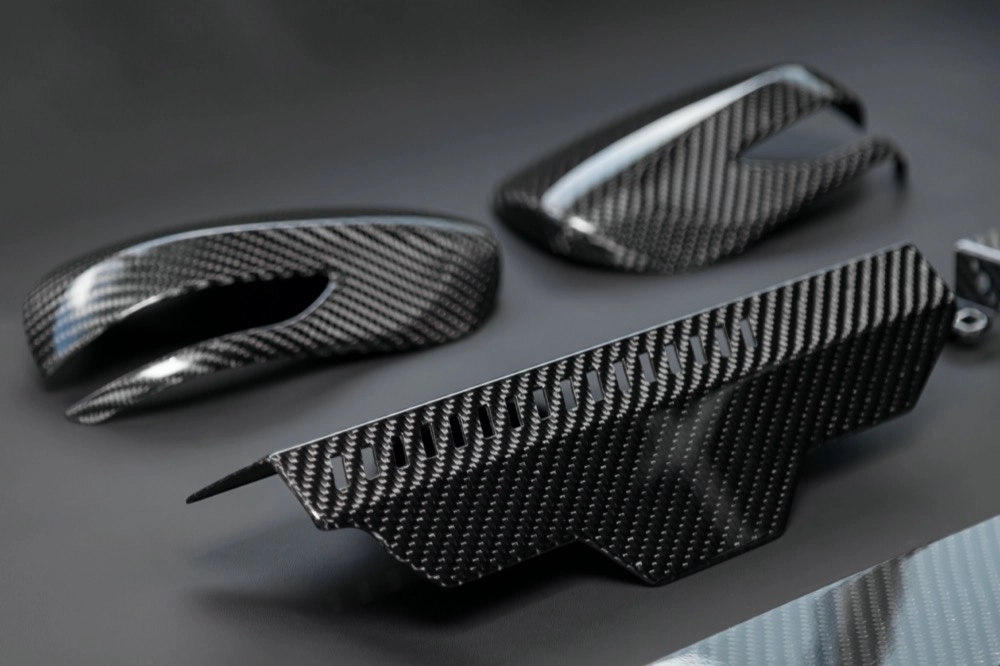
Look at current patterns in Formula 1 cars or plane building. You see a clear pattern. Teams focus on parts that hold up well but weigh very little. For many years, steel and aluminum served as main options for items like bikes and health tools. These metals proved steady, low-cost, and easy to find. Yet, the health movement field faces a big change now. Experts shift from thick metal builds to smart mixed materials.
This change goes beyond fresh looks. It tackles a key issue in the movement area: mass against toughness. For chair users, extra weight cuts down on ease. In the past, a lasting chair came with bulk and heft. That situation has ended. The new carbon electric wheelchair shifts everything. It uses tech from Boeing planes on daily paths. This piece explains why carbon fiber beats steel in most ways that count for chair users.
The Science Behind Carbon Fiber Durability
People often think light items break easily. This idea makes sense. We link mass with solid build. But carbon fiber flips that view. To see why a lightweight power chair from carbon fiber lasts longer than steel, check the tiny makeup of the stuff. Metal spreads traits evenly in every way. Carbon fiber, as a mixed type, gets shaped for set pressures.
Tensile Strength vs. Weight Ratio
In building, the key figure is pull strength against mass. Steel holds firm, no doubt. However, it packs a lot of density. For a steel build to avoid twisting under a 100kg rider, builders add much material. That adds up. The result is a chair over 30kg empty, before the power pack.
Carbon fiber acts in another way. It holds tiny crystals lined up along the fiber’s length. When makers weave these and bind them in glue, the setup gains five times the pull power of steel per unit of mass.
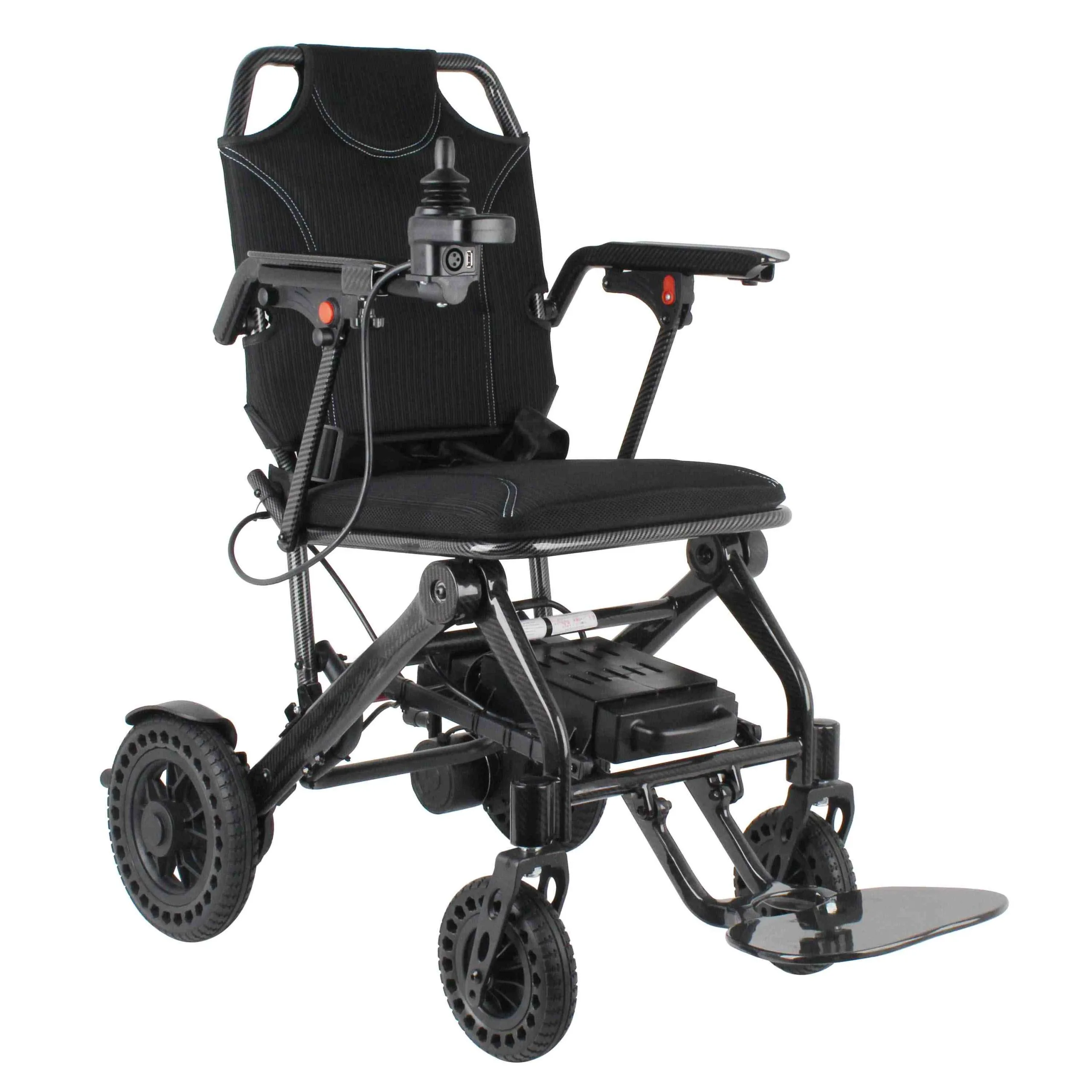
In a movement tool, this lets the carbon electric wheelchair frame handle rough hits without twisting. If a steel chair strikes a step, the metal may stay bent. Carbon fiber bends a bit on purpose. It takes the hit and snaps back. Thus, the XY-D02L pure carbon fiber model serves as more than a high-end pick. It offers safer rides for busy users on bumpy roads or trails.
Resistance to Environmental Corrosion
One point people miss is the setting around the chair. These tools face all kinds of weather, from wet days to cold flakes and moist spots.
Steel fights a big foe: decay from water. Even with outer coats, marks appear over time. Once water slips past the layer on steel or aluminum, the rot begins. It weakens the build slowly. This spells trouble for sellers and loan groups who want gear to endure seasons.
Carbon fiber stays steady in reactions. It avoids rust. It skips decay. You might store a carbon fiber durability checked chair in a wet shed for five years. The build strength would match the first day. Sellers face less hassle with fix requests on frames. Users get a chair that stays fresh after much daily work.
Solving the Weight Crisis in Mobility
Strength facts draw interest. But daily mass hits users each day. A tough chair fails if it won’t fit in a ride. The move from thick designs to the current portable power wheelchair comes from a push for self-reliance.
Impact on Daily Independence and Transport
Think of the car space check. For helpers or older partners, raising a usual 28kg (60lbs) electric wheelchair into a car back brings real risk. It strains the back. Many add costly lift tools to the auto. This block often keeps folks home.
A lightweight power chair built from carbon fiber, such as the Xunyu Medical XY-D02L, drops that mass a lot. Frames reach just 12kg without cells. The gap proves huge. It turns the chair from a health machine into a quick-use daily aid.
Lower mass shifts how users think. Easy handling boosts trips to kin, shops, or drives. The gear load fades away.
Battery Efficiency and Range Extension
Mass influences not just lifts but moves too. Picture a vehicle. A full truck uses more gas than a slim racer for the same path. The same rules fit electric wheelchairs.
When an engine pushes a thick steel build plus rider, it pulls extra current from the cells. This empties them quicker. By picking carbon fiber, you cut the push back right away.
The result is simple math:
Less Weight: The motors work less hard.
Less Heat: The electrical components stay cooler.
More Range: You get more kilometers per charge without needing a larger, heavier battery.
This efficiency cycle allows manufacturers to keep the batteries smaller and lighter, further contributing to the portable power wheelchair concept. It is a virtuous cycle of weight reduction.
Travel Capabilities and Airline Compliance
Places grow easier to reach. Chair users aim to take flights. Still, plane trips with movement gear bring tough spots. Lines set firm mass caps and hard carry ways. Here, a foldable electric wheelchair design fits the strict rules of world trips.
Navigating Airline Regulations
If you flew with a stiff power chair before, you know the pain. It needs extra cargo care. On the other hand, a fresh carbon fiber chair folds fast, often to a bag size.
A trusted airline wheelchair manufacturer grasps two key needs:
Battery Safety: Lithium cells are easy and stay under IATA watt-hour caps (often below 300Wh for one or 160Wh for two).
Structural Resilience: Workers handle rough.
Carbon fiber takes hits well. It outlasts soft metal tubes that bend or break. The XY-D02L, for example, folds safe for rides and small for holds. Check-in flows well. Users drive to the door, fold, and pass it on. They trust it holds through the airtime.
The “Fold-and-Go” Mechanism
Building a fold carbon fiber frame takes skill. You can’t join it like metal. Links and turns must fit right in the shape.
Top carbon chairs use a single press or quick step to close. No locks stick, or bolts need turns. Speed counts when a cab waits or a rail leaves soon. Light mass plus a close setup make a foldable electric wheelchair that aids the user. The user does not chase the tool.
Long-Term Value for Medical Equipment Providers
Price is always a conversation starter. It is true that carbon fiber chairs come with a higher upfront cost compared to standard steel models. However, for B2B clients and medical distributors, the focus should be on the Total Cost of Ownership (TCO) and brand reputation.
Why Carbon Fiber makes business sense:
Fewer Returns: As mentioned, carbon fiber durability means frames don’t bend or crack under normal stress. This reduces the logistical nightmare of handling returns and repairs.
Premium Positioning: Offering a product like the Xunyu Medical XY-D02L positions a retailer as a market leader. It shows you offer top-tier technology, not just generic supplies.
Higher Customer Satisfaction: When a user can lift their chair easily, they are happier. Happy users recommend products to their support groups and friends.
A reliable airline wheelchair manufacturer that uses carbon fiber is essentially providing a product that sells itself once the customer picks it up. The “wow” factor of lifting a power chair with one hand is a powerful sales tool in a showroom.
Furthermore, the longevity of these parts means that even in a rental fleet scenario, the asset life is extended. A steel chair might look worn out after two years of renting; a carbon chair, with its resistance to scratches and corrosion, will likely still look premium.
Conclusion
The debate between steel and carbon fiber is effectively over in the high-end sector. While steel will always have a place in budget-friendly, heavy-duty hospital transport, the future of personal mobility lies in advanced composites. A carbon electric wheelchair offers a blend of safety, efficiency, and freedom that metal simply cannot match.
For the user, it means the ability to travel the world without worrying about equipment failure or weight restrictions. For the provider, it represents the cutting edge of medical technology. If you are looking for a lightweight power chair that does not compromise on stability, it is time to look at carbon fiber. The XY-D02L represents this new standard—stronger than steel, lighter than aluminum, and built for the real world.
Ready to upgrade your mobility experience or stock the latest in wheelchair technology? Contact Xunyu Medical today at paddy17727303057@outlook.com to learn more about our pure carbon fiber solutions and partnership opportunities.


