

How to Compare Medical Walkers for Sale and Find the Best
Time : Apr 15, 2026 View : 1,272
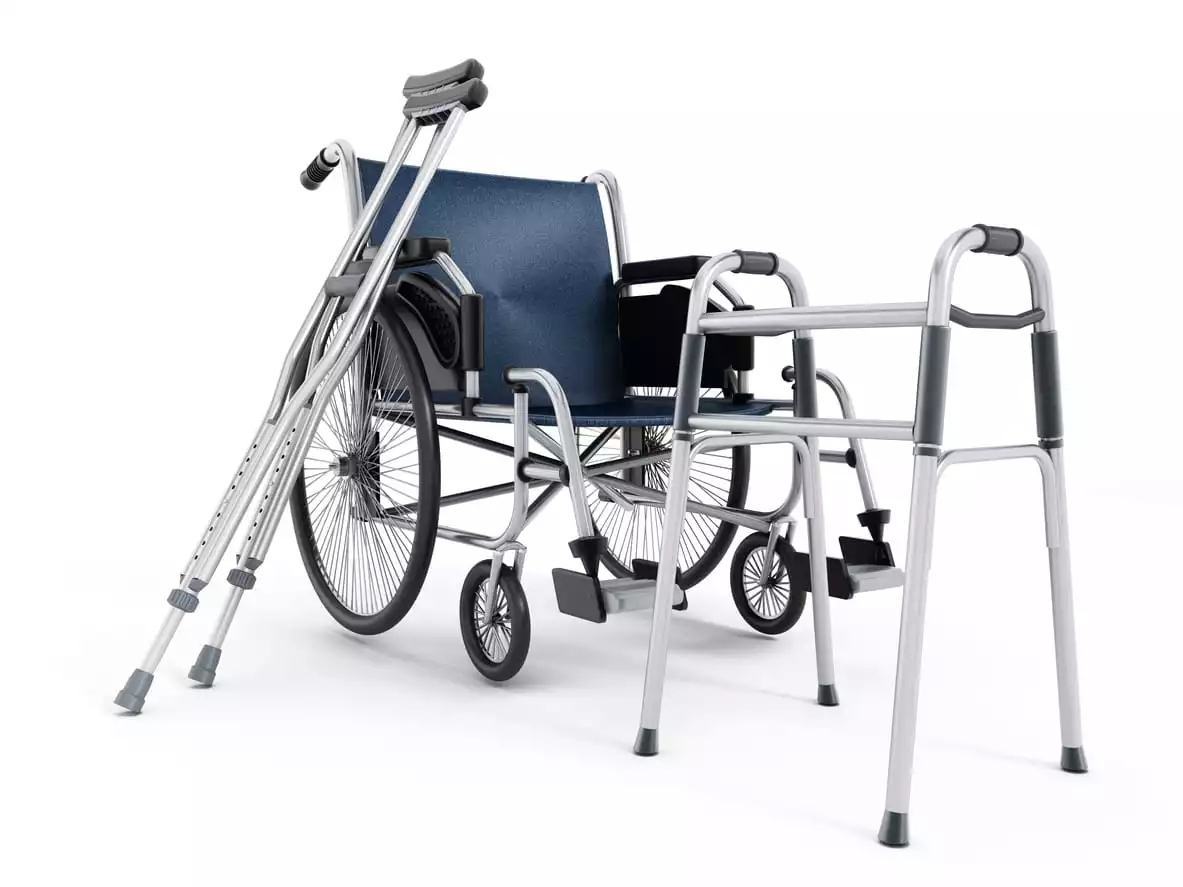
Picking the proper medical walker in 2026 involves going past just the cost and paying attention to your movement requirements, security, and daily usefulness. More styles exist now for various people and care places. So, checking walker kinds is the initial move to pick wisely. And before you look at details and worth, it pays to grasp the chief kinds of medical walkers out there today.
What Are the Different Types of Medical Walkers Available in 2026?
Selecting the correct aid for movement can greatly change your ease, self-reliance, and healing steps. The market for medical walkers in 2026 keeps growing with fresh ideas, simpler materials, and clever tech that makes routine motion more secure and simpler. You need to know how each kind varies in build and purpose before choosing the model that fits you well.
Standard Walkers and Their Key Features
Standard walkers suit people who want the most steadiness while healing or getting better. They use a basic structure without wheels. Thus, you have to raise the walker a bit with every stride. This setup gives strong backing but needs power in the upper body. These types work well for folks healing from operations or facing major balance problems.
For instance, the Classic Stability Walker from Xunyu Medical has a stronger aluminum structure for lasting use and easy-to-hold hand grips that cut down tiredness over long periods. Foshan Xunyu Medical Technology Co., Ltd. sits in Danzao Town, Nanhai District, Foshan City, Guangdong Province. It runs as a company focused on making help tools for older adults. And its stress on exact building makes sure each walker matches user security wants while keeping light handling.
Rollators and Their Advantages for Mobility
Rollators fit well if you like easier motion with less work on your arms. They include three or four wheels for steady rolling instead of picking up the device per step. And most rollators have a seat inside for short rests, hand brakes for safe stops, and spots to store small things.
The lightweight rollator model adds handles you can change and a frame that folds up. It works great for moving inside homes or strolling outside. These rollators give more freedom to busy older people who care about easy movement plus handy features.
Hybrid Models Combining Stability and Flexibility
Hybrid walkers blend the top traits of standard types and rollators. They let users shift between a no-roll mode for steadiness and a wheel mode for ease. This range makes them handy on varied ground or during different healing times.
One top pick is the 2‑in‑1 convertible walker. It switches simply based on if you want solid ground touch or smooth wheel help. Such range shows a fresh wave of medical walkers built for real-life user changes.
What Should You Consider When Comparing Medical Walkers for Sale?
When looking at medical walkers for sale on the web or in shops, key tech points decide lasting joy. These range from material toughness to body-friendly building.
Material Composition and Weight Capacity
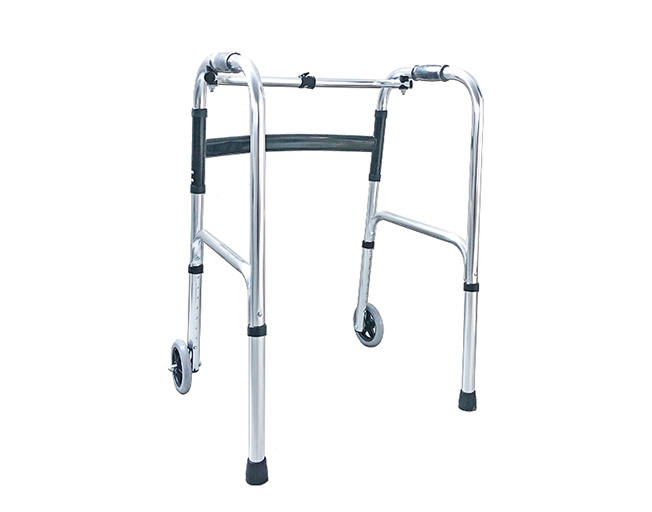
The frame material shapes both lasting power and ease of carrying. Aluminum frames bring light strength that fits most grown-ups. Steel frames raise the load limit but may seem heavier to move around. Carbon fiber types mix both gains with better building.
Since it started, Xunyu Medical has put first new tech ideas and improved item builds to meet the real needs of growing older groups. Its Lightweight Medical Walker Series uses plane-grade aluminum that holds firm shape while being simple to pick up. This helps if you go places often or keep your device in storage a lot.
Adjustability and Ergonomic Design
Handles that change height aid, right body position, and cut down arm stress over long times. Body-friendly grips spread out force across hands evenly to stop pain after extended walks. For rollators with seats, the fill quality counts too. Thicker pads boost ease during break times.
How Do Portability, Storage, and Maintenance Affect Your Choice?
Movement tools must blend well into your routine. This holds true whether you go out each day or keep gear at home.
Folding Mechanisms for Easy Transport
Small folding setups let you fit your walker in small areas like car storage or cupboards. Fast-open links allow you to fold or unfold the frame without any tools. This counts a lot if you move around frequently. Some new builds use a one-touch fold system for one-hand work. It suits times when you handle other tasks or bags at once. A light build adds to carrying ease without losing strong form.
Maintenance Requirements and Durability Considerations
Regular upkeep stretches the item’s life a great deal. Check wheels often for signs of use. Make sure grips stay tight. And oil joints now and then to avoid hard spots. Swap-out parts like ends or handles boost long use by skipping full changes for small fixes. Coats against rust also fight wet harm. This matters if you stay near sea spots where damp air is usual.
How Can You Match Walker Type With Your Personal Mobility Goals?
The best walker hinges on your activity level, main use spots, and the backing of your health needs.
For Rehabilitation Patients
Steadiness comes first in early healing steps. A basic no-wheel type gives ruled motion that builds trust safely. And as balance gets better, you can move to wheel-based choices later.
For Active Seniors or Long-Term Users
If self-rule counts more than limits, light rollators bring simple pathfinding inside and out. Their built-in seats allow easy pauses on tasks while holding a good body stance all through walk times.
For Travel-Friendly Use Cases
People who go places often gain from small hybrid types that fold level but stay firm when set up. Changeable wheel plans shift well between spots like air hubs, paths, or bumpy outside ground without extra tools.
Money thoughts matter too. Basic units give needed work at a low price. High-end builds add smart watches that track walkways. This trait will spread by 2026 as digital health checks grow common in help tools.
What Future Trends Will Shape Medical Walkers by 2026?
New tech keeps changing what help for movement means now. It mixes health knowledge with exact building to boost user freedom safely.
Integration of Smart Mobility Features
Walkers of the next kind might have sensors inside that check step flow to spot imbalance soon before slips happen. Link features could tie info right to apps for watchers. So, experts can check steps from afar in the moment.
Xunyu’s coming AI-assisted smart rollator shows this change. It pairs sensor checks with brake plans that fit slope safety. And this marks a big step to a forward-thinking movement, helping over just an after-the-fact rule.
Sustainable Materials and Eco-Friendly Manufacturing
Green ways now guide item growth around the world. Buyers want kind solutions even in health fields. Makers more often use reuse mixes that cut harm to nature while hitting strict safety checks needed worldwide. With rising world need, Xunyu Medical aims to put more into study and green making to build its place in the market.
By checking these growing points, from build plans to digital ties, you can surely check light medical walker picks in 2026. They match your body aims and life ways through fresh lines like those from Xunyu Medical.
FAQ
Q1: How do I determine the correct height setting for my walker?
A1: Stand straight with arms loose at your sides. Adjust handle height so they line up near wrist fold level when elbows curve a bit at about 15–20 degrees while testing the hold.
Q2: Are carbon fiber frames worth the higher price?
A2: Yes. Carbon fiber joins top strength-to-weight mix with a fight against rust. It fits best if carry ease counts most or if you mean regular outside use where lasting power in different weather is key.
Q3: What maintenance schedule keeps my walker performing safely?
A3: Do checks each month on wheel-turn ease. Tighten loose screws right away. Wipe metal areas dry after wash times using soft soap mixes only. Never use strong cleaners to keep coat strength over years.


