

Who Are the People Who Might Want a Bed Rail in 2026?
Time : May 18, 2026 View : 1,188
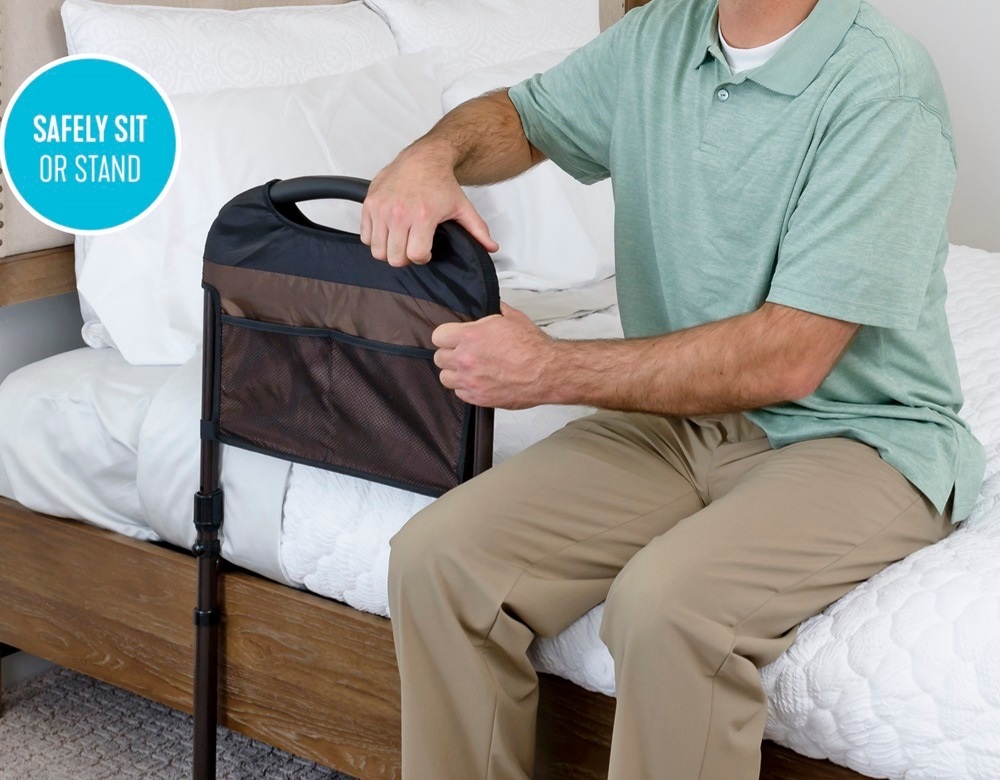
Bed rails do not just serve older adults or hospital patients. In 2026, they also prove helpful for folks with restricted movement, recovery after surgery, issues with balance, physical disabilities, or anyone requiring additional help when entering or leaving bed. Before picking a model, it pays to understand who can gain from a bed rail and how it addresses safety concerns or everyday care challenges.
Understanding the Purpose and Function of Bed Rails
Bed rails hold an important place in home care and medical settings. They act as key safety aids for those with poor mobility or fall risks. Besides offering physical backing, they bring reassurance to caregivers and loved ones.
The Role of Bed Rails in Safety and Mobility
Bed rails aim to give steady support and aid for individuals climbing in or out of bed, particularly those with weaker balance or less muscle power. They serve as a guarding barrier that stops unexpected tumbles while sleeping or shifting positions. Current styles prioritize ease for users, and they ensure easy access too. Thus, people can shift around more easily without sacrificing protection.
Types of Bed Rails Available in 2026
Full-length bed rails stay perfect for top-level guarding. They span the whole bed to block rolling off while resting. Half-length or adjustable rails bring versatility and simple transfers. These suit people who want some help when rolling over or sitting up. Hospital-grade bed rails now add comfortable grips and clever sensors. Those sensors pick up motion or alert signals for trouble. This progress fits with growing standards in health tech.
One fresh choice in the market is the Carbon Steel Medical Bed Rails XY-429. It has an adjustable height of 83–107 cm, anti-slip foot pads, a foam handle, a nylon storage bag, and a no-drilling removable design. Its carbon steel frame and spray-coated finish help provide steady bedside support for safer daily transfers. These thoughtful builds show how today’s crafting blends toughness with everyday ease.
Individuals Who May Benefit from Bed Rails
Bed rails do not fit every situation exactly. Instead, they help certain groups based on their movement ability, health state, and care space.
Older Adults Experiencing Mobility Challenges
Seniors often deal with poorer balance or less muscle force from age-related issues. For such people, bed rails offer firmness during changes from lying to standing. This greatly cuts the chance of evening falls, which cause many injuries in older folks. Flexible types like the XY-310 detachable bed rail let users handle things on their own without needing help from others. It detaches easily, skips drilling, and sets up simply. It also comes with a storage bag and foam grip. This straightforward approach boosts self-reliance while keeping people secure.
Patients Recovering from Surgery or Illness
Those healing after operations gain a lot from firm structures that support shifting without stressing sore spots. Recovery from bone or nerve problems usually means less movement. So, strong hospital rails assist patients in adjusting positions safely. At the same time, they allow caregivers to move folks more smoothly.
People Living with Chronic Conditions or Disabilities
Folks with diagnoses like Parkinson’s disease, multiple sclerosis, arthritis, or similar ongoing issues often face shakes or feebleness that harm movement. For them, solid grips from adaptable rail setups prove priceless in keeping daily freedom. Products from Xunyu Medical follow this idea with flexible styles that fit different body strengths.
Caregivers and Healthcare Providers Considering Bed Rails
Choosing the right bed rails means grasping both user protection needs and setup factors in home or facility care.
The Importance of Bed Rails in Home Care Settings
Home caregivers count on bed rails to secure nights and ease ongoing watch duties. The right setup matters a lot. Wrong placement can lead to wobbles or trapping dangers. Teaching users proper ways to use them boosts comfort and cuts risks from wrong handling.
Hospital and Long-Term Care Facility Applications
Medical centers weave bed rail use into custom care plans after expert risk checks. Flexible hospital bed rails let workers give care quickly without hurting patient reach or ease. Following fresh global safety rules ensures well-being for patients in all facility spots. This stands as a main duty for makers focused on quality checks.
Factors Influencing the Decision to Use a Bed Rail in 2026
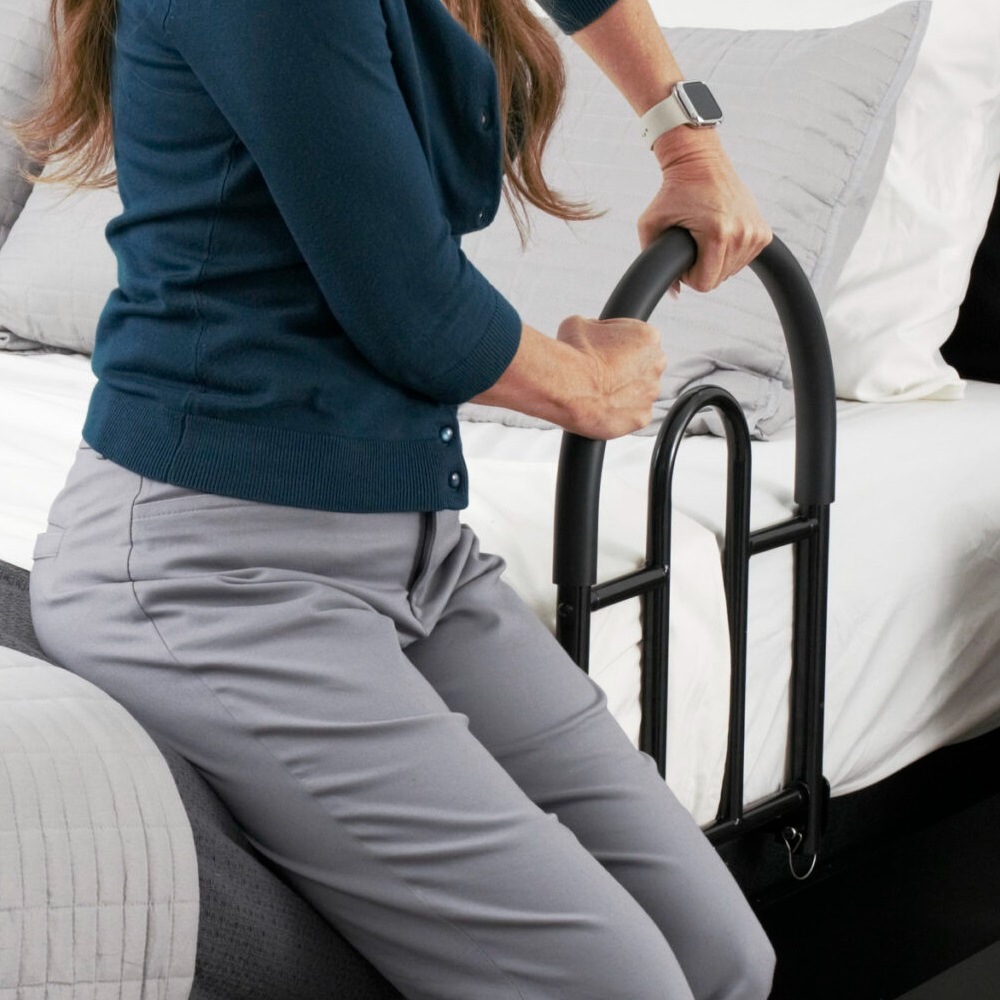
Deciding on a bed rail setup hinges on tech progress, user wants, and sticking to worldwide rules for support tools.
Advances in Design and Technology Integration
Clever tech has changed old gear styles. Now, smart bed rails have movement detectors that warn caregivers if patients try moves alone or if falls seem likely. Light but strong materials make handling better for various ages. Attractive covers fit well into up-to-date rooms.
From the start, Xunyu Medical has stressed tech advances. It refines item styles to meet real demands of growing older groups. This drive shows how ongoing research spending crafts safer and clearer products for world buyers.
Regulatory Guidelines and Safety Considerations
New global rules stress correct gaps between rail bars, firm lock systems, and full training plans for users to prevent trapping events. Makers now stick to tough ISO rules. They test each part strictly before selling. Health groups lead info drives too, which help buyers make smart choices for trusted movement tools.
Evaluating When a Bed Rail Is Appropriate for Use
Before setting up, experts need to review personal health details fully to confirm they fit.
Assessing Individual Needs and Risks
A medical check should weigh things like mental sharpness, past falls, body power, and likes. A fair review of gains versus dangers makes sure the rail improves safety. It should not limit freedom or spark worry from feeling trapped. Ongoing checks stay key as health shifts with time.
Alternatives and Complementary Safety Solutions
Classic bed rails work well for lots of users. Yet, options like low beds or soft floor pads might fit better where trapping risks appear. Adding movement alerts with partial rails builds layered fall blocks suited to certain home care spots in 2026. Working together among patients, kin, therapists, and doctors ensures tailored results that match changing care tech.
FAQ
Q1: Who are the main users who might want a bed rail?
A1: People who might want a bed rail include older adults experiencing mobility challenges, post-surgical patients needing stability during recovery, and individuals living with chronic conditions such as Parkinson’s disease or arthritis that affect balance control.
Q2: Are hospital bed rails safe for home use?
A2: Yes—hospital bed rails designed under certified standards are safe when installed correctly by trained personnel following manufacturer guidelines on spacing and locking mechanisms.
Q3: What makes Xunyu Medical’s products reliable?
A3: Xunyu Medical offers a focused range of bedside handrails, including carbon steel medical bed rails, removable bedside handrails, and bedside assist rails, giving users options for different mobility and care needs. They also offer ODM/OEM and service guarantee support, which adds confidence for buyers seeking practical medical mobility products.


