

How Do Modern Bedside Handrails Improve Mobility in 2026
Time : Jun 04, 2026 View : 1,197
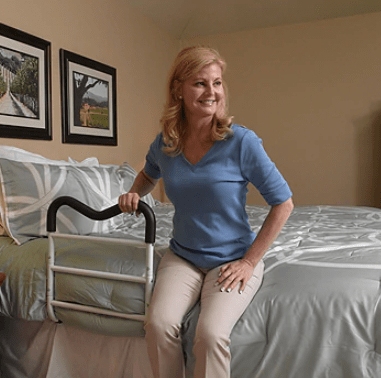
Modern bedside handrails go beyond basic support bars these days. They form a key part of wider safety setups that aid users in moving, sitting, standing, and shifting positions with greater assurance. In 2026, shoppers focus more on firmness, flexibility, hold ease, and how well the rail suits various home care or medical bed setups.
Understanding the Role of Bed Rails in Modern Safety Design
Bed rails hold a vital spot in health care and home settings. They blend safety, ease, and self-reliance. With older groups expanding around the world, items like bedside handrails have turned into core parts of lifestyle mobility devices in 2026.
The Purpose and Functionality of Bed Rails
Bed rails are designed to provide physical support, reduce the risk of falls, and make daily movement around the bed easier. They are commonly used in hospitals, care facilities, rehabilitation spaces, and home care settings where elderly users or recovering patients may need extra stability. Beyond fall prevention, bed rails also help users sit up, change positions, and get in or out of bed with more confidence. Modern designs focus on balancing safety with accessibility, so users can receive support without feeling overly restricted.
How Bedside Handrails Work to Enhance Independence
Bedside handrails let users adjust their spots or climb in and out of bed on their own. This self-reliance cuts down on helper stress by lowering the need for hands-on aid. Flexible versions fit varied builds and movement abilities, which matters a lot for folks wanting carefree mobility at home or in care spots.
What Defines a Reliable Bed Rail in 2026?
Picking a solid bed rail means checking build quality, user fit, and match to safety rules. As tech grows and global rules tighten toward 2026, grasping these points proves essential prior to buying.
Advanced Materials and Structural Integrity
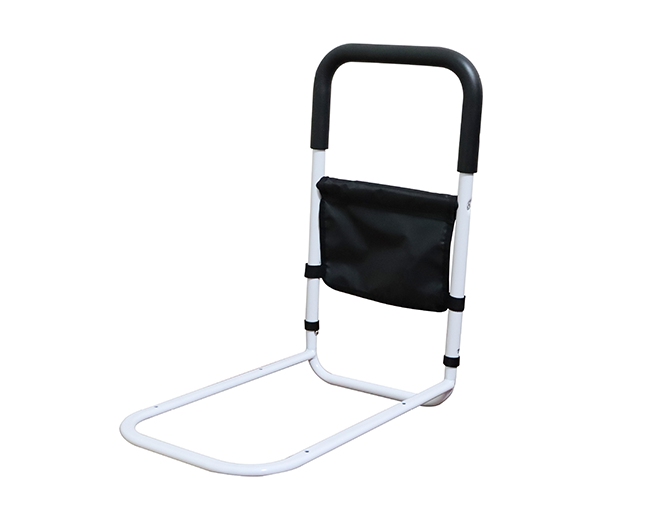
Strong metal mixes and tough plastics lead bed rail builds now, thanks to their top-notch lasting power. Carbon steel core structures with painted layers guard against rust over time, all while keeping a light yet firm feel. Take Xunyu Medical’s carbon steel bedside assist rail XY-316 model for instance, it employs a removable carbon steel structure that installs without tools like drills, perfect for clinic beds and household spots alike.
These products also fit green aims that makers push through eco methods. Facing rising world needs, Xunyu Medical intends to pour more into research and green making ways to provide better services to meet the demands of the existing market.
Ergonomic Design for User Comfort
User fit shapes the feel of today’s bedrails. Rounded borders stop accidental hurt, and cushioned holds boost ease amid shifts. Changeable height options match various bed cushion thicknesses, a must for bedside rails for adjustable bed compatibility.
Why Safety Standards Matter More Than Ever
As rules shift toward 2026, world bodies highlight stopping traps and checking mechanical strength. Buyers need to note approval info before getting any aid tool.
Fresh world rules demand makers hit exact gap safety measures to cut trap dangers between bed cushions and rail builds. Check methods to test weight handling in actual use to confirm build soundness over bed kinds.
When getting a fresh type, always look for approval tags from trusted health groups or country safety bodies. A proven match brings certainty to health-level rules, an extra-vital point for pro-care places handling many patients at once.
What Should You Consider Before Buying a Bed Rail?
Choosing the best bed rail involves more than just cost checks; it calls for knowing the fit with your space and weighing the full worth as time goes on.
When adding handrails to different room layouts or adjustable beds, functionality becomes particularly important. Gauge your bed cushion sizes with care to secure a good match without blocking shift room near the bed zone. Flexible types like the XY-429 give options via height tweaks, and tool-free setup choices fit joint areas or clinic-like arrangements.
Weighing price versus building lasting happiness. Though high-end goods might seem pricey at first, their better stuff often means stronger wear and fewer fix costs over years, a big thought for those eyeing carefree mobility fixes at home.
How Smart Technology Is Transforming Bedside Handrails
Smart technology is becoming an important part of bedside handrail design in 2026. Newer handrails are no longer limited to physical support; some models now include sensors that can detect unusual movement, slipping risks, or sudden position changes near the bed.
These smart features can send alerts to caregivers through connected apps, Bluetooth systems, or home monitoring devices. This helps family members and care staff respond faster when an elderly user or recovering patient may need assistance, especially during nighttime movement.
Beyond emergency alerts, smart bedside handrails may also support preventive care. By tracking movement habits over time, caregivers can better notice changes in mobility, balance, or transfer difficulty before accidents happen. This makes bedside safety more proactive, not just reactive.
Where Is Bed Rail Innovation Heading Beyond 2026?
Beyond 2026, bed rail innovation is likely to move toward safer, lighter, and more adaptable bedside support.
Instead of serving only as a fall-prevention barrier, modern rails may become integrated mobility aids that help users sit up, transfer, and maintain independence with less caregiver effort. Adjustable height, tool-free installation, removable frames, and stronger grip designs will remain important because buyers need rails that work with different beds, mattress thicknesses, and home care settings.
Another direction is smarter safety monitoring. Some advanced bedside rail systems may include motion sensors, night alerts, or simple connection features that help caregivers notice risky movement during sleep or transfers. At the same time, the best designs will still need to stay practical. For elderly users and rehabilitation settings, a reliable structure, comfortable handhold, stable base, and easy cleaning often matter more than complicated technology. This means future bed rail design will likely balance innovation with everyday usability.
FAQ
Q1: What materials should I look for when choosing a reliable bed rail?
A1: Go for strong carbon steel or tough plastic structures with rust-proof layers. Types like XY-429 show this level by mixing solid builds with user-fit traits such as foam holds and non-slip bases.
Q2: Are smart bedside handrails worth investing in?
A2: Yes, clever handrails with shift sensors or Bluetooth ties greatly lift user protection by issuing warnings in urgent times, perfect for current helper spots centered on stop-ahead care knowledge.
Q3: Where can I find trustworthy manufacturers of assistive bed rails?
A3: Firms like Xunyu Medical, noted for their drive toward fresh ideas and fine work, make world-known types, including XY-310 and XY-318, that serve both pro health places and home needs globally.


