

Top Walking Aids for Seniors 2026: What Should Healthcare Buyers Know
Time : Jun 10, 2026 View : 1,208

Walking aids are getting more attention in senior care, not because the product is new, but because more elderly users now need safe and simple support for daily movement. For healthcare buyers in 2026, the question is not just which walking aid looks strong. The real question is whether it fits the user, the care setting, the budget, and the long-term supply plan.
Overview of the Walking Aid Market for Seniors in 2026
The walking aid market for seniors is moving in a more practical direction. Buyers are not only looking for basic walking support. They also want products that are easier to carry, easier to adjust, and easier for seniors to use every day.
Emerging Trends in Elderly Mobility Solutions
Aging populations and increased access to medical care are driving up demand for walking devices for the elderly. Many markets have elderly consumers that favor devices that are not too heavy and hard to use. Devices that are easy to adjust, clean, store, and move between rooms are also preferred by caregivers.
Lightweight frameworks, stable bases, easily adjustable handles, and improved grip designs are being introduced increasingly. Consumers are also starting to encounter walking aid devices that feature sensors or fall detection features, especially in upscale care environments.
Market Segmentation by Product Type
Walking aids for seniors are not all the same. For an elderly patient who is simply in need of balance assistance, a cane could be used. If the individual is requiring extra stabilization, then the use of a walker or rollator would be beneficial.
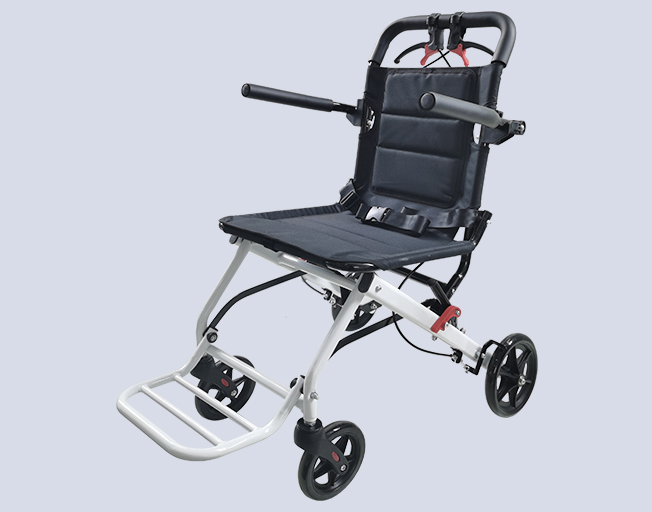
The wheelchair sector is broader. It includes manual models, electric models, lightweight designs, and special-use products. Some designs also combine several functions.
For healthcare buyers, this means product selection should start from the user group. A distributor serving home care buyers may need portable and simple models. A rehab center may need stronger walking aids and wheelchairs for daily use. A nursing home may need several types because users have different mobility levels. For buyers who need one supplier to cover different elderly mobility needs, Xunyu Medical offers practical options across walking aids, crutches, and wheelchairs.
Key Factors to Consider When Selecting Walking Aids for Seniors
Choosing walking aids for seniors is not only a price decision. If the wrong product is selected, the user may feel unsafe, move less, or use the product in the wrong way..
Assessing User Needs and Mobility Levels
We need to establish the amount of support an individual user needs. There are those that need to have support for balance, and also those who are able to walk short distances but require lots of rest in between. Then there are people that need full support of a wheelchair. In terms of medical conditions, there are a number of ailments that could affect the type of walking aid a senior needs, including arthritis, grip strength, balance problems, stroke recovery, and even problems with joints.
Ergonomic Design and Material Quality
Good walking aids should feel easy to use, not only strong on paper. Handle height, grip shape, frame weight, and balance all affect the senior user’s experience.
Nowadays, materials like aluminum and carbon fiber are used. For high-performance purposes, the main frame should consist of carbon fiber material that provides strong yet lightweight construction. In this case, user fatigue is minimized, especially for products that require frequent moving.
Another crucial factor to consider is the height of the handles. For forearm crutches or walkers, the handgrip height should be equal to the crease in your wrist with your arm outstretched. Otherwise, improper placement of the handles can lead to strain in the wrist, shoulder, or back area.
The presence of non-slip grips, stable bases, and shock absorbers is also important. Some of the models include honeycomb front and rear shock absorbing wheels that increase mobility on uneven terrain.
Compliance with Safety Standards and Certifications
Healthcare buyers should not ignore safety documents. Products used by elderly users need to meet basic safety and quality requirements. ISO and CE certifications are often checked by professional buyers, especially when products are sold through medical equipment channels.
Static stability also matters. Testing for longitudinal forward tilt, backward tilt, and roll Angle requirements helps buyers judge whether the product is suitable for larger care projects. For distributors, this step is not only about compliance. It also helps reduce returns, user complaints, and later safety problems.
Evaluating Suppliers of Walking Aids in 2026
Buyers should look at the supplier’s years of operation, main product line, customer feedback, and ability to support bulk orders. A supplier focused on elderly care products may understand these products better than a general medical device trader. Manufacturing capability should also be checked. Buyers need to know whether the supplier can keep quality consistent during repeat orders. This includes material control, inspection points, assembly checks, and traceability for key parts. In this area, Xunyu Medical is a suitable option for buyers who need a supplier focused on elderly mobility and care products.
Strategic Considerations for Healthcare Buyers and Distributors
Buying walking aids is not only about one order. For distributors and healthcare projects, the product has to work in the market after it arrives.
The buyer should think about price, service life, replacement cycles, warranty, spare parts, packaging, and user training. A low price can look attractive at first, but if the product has weak parts or frequent complaints, the final cost may be higher.
Buyers also need to consider what kind of product mix fits their market. Some markets need more basic walking aids. Some need lightweight rollators and portable wheelchairs. Some need electric models for users who travel or move around larger spaces.
Cost Efficiency Versus Long-Term Value
Initial cost is always important, especially for bulk orders. But long-term value should be checked at the same time.
Carbon fiber models usually cost more at the beginning. Still, if they are lighter, easier to use, and longer lasting, they may bring better value over time. For care facilities, fewer replacements and fewer repairs can matter more than a small price difference.
Logistics, Delivery, and After-Sales Support
Delivery and after-sales service can affect the whole project. A supplier may have good products, but if delivery is unstable, the buyer may still face stock problems.
Healthcare buyers should ask about lead time, packaging, spare parts, assembly support, and return handling. For electric models, battery parts are especially important. A Quick detachable battery box for charging anywhere can make charging easier and reduce downtime for users.
FAQ
Q1: How should a buyer adjust the height of a forearm crutch for a senior?
A1: The user should stand upright with shoulders relaxed. The height of the handgrips should be at the crease of the wrist when the arm is extended. Xunyu Medical recommends the XY-925 forearm crutch, as it features spring buttons that allow for precise and secure height adjustments.
Q2: What are the primary safety precautions when using a manual wheelchair?
A2: One must never step onto the foot pedals before entering or exiting the wheelchair, as this can lead to overturning of the equipment. It is necessary to first activate the breaks before performing the transfer, while checking the armrests and handles for their reliability.
Q3: Can electric wheelchairs be easily transported for travel?
A3: Yes, many modern models use a one-click folding car design, so they can be placed into vehicles more easily. Some units also come with a quick-release lithium battery pack, which is useful for users who travel often or need simpler charging.If you are looking for such a product, you might as well take a look at Xunyu Medical’s XY-D02L.
Q4: What maintenance is required for a rollator or knee assist bike?
A4: The outer part of the wheelchair should be wiped with a soft damp cloth from time to time. No harsh chemicals should be used. Users or caregivers need to examine the chair’s loose, worn, and moving components, which can then be lubricated accordingly.


