

أفضل أجهزة التنقل لكبار السن 2026: ما الذي يجب على المشترين تقييمه
التاريخ: 9 يوليو 2026 المشاهدات : 474
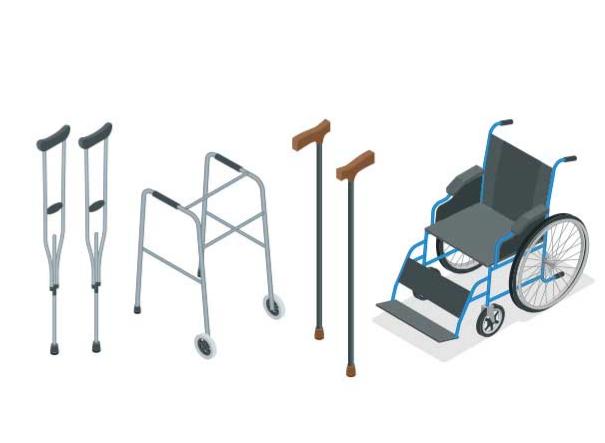
في عام 2026، سيشهد عدد كبار السن نموًا سريعًا. هذا النمو يتيح فرصًا عديدة للمشترين لاستيراد معدات طبية متخصصة. يواجه المشترون المحترفون والموزعون ومقاولو الهندسة تحديات كبيرة في هذا السوق المتغير. تتطلب إدارة المشاريع والطلبات الكبيرة معرفة دقيقة باحتياجات المستخدمين، وفحوصات دقيقة لسلسلة التوريد، وتخطيطًا ذكيًا للتكاليف.
لماذا يتطور الطلب على خدمات التنقل لكبار السن لدى مشتري الشركات في عام 2026
تزايد أعداد كبار السن واتجاهات الرعاية المنزلية تدفع نحو احتياجات مجزأة
تتسارع التحولات الديموغرافية في جميع أنحاء العالم. الطلب على أدوات التنقل تزداد الخيارات تنوعاً. يلاحظ المشترون تحولاً من المنتجات القياسية إلى خيارات تناسب مستويات مختلفة من فقدان الحركة. يحتاج بعض كبار السن إلى معدات ثابتة لحالاتهم الصحية المزمنة، بينما يفضل آخرون تصاميم خفيفة الوزن وذات مظهر أنيق تتناسب مع مساحات منازلهم.
يجب على الموزعين توفير المزيد من أنواع المخزون. فالعائلات الحديثة ترغب في معدات تدعم كرامة واستقلالية كبار السن من أفرادها.
التحديات الرئيسية في مجال المشتريات: من سيناريوهات المستخدم إلى الخدمات اللوجستية بالجملة
إن شراء أجهزة التنقل بكميات كبيرة لا يقتصر على اختيار طراز واحد. يجب على المشترين دراسة أماكن استخدام هذه الأجهزة. يقوم المقاولون في دور رعاية المسنين بفحص عرض الأبواب وأنواع الأرضيات. ويفكر تجار التجزئة في مدى سهولة تجميع المنتجات.
تتغير تكاليف الشحن باستمرار، لذا تؤثر تصاميم الطي وأحجام العبوات على التكاليف النهائية. ويسعى المشترون إلى تحقيق التوازن بين جودة التصنيع العالية والتغليف المدمج الذي يسمح بوضع عدد أكبر من الوحدات في كل حاوية.
الفئات الرئيسية لأجهزة التنقل التي ينبغي على المشترين مقارنتها
تحتاج فرق المشتريات إلى مقارنة المواصفات عبر ثلاث مجموعات منتجات رئيسية تقود مجال التنقل لكبار السن.
الكراسي المتحركة – تحقيق التوازن بين سهولة النقل والثبات والاستخدام اليومي
الكراسي المتحركة لا تزال الكراسي المتحركة هي المنتج الأساسي في معظم خطط شراء وسائل المساعدة على الحركة. وعادةً لا ينظر المشترون إلى مواصفات واحدة فقط؛ بل يقسمون الطلب إلى كراسي متحركة يدوية، ونماذج قابلة للطي خفيفة الوزن، ونماذج كهربائية، وذلك حسب قناة التوزيع وحالة المستخدم النهائي.
يفضل استخدام الكراسي المتحركة اليدوية شديدة التحمل ذات الإطارات الأقوى والتحكم الأفضل في الصدمات، وخاصة للاستخدام المؤسسي طويل الأمد حيث تحتاج المعدات إلى تحمل النقل اليومي والتنظيف والتعامل المتكرر.
تحظى الكراسي المتحركة القابلة للطي خفيفة الوزن بشعبية أكبر لسهولة تخزينها وشحنها وحتى حملها أثناء السفر. يناسب هذا النوع مستخدمي الرعاية المنزلية الذين يحتاجون إلى دعم أساسي للحركة، مع مراعاة المساحة وسهولة النقل.
تُوفر شركة Xunyu Medical كراسي متحركة تتضمن أنواعًا محمولة مصنوعة من الألومنيوم وأخرى ماصة للصدمات، لتلبية الاحتياجات الطبية والسفرية على حد سواء. تتميز هذه الكراسي بإطارات متينة ومقاعد مريحة لتجنب تقرحات الفراش أثناء الاستخدام المطول.
أدوات مساعدة على المشي – مشاية بعجلات، مشاية لتحقيق الثبات في الأماكن المغلقة والمفتوحة
مساعدات المشي مساعدة كبار السن الذين لا يزال بإمكانهم تحمل بعض الوزن ولكنهم بحاجة إلى مساعدة في الحفاظ على توازنهم.
تُركز المشايات ذات العجلتين أو المشايات الأساسية على الثبات داخل المباني، وغالبًا ما تُستخدم في الأماكن الضيقة مثل ممرات المستشفيات أو المنازل حيث تكون مساحة الحركة محدودة. أما المشايات ذات الأربع عجلات، فهي مصممة للتنقل في الهواء الطلق. وتتيح إضافة العجلات وأنظمة الفرامل، وأحيانًا دعامات الجلوس، للمستخدمين التوقف مؤقتًا أثناء المشي لمسافات طويلة، وهو أمر شائع في برامج رعاية المسنين المجتمعية.
في خطوط الإنتاج الفعلية، مثل تلك التي تقدمها شركة Xunyu Medical ضمن مجموعة أدوات المشي المساعدة، تُستخدم هياكل مختلفة لتناسب هذه الحالات. على سبيل المثال، تُستخدم المشايات ذات الإطار الألومنيومي خفيف الوزن عادةً لدعم الحركة اليومية، بينما تُستخدم المشايات المصممة للركبة في حالات التعافي الأكثر تحديدًا حيث يلزم دعم الأطراف السفلية بعد الإصابة أو الجراحة. تُظهر هذه الأمثلة أن هذه الفئة ليست منتجًا واحدًا، بل نظامًا منظمًا مبنيًا على مستويات حركة مختلفة وظروف مستخدمين متنوعة.
العكازات والعصي – خيارات خفيفة الوزن وقابلة للتعديل لإعادة التأهيل والدعم
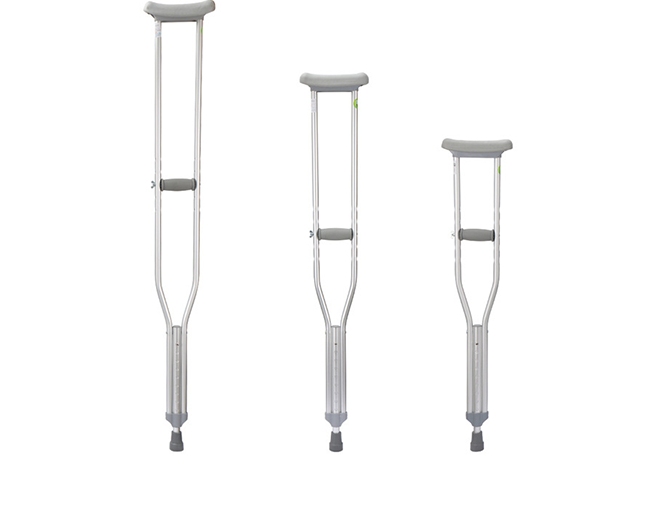
العكازات والعصي تشكل واحدة من أكثر الفئات التي يتم شراؤها في مجال مساعدات الحركة، وخاصة في حالات الخروج من المستشفى وإعادة التأهيل على المدى القصير.
في اتجاهات الشراء الحديثة، يتجه المشترون نحو استخدام مواد أخف وزنًا مثل سبائك الألومنيوم وهياكل ألياف الكربون المركبة. والسبب الرئيسي بسيط: تقليل إجهاد المستخدم أثناء الحركة اليومية. كما أصبحت أنظمة الارتفاع القابلة للتعديل معيارًا أساسيًا، حيث تحتاج المستشفيات وبرامج التأجير إلى معدات تناسب مختلف المستخدمين دون الحاجة إلى تعديلات إضافية.
تُركز فئة منتجات العكازات من شركة Xunyu Medical على تلبية احتياجات دعم الحركة الأساسية في المستشفيات ومراكز إعادة التأهيل والرعاية المنزلية. وتشمل هذه الفئة أنواعًا هيكلية مختلفة، مثل العكازات تحت الإبط والعصي، مع خيارات مصنوعة من سبائك الألومنيوم خفيفة الوزن، مصممة للاستخدام اليومي في إعادة التأهيل.
ما هي المتطلبات الفعلية لمختلف مجموعات المستخدمين ذوي الخبرة في المشاريع؟
يعتمد نجاح المشروع على مطابقة المعدات مع مرحلة تعافي كل شخص مسن أو حياته اليومية.
مستخدمو خدمات إعادة التأهيل قصيرة الأجل وخدمات الخروج من المستشفى
تحتاج هذه الفئة إلى معدات لفترة قصيرة بعد الجراحة أو الإصابة. ويركز مقدمو الخدمات على الكراسي المتحركة اليدوية أو المشايات القياسية، ذات الأسعار المعقولة والمتينة وسهلة التنظيف. وتعتمد أساطيل التأجير ومجموعات أدوات الخروج من المستشفى على آليات بسيطة تتحمل التنظيف المتكرر.
احتياجات الرعاية المنزلية اليومية واستقلالية كبار السن
يحتاج كبار السن في منازلهم إلى أدوات مثل العصي التي تساعدهم في أداء مهامهم اليومية. وتُعدّ التصاميم المدمجة مثالية للممرات الضيقة والحمامات. ويفضل المشترون المنتجات التي يمكن تعديل ارتفاعها بسهولة دون الحاجة إلى أدوات، حتى يتمكن أفراد الأسرة من ضبطها دون مساعدة إضافية.
متطلبات التنقل في الأماكن المفتوحة والمجتمعية
يحتاج كبار السن النشطون إلى معدات مناسبة للمشي في ممرات الحدائق وأرضيات مراكز التسوق. توفر العجلات الكبيرة في المشايات والكراسي المتحركة ثباتًا أفضل في الهواء الطلق. غالبًا ما تتطلب المشاريع المجتمعية مواد مقاومة للأشعة فوق البنفسجية وأقمشة مقاومة للماء تتحمل تقلبات الطقس.
اعتبارات كفاءة مقدمي الرعاية والمرافق
تُعدّ احتياجات الموظفين بنفس أهمية احتياجات المقيمين في مرافق الرعاية. فالمعدات القابلة للطي والتكديس بسهولة تُقلّل الجهد البدني المبذول من قِبل مقدمي الرعاية. وغالبًا ما تسعى طلبات المرافق الكبيرة إلى الحصول على قطع غيار مشتركة بين مختلف الطرازات لتسهيل عمليات الإصلاح وتوفير قطع الغيار.
معايير تقييم المشتريات للطلبات بالجملة
يجب على الموردين في العقود الكبيرة الالتزام بمواصفات تفصيلية تحمي القيمة والسلامة على المدى الطويل.
-
المادة، والوزن، وحجم الطي، وكفاءة التعبئة والتغليف: الألومنيوم يمنح قوة جيدة دون زيادة في الوزن. حجم الطي هو العامل الأهم في تحديد تكاليف الشحن في الشحنات الكبيرة.
-
ميزات المتانة: العجلات، الفرامل، الوسائد، سعة التحميل: توفر الوسائد الهلامية راحةً أكبر للمستخدم. وتغني الإطارات المصنوعة من البولي يوريثان الصلب عن الحاجة إلى صيانة الهواء. يجب أن تتجاوز قدرة التحمل 100 كجم لتناسب مختلف المستخدمين.
-
النماذج الكهربائية – عوامل البطارية والمحرك والصيانة: تُعتبر بطاريات الليثيوم أيون الآن المعيار الأمثل للطاقة والعمر الافتراضي. ويتحقق المشترون من أداء المحرك عند المنحدرات وموثوقية نظام الفرامل.
-
قطع الغيار، والضمان، ودعم ما بعد البيع على المدى الطويل: تظهر قيمة المورد بعد التسليم. يجب أن تشمل الصفقات بالجملة كابلات فرامل إضافية، وأطراف فرامل، ووسادات فرامل لإجراء إصلاحات سريعة.
نصائح لاختيار الموردين للمشترين وقادة المشاريع
إن اختيار الشريك المناسب ينهي عملية شراء أجهزة التنقل لكبار السن.
التغطية الشاملة مقابل موردي الفئة الواحدة
يتيح التعامل مع شركة واحدة متكاملة المنتجات الشراء من مصدر واحد، مما يقلل من خطوات اللوجستيات ويحافظ على اتساق المظهر والجودة. Xunyu الطبية توفر الشركة العديد من أجهزة التنقل من خط إنتاج واحد، مما يتيح للمشترين الحصول على الكراسي المتحركة، وأجهزة المشي المساعدة، والعكازات معًا. هذا النهج يقلل من عبء إدارة الموردين ويحافظ على جودة ثابتة.
مرونة الحد الأدنى لكمية الطلب، وإمكانية تقديم طلبات مختلطة، وقدرات تصنيع المعدات الأصلية/تصميم المعدات الأصلية
تُعدّ الطلبات المختلطة مفيدة في ظل تقلبات السوق. يرغب المشترون في موردين يجمعون بين نماذج مختلفة لتلبية الحد الأدنى من الكميات. كما يحتاج أصحاب العلامات التجارية إلى موردين أقوياء. تصنيع المعدات الأصلية وتصميمها دعم لتغيير الألوان، وإضافة الشعارات، أو تعديل الأحجام وفقًا للمعايير المحلية.
اتساق الدفعات، والتخصيص، والامتثال الإقليمي
يُعدّ ثبات الإنتاج بين الدفعات أمراً بالغ الأهمية للمشاريع الكبيرة التي تتطلب أداءً متماثلاً للوحدات. ويتحقق المشترون من حصول الموردين على شهادات CE أو FDA أو ISO 13485 لأسواق آسيا والمحيط الهادئ وجنوب شرق آسيا.
هياكل التكاليف: الشحن والتخزين وتكلفة الملكية الإجمالية
لا يعني انخفاض سعر الوحدة بالضرورة انخفاض التكلفة الإجمالية. يحسب المشترون تكلفة الملكية الكاملة التي تشمل السعر والشحن والتخزين ومعدلات الأعطال المتوقعة. تساهم أجهزة التنقل عالية الأداء في تقليل مطالبات الضمان وإطالة دورات الاستبدال، مما يحمي هوامش ربح الموزعين وميزانيات المشاريع.
أسئلة متكررة
س1: ما هو الحد الأدنى النموذجي لكمية الطلب للأجهزة المحمولة المخصصة؟
ج1: يحدد معظم المصنّعين الحد الأدنى لكمية الطلب للنماذج القياسية بحاوية واحدة سعة 20 قدمًا. أما طلبات تصنيع المعدات الأصلية (OEM) المخصصة، فتتراوح عادةً بين 100 و500 وحدة بناءً على مدى تعقيد التغيير. تدعم شركة Xunyu Medical الطلبات المختلطة المرنة التي تساعد الموزعين على التحكم في مخاطر المخزون المبكر. إذا كانت لديكم أي استفسارات، فلا تترددوا في التواصل معنا. اتصل بمركز شونيو الطبي.
س2: كيف نضمن متانة الكراسي المتحركة في بيئات المستشفيات ذات الحركة المرورية العالية؟
أ2: حدد دعامات متقاطعة معززة، وإطارات متينة من الفولاذ أو الألومنيوم عالي الجودة، وإطارات صلبة من البولي يوريثان. اطلب تقارير اختبارات التحميل والدوران للأجزاء القابلة للطي للتأكد من استخدامها المهني اليومي.
س3: ما هي متطلبات صيانة أجهزة التنقل الكهربائية؟
ج٣: تركز العناية على شحن البطارية بانتظام لتجنب التفريغ العميق، وفحص فرشاة المحرك عند الحاجة، والحفاظ على وحدة التحكم جافة. يجب على الموردين توفير كتيبات واضحة لإجراء الفحوصات الروتينية من قبل موظفي المنشأة.


