

Ist Ihre Badewannenstuhllösung auf Projekte zur Berücksichtigung von Mobilitätseinschränkungen abgestimmt?
Zeitpunkt: 7. Juli 2026 Ansicht : 455

Bei vielen Projekten zur Beeinträchtigung der Mobilität ist ein Badestuhl ist kein unbedeutendes Zusatzfeature. Es entscheidet darüber, ob ein älterer Nutzer, ein Patient nach einer Operation oder ein Bewohner mit hohem Pflegebedarf mit geringerem Risiko und weniger Belastung für die Pflegekräfte baden kann.
Steigende Nachfrage nach Badewannenstühlen in Projekten für Menschen mit Mobilitätseinschränkungen und in der Altenpflege
Immer mehr ältere Menschen werden zu Hause betreut oder von der häuslichen Pflege in Rehabilitations- und Pflegeeinrichtungen verlegt. Das Badezimmer gehört dabei zu den Bereichen, in denen Sicherheitsrisiken besonders häufig auftreten. Der Boden ist rutschig, die Person ist müde und hat wenig Bewegungsfreiheit.
Ein Badezimmer ist für Menschen mit schwachen Beinen oder Gleichgewichtsstörungen nicht geeignet. Man muss sitzen, stehen, sich drehen, nach etwas greifen und manchmal über eine Schwelle steigen. Selbst eine kurze Dusche kann schwierig werden, wenn man nicht lange stehen kann.
Ein guter Badestuhl bietet einen festen Sitzplatz. Er ermöglicht Pflegekräften zudem mehr Kontrolle beim Waschen, Umsetzen und Abtrocknen. Für Pflegeeinrichtungen trägt dies zur Entlastung des täglichen Pflegeaufwands bei. Auch für Händler verringert es das Risiko von Reklamationen über instabile oder ungeeignete Produkte.
Die wichtigsten Arten von Badewannenstühlen auf dem Markt im Jahr 2026
Einfache medizinische Duschhocker
Einfache Duschhocker eignen sich für Benutzer, die sich noch recht gut bewegen können, aber einen stabilen Sitzplatz benötigen. Sie werden häufig für die häusliche Pflege, die ambulante Rehabilitation oder kleine Badezimmer gewählt.
Badewannenhocker von Xunyu Medical XY798L-02 Dieser Hocker erfüllt diese Anforderungen. Er verfügt über einen leichten Aluminiumrahmen, eine Sitzfläche aus PE, eine rutschfeste, strukturierte Oberfläche, Ablauflöcher und ist 5-fach höhenverstellbar. Für Käufer, die einen praktischen Badhocker für ältere Menschen benötigen, ist dieses Modell leicht zu bedienen und in verschiedenen Badezimmern einfach zu platzieren.
Badewannenstühle mit Rücken- und Armlehnen
Manche ältere Nutzer benötigen mehr als einen Hocker. Sie brauchen Rückenstütze, Seitenstütze und Armlehnen für ein sichereres Sitzen und Aufstehen. Der XY-798L ist ein gutes Beispiel für diese Gruppe. Es verfügt über einen Rahmen aus Aluminiumlegierung, eine dicke Sitzfläche aus Polyethylen (PE), ein weiches ETA-Kissen, sechs Höhenstufen, rutschfeste Gummifüße und Schrauben aus Edelstahl 304. Dank der Armlehnen und der Rückenlehne eignet es sich besser für ein langsames Baden oder das Baden mit Unterstützung durch eine Pflegekraft.
Toilettensitz-Badezimmerstühle
Für Nutzer mit Inkontinenz, Beinschwäche oder dringendem Toilettenbedarf ist ein normaler Duschstuhl möglicherweise nicht ausreichend. Ein Duschstuhl mit Toilettensitz kann die Transfers zwischen Bett, Toilette und Badezimmer reduzieren.
Duschstuhl mit Toilettensitz von Xunyu Medical XY-894 Dieses Modell ist speziell für diesen Einsatzzweck konzipiert. Es verfügt über einen seitlich klappbaren, verchromten Stahlrahmen, einen blasgeformten Sitz, eine 5-stufige Höhenverstellung, eine Rückenlehne und Armlehnen. Für Pflegeheime und Anbieter von ambulanten Pflegeprodukten bietet dieses Modell eine Lösung für Nutzer, die Unterstützung beim Baden und Toilettengang benötigen.
Klappbare Aluminium-Badestühle
Faltbare Designs sind besonders bei beengten Platzverhältnissen von Vorteil. Viele Badezimmer sind klein, und auch für Händler sind Lagerung und Transport wichtig. Ein faltbarer Badewannenstuhl kann Pflegeeinrichtungen bei der Organisation von Raumwechseln und dem Austausch von Geräten unterstützen.
Beim Vergleich verschiedener Modelle sollten Käufer darauf achten, ob die Klappfunktion die Stabilität beeinträchtigt. Ein Stuhl, der sich zwar leicht zusammenklappen lässt, aber während der Benutzung wackelt, verursacht mehr Probleme, als er löst.
Wie unterschiedliche Nutzer unterschiedliche Funktionen von Badewannenstühlen benötigen
Nutzer mit leichten Mobilitätseinschränkungen
Manche Nutzer benötigen lediglich einen Sitz, da sie nicht die gesamte Duschzeit im Stehen verbringen können. Für diese Gruppe reicht in der Regel ein einfacher Hocker mit rutschfesten Füßen, Abflusslöchern und Höhenverstellung aus. Wichtig ist, nicht zu viele Anforderungen zu stellen. Ein schwerer, medizinisch anmutender Stuhl ist für Nutzer mit leichten Beschwerden möglicherweise nicht erforderlich. Ein leichteres Aluminiummodell eignet sich besser für die häusliche Pflege und den Einzelhandel.
Ältere Nutzer, die Rückenstütze und Unterstützung beim Baden benötigen
Ältere Menschen mit Gleichgewichtsstörungen, schwacher Rumpfmuskulatur oder Rutschangst benötigen oft Rücken- und Armlehnen. Diese Elemente helfen dem Nutzer, stabiler zu sitzen, und ermöglichen Pflegekräften eine bessere Kontrolle beim Baden.
Modelle wie XY-798L oder XY785L eignen sich hierfür besser. Der XY785L verfügt über eine rutschfeste Sitzfläche und Rückenlehne, effiziente Wasserablauflöcher und einen stabilen Rahmen. Seine konturierte Rückenlehne unterstützt die Sitzhaltung besser als ein flacher Hocker.
Patienten nach Operationen oder in der Rehabilitation, die eine verstellbare Sitzposition benötigen
Patienten nach einer Operation erholen sich zwar oft schnell, ihre Bedürfnisse verändern sich jedoch im Laufe des Prozesses. In der ersten Phase benötigen sie möglicherweise einen höheren Stuhl und mehr Unterstützung. Später kann ein leichteres Modell ausreichen.
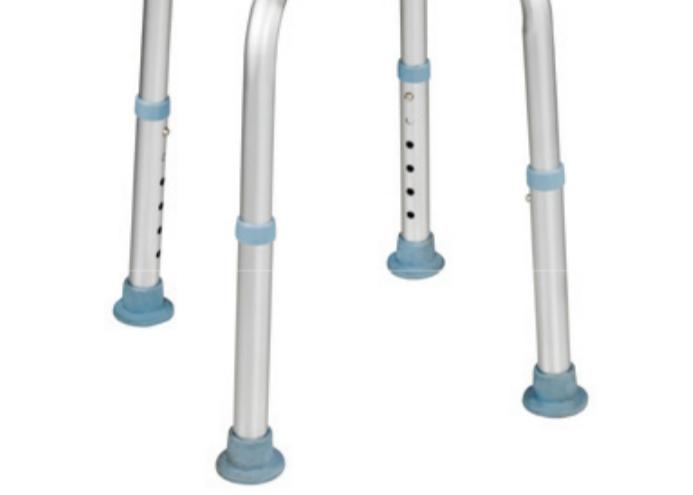
Deshalb ist die Höhenverstellbarkeit wichtig. Käufer sollten auf Modelle mit klar definierten Höheneinstellungen, einfacher Arretierung und stabilen Füßen achten. Stehen die Füße des Benutzers nicht flach auf dem Boden, ist die Sicherheit beim Transfer beeinträchtigt.
Patienten mit Inkontinenz, die eine integrierte Toilettensitzfunktion benötigen
Nutzer mit Inkontinenz oder hohem Pflegebedarf benötigen oft weniger, nicht mehr Transfers. Das Umsetzen vom Bett zur Toilette, dann von der Toilette zur Dusche und wieder zurück kann die Belastung der Pflegeperson erhöhen und das Sturzrisiko steigern.
Ein Toilettensitz-Badestuhl wie Xunyu MedizinischeDer XY-894 von [Markenname] kann in dieser Situation hilfreich sein. Er vereint Sitzen, Toilettengang und Badezimmerpflege in einer einzigen Produktgruppe. Für Händler kann dieses Modell eine andere Käufergruppe als herkömmliche Duschhocker ansprechen.
Beschaffungsüberlegungen für Badstuhlprojekte
Rahmenmaterial, Korrosionsbeständigkeit und Feuchtigkeitsanpassungsfähigkeit: In Badezimmern in Malaysia, Singapur und anderen südostasiatischen Ländern herrscht ein hohes Feuchtigkeitsniveau. Aluminiumlegierungen, beschichteter Stahl, Edelstahlschrauben und korrosionsbeständige Oberflächen sollten vor Großbestellungen geprüft werden.
Belastbarkeit, Sitzkonstruktion und Stabilität der Sicherheitsstruktur: Käufer sollten die Belastbarkeit, die Rahmenbreite, den Beinwinkel, die Stabilität der Sitzfläche und die Stabilität des Stuhls bei Gewichtsverlagerung prüfen. Wasserablauflöcher und strukturierte Oberflächen sind ebenfalls wichtig, da Wasser und Seife die Reibung schnell verringern.
Für ältere Menschen kann ein stabiler Stuhl den Unterschied zwischen einem sicheren Bad und der Angst vor dem Hinsetzen ausmachen.
Faltbares Design, geringer Stauraum und effiziente Transportierbarkeit: Für Händler kann das Klappdesign den Lageraufwand reduzieren. Institutionen profitieren davon, da das Personal die Stühle leichter verstauen kann, wenn Räume gereinigt oder umgestaltet werden. Käufer sollten jedoch prüfen, ob die Klappkonstruktion nach mehrmaligem Gebrauch einwandfrei einrastet.
Rutschfeste Füße, Entwässerungssystem und Kompatibilität mit Badezimmerumgebungen: Rutschfeste Füße sorgen für sicheren Halt auf nassen Fliesen. Abflusslöcher lassen Wasser schnell ablaufen. Diese Details mögen klein erscheinen, beeinflussen aber den täglichen Gebrauch stärker als die Optik.
OEM/ODM-Anpassungs- und Verpackungsanforderungen für B2B-Käufer: Für Projekte im Einzelhandel und Vertrieb benötigen Käufer möglicherweise individuelle Kartons, Etiketten, Anleitungen, Farboptionen oder gemischte Modellbestellungen. Dies sollte frühzeitig besprochen werden, insbesondere wenn die Bestellung mehrere Arten von Badewannenstühlen umfasst.
Lieferantenbewertungsstrategie für Einkäufer in Südostasien
Das Produktsortiment umfasst Hocker, Stühle und Toilettensitze: Ein zuverlässiger Lieferant sollte mehr als nur einen Typ von Badestühlen anbieten. Das Sortiment von Xunyu Medical umfasst Hocker, Badehilfestühle und Toilettensitze. Darüber hinaus bietet das breite Produktsortiment auch Rollstühle, Krücken, Gehhilfen, Duschstühle und Toilettenarmlehnen an, wodurch Käufer ein umfassenderes Angebot an Pflegeprodukten für Senioren zusammenstellen können.
Gleichbleibende Produktionsqualität über alle Chargen hinweg: Für Geschäftskunden reicht das erste Muster nicht aus. Folgebestellungen müssen die gleiche Rahmenqualität, Sitzqualität, Lochausrichtung und den gleichen Verpackungsstandard aufweisen.
Verfügbarkeit von Ersatzteilen und langfristiger Wartungsunterstützung: Gummifüße, Schrauben, Polster und Verstellstifte sind gängige Teile, die möglicherweise ersetzt werden müssen. Käufer sollten nachfragen, ob diese Teile später nachgeliefert werden können.
Flexibilität bei Mindestbestellmengen und Beschaffungsfähigkeit für gemischte Modelle: Viele Käufer in Südostasien möchten nicht mit einer einzigen großen Bestellung eines einzelnen Modells beginnen. Die Beschaffung verschiedener Modelle kann helfen, die Marktnachfrage vor einer Ausweitung zu testen.
FAQ (häufig gestellte Fragen)
Frage 1: Welche Parameter sollten Käufer vor der Bestellung von Badewannenstühlen in großen Mengen überprüfen?
A1: Der Verbraucher muss das Rahmenmaterial, die maximale Belastbarkeit, die Sitzgröße, den Höhenverstellbereich, den Wasserablauf, die rutschfesten Füße, die Abmessungen im zusammengeklappten Zustand, die Verpackungsspezifikationen und die Informationen zu Ersatzteilen überprüfen. Käufer aus Südostasien müssen zudem die Korrosionsbeständigkeit und die Eignung für die Verwendung in Badezimmern prüfen.
Frage 2: Können Badewannenstühle für Händler oder Projekte im Bereich der Altenpflege individuell angepasst werden?
A2: Ja. Käufer können bei Xunyu Medical Verpackungen, Etiketten, Farboptionen, Handbücher oder gemischte Modellkombinationen anfragen. Mindestbestellmenge und Anpassungsdetails Die genauen Spezifikationen sollten direkt beim Lieferanten bestätigt werden, da sie je nach Modell, Bestellmenge und Markenanforderungen variieren können.
Frage 3: Welche Wartungs- und Kundendienstaspekte sollten Pflegeeinrichtungen berücksichtigen?
A3: Der Badestuhl muss sauber gehalten, möglichst trocken gehalten und regelmäßig auf lose Schrauben, abgenutzte Gummifüße, instabile Verbindungen oder beschädigte Sitzteile überprüft werden. Organisationen, die Badestühle anschaffen möchten, sollten Ersatzgummifüße, Schrauben und Kissen vorrätig halten.


