

Wie kann eine gestaffelte Produktlinie für Mobilitätslösungen den unterschiedlichen Bedürfnissen der Käufer gerecht werden?
Zeitpunkt: 4. August 2026 Ansicht : 495
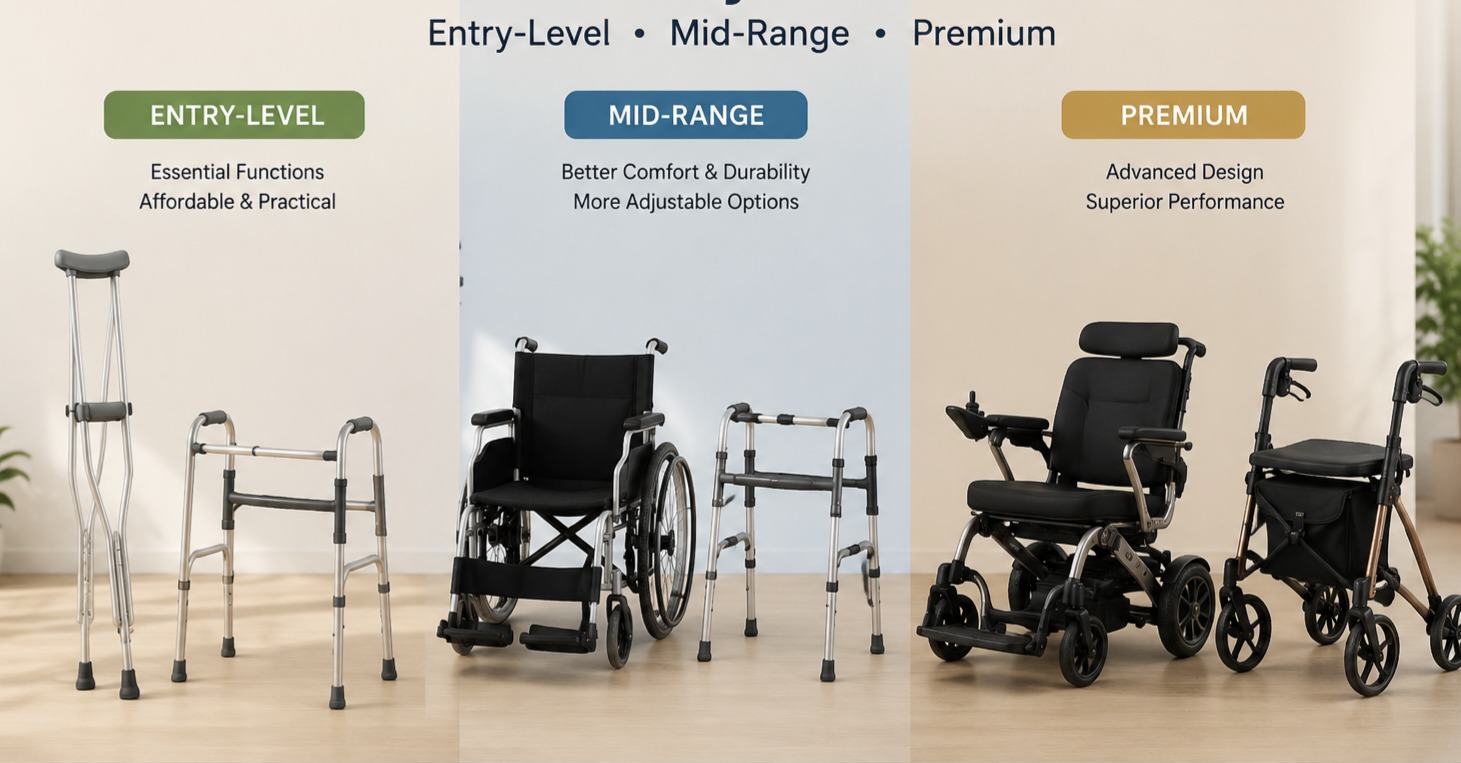
Ein Premium-Rollstuhl mag im Ausstellungsraum attraktiv wirken, sprengt aber oft das Budget einer durchschnittlichen Familie. Ein günstiges Hilfsmittel verkauft sich zwar schnell, lässt aber kaum Spielraum für Gewinnspannen oder Folgegeschäfte. Das Problem ist nicht allein der Preis. Unterschiedliche Käufer erwarten unterschiedliche Ansprüche an Komfort, Einstellbarkeit, Langlebigkeit, Service und Design. Ein gestaffeltes Produktsortiment bietet jedem Kunden einen sinnvollen Einstieg und ermöglicht dem Händler gleichzeitig, mit einer übersichtlicheren Lagerplanung mehr Vertriebskanäle zu bedienen.
Was sollte eine Einstiegsproduktlinie im Bereich Mobilität bieten?
Einsteigerprodukte sollten die erste Kaufbarriere – Kosten und Unsicherheit – beseitigen. Die Hauptfunktionen müssen selbsterklärend sein, die Montage sollte ohne Spezialwerkzeug erfolgen und gängige Ersatzteile leicht zu finden sein. Diese Produktkategorie eignet sich für Familien, Einzelhändler, Apotheken und Käufer, die eine neue Mobilitätskategorie testen.
Bei Gehhilfen bedeutet das in der Regel eine zuverlässige Höhenverstellung, einen komfortablen Griff, stabile Gummifüße und einen leichtgängigen Rahmen. Die Krücke XY-925 von Xunyu Medical ist ein gutes Beispiel für die zu prüfenden Details. Ihr Aluminiumbein, der ergonomische Handgriff, die Gummifüße und die Federknopfverstellung sprechen für sich, während die gleichmäßige Höhenverstellung und die einwandfreie Funktion der Knöpfe weiterhin wichtige Kriterien darstellen.
Ein fokussierter Satz von verstellbare Achselkrückenoptionen kann einem Händler dabei helfen, grundlegende Gehhilfen anzubieten, ohne ein kleines Geschäft mit zu vielen ähnlichen Modellen zu füllen.
Einsteigerrollstühle sollten praktisch und nicht überladen sein. Käufer sollten Faltmaß, Sitzbreite, einfache Bremsen, Fußstützenanordnung, zulässige Belastung und Hebegewicht vergleichen. Bei einem Badewannenrollstuhl sind für Familien oft gleich hohe Beine, fest sitzende Schrauben, rutschfeste Füße und einfache Reinigung wichtiger als ein Drehmechanismus oder eine dickere Polsterung.
Wie eine Produktlinie im mittleren Preissegment Rehabilitationszentren und Krankenhäuser bedienen kann
Produkte der mittleren Preisklasse werden für den regelmäßigen Einsatz und anspruchsvollere Arbeitsabläufe angeschafft. Rehabilitationszentren benötigen Hilfsmittel, die sich an verschiedene Nutzer anpassen lassen, während Krankenhäuser Rollstühle und Transferprodukte benötigen, die vom Personal wiederholt bewegt, gereinigt und überprüft werden können. Der Käufer bezahlt für weniger Ausfallzeiten, nicht nur für mehr Funktionen.
Ein manueller Rollstuhl dieser Kategorie kann über einen hochfesten, geschweißten Aluminiumlegierungsrahmen, eine klappbare Rückenlehne, hochklappbare Armlehnen, abnehmbare Fußstützen und selbstblockierende oder Doppelbremsen verfügen. Diese Teile erleichtern den Transfer vom Bett in den Rollstuhl und den Transport, schaffen aber auch mehr Inspektionspunkte. Konfigurationen von Familienpflegerollstühlen kann verwendet werden, um Sitzbreite, Rahmenkonfiguration, Radsatz, Bremsentyp, Tragfähigkeit und Ersatzteile zu vergleichen.
Eine Gehhilfe der mittleren Preisklasse sollte auch wiederholten Verstellungen standhalten. Ein faltbarer Rollator benötigt stabile Gelenke, präzise eingestellte Höhenverstellknöpfe, sichere Schrauben und Räder, die nach dem Öffnen und Schließen nicht wackeln. Im Rehabilitationsbereich kann die Zeitersparnis durch eine wiederholbare Höhenverstellung wichtiger sein als ein geringfügiger Preisunterschied.
Badewannenstühle und Bettgitter können diese Stufe vervollständigen, wenn ein Projekt das Baden und den Transfer vom Bett aus umfasst. Auswahl an Sicherheitsvorkehrungen im Badezimmer Dies ist insbesondere dann relevant, wenn die Mitarbeiter gut sichtbare Höheneinstellungen, stabile Fußstützen und Teile benötigen, die eine regelmäßige Reinigung vertragen.
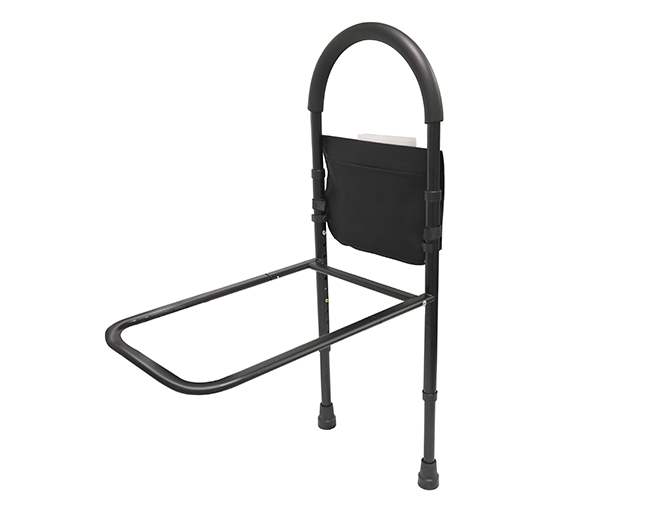
Ein verstellbares Nachttischgitter verdeutlicht ein weiteres wichtiges Kriterium: Es sollte gut sichtbare Höheneinstellungen, stabile, rutschfeste Füße und eine Ablagefläche oder Zubehörhalterung bieten, die vom Personal schnell überprüft werden kann. Käufer sollten das Gitter neben den im Projekt verwendeten Betten testen, da ein Produkt, das bei einer Rahmengröße passt, möglicherweise nicht für eine andere geeignet ist.
Was eine Premium-Mobilitätsproduktlinie hinzufügen sollte
Premiumprodukte müssen einen Grund für ihren höheren Preis haben. Der Unterschied sollte sich im Komfort, der Transportfreundlichkeit, dem Kundensupport, den Konfigurationsmöglichkeiten und dem Servicepaket des Produkts bemerkbar machen.
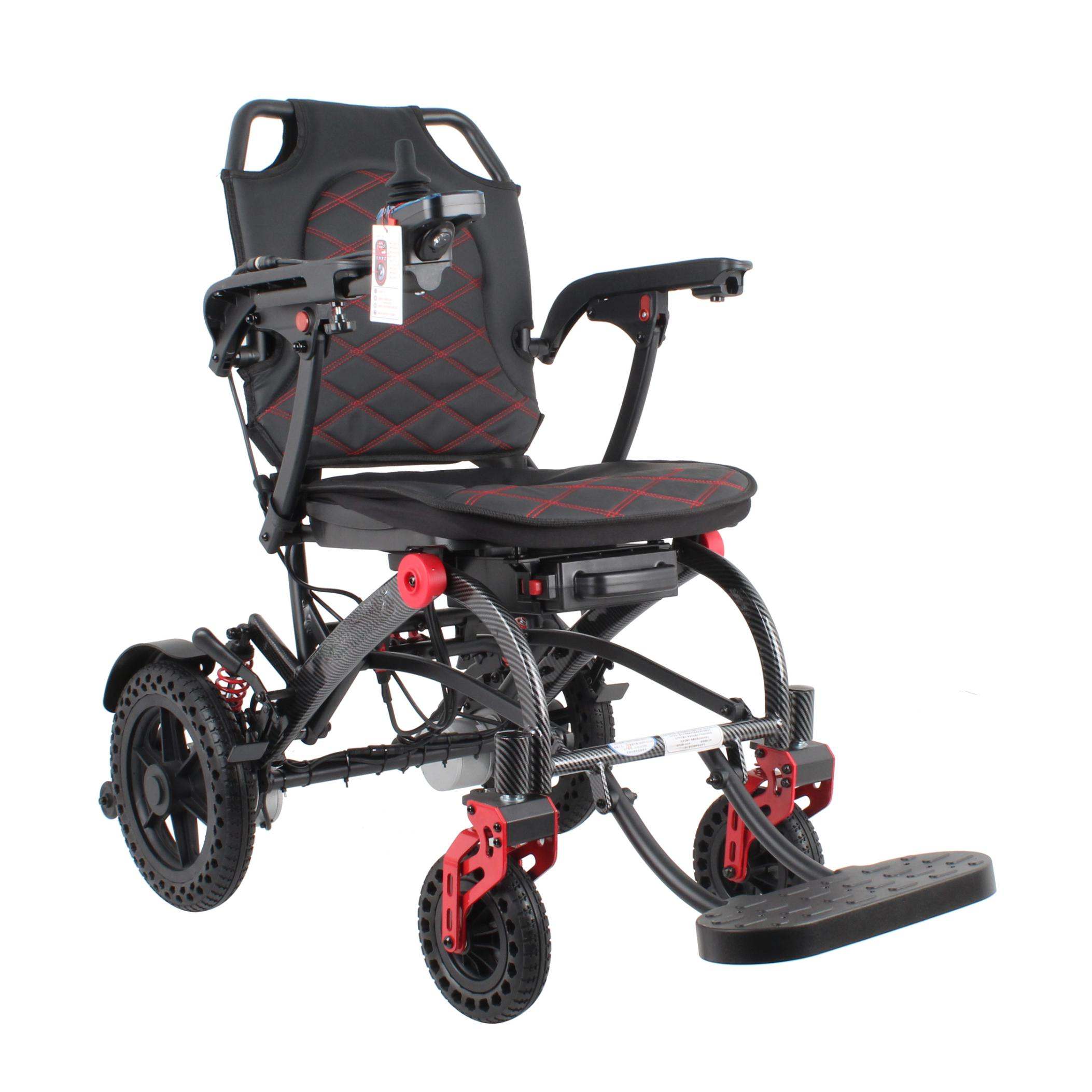
Ein leichter Elektrorollstuhl ist ein mögliches Premium-Beispiel. Ein schnell entnehmbarer Lithium-Akku, ein per Knopfdruck faltbarer Rahmen, hochklappbare Armlehnen, eine dickere Sitzfläche und die Möglichkeit zum einfachen Verladen in Fahrzeuge eignen sich für anspruchsvolle Anwendungen wie häusliche Pflege, Reisen und private Rehabilitation. Je nach Reichweite können verschiedene Akkuoptionen gewählt werden. Käufer sollten jedoch Ladezeit, Ladegerätspezifikationen, Controller-Kompatibilität und die Verfügbarkeit von Ersatzakkus prüfen.
Ein Produkt gilt nur dann als Premiumprodukt, wenn das gesamte Nutzererlebnis stimmig ist. Ein bequemer Stuhl mit unklaren Ladeanweisungen oder fehlendem Batteriezubehör kann mehr Beschwerden hervorrufen als ein einfacheres Modell. Stichprobenartige Tests sollten das Zusammenklappen, das Entnehmen des Akkus, das Laden, die Armlehnenverstellung, die Motorreaktion, die Verpackung und den Kundendienst für elektrische Bauteile umfassen.
Hochwertige manuelle Rollstühle können ebenfalls in diese Kategorie fallen, wenn sie über eine stabilere Stützstruktur, größere Hinterräder, einen Umbau für Pflegekräfte, verbesserte Polster oder einen optimierten Transferzugang verfügen. Xunyu Medizinische Das Mobilitätsportfolio kann einem Vertriebspartner als Referenz dienen, um Basis-, institutionelle und Premium-Konfigurationen zu trennen, ohne deren Rollen zu vermischen.
Wie können unterschiedliche Produktstufen Vertriebshändlern helfen, ihre Märkte zu erweitern?
Einstiegsprodukte erweitern die Marktabdeckung. Sie ermöglichen es Händlern, Familien, gemeinnützige Organisationen und kleinere Einzelhändler anzusprechen, die sich bisher nicht für hochpreisige Mobilitätshilfen entschieden hätten. Das Bestellvolumen kann sich auf mehrere einfache Produktkategorien verteilen, wie z. B. Krücken, Gehhilfen, einfache Rollstühle und Badewannenstühle.
Produkte der mittleren Preisklasse verbessern die Einkaufsstabilität. Krankenhäuser, Reha-Zentren und Pflegeeinrichtungen bestellen häufig nach, wenn ein Modell ihren Arbeitsabläufen entspricht und Ersatzteile planbar sind. Ein Händler mit einem klar definierten Angebot im mittleren Preissegment kann durch bekannte Sitzbreiten, Bremssysteme, Einstellteile und Reinigungsroutinen ein stetig wachsendes Kundenstamm aufbauen.
Premiumprodukte bieten mehr Spielraum für Gewinnmargen und Markenpositionierung. Sie ermöglichen Private Labeling, hochwertigere Verpackungen, ausgewähltes Zubehör und einen besseren Service. Das Risiko besteht in einem geringeren Umschlag, daher sollte der Käufer Muster, Vorbestellungen oder einen fokussierten Vertriebskanalplan nutzen, bevor er große Lagerbestände aufbaut.
Die drei Stufen können bestimmte Ressourcen der Lieferkette gemeinsam nutzen. Einheitliche Gummispitzen, Griffe, Schrauben, Fußpolster, Kissen und Verpackungskontrollen reduzieren die Komplexität des Service. Die Produkte sollten jedoch weiterhin unterschiedliche Spezifikationen und Werbebotschaften aufweisen; andernfalls konkurrieren die Stufen miteinander und verwirren den Einzelhändler.
Bei Private-Label-Projekten sollte der OEM/ODM-Service mehr als nur ein Logo umfassen. Kartongestaltung, Bedienungsanleitung, Zubehörpakete, Akkukonfiguration, Musterfreigabe, Mindestbestellmenge, Lieferzeit und Ersatzteilkataloge müssen dem gewählten Leistungsumfang entsprechen. Unterstützung für Eigenmarken lässt sich daran beurteilen, wie klar diese Details von der Probe bis zur Serienproduktion übertragen werden.
FAQ (häufig gestellte Fragen)
Frage 1: Welche Produkte sollten in eine Einstiegs-Mobilitätslinie aufgenommen werden?
A1: Beginnen Sie mit verstellbaren Krücken, faltbaren Gehhilfen, einfachen manuellen Rollstühlen und einfachen Badewannenstühlen. Diese Produkte decken gängige Bedürfnisse in der Familienpflege ab und sind leichter zu erklären, zu lagern und zu warten.
Frage 2: Wie sollten Vertriebshändler Produkte der mittleren und der Premiumklasse unterscheiden?
A2: Produkte der mittleren Preisklasse sollten sich durch Langlebigkeit bei wiederholter Nutzung, Einstellmöglichkeiten, einfache Reinigung und Eignung für institutionelle Anwendungen auszeichnen. Premiumprodukte sollten neben rein kosmetischen Verbesserungen vor allem durch spürbaren Komfort, Transportfreundlichkeit, Konfigurationsmöglichkeiten und ein umfassenderes Servicepaket überzeugen.
Frage 3: Was sollte geklärt werden, bevor alle drei Ebenen bei einem Lieferanten bestellt werden?
A3: Bitte prüfen Sie für jede Stufe die Übereinstimmung zwischen Muster und Serienproduktion hinsichtlich Spezifikationen, Verpackung, Handbüchern, Mindestbestellmenge, Lieferzeit, Garantieabwicklung und Ersatzteilen. Ohne separate Aufzeichnungen können ähnliche Modelle mit unterschiedlichem Zubehör oder unklarer Positionierung geliefert werden.


