

Errores comunes al usar muletas y consejos para una movilidad segura
Hora : Enero 07, 2026 Vista : 2.255
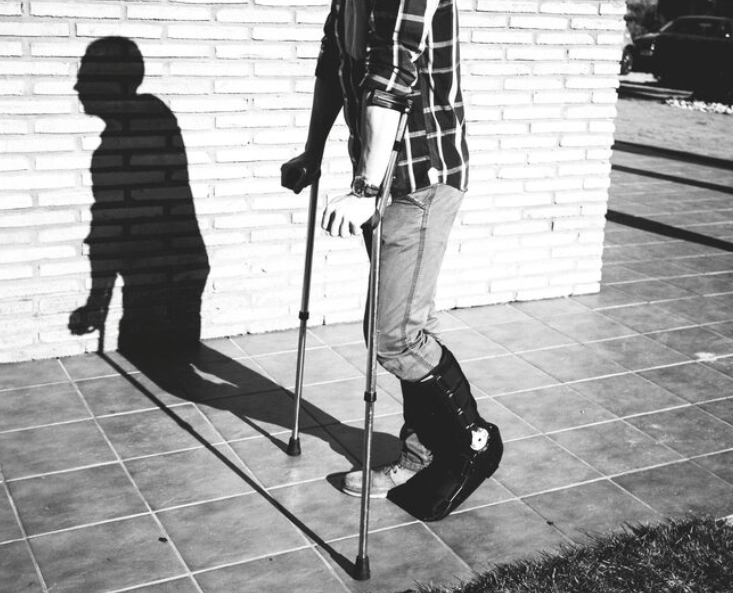
Las muletas proporcionan ayuda importante para un movimiento seguro. Sin embargo, los errores habituales como ajustes de altura incorrectos, puntas ignoradas o falta de guía de expertos pueden conducir a deslizamientos y presión adicional. El manejo adecuado requiere una configuración de altura correcta, el avance de la muleta opuesta a la pierna lesionada y los pasos coincidentes. Los controles regulares, como mirar los extremos de goma y las empuñaduras, siguen siendo necesarios para la protección. El consejo de los trabajadores de la salud garantiza buenos métodos y la elección correcta de herramientas. Las muletas amigables con el cuerpo de Xunyu Medical, como la XY-925, incluyen rasgos útiles como altura cambiable y extremos antideslizantes para ayudar a un movimiento seguro y autosuficiente.
La importancia del uso adecuado de muletas en el apoyo a la movilidad
El papel de las muletas en la mejora de la independencia de las personas con discapacidad
Las muletas sirven como herramientas clave de movimiento que dan el apoyo necesario para las personas que enfrentan límites de movimiento a corto plazo o continuos. Ya sea curarse de un daño, lidiar con un problema que empeora o manejar una discapacidad, manejar la muleta correcta juega un papel importante en mantener la libertad y la seguridad personal. Al cambiar el peso corporal y proporcionar fuerza a la parte superior del cuerpo, las muletas mejoran el equilibrio y dejan que los usuarios viajen por sí mismos.
Los ayudantes de movimiento, o soportes para caminar, como muletas, palos o marcos, son elementos vitales que ayudan a las personas a mantenerse móviles y autosuficientes. Las muletas bien usadas reducen las posibilidades de caída, promueven una mejor posición corporal y agregan en gran medida a la seguridad del usuario mientras camina.
Misconceptiones comunes sobre el uso de muletas
Una idea errónea común entre los nuevos usuarios es que las muletas se sienten naturales y no necesitan enseñanza oficial. Pero esta visión a menudo causa una mala manipulación. El uso de un bastón sin la guía adecuada o la práctica de un experto en salud podría aumentar los riesgos de caída, estresar las partes superiores del cuerpo o empeorar la lesión o el dolor que se está tratando. Del mismo modo, el uso equivocado de muletas puede traer presión duradera, pasos inestables y resultados de curación más lentos.
Errores frecuentes al usar muletas y cómo corregirlos
Priorizar la estética sobre la funcionalidad
Un error habitual al recoger muletas para personas con discapacidad implica preocuparse más por la apariencia que por la construcción práctica. Mientras que la gran apariencia puede llamar la atención, la facilidad y la utilidad deben venir primero. Muchos palos decorativos tienen mangos no conformados para extender bien el peso a través de la mano, lo que a veces causa presión nerviosa en la muñeca o la palma de la mano.
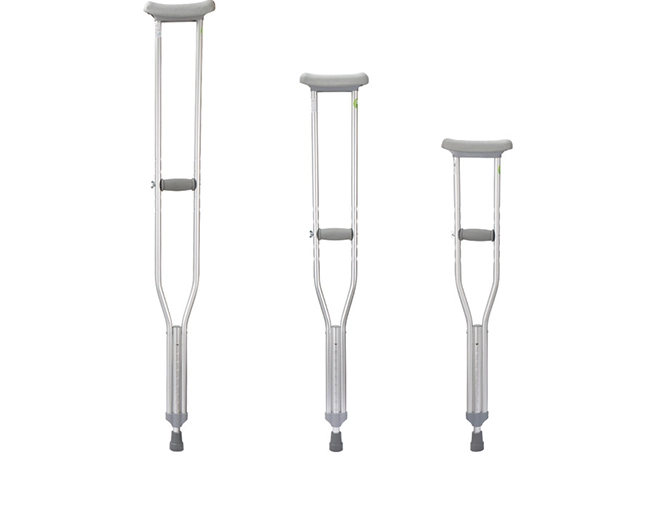
Los rasgos útiles como cambios de altura, materiales ligeros y agarres en forma resultan esenciales. El Modelo XY-925 Proporciona un agarre para el cuerpo que reduce el estrés en la muñeca, lo que se adapta a las sesiones largas y las tareas diarias.
Negligenciando el estado de la punta de la muleta
El extremo de goma en la parte inferior de una muleta desempeña un papel vital para dar agarre y estabilidad. Sin embargo, la gente a menudo lo olvida durante el cuidado. Los extremos de goma desgastados pueden volverse peligrosamente lisos, principalmente en suelo húmedo o congelado. Esto puede causar deslizamientos y caídas que causan daños graves.
Los controles regulares y los cambios rápidos siguen siendo importantes. El XY-925 viene con un extremo de goma antideslizante fuerte construido para diferentes terrenos, lo que garantiza la máxima seguridad y sujeción mientras se mueve.
Usar la muleta en el lado equivocado
Otro fallo común consiste en colocar la muleta en el mismo lado que la extremidad dañada. Si el dolor o la debilidad afecta a una pierna, el bastón debe ir al lado opuesto. La misma regla funciona para las muletas: el uso lateral correcto ayuda a cambiar de peso mejor y ayuda a un patrón de caminata natural.
Ajuste de altura de muleta incorrecto
Los niveles de altura equivocados contribuyen mucho a la incomodidad del usuario y los resultados pobres. Si la muleta se sienta demasiado alta o baja, puede causar cansancio de los hombros, mala posición corporal y una mayor posibilidad de perder el equilibrio. Para establecer un bastón, el brazo debe mostrar una pequeña curva, alrededor de 15 grados.
La forma adecuada alinea la mano con el pliegue de la muñeca cuando se está de pie recto con los brazos sueltos. XY-925 incluye un sencillo sistema de cambio de altura pulsador para ajuste personal, lo que hace que sea fácil para varios tamaños de cuerpo.
Saltar las instrucciones profesionales antes del uso
Aunque las muletas parecen fáciles de manejar, la falta de consejos de expertos marca un grave error. Usar un bastón requiere más que agarrarlo y dar un paso. Sin este conocimiento, los riesgos de caída podrían aumentar. La práctica de un terapeuta corporal garantiza un ajuste suave de pasos y reduce la presión sobre las articulaciones y los músculos.
Evitar las muletas a pesar de la necesidad médica
El estigma social o las molestias percibidas a menudo llevan a las personas a rechazar el uso de los medios de movilidad necesarios. Algunos se resisten a un palo porque temen que muestre debilidad. Sin embargo, un palo puede aumentar en gran medida el movimiento, la estabilidad y la seguridad mientras camina. El apoyo de los trabajadores de la salud puede facilitar la aceptación y guiar a los usuarios a hábitos de caminar más seguros.
Técnicas esenciales para caminar con muleta de forma segura y eficiente
Sincronizar el movimiento de la muleta con el movimiento de la pierna opuesta
Un método básico para caminar bien en muleta consiste en avanzar cada muleta al mismo tiempo que la pierna opuesta. Este estilo cruzado copia los ritmos naturales de paso y aumenta la estabilidad mientras se mueve.
Navegar por escaleras de forma segura con muletas
Subir las escaleras:
Comience poniendo peso en ambas muletas. Sube primero con la pierna más fuerte mientras mantiene la presión de la mano.
Bajar las escaleras:
Comience dejando caer ambas muletas al escalón inferior, luego baje la pierna más débil para unirlas. De esta manera se da un descenso controlado y se reducen los momentos inestables.
Consejos de mantenimiento para prolongar la vida útil de la muleta y garantizar la seguridad
Lista de verificación de rutina para uso diario
Mantener las muletas en buena forma va más allá de la limpieza rara. Los usuarios necesitan looks diarios que se centren en:
-
Extremos de goma: Compruebe el desgaste, las divisiones o menos agarre.
-
Manos: Asegúrese de que se mantengan fijas e intactas.
-
Cambio de piezas: Confirme que los sistemas de bloqueo funcionen completamente sin deslizamiento.
Estos hábitos no solo prolongan la vida útil del artículo, sino que también protegen la seguridad del usuario.
Recomendaciones de limpieza y almacenamiento
Para detener la oxidación y la descomposición del material:
-
Limpia las piezas metálicas con un paño húmedo a menudo.
-
Manténgase alejado de los limpiadores duros.
-
Manténgase en un lugar seco lejos de fuentes de luz o humedad.
Foshan Xunyu Médico Technology Co., Ltd. se ha centrado en dar a las personas mayores una vida más segura y acogedora. Nuestro énfasis en la fuerza y el cuidado del artículo coincide con estas sugerencias.
La orientación profesional como clave para la movilidad segura
El valor de la evaluación clínica antes de elegir un modelo de muleta
Una comprobación realizada por expertos en recuperación asegura que los usuarios obtengan el mejor tipo de muletas, ya sean las axilas o los antebrazos, en función del estado corporal, los niveles de potencia y los objetivos de curación.
Cómo Xunyu Medical apoya los estándares clínicos en el diseño de productos
“Nuestro objetivo es dar poder a las personas mayores a través de artículos confiables y cuidadosamente hechos”, dijo un portavoz de la compañía. Xunyu Medical ha dado importancia a nuevas ideas y diseños de productos mejorados para abordar las necesidades prácticas de las poblaciones que envejecen. Nuestros artículos, incluido el XY-925, se han desarrollado con la ayuda de especialistas en recuperación para garantizar normas de calidad y seguridad amigables con el cuerpo. Si está interesado en nuestra empresa y los productos correspondientes, puede contacto Visitando el sitio web oficial para obtener más información.
Preguntas frecuentes
P: ¿Cómo sé si mi muleta está ajustada a la altura correcta?
Manténgase recto con los brazos sueltos a los lados; la sujeción de la mano debe alinearse con el pliegue de la muñeca, lo que permite una curvatura del codo de 15 a 30 grados al agarrarlo.
P: ¿Cuándo debo reemplazar la punta de goma de mi muleta?
Cambiarlo cuando aparezcan grietas, manchas planas o una sujeción más débil en un terreno liso, a menudo cada 3-6 meses en función de cuánto se usa.
P: ¿Qué hace que la XY-925 de Xunyu Medical sea diferente de las muletas estándar?
El XY-925 ofrece agarres amigables con el cuerpo, cambios de altura con botones, puntas antideslizantes y una construcción duradera adaptada para el uso a largo plazo por personas que necesitan ayuda de movimiento confiable.


