

¿Qué características hacen que un asiento de ducha valga la pena comprar?
Hora : Feb 04, 2026 Vista : 1.931
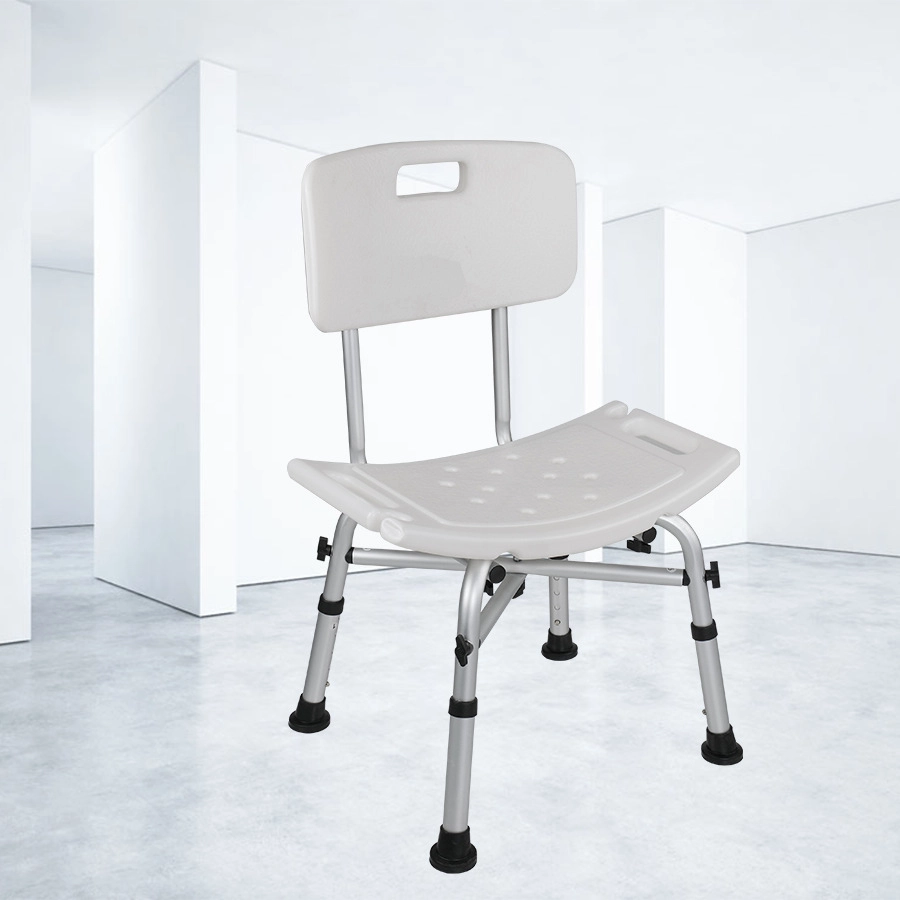
El asiento de ducha no es un artículo casero informal. En la adquisición profesional, la planificación de rehabilitación y el diseño de hogares para personas mayores, actúa como una característica de seguridad que tiene una relación directa con las caídas, el agotamiento y la independencia. Un asiento mal diseñado puede resultar en otros peligros relacionados con la falta de estabilidad, deslizamiento o debilidad, a pesar de que está diseñado para la seguridad.
Si simplemente se centra en el precio o la apariencia de los asientos de ducha, puede terminar ignorando el problema que puede causar el fallo de un producto después de meses o años de uso diario. Un asiento que vale la pena comprar debe funcionar como una plataforma de soporte controlada, que aún sea estable bajo carga, predecible en el comportamiento y lo suficientemente cómodo como para fomentar el uso consistente.
Este artículo demostrará las características que distinguen las herramientas de seguridad funcional de los muebles decorativos de baño.
¿Por qué un asiento de ducha es un dispositivo de seguridad en lugar de un producto de conveniencia?
Las sillas de ducha tienen una influencia directa en la funcionalidad corporal en uno de los entornos más peligrosos del hogar, y su función se extiende mucho más allá de la comodidad.
Riesgo de caída
Los baños concentran múltiples factores de riesgo, incluyendo superficies lisas, películas de agua, variación de temperatura y espacio limitado para el movimiento correctivo. El mayor riesgo de deslizamiento lateral o retroceso de usuarios de pie con capacidad de equilibrio disminuida, rigidez articular o debilidad muscular es significativo. Al elevar el asiento y mejorar el centro de gravedad del conductor, un asiento estable disminuye la necesidad de micro-ajustes constantes durante el lavado.
Conservación de energía
De pie durante los tiempos de baño tiende a requerir un compromiso continuo del núcleo, caderas y rodillas, lo que significa una resistencia limitada, tiempos de reacción más lentos y pérdida de control del equilibrio para aquellos con restricciones relacionadas con los sistemas cardiovasculares y musculoesqueléticos. El mayor apoyo se transfiere a la estructura sentada mientras se conserva el esfuerzo físico para la transferencia y caminar.
Independencia
El acceso a un asiento fiable prolonga regularmente el tiempo en que los usuarios pueden hacer frente a las tareas de higiene sin asistencia directa. En el entorno de la atención a largo plazo, esta independencia reduce la carga del cuidador y minimiza la resistencia de los usuarios a las rutinas diarias.
¿Qué características estructurales determinan la estabilidad real?
La estabilidad no se crea por un solo componente, sino como resultado de cómo la geometría, las trayectorias de carga y el contacto con el piso interactúan como un sistema.
Geometría del marco
La amplia distribución de base reduce la probabilidad de inclinación. Los marcos estrechos concentran la carga vertical en una pequeña huella y amplifican el par lateral cuando el usuario cambia de peso. La geometría adecuada asegura que los vectores de fuerza permanezcan dentro del polígono de soporte incluso durante movimientos de inclinación o alcance.
Capacidad de carga
Los valores de carga nominal solo importan cuando la estructura mantiene la rigidez cerca de su umbral de diseño máximo. Los tubos delgados o las juntas débiles pueden pasar las pruebas estáticas pero deformarse después de una carga dinámica repetida. La evaluación debe centrarse no solo en la capacidad máxima sino también en la resistencia a la deformación por fatiga.
Apoyo a las piernas
Las almohadillas antideslizantes con una superficie adecuada evitan la presión localizada en los pisos de azulejos o acrílico. La longitud desigual de las piernas o el control deficiente de la tolerancia provoca balanceo, lo que obliga a los usuarios a estabilizarse con los brazos en lugar de confiar en el asiento.
¿Cómo afecta la selección de materiales la comodidad y la higiene?
La elección del material influye en la durabilidad, la experiencia táctil y la carga de trabajo de mantenimiento.
Resistencia a la corrosión
Los baños crean un microclima constante de alta humedad. El acero de bajo grado se corroe, los recubrimientos se vuelven ampollas y las juntas se apoderan. Por el contrario, las aleaciones de aluminio y los sujetadores tratados conservan la integridad estructural más tiempo y reducen la responsabilidad a largo plazo.
Textura de la superficie
El objetivo es el agarre controlado, no la abrasión. Un asiento de plástico liso se vuelve peligroso una vez que se acumulan residuos de jabón, pero la textura ligera mejora la fricción sin irritar la piel.
Eficiencia de limpieza
Las esquinas redondeadas, los agujeros de drenaje y los perfiles abiertos reducen las zonas de agua estancadas. Esta opción de diseño reduce la acumulación de bacterias y simplifica el saneamiento rutinario en entornos institucionales.
¿Qué detalles de diseño mejoran la usabilidad a largo plazo?
Además del marco y el material, las elecciones ergonómicas sutiles dan forma al rendimiento del producto en miles de usos.
Contorno del asiento
Las tablas planas crean puntos de presión en el área isquial. La ligera curvatura distribuye la carga y retrasa la incomodidad durante las sesiones de baño más largas, lo que es especialmente relevante en las instalaciones de rehabilitación.
Soporte de brazo
Los reposabrazos bien posicionados proporcionan palanca durante las transferencias. Sin ellos, los usuarios sobrecargan las rodillas y los tobillos cuando se levantan, aumentando así el riesgo de caída precisamente en el momento más inestable.
Ajuste de altura
Las alturas fijas limitan la reutilización entre los usuarios y las etapas de recuperación. Sin embargo, el control de altura de varios niveles permite que un producto sirva a diferentes tamaños de carrocería y condiciones de movilidad en evolución.
¿Qué productos reflejan ingeniería práctica en lugar de diseño decorativo?
Las prioridades de ingeniería se vuelven visibles cuando los productos se construyen para uso diario repetitivo en lugar de atractivo en el showroom.
Estabilidad diaria
Un asiento útil se mantiene estable incluso cuando los usuarios se inclinan hacia adelante para lavar o torcer para llegar a artículos personales, y la flexión estructural debe ser lo más posible.
Foco en la comodidad
La anchura adecuada del asiento, el acabado liso del borde y el centro equilibrado de la masa evitan la concentración de presión y la irritación de la piel.
Construcción equilibrada
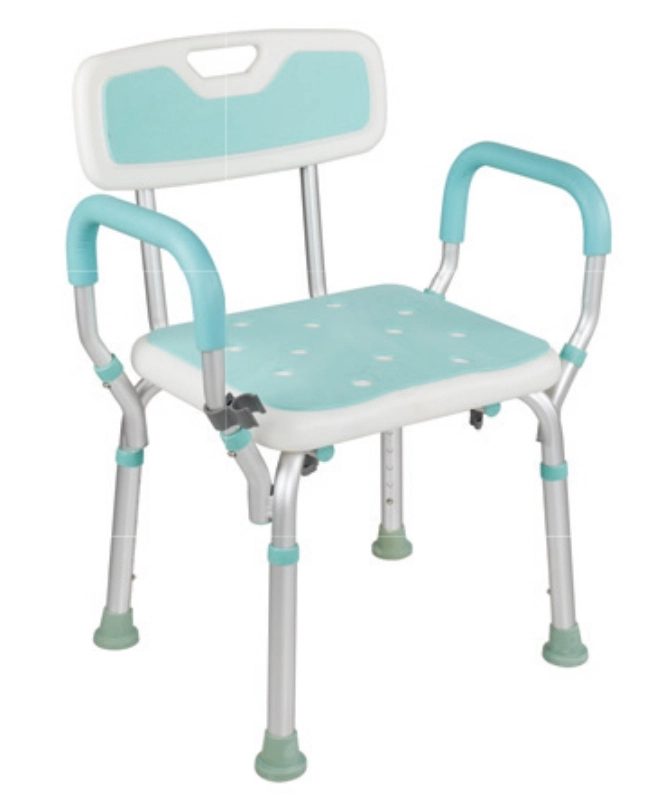
El Silla de baño XY785L aplica un marco de aluminio ligero combinado con un diseño de soporte estable para mantener un comportamiento predecible durante las transiciones sentadas y de pie, cuya estructura enfatiza el equilibrio de carga en lugar de la complejidad visual.
¿Cómo puede un producto adaptarse tanto a entornos profesionales como domésticos?
La versatilidad aumenta el valor de las adquisiciones y simplifica la planificación del inventario.
Portabilidad
El peso moderado permite a los cuidadores o miembros de la familia reposicionar el asiento sin esfuerzo mientras mantiene la masa suficiente para evitar el deslizamiento durante el uso.
Versatilidad
La compatibilidad con cabinas de ducha, salas húmedas abiertas y diseños adyacentes a la bañera amplía los escenarios de instalación y reduce la necesidad de múltiples modelos.
Almacenamiento
Los diseños que se desmontan o plegan reducen la presión espacial en baños pequeños y instalaciones de cuidado compartido.
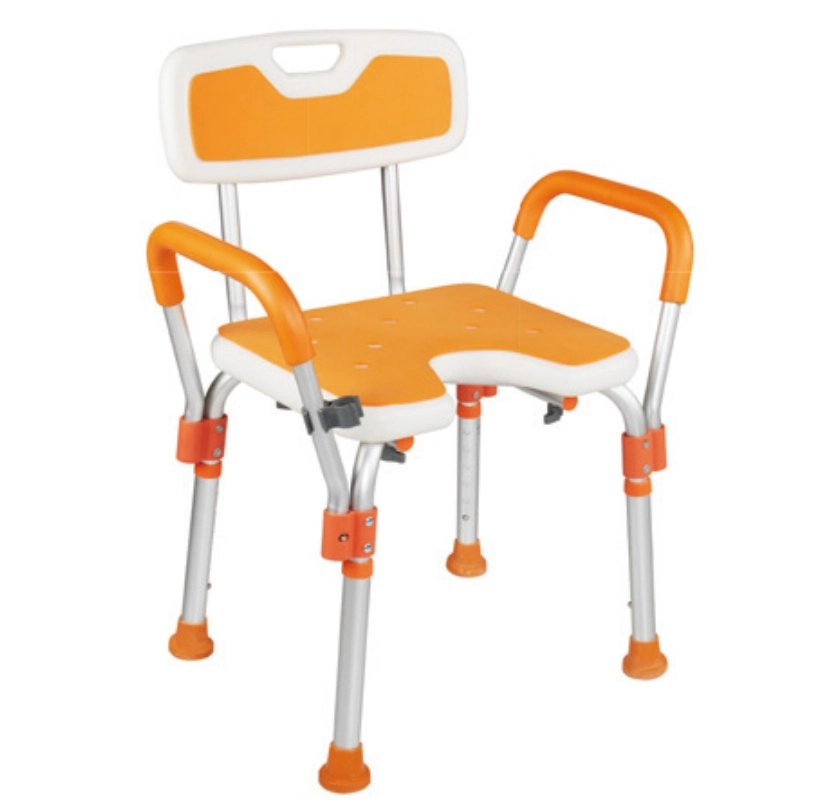
Para aplicaciones que requieren una mayor adaptabilidad, el Silla de baño XY-798L demuestra cómo la configuración ajustable y la geometría estable pueden soportar condiciones espaciales variadas sin complicar el funcionamiento diario.
¿Cómo influye la filosofía de desarrollo de productos en la fiabilidad?
La consistencia del producto a menudo refleja la profundidad en que los fabricantes integran la retroalimentación del uso real en los ciclos de diseño.
Iteración centrada en el usuario
Cuando los asientos de ducha mejoran cuando los equipos de desarrollo rastrean puntos de falla, como sujetadores sueltos, desgaste superficial, deformación de las articulaciones y dificultad de limpieza, el refinamiento iterativo reduce estas debilidades a través de las generaciones.
Función sobre apariencia
El diseño visual minimalista a menudo señala la eficiencia estructural. Por el contrario, los elementos decorativos excesivos agregan juntas y superficies que pueden aflojarse o degradarse.
Feedback de aplicaciones globales
Los productos distribuidos en múltiples regiones enfrentan diferentes estándares regulatorios, tipos de cuerpo y hábitos de uso, acelerando la mejora de la función del producto.
En la categoría de baño auxiliar, los fabricantes que priorizan la usabilidad real a menudo muestran una mayor fiabilidad a largo plazo. Xunyu Médico se centra en dispositivos prácticos para el cuidado de personas mayores como sillas de ducha, muletas, barandillas junto a la cama, reposabrazos de inodoro, y Ayudas para caminarNuestra empresa hace hincapié en la claridad funcional, la estructura orientada a la seguridad y el refinamiento continuo del diseño para satisfacer las necesidades de la población envejecida. Nuestros productos se han exportado a Europa, América del Norte, Oriente Medio y la región de Asia-Pacífico, y han suministrado principales plataformas de comercio electrónico y distribuidores de atención médica. Hemos realizado inversiones continuas en desarrollo de productos y producción sostenible a medida que la demanda internacional se expande.
Conclusión
Un asiento de ducha que vale la pena comprar se define por la disciplina de ingeniería, no por el atractivo visual. La estabilidad, la durabilidad del material, el soporte ergonómico y la adaptabilidad ambiental determinan si un producto protege silenciosamente a los usuarios o se convierte gradualmente en una fuente de peligro.
Al evaluar los asientos desde una perspectiva de sistemas, usted ha pasado de la selección de muebles al diseño de seguridad, lo que le permite construir entornos de baño que apoyen la dignidad, reduzcan la fatiga y mantengan la independencia con el tiempo.
Preguntas frecuentes
Q1: ¿Cómo puede verificar si un asiento de ducha es realmente estable?
R: Pruebe el movimiento lateral bajo carga, compruebe el contacto desigual de las piernas en pisos húmedos y observe la rigidez del marco durante los cambios de peso.
Q2: ¿Los asientos de ducha ajustables son siempre mejores que los modelos fijos?
R: Sólo cuando los mecanismos de ajuste mantienen tolerancias ajustadas. Los ajustes mal diseñados introducen flojidad y reducen la estabilidad.
Q3: ¿Qué tiene un mayor impacto en la fiabilidad a largo plazo: estructura o material?
R: La estructura suele venir primero. Los materiales de alta calidad no pueden compensar la geometría débil o la distribución de carga inestable.


