

Elegir la basta de muleta adecuada para un soporte óptimo de movilidad
Hora : 10 de marzo de 2026 Vista : 1.628
Cuando sus piernas se sienten débiles o ’ para sanarse de una herida, moverse de forma segura realmente comienza con encontrar un buen palo para caminar. bastón muleta es’ No solo cualquier viejo ayudante: cambia lo firme que te quedas, lo recta que te parece la espalda y si tu cuerpo se siente bien después de caminar todo el día. Así que antes de recoger uno, pasa un poco de tiempo descubriendo las principales cosas que lo hacen seguro, lo suficientemente fuerte para durar y sencillo de usar sin dolores de cabeza.

¿Qué factores debe considerar al elegir una muleta?
Encontrar la basta de muleta perfecta hace una gran diferencia si espera mantener su equilibrio, esquivar caídas y mantenerse cómodo mientras su cuerpo mejora o mientras se ocupa de problemas de caminar que se quedan alrededor. Una elección sólida le da más libertad para moverse por sí mismo y mantiene la presión adicional de sus rodillas, caderas y columna vertebral. Vamos, vamos’ Hablar sobre cómo estas cosas realmente ayudan y por qué algunos se sienten mucho más agradables que otros.
¿Cómo apoyan las bastones la movilidad?
La gente construye muletas especialmente para mantener a la gente estable cuando caminar se vuelve difícil o después de una lesión ralentiza las cosas. Tiran parte de su peso lejos de piernas dolidas o débiles, lo que le permite tomar pasos más suaves y ahorrar energía para que no’ t se desgasta rápidamente. Dado que el empuje pasa a través de los brazos y la parte superior en lugar de todo en su mitad inferior, sus músculos y articulaciones no’ t estar sobretrabajado. Hazlo de la manera correcta, y cada paso comienza a sentirse uniforme y fácil, lo que realmente reduce las posibilidades de tropezar o tirar de algo divertido.
Las muletas del antebrazo muestran esta ayuda muy bien. Te levantas bien y alto, cambias tu peso corporal a través de tus brazos sin problemas, y como todo se alinea mejor, tus muñecas y hombros evitan un montón de dolor innecesario mientras continúas.
¿Cuáles son los diferentes tipos de bastones de muleta disponibles?
Existen muchos estilos porque los cuerpos necesitan diferentes tipos de ayuda. Un bastón básico de un solo punto funciona bien cuando solo quieres un poco más de estabilidad en terreno plano. Cuad bastones se extienden en la parte inferior con cuatro pies pequeños, por lo que agarran puntos desiguales o caminos áspero mucho mejor. Las muletas del antebrazo se adaptan a las personas que dependen mucho de ellas: dan un control más fuerte y se sienten más bien ya que sus manos y brazos se unen para cada movimiento.
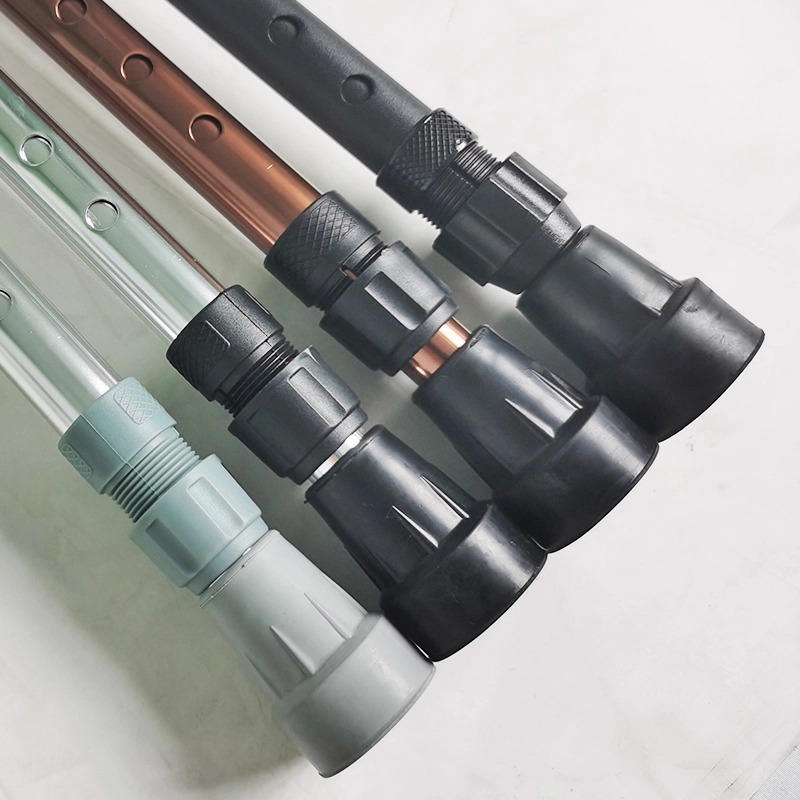
Últimamente los antebrazos plegables atraen mucha atención porque’ re súper práctico. Tomemos un ejemplo: la muleta del antebrazo tiene un agarre cómodo y fuerte, una pierna hecha de aluminio anodizado y una punta de goma sólida que no’ t deslizarse fácilmente. Esa mezcla lo mantiene duro durante meses mientras se mantiene ligero para que sus brazos no’ Además, tiene una forma ergonómica con el codo sentado en el ángulo correcto, extendiendo la fuerza bien a través de la palma de la mano. Gracias a esos pedazos pensados, su mano se siente mucho menos dolorida incluso después de una larga mañana fuera.
¿Cómo Xunyu Medical mejora las soluciones de movilidad?
Foshan Xunyu Medical Technology Co., Ltd. llama a la ciudad de Danzao, el distrito de Nanhai, la ciudad de Foshan, la provincia de Guangdong. Todo este negocio se centra en la creación de herramientas que hacen la vida más fácil principalmente para las personas mayores. Se convierten en todo tipo de ayudantes de caminar: caminantes, sillas de ducha, reposabrazos de inodoro, muletas, lo nombres, y cada uno de ellos es pensado por lo que la seguridad y la comodidad son lo primero.
Su gran promesa a los clientes lo dice todo: “Nuestra misión es empoderar a las personas mayores con independencia a través de productos fiables y pensados.” Nada se envía hasta que pasa pruebas duras que coinciden con las reglas de muchos países, y luego se dirige a lugares lejanos y amplios.
¿Cómo determinar el ajuste adecuado para su bastón de muleta?
Clavar el tamaño correcto importa más de lo que la mayoría de la gente se da cuenta al principio. Obtenga la altura equivocada, y pronto su brazo duele, su espalda se levanta, o cosas peores se acumulan lentamente durante semanas.
¿Por qué es importante el ajuste adecuado para las bastones de muleta?
Un bastón que se ajuste correctamente mantiene su brazo en un lugar natural que se alinea con cómo se mueven sus piernas. Ajuste correctamente, te ayuda a mantenerte alto y quita la carga de la parte inferior del cuerpo de una manera saludable. Cuando su brazo cuelga suelto, el mango debe golpear a la derecha alrededor del nivel del pliegue de la muñeca, ese pequeño detalle significa que su codo se dobla suavemente, cerca de 30 grados, mientras se agarra.
Debido a esa posición inteligente, la energía fluye mejor con cada paso, y sus hombros o muñecas no’ T termina gritando. Para cualquiera que use estas cosas día a día, mantener una buena alineación como esa realmente reduce el dolor articular que se arrastra más tarde.
¿Qué pasos debe seguir para ajustar su bastón?
Ajustar la altura es’ t duro en absoluto, aunque todavía quieres tomarlo lentamente y comprobar dos veces:
Levántate alto y suelta los hombros.
Deja que tus brazos cuelgan fácilmente junto a tus costados.
Desliza el mango hasta que se siente a nivel con el pliegue en tu muñeca.
Si usted’ Usando dos, asegúrese de que ambos coincidan exactamente, sin atajos.
Dar a cada punto de bloqueo un buen empuje o remolque para confirmar que hace clic seguro antes de inclinarse.
Las guías de productos generalmente lo explican de esta manera: presione los botones de resorte en los tubos de las piernas, mueva la sección inferior más o más corta hasta que se sienta a punto, y luego deje que los botones se apreten. Siempre pruebe las cerraduras para mantenerse firmes antes de confiar su peso a ellas.
¿Cómo puede maximizar la seguridad al usar una muleta?
La seguridad tiene que venir primero cada vez que recoja cualquier tipo de ayuda para caminar, no importa si ’ re cruzar azulejos, alfombras, puntos húmedos o aceras abultadas fuera.
¿Cuáles son los consejos esenciales de seguridad al usar bastones?
Tenga estas pocas cosas en mente y ’ Me quedaré mucho más estable:
Se adhieren a las puntas gruesas de goma en los extremos: agarran los pisos lisos mucho mejor que el metal desnudo.
Mantenga su cuerpo erguido en lugar de inclinarse hacia adelante mientras anda.
Tómalo con calma y lentamente sobre cualquier cosa resbaladiza o áspera.
Echa un vistazo a esos consejos de vez en cuando; cambiarlos rápidamente si aparecen grietas o se deslizan demasiado.
Nunca se incline hacia adelante o incline a un lado mientras se mueve.
Pequeños hábitos como estos reducen los riesgos de deslizamiento y le ayudan a sentirse sólido si ’ dentro de la casa o en dirección por la entrada.
¿Cómo prioriza Xunyu Medical la seguridad de sus productos?
Xunyu Médico Elige materiales resistentes e inteligentes y los trabaja en cada diseño para que nada salga cuando más lo necesitas. Desde el principio, Xunyu Medical vertió energía en ideas nuevas y construcciones más inteligentes que abordan los problemas reales diarios que enfrentan las personas mayores. Las personas que diseñan allí combinan características útiles con formas que coinciden con cómo funcionan realmente los cuerpos, lo que facilita mantenerse seguros incluso durante largos períodos de uso.
Antes de que algo llegue a los clientes, cada uno se enfrenta a controles estrictos contra las grandes reglas internacionales, luego se envía a puntos desde Europa hasta las zonas de Asia-Pacífico. Eso significa la misma sensación confiable sin importar dónde vivas. Sus marcos de aluminio, por un lado, empujan contra la oxidación y todavía manejan un montón de peso día tras día sin doblarse.
Preguntas frecuentes
P: ¿Con qué frecuencia debo reemplazar las puntas de goma de mi bastón de muleta?
R: Cambiarlos en el segundo que detectas grietas o pierden el agarre; generalmente cada dos meses si’ en tus pies un poco justo.
P: ¿Puedo usar con seguridad mi bastón de muleta cuando subo escaleras?
R: Sí, pero vaya lentamente, agarre cualquier barandilla firmemente, y tal vez alguien te vea al principio si las escaleras todavía se sienten vacilantes.
P: ¿Hay ejercicios que mejoren el equilibrio cuando se usa una muleta?
R: Seguro; Muchos terapeutas sugieren movimientos suaves del núcleo, como levantar las piernas mientras se sienta o practicar el equilibrio de pie fácilmente, que se ajustan a cualquier fuerza que tengas en este momento.


