

¿Están sus dispositivos de ayuda para caminar preparados para las demandas de rehabilitación y atención domiciliaria de 2026?
Fecha: 6 de julio de 2026 Vista : 467

Ayudas para caminar Ya no son un simple complemento en las compras para rehabilitación y atención domiciliaria. En 2026, muchos compradores se enfrentan a una demanda mixta: las tiendas de productos para el cuidado de personas mayores buscan productos fáciles de vender, los centros de rehabilitación necesitan herramientas de recuperación más específicas y los proyectos de atención domiciliaria requieren artículos que se puedan almacenar, transportar y mantener sin demasiadas dificultades.
Por qué los compradores necesitan una línea de productos de ayudas para caminar clara
Ahora, cada vez se prestan más cuidados en los hogares, pequeñas clínicas, centros de rehabilitación y programas de apoyo comunitario. Esto cambia la forma en que los compradores planifican los productos de movilidad.
Un hospital puede necesitar andadores sencillos para facilitar el alta hospitalaria. Una farmacia puede preferir modelos ligeros y fáciles de explicar. Un centro de rehabilitación puede buscar productos de soporte para la rodilla tras una lesión. Una tienda de productos para el cuidado del hogar puede desear una gama de movilidad más completa y práctica. Por ello, no se deben elegir las ayudas para caminar basándose en un solo parámetro. Es necesario considerar el público objetivo, el entorno asistencial, las necesidades de almacenamiento, los costes laborales y la presión del servicio posventa.
Cuatro tipos de ayudas para caminar que los compradores deberían comparar
Ayudas médicas ligeras para caminar para brindar apoyo básico en el cuidado del hogar.
Los dispositivos de ayuda para caminar ligeros suelen ser el punto de partida más sencillo para los distribuidores. Están diseñados para brindar apoyo diario, caminar distancias cortas en interiores y para usuarios que no desean un producto pesado de tipo hospitalario. La ventaja es clara: menor peso, fácil plegado, almacenamiento más sencillo y menor carga para los cuidadores. Este tipo de dispositivo es ideal para el cuidado en el hogar, farmacias, rehabilitación básica y desplazamientos de corta distancia.
Xunyu MédicoEl modelo XY913L-5 se ajusta a esta categoría. Cuenta con un marco de aleación de aluminio plateado mate de 1,2 mm, ajuste de altura en 8 niveles, estructura plegable, ruedas y soporta hasta 100 kg. Para los compradores, este modelo puede servir como referencia en una línea de productos de ayudas para caminar.
Andadores estándar para asistencia diaria estable
Los andadores estándar se centran en brindar un soporte estable. Suelen ser sencillos, directos y fáciles de entender tanto para los usuarios como para el personal de atención. Muchos compradores aún necesitan este tipo de andadores, ya que no todos los mercados buscan productos con muchas funciones.
La ventaja radica en el bajo costo de aprendizaje. Hay menos componentes, menos argumentos de venta que explicar y, por lo general, menos preguntas posteriores a la venta. Para hospitales, residencias de ancianos y servicios básicos de atención domiciliaria, este tipo de sistema sigue siendo una opción viable.
Rodilleras con rodillo para la movilidad después de una lesión y durante la rehabilitación.
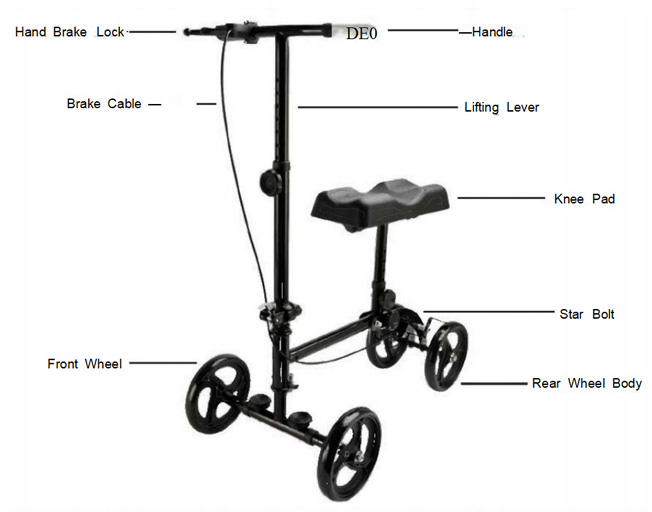
Los andadores de rodilla son más específicos. No son ayudas generales para caminar para personas mayores. Se suelen usar para personas que se recuperan de lesiones en la parte inferior de la pierna o el pie, o en casos de rehabilitación donde una pierna necesita soportar menos peso.
Para los centros de rehabilitación, los canales de ortopedia y los distribuidores de equipos médicos profesionales, un andador de rodilla puede cubrir una necesidad importante. Permite a los compradores atender a los usuarios después de una lesión sin obligarlos a usar una silla de ruedas demasiado pronto.
Xunyu Medical Rodilla Rollator-602 Este es un ejemplo de producto. Utiliza material de aleación de aluminio de 1,2 mm, ajuste de altura en 8 niveles, almacenamiento plegable, diseño con ruedas y soporta una carga de 100 kg.
Ayudas multifuncionales para caminar con o sin pedales.
Los dispositivos multifuncionales para caminar suelen estar dirigidos a usuarios que necesitan más que un simple apoyo. Algunos incluyen asientos, ruedas, espacio de almacenamiento o funciones para ir de compras. Son útiles para actividades al aire libre, cuidados comunitarios, centros de actividades para personas mayores y tiendas de artículos para el hogar que buscan una sección de movilidad más completa y sin complicaciones.
La ventaja reside en una mayor funcionalidad. El usuario puede caminar, detenerse, sentarse o transportar objetos pequeños. Para los distribuidores, esto representa una gama de productos superior. Para los compradores de proyectos, puede ser útil para programas de actividades para personas mayores o para satisfacer las necesidades de movilidad de la comunidad.
Xunyu Medical XY-9001 Este es un ejemplo útil. Tiene un marco de aleación de aluminio, un proceso de impresión por transferencia de fibra de carbono, seis posiciones de ajuste de altura del manillar, un cojín de asiento Oxford negro, un diseño plegable y soporta hasta 100 kg de carga.
Cómo relacionar los tipos de ayudas para caminar con los canales B2B
Canales de distribución de farmacias y minoristas
Las farmacias y los distribuidores minoristas suelen necesitar productos fáciles de almacenar y de explicar. Los andadores médicos ligeros y los andadores estándar se adaptan bien a este canal. Ocupan menos espacio y se pueden reponer con mayor facilidad.
Una configuración sencilla de dos niveles puede funcionar: un andador de entrada baja y un modelo ligero mejorado. Esto permite que la oferta sea clara sin saturar el estante.
Centros de rehabilitación y proyectos de recuperación ortopédica
Los centros de rehabilitación y recuperación ortopédica necesitan productos más específicos. Si bien aún pueden adquirir andadores estándar, también es más probable que consideren los andadores con ruedas para rodilla. Antes de realizar pedidos al por mayor, los compradores deben verificar si el centro atiende suficientes casos de recuperación de pie, tobillo o pierna.
Líneas de productos para el cuidado del hogar y de las personas mayores
Los canales de atención domiciliaria necesitan una visión más amplia. Un cliente puede necesitar ayudas para caminar hoy y, más adelante, una silla de baño o una silla de ruedas. Por lo tanto, las ayudas para caminar deben formar parte de un plan integral de movilidad, no ser una decisión aislada.
Órdenes gubernamentales, de ONG y de atención comunitaria
Los pedidos gubernamentales o de ONG suelen requerir productos prácticos que puedan distribuirse entre muchos usuarios. Los compradores pueden preferir una estructura simple, instrucciones claras, un embalaje resistente y repuestos estables. Para estos pedidos, evite elegir modelos solo porque parezcan tener muchas funciones. El producto debe ser fácil de mantener después de la entrega.
Especificaciones del producto que los compradores deben consultar antes de realizar pedidos al por mayor.
Material del cuadro, grosor del tubo y capacidad de carga
El material influye tanto en el precio como en la vida útil a largo plazo. aleación de aluminio Es común porque mantiene el peso bajo control y se adapta mejor a zonas húmedas que muchas opciones de metal de menor calidad. Los compradores deben confirmar el espesor del tubo, la capacidad de carga, la soldadura, el tratamiento superficial y si se utilizará el mismo material en la producción en masa.
Estructura plegable y comodidad de almacenamiento
El plegado es útil en hogares, almacenes, cajas de exportación y centros de atención. Sin embargo, los compradores deben probar el sistema de plegado varias veces. Un modelo que se pliega bien en una foto puede aflojarse con el uso repetido. Para facilitar la movilidad, los productos deben ser fáciles de guardar y no dar sensación de fragilidad.
Ruedas, reposapiés, frenos y componentes del asiento.
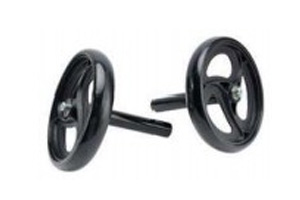
Las ruedas y las plataformas para los pies determinan cómo funciona el producto en baldosas, pavimento, suelos de clínicas y superficies domésticas. Los frenos son importantes en los andadores multifuncionales. Las piezas del asiento deben ser firmes, fáciles de limpiar y reemplazables en caso de daños.
Los compradores deben solicitar piezas de repuesto como ruedas, tornillos, almohadillas de goma, piezas de freno, cojines de asiento y empuñaduras antes de realizar un pedido al por mayor.
Cómo evaluar a un proveedor de ayudas para caminar
Compruebe si el proveedor ofrece cobertura para varios tipos de ayudas para caminar.
Un proveedor con un solo modelo podría no ofrecer una planificación de categoría a largo plazo. La página de ayudas para caminar de Xunyu Medical incluye ayudas ligeras como el XY913L, el Knee Rollator-602, el XY-9001 (sin pedal) y el XY-9001. Esta variedad permite a los compradores comparar diferentes niveles de producto en un solo lugar.
Revisar la consistencia de los lotes en diferentes modelos.
La calidad de la muestra es solo el primer paso. Los compradores deben comprobar si el proveedor puede mantener la misma calidad de tubo, color, posición de los orificios, ruedas, almohadillas y embalaje en lotes repetidos.
Confirmar la cantidad mínima de pedido, los pedidos de modelos mixtos y la flexibilidad para realizar nuevos pedidos.
La cantidad mínima de pedido (MOQ) debe confirmarse según el modelo, el color, el embalaje y el nivel de personalización. Un pedido con modelos mixtos puede ayudar a los nuevos distribuidores a evaluar la demanda antes de aumentar el volumen de producción.
Consulte la información sobre OEM/ODM, etiquetado, manuales y soporte regional para embalaje.
Las marcas pueden necesitar un logotipo, el diseño de la caja, etiquetas con código de barras, manuales en el idioma local y empaques específicos para cada mercado. Estos detalles deben confirmarse antes de la aprobación de la muestra, no después de que comience la producción.
Pregunte sobre repuestos y respuesta posventa.
El soporte de repuestos es una de las maneras más sencillas de reducir las quejas. Pregunte por ruedas, tornillos, pastillas de freno, asientos, piezas de freno y embalaje de repuesto. Un buen proveedor debe ofrecer respuestas claras, no promesas vagas.
Preguntas frecuentes
P1: ¿Qué tipos de ayudas para caminar deberían preparar los distribuidores del sudeste asiático para 2026?
A1: Los distribuidores pueden preparar un andador básico, una ayuda médica ligera para caminar, un andador con ruedas para rehabilitación y una ayuda multifuncional para la movilidad en el hogar o en la comunidad. Esto ofrece al canal una gama de productos más clara.
P2: ¿Qué parámetros son los más importantes antes de pedir ayudas para caminar al por mayor?
A2: Los compradores deben verificar el material del cuadro, el grosor del tubo, la capacidad de carga, el ajuste de altura, la estructura plegable, las ruedas, las almohadillas para los pies, los frenos, las piezas del asiento, el tamaño de la caja, las piezas de repuesto y la consistencia del lote.
P3: ¿Se pueden personalizar los dispositivos de ayuda para caminar según las marcas o los mercados regionales?
A3: Sí. Personalización Puede incluir logotipo, color del marco, diseño de la caja, etiquetas, manuales, códigos de barras y combinaciones de modelos. La cantidad mínima de pedido (MOQ) depende del modelo y del nivel de personalización, por lo que los compradores deben confirmar los detalles antes de la aprobación de la muestra.
P4: ¿Cómo pueden los compradores reducir los problemas posventa en los pedidos de ayudas para caminar?
A4: Los compradores deben probar muestras, comparar la consistencia de los lotes, confirmar las piezas de repuesto, verificar el plegado y el ajuste de altura, y utilizar manuales claros. Para los modelos con ruedas o con asiento, se deben revisar cuidadosamente las ruedas, los tornillos, las pastillas, los frenos y las piezas del asiento antes de realizar pedidos al por mayor.


