

Cómo proteger sus derechos y elegir las sillas de ruedas adecuadas para viajes aéreos
Tiempo : Nov 20, 2025 Vista : 1.156

Las historias recientes, como la en la que United Airlines rechazó a los pasajeros el uso de sus sillas de ruedas, resaltan los momentos difíciles que enfrentan los usuarios de sillas de ruedas durante los vuelos. Estos eventos ocurren con frecuencia; afectan a miles de viajeros cada año. Esta guía actúa como tu mapa para aprender tus derechos y elegir buen equipo para volar. Veamos las leyes que lo apoyan, consejos útiles para viajes fáciles y elecciones sabias en sillas de ruedas de aviones. Ya sea que vuele mucho o que esta sea su primera vez, tener este conocimiento puede cambiar los viajes difíciles en simples. Al final, se sentirá preparado para subir al avión con facilidad, sabiendo cómo lidiar con los problemas y dónde encontrar opciones confiables.
Conoce tus derechos legales antes de volar
Conocer las reglas que las aerolíneas deben seguir puede realmente mejorar su tiempo de viaje. Las leyes están ahí para protegerte, pero solo ayudan si las conoces temprano. Esta parte explica las principales protecciones, desde avisos tempranos hasta lo que los transportistas deben darle. Con esta información, puedes ver problemas pronto y defenderte.
La regla de 48 horas y las políticas de notificación
Las aerolíneas tienen trabajos claros cuando se trata de pasajeros con discapacidades. La Ley de Acceso a Transportistas Aéreos en los Estados Unidos hace que los transportistas ayuden con sillas de ruedas si se les dice de antemano. En particular, la regla de 48 horas dice que debe informar a la aerolínea al menos dos días antes de su vuelo si necesita ayuda adicional, como poner su silla de ruedas en la cabina de la aeronave, pero incluso si se olvida decirles, no pueden rechazarlo completamente. Para los viajes fuera del país, las reglas pueden variar; consulte con grupos como la Agencia de Seguridad de la Aviación de la Unión Europea para obtener protecciones similares. Muchos usuarios saltan esta parte, lo que causa problemas en la puerta. Tome un poco de tiempo para llamar o utilizar la aerolínea’ s aplicación; Establece lo que esperar y detiene las sorpresas. Este sencillo paso le permite viajar sin preocupación adicional.
Con estos avisos básicos en su mente, es bueno ver lo que las aerolíneas deben hacer una vez que esté en el avión. Pasar de las reglas a sus tareas reales ayuda a obtener una visión completa de su seguridad durante el viaje.
Responsabilidades de la aerolínea para su silla de ruedas
Los transportistas asumen el trabajo de tratar con su equipo correctamente. Deben llevar su silla de ruedas plegable ligera de forma gratuita, ya sea que se quede en la cabina o vaya en el área de carga. Si ocurre un daño, las aerolíneas pagan por reparaciones o nuevas, hasta $ 3,500 en algunos casos bajo la ley de los Estados Unidos. Para sillas de ruedas plegables de carretilla de viaje, dan ayuda para montar y desmontar si lo necesita. Los trabajadores de la puerta y la tripulación deben saber cómo manejar las sillas de ruedas de tránsito de varillas de tracción sin causar daños. Los hechos reales del Departamento de Transporte muestran más de 10.000 quejas de mal manejo de sillas de ruedas al año, así que pida etiquetas especiales. Esto asegura que su silla de ruedas plegable de avión reciba la atención que necesita, manteniéndose en movimiento cuando aterriza.
Conocer estos trabajos lleva a lidiar con tiempos más difíciles. Cuando los derechos no son seguidos, saber qué hacer a continuación puede cambiar un mal momento en uno fijo, y mantiene su respeto todo el tiempo.
Qué hacer si se enfrenta a la discriminación
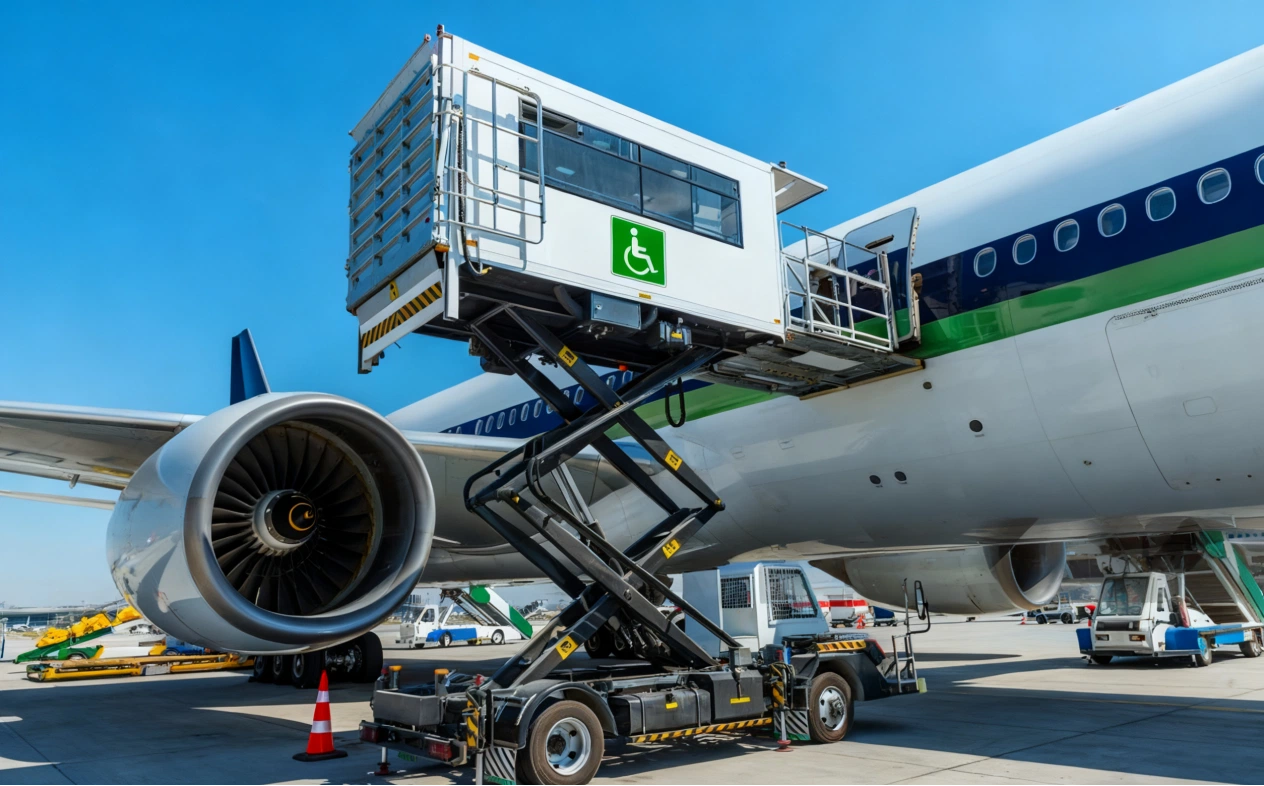
La discriminación aparece de formas sutiles, como ser negado el embarque debido a su silla de ruedas de viaje de aerolínea. Primero, mantén la calma y pide a un supervisor. Documente los nombres, horarios y detalles de inmediato. La ley prohíbe la desigualdad de trato; en caso de violación, presentar una queja con la aerolínea dentro de los 45 días. Para vuelos estadounidenses, escale al DOT’ La División de Protección al Consumidor de Aviación manejó 1.200 casos de este tipo solo el año pasado. A nivel internacional, organizaciones como la Asociación Internacional de Transporte Aéreo ofrecen directrices. Buscar testigos si es posible; Sus cuentas refuerzan su caso. Recuerde, usted’ Tenemos derecho a la igualdad de acceso, por lo que rechacemos educadamente pero firmemente. Este enfoque no solo resuelve su problema, sino que ayuda a mejorar los servicios para otros.
Dominar los pasos prácticos para un viaje sin problemas
El conocimiento legal es una base sólida, pero los viajes reales requieren una preparación práctica. Desde las listas de control hasta las conversaciones en el mostrador, estos pasos convierten el caos potencial en rutina. Nosotros’ Cubriremos formas prácticas de hacer que su experiencia en silla de ruedas de vuelo sea sin problemas, basándose en historias de viajeros y consejos de expertos.
La lista de verificación previa al vuelo que necesitan los usuarios de sillas de ruedas
Comience con un plan sólido para las próximas semanas. Verifique que su silla de ruedas de vuelo se ajuste a las especificaciones de la cabina: la mayoría de las aerolíneas permiten dispositivos de hasta 33 pulgadas de ancho cuando se doblan. Empaquete piezas de repuesto como baterías para modelos alimentados, y confirme las reglas de TSA sobre los de iones de litio (menos de 300 vatios-horas generalmente vuelan bien). Asistencia en línea; servicios como acompañantes de silla de ruedas son gratuitos. Compruebe el clima en las paradas, ya que la lluvia puede afectar al manejo de su silla de ruedas plegable ligera. Una llamada rápida a la aerolínea confirma asignaciones de asientos cerca del frente para un embarque más fácil. Utilice aplicaciones para rastrear los cambios de puerta. Esta lista reduce los riesgos: los estudios muestran que los viajeros preparados enfrentan un 40% menos de problemas.
Tener su lista lista lista allana el camino para conversaciones claras en el aeropuerto. Pasar de la preparación a la interacción asegura que comunique las necesidades de manera efectiva, colmando la brecha entre la planificación y la ejecución.
Comunicación efectiva en el mostrador de check-in
En el check-in, la claridad cuenta. Explica tus necesidades por adelantado: “ Tengo una silla de ruedas de carrito de viaje plegable que I’ d como almacenado en la cabina.” Muestra las dimensiones si se le pide: muchas sillas de ruedas de tránsito con barra de tracción miden menos de 25 pulgadas plegadas, que se ajustan a los contenedores aéreos. Preguntar sobre los procedimientos de embarque; El acceso prioritario es estándar. Si surgen barreras lingüísticas, utilice aplicaciones de traducción o solicite un intérprete. Los viajeros reales informan que las peticiones educadas y específicas conducen a mejores resultados: una encuesta encontró un 75% de satisfacción cuando los usuarios hablaron temprano. Evitar las suposiciones; confirmar todo por escrito a través de correo electrónico después del check-in. Esto crea un récord y establece un tono positivo para el vuelo.
Una vez que la comunicación fluye, el enfoque se vuelve a su propio equipo. Preparar su silla de ruedas plegable de avión para diferentes lugares de almacenamiento une estos pasos, asegurándose de que’ es seguro sin importar dónde pase.
Prepara tu silla de ruedas para la cabina
El almacenamiento en cabina es ideal para artículos delicados. Asegúrese las piezas sueltas en su silla de ruedas de viaje de aerolínea con corbatas o bolsos. Para los sujetos, retire las baterías y los marcos de la almohadilla para prevenir las hendiduras. Las etiquetas con su información de contacto ayudan si se manejan mal. Los fabricantes de sillas de ruedas de aleación de aluminio de carbono como Xunyu Medical diseñan modelos lo suficientemente resistentes para carga, con pesos de alrededor de 20 libras para levantamientos fáciles. Prueba los mecanismos plegables en casa: la práctica dura menos de 30 segundos para la mayoría de las sillas de ruedas plegables ligeras. Si el tuyo es de gran tamaño, solicite la verificación de la puerta. Esta preparación minimiza el daño; Los datos indican que el equipo protegido sobrevive al 90% de los viajes sin daños.
Encuentra la silla de ruedas perfecta diseñada para viajes aéreos
Más allá de lo básico, el equipo adecuado eleva su viaje. Nosotros’ Exploraremos las características que más importan, desde el peso hasta la calidad de construcción. Esto lo guía hacia opciones como sillas de ruedas de vuelo construidas para la durabilidad, ayudándole a adaptar sus necesidades a productos de fuentes fiables.
-
Características clave: Mecanismo ligero y plegable
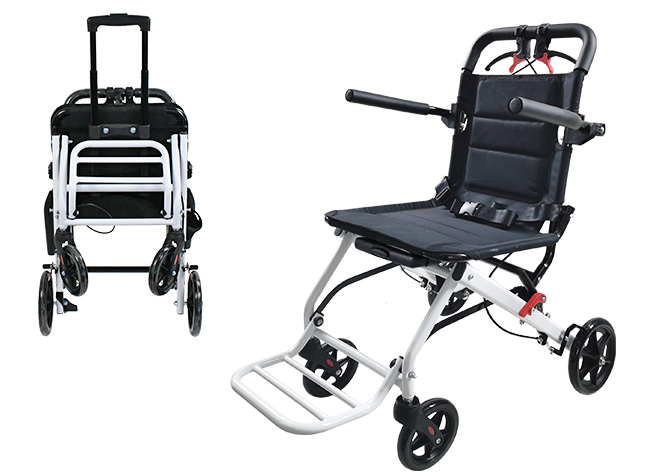
El peso y la plegabilidad encabezan la lista para los viajes aéreos. Una silla de ruedas plegable ligera de menos de 20 libras facilita el manejo a través de los aeropuertos. Busque diseños plegables rápidamente: los mecanismos de un solo empuje ahorran tiempo en seguridad. Materiales como la aleación de carbono de aluminio los mantienen resistentes pero ligeros, ideales para sillas de ruedas de aviones. El plegado a tamaños compactos (24 x 12 x 30 pulgadas) se adapta a la mayoría de los gastos generales. Los usuarios elogian estos por reducir la fatiga; Un estudio observó un 60% menos de tensión en los compañeros. Priorizar las ruedas anti-punta para la estabilidad en las rampas. Estos rasgos hacen que las sillas de ruedas plegables sean versátiles para vuelos y más allá. A medida que consideramos estos elementos fundamentales, el tamaño y la fuerza entran en juego.
-
La importancia del tamaño y la durabilidad
El tamaño dicta dónde va su silla de ruedas, demasiado grande, y’ s ligado a la carga, arriesgando daños. Apunta a modelos menores de 34 pulgadas de ancho desplegado, plegable a los límites de la aerolínea. La durabilidad brilla en marcos de alta resistencia; Los fabricantes de sillas de ruedas de aleación de carbono y aluminio las fabrican para manejar cargas de 230 libras sin doblarse. Xunyu Medical’ Los diseños de S, por ejemplo, mezclan la ligereza con la tenacidad, sobreviviendo a cargas abultadas. Las pruebas reales muestran que tales sillas de ruedas de tránsito de varilla de tracción soportan 500 ciclos de plegamiento sin desgaste. Esto es importante para los viajeros frecuentes, reduciendo los costos de reemplazo a la mitad en comparación con las opciones más baratas. Elija sabiamente para evitar fallos a mitad del viaje.
Construyendo en la durabilidad, let’ destacar modelos específicos. La transición a las recomendaciones nos permite mostrar sillas de ruedas plegables de avión probadas que encarnan estas cualidades, dándole opciones tangibles para su próximo viaje.
-
El compañero de viaje confiable
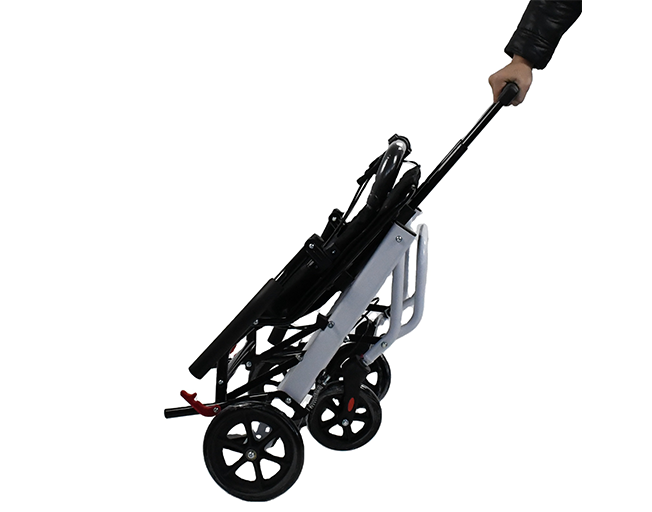
Xunyu Medical’ Modelo de varilla de tracción blanca de 8 pulgadasEsta silla de ruedas de viajes de aerolínea pesa solo 16 libras, se pliega en segundos y cuenta con una varilla de tracción para un remolque fácil. Hecho por un fabricante líder de sillas de ruedas de aleación de aluminio de carbono, it’ s construidos para vuelos con juntas reforzadas. Este producto prioriza la comodidad, haciendo que su viaje aéreo sea más fácil y suave.
Saber cómo responder cuando las cosas van mal
Incluso con la preparación, surgen problemas. Esta parte le equipa con estrategias de respuesta, desde anotar detalles hasta buscar ayuda. Basándose en casos reales, estos consejos convierten los reveses en momentos de aprendizaje.
Documentación del incidente en tiempo real
Actúa rápidamente cuando hay problemas. Tome fotos de daños en su silla de ruedas plegable ligera, incluya sellos de hora. Nota los nombres del personal y los números de vuelos. Aplicaciones como grabadoras de voz capturan conversaciones discretamente. Un viajero’ registros detallados condujeron a un reembolso completo en un caso DOT. Reunir contactos de testigos; su aportación agrega peso. Esta evidencia construye una base sólida, a menudo resolviendo asuntos antes de la escalada.
Desde los registros inmediatos, pasa a los canales oficiales. La exploración de los procesos de quejas asegura que su voz se escuche de manera efectiva, vinculando la documentación a resultados prácticos.
Presentar una queja formal que obtenga resultados
Envíe las quejas rápidamente, en un plazo de 60 días para obtener los mejores resultados. Utilice formularios de aerolínea, detallando los eventos cronológicamente. Adjunta fotos y recibos para reparaciones a tu silla de ruedas de avión. Esperar respuestas en 30 días bajo las reglas de los Estados Unidos; Seguir si no. Las presentaciones exitosas recuperaron más de $ 1 millón en compensación el año pasado. Ser factual, evitando la emoción; Esto fortalece su posición. Si no está satisfecho, acuda a los reguladores.
Cuando los caminos internos se detienen, la ayuda externa amplifica los esfuerzos. Dirigirse a recursos más allá de la aerolínea proporciona un apalancamiento adicional, completando su kit de herramientas de respuesta.
Buscar apoyo y recursos externos
Póngase en contacto con grupos como los Veteranos Paralísicos de Estados Unidos para obtener consejos: asistieron a 5.000 viajeros anualmente. La asistencia legal de los abogados de derechos de discapacidad puede ser gratuita inicialmente. Los foros en línea comparten historias similares, ofreciendo plantillas para quejas. Para problemas de engranajes, póngase en contacto con fabricantes como Xunyu Medical para obtener soporte de garantía. Estas redes convierten el aislamiento en fuerza comunitaria.
Conclusión
Los viajes aéreos no deben ser una carrera de obstáculos para los usuarios de sillas de ruedas. Aproveche sus derechos en virtud de leyes como la Ley de Acceso a los Transportistas Aéreos, prepárese con listas de verificación que cubran todo, desde las baterías hasta el embarque, y seleccione el equipo construido para la tarea, como un equipo resistente. silla de ruedas de vueloCuando surjan desafíos, documenten exhaustivamente y sigan las quejas con persistencia.
En Xunyu MédicoDiseñamos opciones fiables como nuestras sillas de ruedas plegables ligeras para manejar las demandas de viajes, de pie como su socio en la movilidad. ¿Listo para tomar decisiones informadas? Contacta con nosotros en paddy17727303057@outlook.com orientación personalizada. Tus aventuras te esperan, libre de preocupaciones.


