

Cómo usar una muleta correctamente: consejos de expertos para un mejor equilibrio y movilidad
Hora : 16 de diciembre de 2025 Vista : 1.001

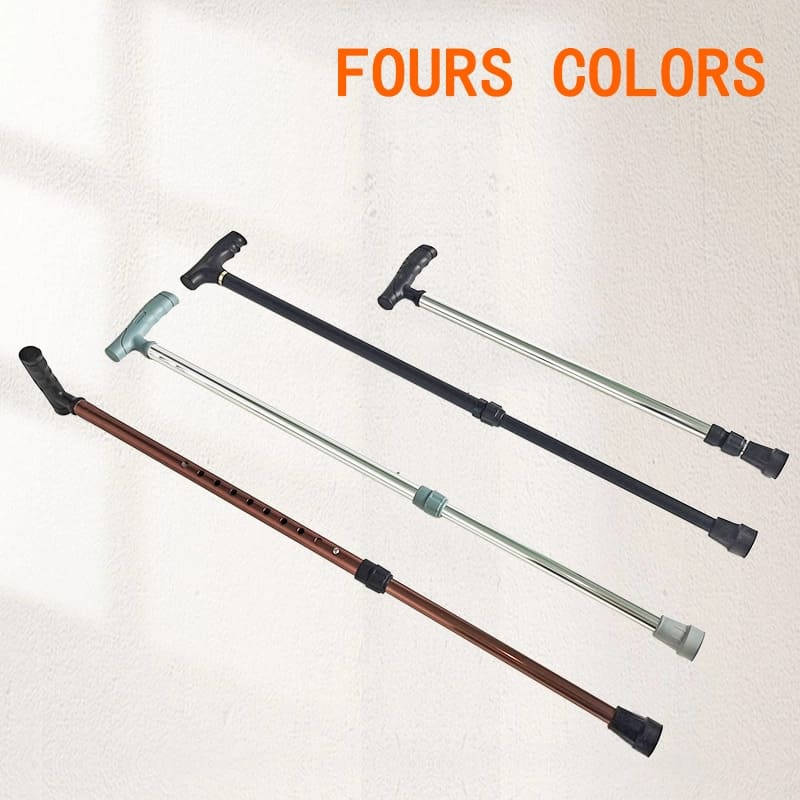
Usando una bastón muleta La manera correcta comienza con la configuración correcta de la altura. El mango debe alcanzar el nivel de la muñeca cuando los brazos cuelgan naturalmente, y los codos deben mantener una curva suave de 20-30 °. Esta posición permite un cambio de peso seguro y un equilibrio constante. Los diferentes patrones de caminar coinciden con la cantidad de peso que puede llevar la pierna lesionada. Los métodos especiales de escalera mantienen el movimiento seguro. La comodidad proviene de las manijas bien formadas y los puños firmes del antebrazo. Modelos como XUNYU MEDICAL XY-920 y XY-925 ofrecen piezas ajustables y puntas de goma fuertes que se agarran bien al suelo. Siempre hable primero con un médico o terapeuta. Las buenas muletas que encajan adecuadamente hacen que la recuperación sea más rápida y la vida diaria sea más fácil.
Importancia del uso adecuado de la caña para la movilidad y la rehabilitación
El papel de las muletas del antebrazo en la recuperación y la movilidad diaria
Las muletas del antebrazo requieren un poco de equilibrio y fuerza del brazo. Cuando una pierna está herida, estas herramientas mueven el peso corporal a la pierna sana y los brazos. La presión en el área dolida disminuye mucho, y la curación se vuelve más suave. Las muletas del antebrazo extienden la carga a través de las manos, los antebrazos y los hombros. Este diseño protege la parte inferior del cuerpo mucho mejor que bastones simples.
El uso correcto importa mucho. El tamaño adecuado y el estilo de caminar reducen la posibilidad de caerse y aceleran la curación. Los hábitos equivocados pueden ralentizar el progreso o causar nuevo dolor. El personal médico siempre debe comprobar el ajuste y enseñar los pasos correctos antes de que comience el uso regular.
Cuándo considerar el uso de una muleta
Las muletas ayudan a las personas después de la cirugía, después de huesos rotos o con problemas de piernas a largo plazo. Ofrecen soporte ligero o alivio completo del peso, dependiendo de la lesión. Los modelos XUNYU MEDICAL XY-920 y XY-925 funcionan para muchas situaciones diferentes porque se ajustan fácilmente y se sienten cómodos incluso después de horas de uso.
Ajustar el bastón de muleta para ajustarse correctamente al usuario
Medición para una altura y ajuste óptimos
La altura correcta hace que todo sea más seguro. Manténgase recto en zapatos normales. Deja los brazos sueltos. La parte superior del mango debe alinearse con el pliegue de la muñeca. Este simple control mantiene los hombros relajados y los brazos en posición natural.
Los codos necesitan una pequeña curvatura de unos 20-30 grados al sostener el mango. Un espacio de tres dedos debe caber entre la axila y la parte superior del puño. Estos pequeños detalles detienen el dolor y dan un control constante.
Posicionamiento del manguito del antebrazo
El puño se sienta dos o tres pulgadas por debajo del codo. Sostiene el antebrazo suavemente pero firmemente. Los buenos puños permiten que el brazo oscile libremente mientras mantiene la muleta de caer.
Producto recomendado: XUNYU MEDICAL XY-920 Diseño ajustable
El XY-920 tiene cambios sencillos de altura con botón y pasadores de bloqueo fuertes. Los usuarios pueden cambiar la longitud rápidamente a medida que la hinchazón disminuye o la fuerza vuelve. El diseño se adapta tanto a las necesidades hospitalarias como a la comodidad del hogar.
Dominar las técnicas de caminar con seguridad con una basta de muleta
Ajuste la técnica de caminar con muleta en función del estado de carga: parcial, sin peso o carga completa. Comience con pasos cortos y alargue gradualmente los pasos a medida que mejora la fuerza y la confianza para una movilidad segura y eficiente.
Técnicas basadas en el estado de carga
Estrategia de rodamientos de peso parcial
Cuando la pierna lesionada pueda tocar el suelo ligeramente, mueva ambas muletas hacia adelante juntas. Luego levanta la pierna dolida para encontrarlos. Finalmente pasa con la pierna fuerte. Este patrón mantiene el peso extendido de forma segura.
Protocolos de rodamientos sin peso
Cuando no se permita ningún peso en la pierna mala, mueva ambas muletas hacia adelante primero. Balance o salta la buena pierna hasta las muletas. Mantenga la pierna herida levantada todo el tiempo. La práctica hace que el movimiento sea suave.
Adaptación de rodamientos de peso completo
Cuando ambas piernas pueden llevar peso, las muletas ayudan principalmente al equilibrio. Camine casi normalmente mientras toca ligeramente las muletas al suelo para mayor seguridad.
Mejorar la eficiencia de la marcha con el tiempo
Cuando empieza a usar muletas, es’ Es una buena idea usar pasos muy cortos. A medida que su lesión mejore o se sienta más seguro, puede aumentar la longitud de sus pasos.
Navegar por escaleras con seguridad usando muletas de antebrazo
Escaleras con estabilidad
Sube, lidera con la pierna fuerte. Arriba el cuerpo. A continuación, lleve la pierna dolida y ambas muletas juntas en el mismo paso. Repita hasta la cima.
Descendiendo escaleras sin riesgo de lesiones
Bajando, coloque ambas muletas y el pie dolido en el escalón inferior primero. Cambie el peso hacia adelante con cuidado. A continuación, baje la buena pierna para unirse a ellos. Moverse lentamente para mantenerse a salvo.
Ventajas sobre otras ayudas a la movilidad en las escaleras
Las muletas de antebrazo manejan las escaleras mucho mejor que los caminantes o los rodadores. La forma delgada del XY-925 permite un fácil control incluso en escalones estrechos.
Mejorar la comodidad a través de opciones de diseño de manija
Elija manijas ergonómicas o de agarre amplio para distribuir la presión de manera uniforme y reducir el dolor en las manos, o agregue cubiertas de espuma suave a las manijas estándar para mejorar la comodidad durante todo el día.
Evaluación de manijas estándar vs ergonómicas
Apoyos de plástico estándar
Las manijas de plástico estrechas básicas pueden lastimar después de un uso prolongado porque la presión permanece en puntos pequeños.
Alternativas ergonómicas o de agarre amplio
Manijas más anchas o con forma extienden la carga por toda la palma. El dolor en las manos disminuye y el agarre permanece fuerte más tiempo.
Opciones de accesorios para mayor comodidad
Las cubiertas de espuma suave se deslizan sobre cualquier mango y agregan cojín. Muchos usuarios de los modelos XUNYU MEDICAL a menudo agregan estas almohadillas para la comodidad de todo el día.
Elegir entre los puños abiertos y cerrados del antebrazo
Características de Open Cuff Designs
Los puños abiertos se deslizan y se apagan rápidamente y rara vez se agarran en las mangas. Se mantienen ligeros y sencillos.
Beneficios de los modelos de manguito cerrado
Los puños cerrados envuelven alrededor del brazo. Incluso si la mano se abre, la muleta permanece en su lugar. Esta seguridad adicional ayuda a los usuarios que se cansan rápidamente.
XUNYU MEDICAL XY-925: Sistema de manguito cerrado seguro
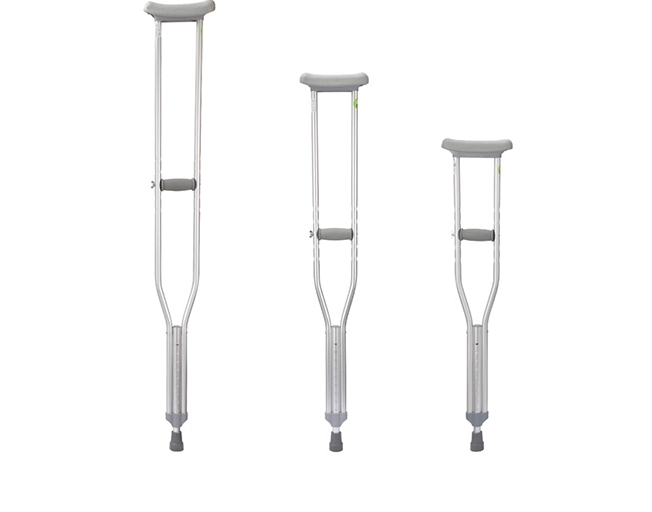
El XY-925 utiliza un manguito de bisagra inteligente que se abre ancho para una fácil entrada pero se cierra firmemente durante la caminata. El diseño da libertad y seguridad.
Consideraciones para usuarios a largo plazo de bastones de muleta
Modelos ajustables
Los sistemas pulsadores permiten que la longitud cambie según sea necesario. La hinchazón o el crecimiento ya no obligan a una nueva compra.
Opciones de longitud fija
Algunos usuarios prefieren modelos fijos a medida porque se sienten más rígidos y hacen menos ruido.
Características de durabilidad importantes para el uso diario
Las ferrulas de alta tracción proporcionan la valiosa función de proporcionar agarre en el suelo y reducir la posibilidad de deslizarse. Los productos de XUNYU MEDICAL utilizan materiales ligeros pero de alta resistencia optimizados para una durabilidad de grado clínico.
Comparando las muletas del antebrazo contra las muletas del antebrazo en la práctica
Diferencias funcionales en la distribución del soporte
Los modelos de antebrazo involucran a los músculos de la parte superior del cuerpo de manera más uniforme sin comprimir los nervios axilares.
Beneficios a largo plazo en comodidad e independencia
Como las muletas del antebrazo no llevan este peligro, podría considerarse otra ventaja de su uso. Su forma compacta también los hace más fáciles de maniobrar en espacios confinados.
Preguntas frecuentes
P: ¿Cómo determino si necesito un bastón o un par de muletas?
R: Una muleta funciona para ayudar a equilibrar suavemente. Se necesita un par cuando una pierna debe mantenerse completamente fuera del suelo. El médico decide la mejor opción.
P: ¿Puedo usar las bastones de muleta de XUNYU MEDICAL al aire libre en terreno desigual?
R: Sí. Tanto el XY-920 como el XY-925 vienen con puntas de goma gruesas que agarran el pavimento, la hierba, la grava y los pisos interiores de forma segura.
P: ¿Cuál es la diferencia entre el modelo XY-920 y XY-925?
R: Ambos se ajustan fácilmente. El XY-920 tiene un manguito abierto para un uso rápido. El XY-925 agrega un manguito cerrado para mayor seguridad y control durante caminatas más largas.


