

Votre conception de chaise de douche est-elle prête pour le marché des soins aux personnes âgées de 2026 ?
Date : 9 juin 2026 Vue : 1 136
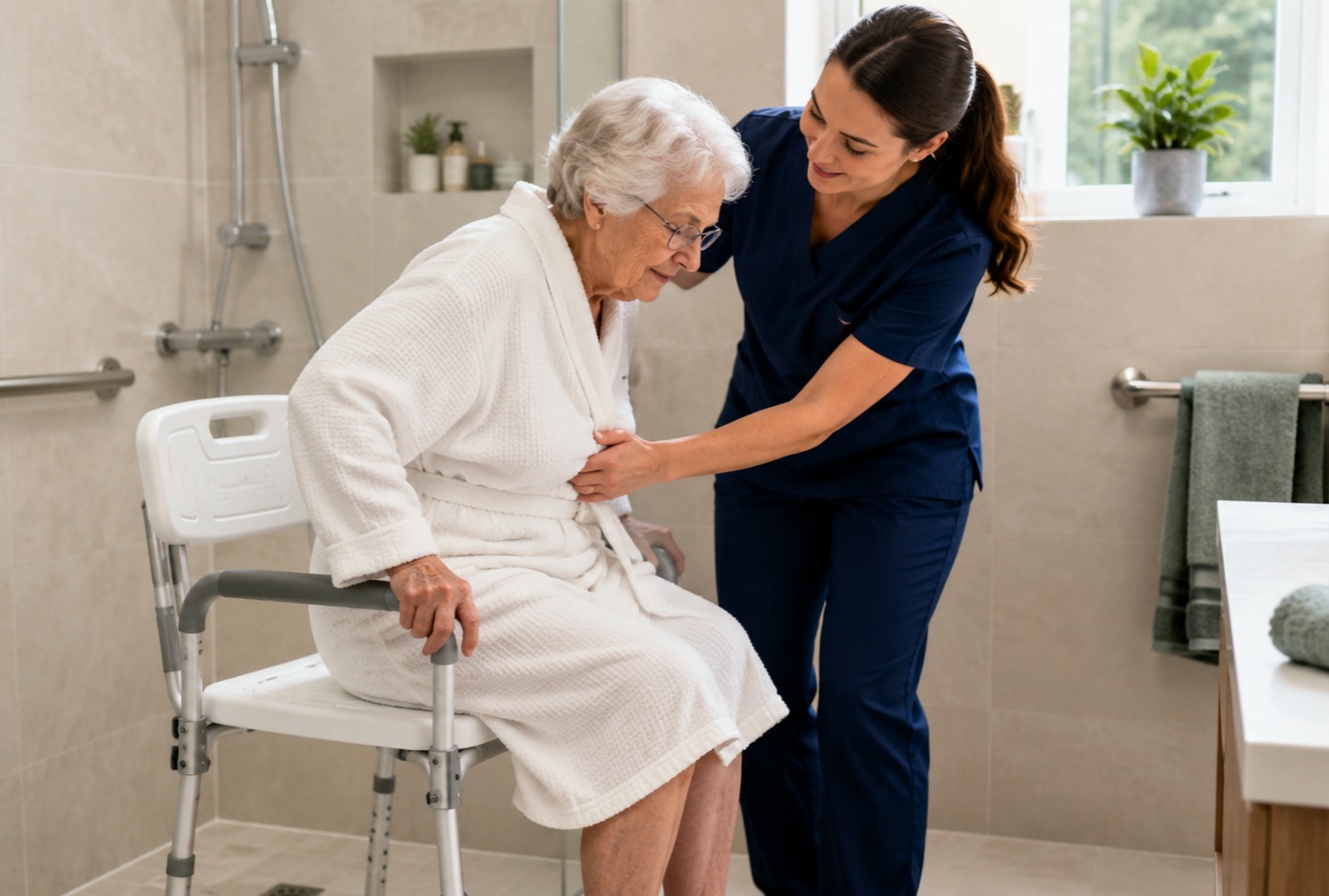
A 2026 chaise douche Il ne s'agit pas seulement de fournir un siège. Pour les acheteurs de matériel de soins aux personnes âgées, la question essentielle est de savoir s'il facilite les transferts, l'assistance des aidants, la toilette et une utilisation quotidienne à long terme. Avant sa commercialisation, le produit doit répondre aux exigences fondamentales de sécurité, de confort et de durabilité.
Facteurs critiques dans le choix des chaises de douche pour la sécurité des personnes âgées
Évaluation de la capacité de charge et de l'intégrité structurelle
Lors du choix d'un siège de douche pour fauteuil roulant ou autre aide à la mobilité, la capacité de charge du fauteuil roulant est un critère essentiel, tout comme celle des autres équipements de bain. Un cadre renforcé et élargi est particulièrement adapté aux utilisateurs, car il offre un équipement robuste qui ne cède pas sous la contrainte. La stabilité du siège est primordiale pour un transfert en toute sécurité et pour éviter tout mouvement lors de son utilisation, notamment avec l'aide d'un aidant.
Évaluation des dimensions du siège et de sa conception ergonomique
L'interface avec l'utilisateur, ou la partie du siège de douche intégrée au cadre, doit être conçue de manière anatomique. La largeur de l'assise doit offrir un espace suffisant pour le corps de l'utilisateur sans pour autant gêner ses déplacements dans la salle de bain ni empêcher le siège de s'adapter à la plupart des cabines de douche standard.
Le conception ergonomique La conception de l'assise permet une répartition uniforme du poids, ce qui contribue à prévenir les irritations cutanées liées à une position assise prolongée. Pour les personnes à la peau sensible ou dont l'assise présente un rembourrage naturel limité, l'ajout de coussins peut s'avérer bénéfique.
De plus, le fauteuil pourrait être entièrement revêtu de matériaux élastiques haut de gamme, tels que des coussins de dossier en cuir gris et des matériaux doux au toucher similaires et déperlants. Ces coussins offriraient également une protection contre les surfaces dures avec lesquelles l'utilisateur pourrait entrer en contact en position assise. Si ce type de produit vous intéresse, nous vous invitons à consulter notre gamme de produits. Xunyu Médical.
Caractéristiques de stabilité avancées pour prévenir les glissements
Une chaise conçue pour être utilisée dans des environnements humides doit comporter plusieurs éléments qui assurent sa stabilité, notamment la stabilité de sa base et le soutien du torse et des bras de l'utilisateur.
Le rôle des pieds antidérapants et de la technologie d'aspiration
Les points de contact du fauteuil avec le sol sont essentiels pour prévenir les risques de glissement. Les larges embouts en caoutchouc des pieds assurent une adhérence optimale sur les sols carrelés mouillés ou savonneux. Pour les applications exigeant une sécurité maximale, des ventouses sont également prévues au sol, permettant aux personnes ayant besoin d'une position stable pour se baigner. Ces ventouses créent un effet de succion et empêchent tout déplacement latéral du fauteuil. L'assise est dotée de surfaces antidérapantes texturées. Celles-ci empêchent l'utilisateur de glisser vers l'avant pendant le bain et lui permettent ainsi de maintenir une position stable, même sur les sols mouillés ou savonneux où l'adhérence est réduite.
Importance des accoudoirs et du soutien lombaire
Le soutien du haut du corps est aussi important que celui de la base. De plus, les dossiers standards offrent un soutien suffisant au tronc des personnes à la force réduite. Les accoudoirs, fixes ou amovibles, facilitent la descente et le relèvement, soulageant ainsi considérablement l'aidant.
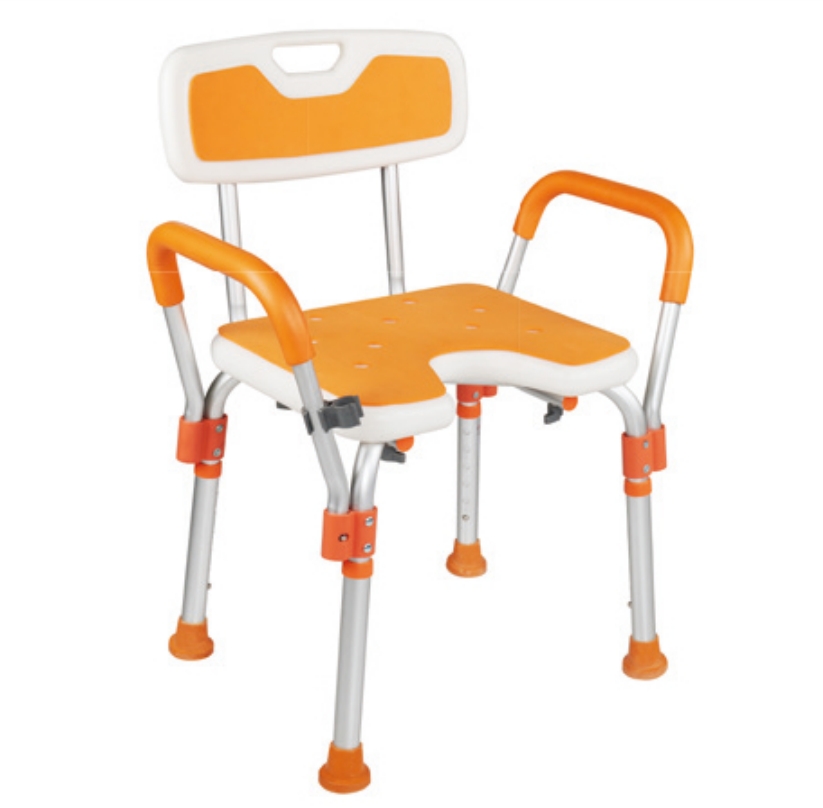
Le revêtement de la main courante en polyuréthane est doux et confortable, très résistant et peu sujet aux dommages. Les accoudoirs rembourrés sont très bénéfiques car ils préviennent les ecchymoses et, surtout, facilitent la prise en main par les patients, même avec les mains mouillées.
Adaptations fonctionnelles pour divers environnements de soins
L'adaptabilité est la caractéristique essentielle des solutions de mobilité sans souci pour différents environnements de soins de santé.
Mécanismes de hauteur réglables pour un ajustement personnalisé
Le réglage en hauteur progressif permet d'ajuster précisément la chaise à la longueur des jambes de l'utilisateur. Réglez la chaise à la hauteur souhaitée et alignez les trous. Comme pour tout ce qui concerne la hauteur d'une chaise, il est essentiel que celle-ci soit correctement réglée afin que les pieds de l'utilisateur reposent à plat sur le sol, ce qui optimise la stabilité et évite de basculer vers l'avant.
Siège antidérapant et système de drainage pour un bain plus sûr
La gestion de l'eau, une fonctionnalité essentielle des chaises de bain utilisées par les professionnels de santé et du secteur médico-social, est assurée par des orifices de drainage dans l'assise. Ces orifices permettent une évacuation rapide de l'eau, ainsi que du savon. L'écoulement de l'eau réduit les risques de macération cutanée et de glissement de la chaise pendant son utilisation. (Xunyu Medical) XY785L est un très bon exemple qui répond à ces exigences.
Des patins antidérapants efficaces ont été intégrés au pied du siège de douche pour améliorer le contact avec le sol, garantissant ainsi que le siège ne bouge pas sur le carrelage de la salle de bain malgré un débit d'eau élevé.
Xunyu Medical a ainsi conçu une combinaison d'un siège perforé et de pieds à haute adhérence, afin de garantir une gestion efficace de l'eau et la sécurité de l'utilisateur ainsi que du professionnel de santé et du secteur social qui l'assiste dans la salle de bains.
Considérations relatives à l'hygiène et à l'entretien en 2026
Face à l'élévation des exigences en matière d'hygiène des produits de bain destinés aux personnes à mobilité réduite, les matériaux utilisés dans ces produits doivent pouvoir être nettoyés selon des normes plus strictes et posséder des propriétés anticorrosion ainsi que des propriétés antimicrobiennes, notamment pour les produits haut de gamme du marché des soins de santé.
Les matériaux doivent être sélectionnés pour leur résistance à l'humidité et aux produits de nettoyage. Les revêtements antimicrobiens inhibent la prolifération des bactéries et des champignons en milieu humide, un point crucial dans les sanitaires partagés. La surface, traitée par une technologie de pointe, offre un aspect moderne et des couleurs éclatantes. Surtout, elle est galvanisée pour une résistance optimale à la décoloration et à la rouille. La quincaillerie anticorrosion garantit la solidité des boulons et des joints malgré l'humidité, évitant ainsi toute défaillance structurelle. Enfin, les trous de drainage du siège empêchent la stagnation de l'eau, réduisant considérablement les risques d'irritation cutanée chez les personnes âgées.
Pour maintenir un environnement stérile autour du patient, le matériel utilisé dans les hôpitaux doit pouvoir être nettoyé rapidement et en profondeur. Les chaises aux surfaces lisses et sans recoins se nettoient facilement des résidus de savon et des saletés, évitant ainsi la formation de dépôts et d'incrustations d'agents pathogènes. Les parties amovibles de ces chaises doivent également être faciles à nettoyer afin d'éliminer toute saleté, même dans les moindres recoins des articulations du cadre.
FAQ (questions fréquentes)
Q1 : Comment s'assurer qu'un soignant a réglé le siège de douche à la bonne hauteur ?
A1 : Pour une stabilité optimale, l’utilisateur doit avoir les pieds bien à plat sur le sol. Si nécessaire, le soignant peut l’aider à se redresser. Ensuite, les rallonges pour les jambes sont ajustées de façon à ce que le siège arrive au niveau des genoux de l’utilisateur. Xunyu Medical propose de nombreux modèles de chaises de douche réglables en hauteur (5 positions), adaptés à différents utilisateurs et configurations de salle de bain.
Q2 : Quel entretien faut-il effectuer sur une chaise de bain pour éviter la rouille ?
A2 : Les chaises de bain nécessitent un nettoyage régulier ; par exemple, séchez-les avec un chiffon sec après chaque utilisation afin d’éliminer toute trace d’humidité et de savon. Vérifiez périodiquement l’état des articulations et des ferrures. De plus, une chaise de bain robuste en alliage d’aluminium haute résistance avec une finition électroplaquée minimisera les risques de corrosion en milieu humide.
Q3 : Quelles caractéristiques rechercher pour prévenir les irritations cutanées avec les chaises de bain ?
A3 : Choisissez des chaises dont l’assise et le dossier sont ergonomiques et munis de trous d’évacuation pour éviter que l’eau ne stagne contre la peau. L’assise et le dossier doivent être rembourrés de matériaux imperméables de haute qualité, comme le polyuréthane ou le cuir souple, afin d’absorber les points de pression et d’éviter les irritations pendant le bain.


