

Top Lightweight Medical Walker Choices for Professionals in 2026
Time : Apr 10, 2026 Vue : 23
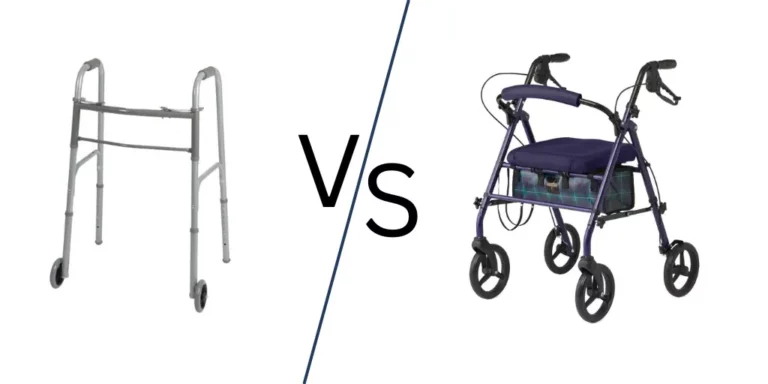
Lightweight medical walkers help improve safe movement in professional healthcare settings. In 2026, they are valued for easier handling, better support, and greater comfort during recovery and daily care. Before choosing a model, it is important to understand how they support mobility and rehabilitation.
Understanding the Role of Lightweight Medical Walkers in Professional Healthcare
Mobility aids play a key role in helping patients recover and allowing older people to stay independent. Among these tools, lightweight medical walkers have grown very important in hospitals, rehab centers, and home care settings. Their build aims to cut down on physical effort while keeping strong structure, which makes them perfect for short recovery periods and ongoing daily use.
Foshan Xunyu Medical Technology Co., Ltd. sits in Danzao Town, Nanhai District, Foshan City, Guangdong Province. It runs as a company focused on making helper devices for older folks. The plant takes up 4,000 square meters and works hard to give the elderly safer and cozier ways to live. Xunyu Medical’s focus on new ideas and designs centered on users has built it a solid reputation among health workers around the world. If you want solid options for movement in medical or home settings, check out Xunyu Médical to see its modern line of walkers and helper tools made for pro-health places.
The Importance of Lightweight Design in Medical Walkers
The light build of a medical walker really shapes how users feel about it. A lower frame weight cuts tiredness during long sessions, so patients can walk more smoothly and with more sureness. For those who help, this leads to better handling when guiding patients from one room to another or in therapy spots. Easy to carry also matters a lot—designs that fold make moving them simple through hospital areas or even in cars for visits at home.
Light frames do more than boost movement; they also push steady use in healing stages. When people see their walker as simple to manage, they stick to rehab plans much better. This mix of less weight and solid strength comes from smart choices in materials and body-friendly planning.
How Professionals Evaluate Walker Performance
Health workers check walker quality by looking at things like frame material, how it adjusts, brake work, and full steadiness. A body-friendly shape makes sure of ease during long times of use, which is vital in rehab plans where folks depend on walkers every day. Tests for lasting strength in fake medical setups confirm that each piece can handle repeated pushes while following global safety rules.
Sticking to high medical-making rules sways buying choices in hospitals and old-care spots. Groups pick types that keep steady quality over years and cut down on fix-up costs.
Comparing Aluminum vs. Carbon Fiber Walkers
Choosing between aluminum and carbon fiber types usually hinges on weighing price against what you expect in medical places.
Structural Differences Between Aluminum and Carbon Fiber Walkers
Aluminum walkers stand out for being cheap and having a good mix of strength and light weight. They give reliable help without a high price, so they fit well for big buys in groups. On the other hand, carbon fiber types bring top-level work—giving great firmness at much less weight. Their clean look also draws in new health settings that want both use and nice style.
What material you pick changes not just how it feels but also what upkeep it needs over time. Carbon fiber fights rust well, so it works great in damp or outside spots, while aluminum holds up strong under regular clean cycles seen in hospitals.
Performance Analysis: Weight, Stability, and Comfort
Carbon fiber walkers often tip the scales lighter than aluminum ones, yet they hold up heavy loads just as well. This means easier sliding through small areas like hospital halls or patient rooms. Still, these perks cost more money, which makes sense because of better turning and less pull on the body during many moves.
Aluminum types stay very steady on different ground types and get used a lot in everyday medical tasks for their sure work and simple fixes. Both kinds let you change handle heights and add custom parts that match what each patient needs.
Xunyu Medical’s Lightweight Walker Series Overview
From the start, Xunyu Medical has put tech newness first, improving item shapes to meet the real wants of different groups. Every type adds changeable height parts, tougher joins, and easy fold setups, which help health workers give safer healing times.
Highlighting Xunyu Medical’s Aluminum Walker Models
Xunyu Aluminum Rollator Series Features
These rollators use plane-grade aluminum that brings fine lastingness without hurting easy carry. Changeable handle heights fit many user types, from those healing after surgery to older people needing help with daily walks. Frames that fold let you store them fast in tight spots like hospital storage or car storage areas.
Professional Use Cases for Aluminum Walkers
Aluminum rollators act as trusted items in rehab centers where sure footing matters most. Their strong but light make supports repeated daily pulls without frame wear. Hospitals often go for these when buying lots of gear because of low cost plus shown strength against damage from constant cleaning steps.
Exploring Xunyu Medical’s Carbon Fiber Walker Innovations
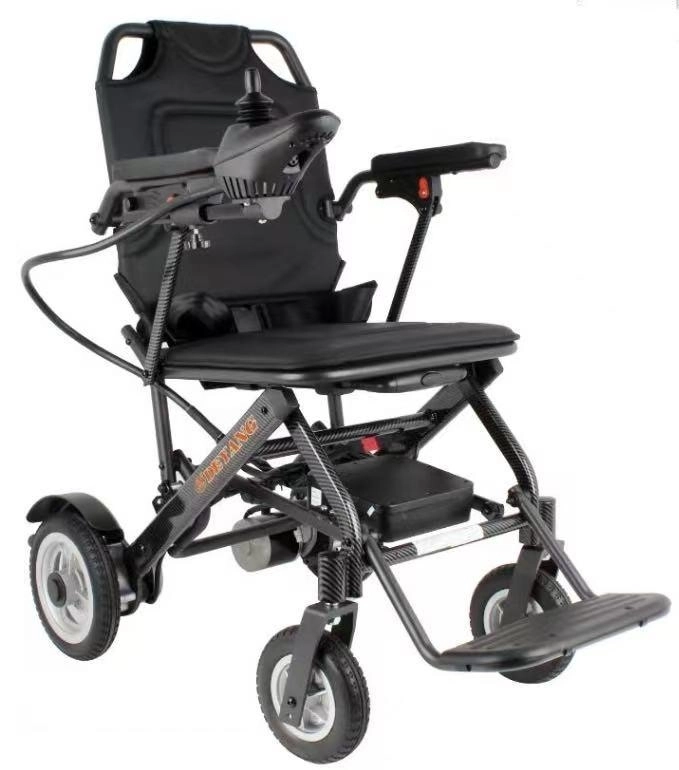
Key Features of Xunyu Carbon Fiber Models
Carbon fiber types change how we think of movement tools by giving super-light frames that boost handling even in tight spots like lifts or slim halls. They soak up shakes well, so walks feel smoother on bumpy ground, cutting shake pass to arms or shoulders in long walks.
Their fresh style fits fancy health places that mix use with good looks while keeping to safety laws.
Advantages for Healthcare Professionals and Patients
For helpers dealing with many patients each day, less gear weight cuts body pull when moving between areas or therapy rooms. Patients gain more trust from better grip on turns or dodging blocks. Plus, carbon fiber’s built-in fight against rust lengthens how long the item lasts, which helps a lot in beach areas or wet weather where metal rust happens often.
Factors to Consider When Choosing Between Aluminum and Carbon Fiber Walkers
Evaluating Clinical Requirements and Patient Profiles
When picking a medical walker for your place or work, think about patient details like weight-hold limit, movement skill, and healing goals. Short-time users getting over surgery might like cheap aluminum shapes for steady help in quick healing, but long-time users who move a lot could see carbon fiber as better for easy-hold traits.
Cost-Benefit Analysis in Professional Procurement Decisions
Money planning stays key when outfitting big places with movement helpers. Aluminum types give low prices with sure, checked work, great for normal hospital tasks where swap times need to stay set. Yet carbon fiber pieces back their high cost with clear gains like less helper tiredness and better patient happy marks over long stretches.
Why Professionals Trust Xunyu Medical for Mobility Solutions
Commitment to Quality and Innovation
Steady spending on research and growth keeps the world’s medical rules. Team-ups with health places sharpen body-easy parts based on real feedback from work, leading to gear that always fits changing patient hopes across the globe. Comprehensive OEM/ODM support, responsive project communication, and dependable after-sales service help healthcare buyers move from product selection to long-term use with greater confidence.
Building Long-Term Value Through Reliable Equipment
Strong build cuts stop time from fixing problems and stretch use life over many care rounds. A strong build lowers upkeep costs as time goes on. Steady item work builds group faith in buying teams looking for sure long ties backed by shown planning skills.
Questions fréquentes
Q1: What makes lightweight medical walkers different from standard ones?
A: Lightweight walkers use fresh materials like aluminum or carbon fiber to cut down total heaviness while keeping power, which boosts handling for patients and helpers over old steel-frame builds.
Q2: Are carbon fiber walkers worth their higher price?
A: Yes, they bring top easy carry, rust fight, and body ease that backs the bigger start cost with longer life and less helper work as time passes.
Q3: Can lightweight medical walkers be used outdoors?
A: Yes, both aluminum and carbon fiber types work well inside or outside because of strong wheel parts and weather-proof covers that keep them steady on many ground types.


