

Que faut-il considérer lors du choix d'un siège de douche pour les adultes à mobilité limitée?
Heure : 04 février 2026 Vue : 615
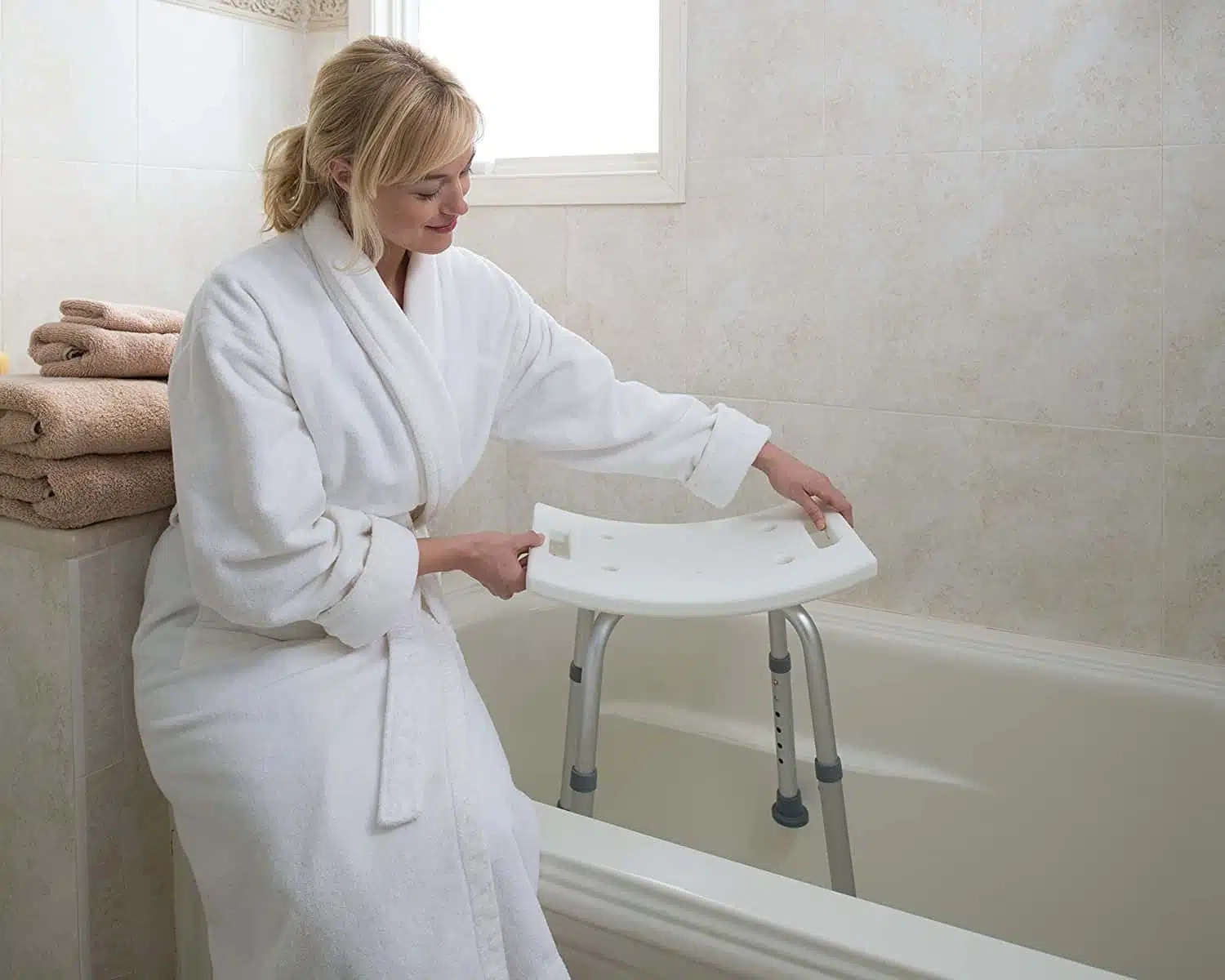
Un siège de douche destiné aux adultes ayant une mobilité restreinte représente bien plus qu’un achat ordinaire, mais fonctionne comme un composant vital de sécurité. Un tel choix affecte directement les risques de chute, l'effort nécessaire des soignants, les résultats en matière d'hygiène et la capacité de maintenir l'indépendance au fil du temps. Dans des environnements humides, même de mineurs défauts de conception peuvent entraîner des blessures importantes. Lorsqu'il est soigneusement choisi, le siège sert de support de poids fiable plutôt qu'un simple accessoire de salle de bain.
L'évaluation des sièges de douche uniquement en fonction du coût ou de la taille néglige souvent des aspects essentiels, tels que la fermeté structurelle globale, la durabilité et les performances pratiques dans les situations quotidiennes. Le choix d’un siège de douche approprié doit donc être considéré comme un élément intégrant d’un cadre plus large, qui englobe la biomécanique, les restrictions imposées par l’environnement et la fiabilité tout au long de la durée de vie du produit.
Pourquoi un siège de douche est-il un dispositif de sécurité plutôt que de simples meubles?
Un tel siège fonctionne dans l'un des environnements intérieurs les plus dangereux car les surfaces lisses, les résidus de savon glissants, les variations thermiques et les changements répétés de position du corps entraînent tous des risques.
Comment réduire la probabilité de chute ?
Les utilisateurs qui restent assis pendant le lavage ressentent moins de changements soudains dans leur centre de gravité vertical. Se tenir debout sur des carreaux glissants pendant les virages ou les virages vers l'avant crée souvent une instabilité côte à côte qui devient particulièrement prononcée chez les personnes ayant une diminution de la force des jambes ou des difficultés liées aux nerfs. Un siège bien positionné réduit la durée de la position debout sans soutien et fournit une base fiable lors du déplacement.
Pourquoi le bain assisté nécessite-t-il un soutien structurel?
Lors du bain assisté, le siège doit tolérer non seulement le poids corporel, mais aussi les forces hors axe des soignants. La poussée latérale, le soulèvement partiel et les corrections soudaines de la posture introduisent des charges dynamiques qui dépassent les valeurs statiques simples. Un produit conçu comme meuble tient rarement compte de ces conditions.
Quelle capacité de charge devriez-vous prévoir en utilisation réelle?
La capacité nominale ne doit jamais être interprétée comme un point de fonctionnement confortable.
Comment calculer la charge effective ?
Vous devez prendre en compte le poids corporel de l’utilisateur, la charge d’impact pendant l’assise, la force horizontale pendant le transfert et la pression vers le bas des soignants. Le pic de tension résultant peut dépasser le poids corporel nominal de 30 à 50 %.
Pourquoi la charge dynamique est-elle plus critique que la charge statique ?
La résistance à la fatigue détermine la vraie durée de vie. La micro-déformation répétée affaiblit les joints en aluminium et les trous de réglage de hauteur. Les tuyaux de faible qualité peuvent survivre aux essais statiques mais échouer après des mois de vibration et de torsion.
Comment la stabilité détermine-t-elle les résultats quotidiens en matière de sécurité ?
De nombreux accidents de salle de bains signalés se produisent sans rupture structurelle.
Qu'est-ce qui rend les pieds antidérapants fiables?
La composition du caoutchouc à haute frottement, la grande surface de contact et la texture de canalisation de l'eau réduisent l'hydroplaning. Les petits tapis de pieds ou les bouchons en plastique dur perdent rapidement l'adhérence sur les carreaux vitrés.
Comment la géométrie des jambes affecte-t-elle l’équilibre ?
Le support à quatre points avec un espacement latéral suffisant résiste aux moments de basculement. Les tubes minces se plient sous une charge asymétrique et les mécanismes de verrouillage fiables sur les jambes télescopiques empêchent le micro-effondrement pendant l'assise.
Comment le confort et l’hygiène interagissent-ils lors d’une utilisation à long terme ?
L'inconfort réduit la conformité et une mauvaise hygiène accélère la dégradation des matériaux.
Pourquoi la conception de la surface du siège est-elle importante?
Les trous de drainage empêchent l'accumulation d'eau et les bords arrondis évitent la concentration de pression sur les cuisses. Les motifs antidérapants moulés stabilisent la posture sans textures agressives qui piègent les résidus.
Comment les matériaux affectent-ils l’efficacité du nettoyage ?
L'aluminium anodisé résiste à la corrosion des détergents, les polymères de qualité médicale empêchent la rétention d'odeurs et les surfaces rugueuses accumulent du film de savon et la croissance microbienne.
Quel type d'installation convient à différents environnements de salle de bains?
Les limites d'espace et la capacité de l'utilisateur définissent la configuration.
Quand un simple tabouret de bain est-il suffisant?
Dans les salles de bains compactes ou où les utilisateurs conservent une capacité de debout partielle, un tabouret léger minimise l'obstruction et simplifie le repositionnement.
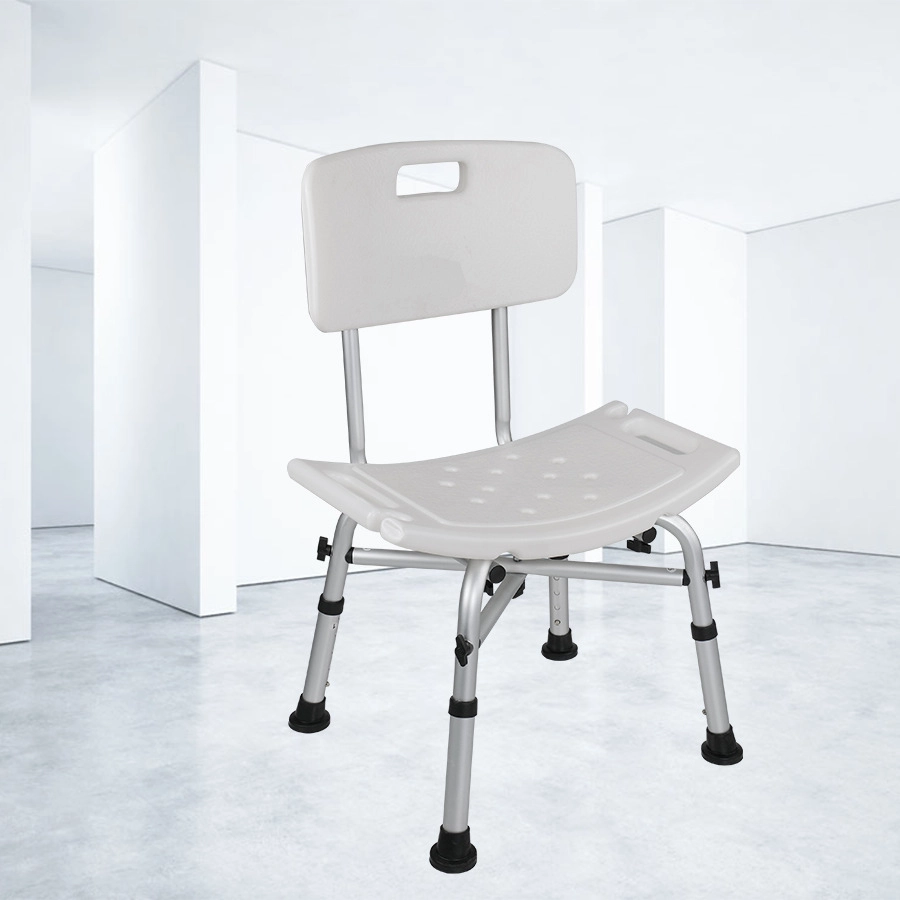
Un exemple représentatif est le Tabouret de bain XY798L-02qui utilise un cadre en aluminium, une structure de hauteur réglable et des pieds antidérapants pour le support de bain assis de base. Cette catégorie convient à la perte de mobilité transitoire, mais pas aux utilisateurs nécessitant des transferts assistés.
Quand choisir une chaise avec dossier et accoudoirs ?
Au fur et à mesure que le contrôle postural s’affaiblit, le soutien structurel doit augmenter.
Comment les accoudoirs supportent-ils les transferts?
Les accoudoirs servent de chemins de charge pendant le mouvement assis-debout, permettant aux utilisateurs de pousser verticalement au lieu de tirer latéralement sur des dispositifs instables. Pour les soignants, ils offrent des points de préhension sécurisés.
Pourquoi un dossier augmente-t-il la confiance ?
Un dossier limite l'inclinaison postérieure et réduit la peur de tomber, ce qui provoque lui-même des mouvements soudains et de l'instabilité. Le Chaise de douche XY-894 intègre le soutien au dos, les accoudoirs et la structure des jambes renforcée pour les scénarios de baignade assistée.
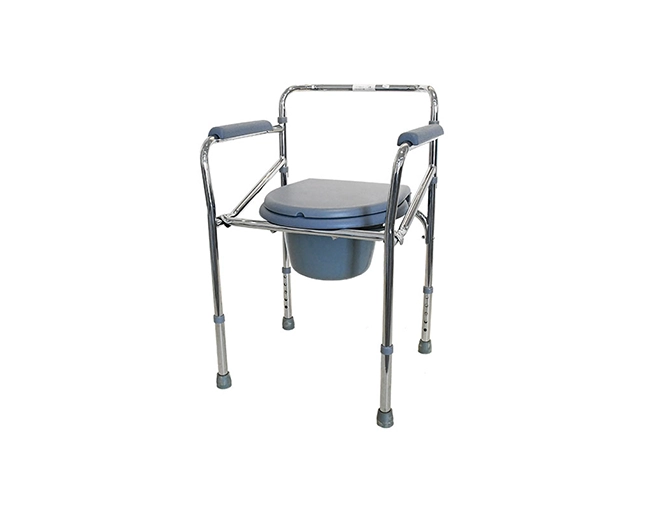
Comment les détails de conception peuvent-ils révéler une véritable expérience de soins?
La maturité de l'ingénierie apparaît dans de petites caractéristiques.
Quelles dimensions influent sur l’usabilité quotidienne ?
-
La largeur du siège doit correspondre à la largeur de la hanche plus le volume des vêtements
-
La hauteur de l'appuie-bras doit s'aligner sur la position du coude en posture neutre
-
La hauteur du siège devrait permettre un angle de genou d'environ 90° pour réduire la tension articulaire
Pourquoi la simplicité réduit-elle le fardeau des soins ?
L'assemblage sans outils, les surfaces uniformes et les cadres légers réduisent le temps passé à gérer l'appareil, réduisent les exigences de nettoyage et réduisent les risques lors de la relocation. Des conceptions complexes ont tendance à créer des complications inutiles, en particulier dans les établissements de soins.
Qui est Xunyu Medical dans la fabrication de dispositifs d'assistance aux personnes âgées?
Xunyu Médical est un fabricant spécialisé dans les dispositifs d'assistance pour les populations vieillissantes. Notre installation de production, d'une superficie d'environ 4000 mètres carrés, se concentre sur des équipements tels que chaises de douchemarcheurs, béquilles, commodes de chevet, accoudoirs de toilette et structures de soutien à la mobilité. Notre entreprise met l'accent sur la conception axée sur les fonctions et poursuit l'amélioration continue des produits pour correspondre aux scénarios d'utilisation réels.
Jusqu'à présent, nos produits ont été exportés en Europe, en Amérique du Nord, au Moyen-Orient et dans la région Asie-Pacifique, fournissant à la fois les distributeurs de soins de santé et les grandes plateformes de commerce électronique. Nous positionnons la sécurité, la durabilité et la dignité de l’utilisation comme des principes fondamentaux de développement tout en élargissant les investissements dans la recherche et la fabrication durable.
Comment équilibrez-vous prix, durabilité et valeur du cycle de vie ?
Le coût initial reflète rarement le coût total.
Qu'est-ce qui échoue en premier dans les sièges de faible qualité?
-
Les pieds en caoutchouc durcissent et perdent la frottement
-
Les joints télescopiques se détachent
-
Les fixations corrodent
-
Sièges en plastique fissures sous cyclisme thermique
Pourquoi la durabilité change-t-elle le coût total ?
Chaque remplacement introduit du travail d'installation, des temps d'arrêt et un risque de chute renouvelé. La stabilité à long terme préserve la confiance des utilisateurs et réduit la probabilité d'incidents, ce qui entraîne des coûts humains et institutionnels.
Conclusion
La sélection du siège de douche devrait être considérée comme une tâche d'ingénierie de sécurité plutôt que comme un achat de routine. Le bon modèle dépend de la force et de la coordination de l’utilisateur, de la géométrie de la salle de bain, du niveau d’implication des soignants, de la fréquence d’utilisation attendue et de la durée de vie ciblée.
Lorsqu'il est correctement choisi, un siège de douche réduit la probabilité de chute, améliore la conformité à l'hygiène et favorise la vie indépendante. Cependant, lorsqu’elle est mal choisie, elle devient une autre source d’instabilité dans un environnement déjà à haut risque.
Questions fréquentes
Q1: Comment savez-vous si un tabouret de bain ou une chaise de douche complète est plus approprié?
R: Lorsque l'individu gère de brèves périodes de debout et maintient l'équilibre tout au long des transferts, une selles de base s'avère souvent adéquate. Si la stabilité posturale semble compromise ou si une aide extérieure devient nécessaire, une chaise équipée de soutien au dos et d'accoudoirs offre généralement une meilleure protection.
Q2: Les jambes réglables sont-elles vraiment nécessaires?
R : Oui. L'ajustement de la hauteur assure que les angles de joint corrects sont atteints, que le contact des pieds approprié est fait et qu'il peut accueillir des planchers de salle de bain inégaux.
Q3: Quelle devrait être la durée de vie d'un bon siège de douche?
R: Avec un cadre en aluminium, une durée de vie viable de quelques années peut être attendue. Cependant, il est recommandé de remplacer l'unité une fois que les joints se sont détaches ou que les surfaces antidérapantes sont compromises.


