

Cosa offre un supporto migliore dopo un intervento chirurgico al ginocchio nel 2026, una sedia o le stampelle?
Data: 2 giugno 2026 Visualizzazione : 1.139
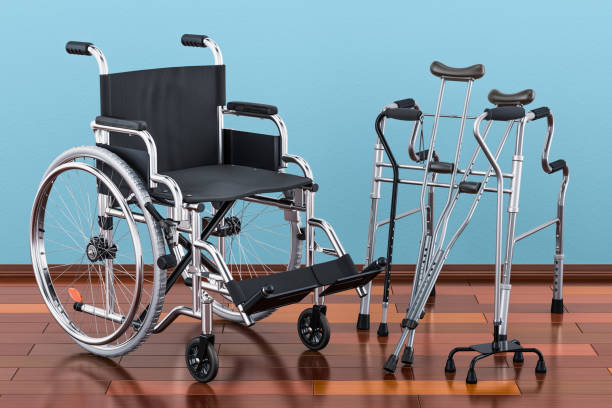
Dopo un intervento chirurgico al ginocchio, il supporto alla mobilità va oltre la semplice scelta dell'ausilio più robusto. Oggi i pazienti valutano comfort, sollievo dalla pressione, facilità di spostamento e libertà quotidiana. Nel 2026, sentieri e stampelle Entrambi gli aspetti sono molto importanti, ma il loro valore dipende dalla fase di recupero, dalla forma fisica e dalle specifiche esigenze di movimento.
Evoluzione delle tendenze in materia di mobilità dopo un intervento chirurgico al ginocchio nel 2026
Il mondo della riabilitazione dopo un intervento chirurgico al ginocchio è in rapida evoluzione. Grazie ai progressi tecnologici, l'attenzione si concentra sempre più sulla facilità d'uso, sull'autonomia e su un percorso riabilitativo senza intoppi.
Cambiamenti negli approcci al recupero post-operatorio
Una maggiore enfasi sul comfort e sull'autonomia nella riabilitazione ha dato vita a nuove idee sugli ausili per la mobilità tradizionali. Chi si sta riprendendo da un intervento chirurgico al ginocchio ora cerca soluzioni che riducano lo stress e migliorino il controllo. Medici e terapisti sottolineano l'importanza di tecnologie flessibili che favoriscano movimenti sicuri e graduali senza sovraccaricare le articolazioni doloranti.
Il declino nell'uso tradizionale delle stampelle
Le stampelle sono state per anni uno strumento fondamentale dopo gli interventi al ginocchio, ma oggi i loro svantaggi sono più evidenti. Molte persone si ritrovano con lividi sotto le ascelle dovuti a lunghe sessioni e a una distribuzione non uniforme del peso. Inoltre, camminare con le stampelle richiede un vero e proprio sforzo che necessita di forza nella parte superiore del corpo e di un buon equilibrio, una richiesta faticosa durante la convalescenza. Per spostamenti frequenti o brevi, le stampelle spesso causano stanchezza e aumentano il rischio di scivolamenti, risultando quindi meno adatte alle esigenze odierne.
Nel 2026, con l'evoluzione dei dispositivi per la mobilità nella vita quotidiana, le preferenze dei pazienti si orienteranno verso soluzioni motorizzate che offrano un supporto stabile e una maneggevolezza semplice. Le stampelle ideali dopo un intervento al ginocchio potrebbero non essere più le stampelle tradizionali, ma piuttosto delle piccole carrozzine elettriche progettate per facilitare gli spostamenti.
L'ascesa delle carrozzine elettriche leggere come soluzione per la mobilità
Le carrozzine elettriche leggere sono diventate popolari tra coloro che si stanno riprendendo da un intervento chirurgico e desiderano una mobilità senza pensieri e una maggiore autonomia.
Le innovazioni tecnologiche che guidano il cambiamento
Le aziende investono energie in piccole costruzioni che funzionano bene a casa o in viaggio. Ad esempio, Xunyu Medical XY-D13T Presenta un telaio principale in fibra di carbonio con una funzione di chiusura rapida azionabile con un solo tasto, per aprirlo e richiuderlo in un attimo. Questa innovazione rispecchia la più ampia tendenza verso soluzioni pratiche e resistenti, adatte a stili di vita dinamici.
Anche le prestazioni delle batterie hanno fatto passi da gigante. Alcuni prodotti sono alimentati da batterie al litio ternarie di lunga durata, che consentono distanze di percorrenza maggiori durante gli intervalli di ricarica e mantengono prestazioni stabili durante la ricarica. Questi progressi permettono alle persone in fase di recupero di continuare a svolgere le attività quotidiane senza continue interruzioni dovute alla batteria.
Benefici per i pazienti dopo un intervento chirurgico al ginocchio
A differenza delle stampelle, le sedie a rotelle elettriche alleviano il carico sulla parte superiore del corpo e offrono maggiore stabilità durante la fase di recupero. L'inclinazione personalizzabile del sedile mantiene le ginocchia in una posizione corretta e favorisce la circolazione sanguigna, elemento chiave per evitare rigidità o gonfiore post-operatorio.
Confronto tra sedie a rotelle elettriche leggere e stampelle in termini di risultati di recupero
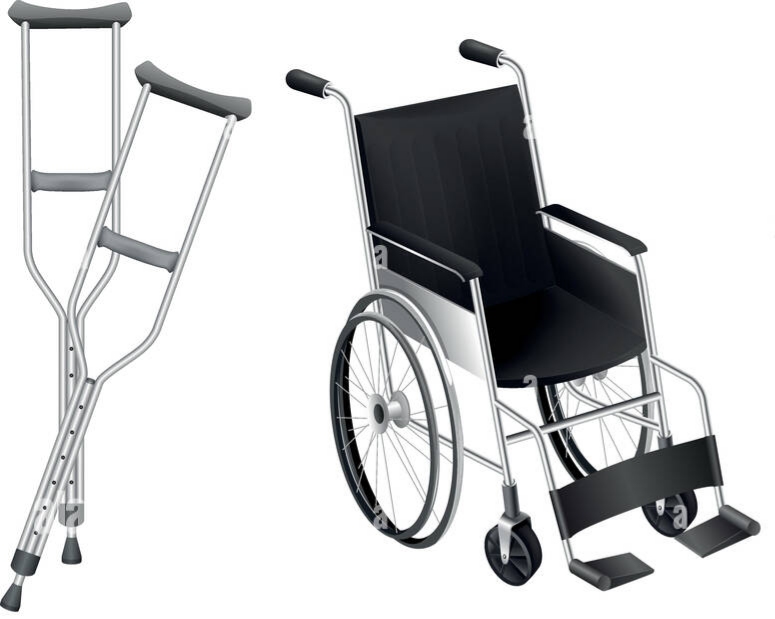
La differenza tra le stampelle e le sedie a rotelle leggere va ben oltre la semplice comodità: influisce direttamente sul successo del processo di guarigione.
Le carrozzine elettriche consentono movimenti fluidi e senza sforzo, mentre le stampelle richiedono equilibrio, lavoro di squadra e un uso costante delle braccia. Nelle aree urbane o negli aeroporti, dove l'accessibilità è fondamentale, le carrozzine elettriche offrono la massima libertà di movimento.
Tuttavia, le stampelle possono favorire la salute di tutto il corpo. Il movimento regolare riduce i rischi derivanti da una sedentarietà prolungata, come la perdita di massa muscolare o il blocco articolare, problemi che affliggono molte persone dopo un intervento chirurgico, quando le alternative sono limitate. Allo stesso tempo, il movimento controllato da seduti riduce il rischio di nuovi infortuni e favorisce una graduale integrazione della terapia attraverso esercizi da eseguire da seduti.
Fattori che influenzano la scelta tra sedia a rotelle elettrica e stampelle
La scelta tra sedia a rotelle elettrica e stampelle è legata alle esigenze di salute e a fattori della vita quotidiana connessi al percorso di guarigione di ogni persona.
Considerazioni mediche dopo un intervento chirurgico al ginocchio
Il tipo di intervento chirurgico determina quanto peso il ginocchio può sopportare nella prima fase di guarigione. I medici spesso consigliano inizialmente sedie a rotelle elettriche, per poi passare gradualmente ad ausili manuali come deambulatori o bastoni una volta che il ginocchio ha recuperato forza. I terapisti promuovono percorsi sicuri che adattano la scelta degli strumenti alle diverse fasi del processo di guarigione, non solo alla manualità.
Stile di vita e preferenze personali nelle decisioni di mobilità del 2026
Nel panorama digitale interconnesso del 2026, gli elementi della vita quotidiana assumono un peso maggiore nella scelta degli strumenti. Molte nuove carrozzine elettriche si connettono a sistemi di controllo digitale della salute che monitorano a distanza la postura o i livelli di sforzo articolare: una caratteristica utile per gli utenti tecnologici che desiderano monitorare con precisione i dati relativi alla crescita personale.
Opzioni di mobilità adatte ai viaggi per i pazienti del 2026
Con la ripresa dei viaggi internazionali nel 2026, chi si sta riprendendo da un intervento al ginocchio cerca strumenti flessibili che supportino sia la terapia che le attività all'aperto.
I modelli pieghevoli di piccole dimensioni consentono alle sedie a rotelle elettriche leggere di entrare facilmente nel vano bagagli dell'auto o nelle stive degli aerei. XY-D02L Il bracciolo può essere sollevato per facilitare la salita e la discesa dall'auto, sia da sinistra a destra che in verticale, senza doversi chinare. Questa gamma di regolazioni permette di passare agevolmente dalle impostazioni per il relax domestico a quelle per il viaggio.
La compatibilità con le pendenze, i caricabatterie per dispositivi mobili e le normative aeroportuali ne aumentano ulteriormente l'utilizzo nel mondo reale. Nel 2026, le normative delle compagnie aeree in materia di mobilità elettrica sono cresciute notevolmente, trasformando gli strumenti di mobilità elettrica in compagni di viaggio abituali per esigenze a breve o lungo termine.
Oltre ai vantaggi pratici, queste nuove idee apportano anche benefici a livello mentale: aiutano le persone a mantenere l'autonomia durante viaggi all'estero o vacanze in famiglia, mentre si riprendono con passi concreti anche al di fuori delle mura della clinica. La copertura assicurativa e le soluzioni di affitto agevolate hanno esteso la loro portata anche agli utenti che necessitano di soluzioni rapide durante il periodo di convalescenza.
Prospettive future: indipendenza di mobilità oltre il 2026
La tecnologia per la mobilità continua a spingere verso una stretta integrazione tra dati sanitari e dispositivi per la libertà personale.
Presto i sistemi di guida basati sull'intelligenza artificiale permetteranno alle persone in fase di recupero di muoversi in sicurezza e in autonomia anche in aree affollate. Dei sensori integrati nei sedili rileveranno i punti di spinta, la postura e gli spostamenti articolari, inviando direttamente i dati a programmi di riabilitazione a distanza, monitorati dai terapisti tramite un'app.
I team sanitari collaboreranno maggiormente tra loro, unendo competenze chirurgiche a conoscenze ingegneristiche, per creare piani di movimento personalizzati basati su dati in tempo reale, anziché su indicazioni generiche. I corsi di formazione garantiranno che i pazienti comprendano come queste apparecchiature avanzate possano migliorare la praticità d'uso senza compromettere gli standard di sicurezza stabiliti dai medici.
Domande frequenti
D1: Cosa rende le carrozzine elettriche leggere ideali dopo un intervento chirurgico al ginocchio?
A1: Riducono al minimo lo sforzo della parte superiore del corpo rispetto alle stampelle, garantendo al contempo un movimento stabile durante le fasi di recupero. Modelli come quelli prodotti da Tecnologia medica di Foshan Xunyu Co., Ltd. Presentano sedute dal design ergonomico che favoriscono il corretto allineamento delle ginocchia.
D2: Le stampelle sono ancora necessarie se utilizzo una sedia a rotelle elettrica?
A2: Nelle prime fasi della riabilitazione, quando il carico è limitato, i dispositivi motorizzati offrono alternative più sicure; tuttavia, il ritorno all'utilizzo di ausili manuali come i deambulatori rimane fondamentale una volta recuperata la forza, sotto la supervisione del chirurgo.
D3: In che modo le funzionalità digitali migliorano il recupero post-operatorio?
A3: I sensori integrati monitorano a distanza i parametri di correzione posturale, consentendo ai terapisti di regolare con precisione le routine di esercizi; questa connettività garantisce risultati di guarigione più rapidi grazie a cicli di feedback basati sui dati, aumentando la fiducia del paziente durante tutte le fasi della riabilitazione.


