

La vostra linea di prodotti è pronta per il mercato degli ausili per la deambulazione del 2026?
Data: 21 luglio 2026 Visualizzazione : 681
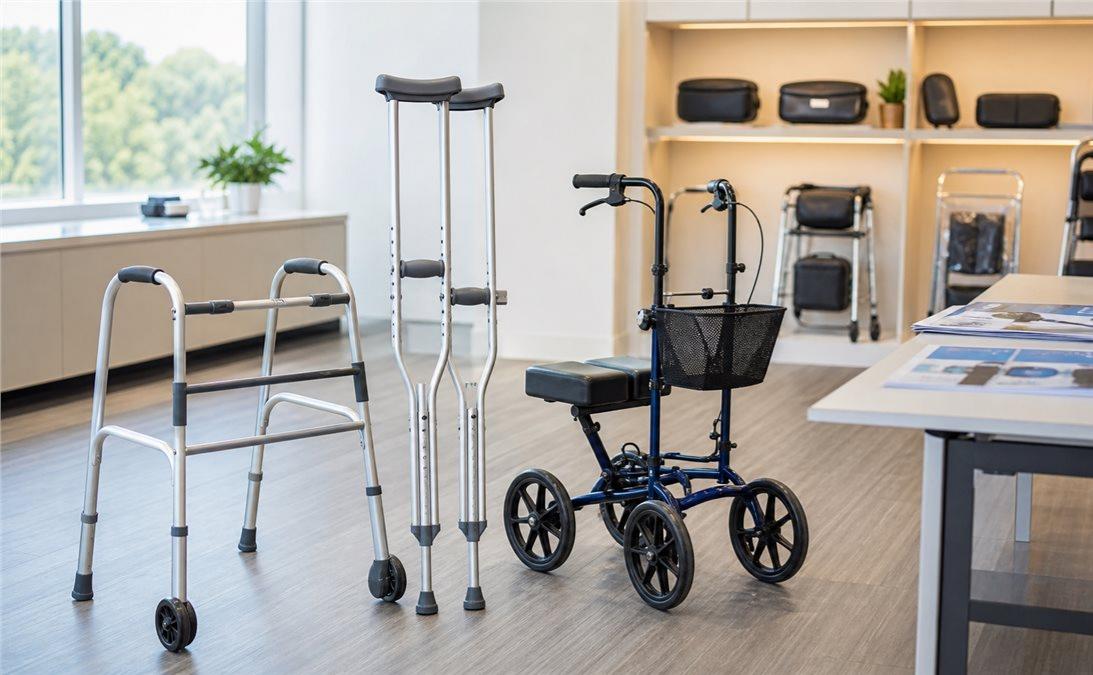
Il aiuti per camminare Il mercato non è più una piccola categoria aggiuntiva che i distributori possono aggiornare all'ultimo minuto. Per il 2026, molti acquirenti stanno già valutando se la loro gamma di prodotti può supportare contemporaneamente gli utenti anziani, i canali di riabilitazione, i progetti di assistenza domiciliare e gli scaffali dei negozi.
Perché gli ausili per la deambulazione diventeranno una categoria di prodotti sempre più importante entro il 2026
Gli ausili per la deambulazione sono solitamente considerati dispositivi semplici: qualche paio di stampelle, magari un deambulatore di base e un modello pieghevole pensato appositamente per gli anziani. Questo approccio non è più sufficiente per molti canali di distribuzione B2B. Ospedali, centri di riabilitazione, farmacie, fornitori di prodotti per la cura degli anziani e negozi online richiedono prodotti che siano più sicuri, più attraenti, facili da trasportare e adattabili alle diverse esigenze dei clienti.
Il problema non deriva unicamente dal crescente numero di persone anziane nella popolazione. L'acquirente dovrebbe considerare anche il tasso di reso dei prodotti, i problemi post-vendita, i requisiti di spazio espositivo, la disponibilità di pezzi di ricambio e la facilità con cui la forza vendita può distinguere i vari modelli.
Per la pianificazione del 2026, la domanda più importante non è se un'azienda abbia ausili per la deambulazione nel suo catalogo. La domanda più importante è se la linea di prodotti sia sufficientemente organizzata per un utilizzo effettivo del canale.
Cosa cercano gli acquirenti B2B prima di aggiungere nuovi ausili per la deambulazione
Struttura stabile e sicurezza quotidiana
La stabilità è il primo criterio di selezione. Gli acquirenti solitamente verificano il materiale del telaio, lo spessore delle pareti, l'impugnatura, il design dei poggiapiedi, i punti di chiusura e se la regolazione dell'altezza risulta solida anche dopo un utilizzo ripetuto. Per gli utenti anziani, anche una piccola oscillazione può rappresentare un rischio significativo. Per i distributori, la stessa oscillazione si trasforma in un problema di assistenza.
Comfort pratico per gli utenti anziani
In questa categoria, il comfort non è un aspetto secondario. È ciò che determina se un prodotto viene utilizzato quotidianamente o abbandonato in un angolo. Imbottiture sotto le ascelle, impugnature, maniglie e supporti per le ginocchia influiscono sull'esperienza dell'utente. Un acquirente che opera nel settore dell'assistenza agli anziani e della riabilitazione dovrebbe ricercare forme che riducano la pressione durante i movimenti ripetuti, non solo design che appaiano gradevoli nelle foto del prodotto.
Il prodotto deve inoltre essere adatto agli ambienti reali. Molti utenti anziani si spostano tra camere da letto, bagni, corridoi, ascensori, ambulatori e marciapiedi esterni. Un ausilio per la deambulazione troppo largo, troppo pesante o difficile da piegare potrebbe non essere efficace, anche se la struttura è tecnicamente robusta.
Confezionamento, pianificazione delle scorte e adattamento al canale di distribuzione
Per importatori e grossisti, l'imballaggio è parte integrante della scelta del prodotto. Le dimensioni della scatola, le fasi di assemblaggio, il posizionamento delle etichette e la protezione di piedini in gomma o parti in plastica influiscono sul costo di sbarco e sulla movimentazione in magazzino. Molti acquirenti iniziano con due o tre articoli collaudati, testano il feedback e poi aggiungono prodotti di supporto correlati una volta che il canale di distribuzione ha una domanda sufficiente.
Prodotti chiave per la deambulazione da valutare nella tua gamma 2026
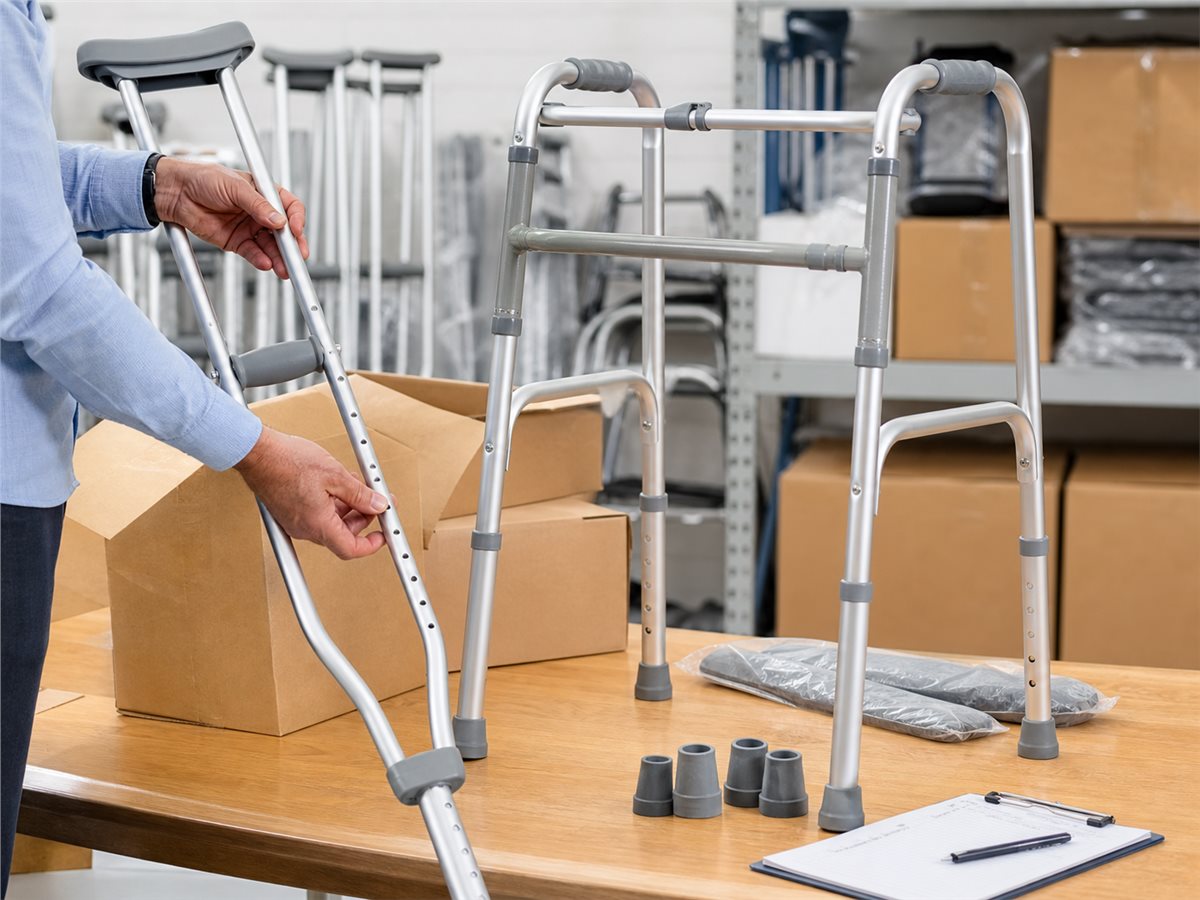
Stampelle per i canali di vendita al dettaglio e sanitario
Le stampelle sono ancora uno degli ausili per la deambulazione più facili da vendere nei canali di vendita al dettaglio, farmacia e forniture sanitarie, ma solo quando il design risulta affidabile. Altezza regolabile, finitura in alluminio pulita, comodo supporto ascellare e punte in gomma stabili contano più dei dettagli decorativi. Un modello come Crutch in lega di alluminio per la chirurgia XY-911 Si adatta al tipo di articolo che molti acquirenti utilizzano come SKU principale perché è semplice da spiegare, facile da immagazzinare e rilevante per diversi gruppi di utenti.
Quando si confrontano le stampelle, il team acquisti dovrebbe testare più volte i pulsanti di regolazione, non limitandosi a consultare l'intervallo di altezza indicato nel catalogo. Dovrebbe anche verificare che l'impugnatura risulti naturale e che le stampelle rimangano in equilibrio una volta appoggiate a terra. Per gli ordini all'ingrosso, questi piccoli dettagli riducono i reclami e facilitano gli acquisti ripetuti.
Deambulatori per anziani e per la riabilitazione
I deambulatori svolgono una funzione diversa rispetto alle stampelle. Sono spesso scelti per utenti che necessitano di un supporto più ampio e di movimenti più lenti e controllati. Nei progetti di assistenza agli anziani, un deambulatore deve risultare stabile senza essere troppo pesante. La struttura pieghevole è utile per riporlo in casa, trasportarlo in clinica e consegnarlo online, ma il punto di piegatura non deve dare l'impressione di essere fragile.
Un acquirente può anche prendere in considerazione prodotti di mobilità più specializzati come un Rotatore ginocchio-602 Quando il prodotto è destinato a utenti in riabilitazione che si stanno riprendendo da infortuni agli arti inferiori, la valutazione di questo tipo di deambulatore deve essere diversa da quella di un deambulatore standard. L'acquirente deve considerare il comfort della piattaforma per le ginocchia, la manovrabilità della maniglia, la stabilità delle ruote e la facilità di rotazione in un ambiente interno reale.
Deambulatore pieghevole leggero per l'assistenza domiciliare e il supporto quotidiano agli anziani.
Quando i clienti acquirenti prendono in considerazione una linea di ausili per la deambulazione, i deambulatori pieghevoli e leggeri possono essere molto più facili da commercializzare nei settori dell'assistenza domiciliare, dell'assistenza agli anziani e del recupero a breve distanza. Sono facili da riporre, facili da usare per gli anziani e molto più adatti a spazi ristretti rispetto ai prodotti ingombranti di tipo rollator. Ad esempio, un deambulatore pieghevole di questo tipo è il Xunyu Medical. XY913L-5 modello. Questo modello ha un telaio in lega di alluminio spesso 1,2 mm con finitura argento opaco. Altre caratteristiche includono la regolazione dell'altezza su 8 livelli, la possibilità di essere piegato e una capacità di carico di 100 kg.
Come valutare se la tua attuale linea di prodotti è pronta
Una rapida analisi della linea di prodotti dovrebbe iniziare dal canale di distribuzione dell'acquirente. Una catena di farmacie potrebbe aver bisogno di un packaging compatto e di una presentazione chiara al dettaglio. Un distributore di prodotti per la riabilitazione potrebbe essere più interessato alla struttura, ai pezzi di ricambio e alle differenze tra i modelli. Un fornitore di progetti sanitari potrebbe necessitare di una fornitura stabile, specifiche ripetibili e documenti che semplifichino la comunicazione in fase di gara.
Il passo successivo è eliminare le sovrapposizioni. Se tre modelli si rivolgono allo stesso utente, vengono venduti a un prezzo pressoché identico e non hanno una ragione chiara per coesistere, la gamma è probabilmente troppo affollata. Le differenze dovrebbero essere evidenti in termini di materiale, struttura, comfort, design pieghevole, tipologia di utente o idoneità al progetto.
Capacità dei fornitori che contano di più negli ordini all'ingrosso
Con l'aumentare del volume degli ordini, il rapporto con il fornitore diventa importante quanto il prodotto stesso. Gli acquirenti dovrebbero valutare la specializzazione della fabbrica, l'esperienza nella categoria di prodotto, la comunicazione relativa all'imballaggio, la rapidità di risposta ai campioni e la comprensione da parte del fornitore dei requisiti per l'esportazione. Una fabbrica specializzata principalmente in ausili per anziani è solitamente più facile da contattare rispetto a un fornitore generico di ferramenta che considera gli ausili per la deambulazione un prodotto secondario.
La produzione di Xunyu Medical si concentra su stampelle, deambulatori, sedie da doccia, comodini, braccioli per WC, braccioli per letto, rialzi per WC e prodotti correlati di supporto per anziani. Per gli acquirenti che preparano i programmi del 2026, il suo Supporto OEM e ODM Può essere utile quando è necessario apportare modifiche all'imballaggio, all'abbinamento dei colori, alla selezione del modello o alla presentazione specifica per il canale prima di effettuare un ordine all'ingrosso.
Per una nuova linea di prodotti, è consigliabile effettuare dei test su campioni prima di procedere a un ordine consistente. Foto e video sono utili, ma non sostituiscono la verifica della finitura del telaio, dell'assemblaggio, della protezione dell'imballaggio, del posizionamento delle etichette e della maneggevolezza effettiva.
Se un distributore sta pianificando una categoria di mobilità per anziani più completa, è ragionevole chiedere al team di vendita informazioni su campioni, MOQ, etichettatura privata o imballaggio personalizzato. Una comunicazione chiara e tempestiva con Xunyu Medico Contribuisce a prevenire aspettative non corrispondenti prima che l'ordine passi alla fase di produzione.
Domande frequenti
D1: Quanti modelli di ausili per la deambulazione dovrebbe preparare un distributore per il 2026?
A1: Per una linea nuova o rinnovata, da tre a cinque modelli specifici sono spesso sufficienti: una stampella di base, un deambulatore stabile, un prodotto specializzato per la mobilità e, eventualmente, uno o due articoli di supporto correlati per anziani. Il numero esatto dipende dal canale di distribuzione e dal budget di magazzino.
D2: Cosa dovrebbero controllare per prima cosa gli acquirenti quando confrontano stampelle e deambulatori?
A2: Iniziate dalla stabilità del telaio, dalle parti di regolazione, dalla comodità dell'impugnatura, dai piedini in gomma, dalla struttura pieghevole e dalla protezione dell'imballaggio. Questi aspetti influiscono sulla sicurezza dell'utente, sui tassi di reso e sulla fiducia del canale di distribuzione a lungo termine.
D3: È possibile personalizzare gli ausili per la deambulazione con etichetta privata o confezionamento da distributore?
A3: Molti ordini B2B possono prevedere la discussione di esigenze OEM o ODM, come imballaggio, colore, etichettatura e combinazioni di modelli. Gli acquirenti dovrebbero confermare i dettagli durante la revisione dei campioni, in modo che l'ordine finale corrisponda al canale di vendita al dettaglio o al progetto previsto.
D4: Perché collegare i dispositivi di deambulazione ad altri ausili per anziani?
A4: Spesso gli stessi clienti acquistano insieme prodotti per la mobilità, la sicurezza in bagno e l'assistenza al letto. Una gamma integrata può migliorare le vendite incrociate, ma gli ausili per la deambulazione dovrebbero comunque rimanere organizzati in base alle esigenze specifiche dell'utente e alle differenze pratiche tra i vari modelli.


