

Come valutare la qualità delle sedie da bagno in diversi progetti di approvvigionamento
Data: 27 luglio 2026 Visualizzazione : 613
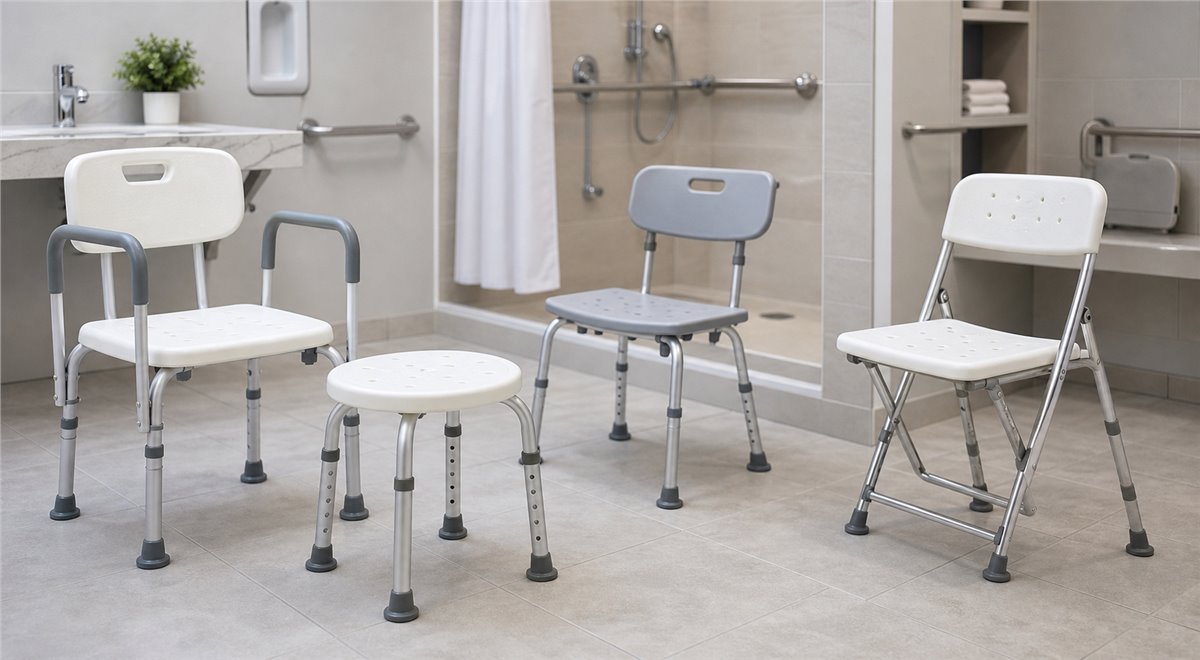
L'acquisto di sedie da bagno sta diventando meno uniforme a causa dell'invecchiamento della popolazione e della frammentazione dei modelli assistenziali in canali più specializzati. Un acquirente al dettaglio, un gruppo di case di riposo e un progetto di riabilitazione possono tutti richiedere sedie da bagno, ma non stanno acquistando lo stesso profilo di rischio. Il prodotto può sembrare semplice nelle foto. Nei bagni reali, sono i piccoli dettagli a fare la differenza tra un ordine stabile e una fonte di reclami.
L'invecchiamento globale sta creando esigenze diverse nell'acquisto di sedie da bagno.
Il mercato globale dell'assistenza si sta muovendo in una direzione ben precisa. Sempre più anziani desiderano rimanere a casa propria, le strutture di assistenza si trovano ad affrontare una maggiore pressione dovuta all'utilizzo quotidiano e i distributori necessitano di prodotti per la sicurezza in bagno adatti a diverse categorie di utenti. Le sedie da bagno si inseriscono perfettamente in questo contesto. Forniscono supporto per la doccia, il trasferimento, l'equilibrio e la movimentazione da parte dell'operatore, pertanto la discussione sulla qualità non può limitarsi al materiale della struttura o alla capacità di carico.
Progetti di approvvigionamento diversi comportano anche costi diversi dopo la consegna. Uno sgabello economico adatto a un canale di vendita al dettaglio di articoli per la casa potrebbe non resistere bene in una casa di riposo dove il personale lo pulisce più volte al giorno. Una sedia con braccioli potrebbe sembrare leggermente più ingombrante in un annuncio online, ma può essere più sicura per gli utenti che hanno difficoltà a sedersi o ad alzarsi. L'acquirente deve valutare il contesto prima di giudicare il modello.
Progetti di vendita al dettaglio e commercio elettronico per prodotti per la cura della casa.
Caratteristiche principali: Montaggio semplice, piedini stabili e imballaggio compatto.
Per la vendita al dettaglio e l'e-commerce, il primo problema non è solo la sicurezza. Si tratta di capire se l'utente finale può assemblare la sedia senza difficoltà e se l'imballaggio può resistere al trasporto da parte del corriere. Una sedia da bagno per uso domestico dovrebbe avere componenti puliti, punti di fissaggio chiari e piedini in gomma che aderiscano perfettamente al pavimento del bagno. Se le gambe risultano instabili dopo la regolazione, il prodotto verrà criticato anche se le specifiche indicate dall'acquirente sembrano corrette.
Gli sgabelli da doccia regolabili semplici spesso funzionano bene in questo canale perché sono facili da spiegare e di solito si imballano in modo efficiente. All'interno di Xunyu Medical categoria di sedie da bagno, un modello come il Sgabello da bagno reclinabile in alluminio XY798L-02 È un esempio pratico per gli acquirenti che necessitano di un prodotto leggero e diretto per utenti anziani con esigenze di base per la seduta in doccia.
Gli acquirenti al dettaglio dovrebbero anche verificare le dimensioni della scatola, le bustine degli accessori, la protezione delle viti e la chiarezza delle istruzioni. Questi dettagli riducono la pressione sui resi. Una sedia che richiede troppo tempo per essere assemblata può sembrare innocua in un'anteprima, ma può danneggiare la reputazione presso i clienti una volta che centinaia di unità vengono spedite.
Case di riposo e strutture di assistenza a lungo termine
Punti chiave: Uso ripetuto, pulizia e robustezza della struttura
Le strutture di assistenza sono sottoposte a un trattamento particolare per quanto riguarda le sedie da bagno. La stessa sedia può essere utilizzata da molti residenti, spostata tra le diverse stanze, pulita con detergenti specifici e controllata da personale che si preoccupa più dell'affidabilità che dell'aspetto estetico. In questo contesto, chi acquista una sedia da bagno dovrebbe valutare attentamente la solidità del telaio, lo spessore del sedile, la presenza di fori di drenaggio, il comfort dello schienale e la stabilità della sedia anche dopo ripetuti spostamenti.
Una sedia da doccia con schienale e braccioli, come la Sedile da doccia XY-798L per anzianiUno sgabello ergonomico può essere più adatto alle strutture di assistenza rispetto a un semplice sgabello, soprattutto quando gli utenti necessitano di maggiore sicurezza durante la seduta. I braccioli offrono al personale e agli utenti un punto di appoggio più chiaro. Lo schienale è inoltre importante durante le docce più lunghe, in particolare per i residenti che si stancano facilmente.
Chi acquista strutture non dovrebbe trascurare la pulizia. I fori di drenaggio non devono trattenere lo sporco, le superfici in plastica devono essere facili da pulire e la ferramenta non deve allentarsi dopo l'uso in ambienti umidi. Se un progetto prevede numerose stanze o più sedi di assistenza, i piedini in gomma di ricambio e i componenti riutilizzabili sono più importanti di un piccolo risparmio sul prezzo unitario.
Progetti di riabilitazione, assistenza ai disabili e post-operatoria.
Obiettivo principale: Sicurezza del trasferimento e controllo da parte dell'utente
Chi si occupa di riabilitazione e assistenza alle persone con disabilità si trova solitamente ad affrontare esigenze specifiche. Alcuni utenti riescono a stare in piedi per brevi periodi, ma non riescono a mantenere l'equilibrio su superfici bagnate. Altri necessitano di spostarsi dalla sedia a rotelle o hanno bisogno dell'aiuto di un assistente. In questi casi, una sedia senza braccioli può essere accettabile solo se la mobilità dell'utente è relativamente stabile. Quando sedersi e alzarsi risulta difficoltoso, il supporto laterale diventa un elemento essenziale per la qualità, non una caratteristica opzionale.
L'altezza della seduta merita un'attenta valutazione. Una sedia troppo bassa aumenta lo sforzo necessario per stare in piedi. Una sedia troppo alta può rendere i piedi dell'utente meno stabili. Le gambe regolabili sono utili, ma il pulsante di regolazione deve bloccarsi in modo netto e avere la stessa sensazione al tatto su tutti i modelli. I team di acquisto dovrebbero testare la sedia su un modello di prova su pavimento bagnato o almeno su piastrelle lisce, perché la stabilità in showroom può nascondere i rischi reali in bagno.
Ristrutturazione del bagno e progetti per residenze assistite
Punti chiave: disposizione degli spazi, stoccaggio, drenaggio e necessità di utilizzo misto.
I progetti di ristrutturazione del bagno e di assistenza agli anziani spesso richiedono prodotti adatti a spazi limitati. La sedia può essere utilizzata in una piccola doccia, riposta a lato di una parete o spostata tra la zona bagno e quella WC. Gli acquirenti dovrebbero verificare la larghezza, la facilità di chiusura, il drenaggio e la maneggevolezza da parte degli assistenti. Una sedia ingombrante può essere robusta, ma potrebbe non essere adatta a un bagno compatto.
Per i progetti in cui il supporto per la doccia e l'uso del WC possono sovrapporsi, vale la pena valutare un design pieghevole con funzione di sedile WC. Xunyu Medical Sedia da doccia XY-894 con sedile WC integrato Questo è un esempio di direzione di prodotto adatta ad acquirenti che operano nel settore delle residenze assistite, delle forniture per l'assistenza agli anziani o dei canali di assistenza domiciliare multifunzionale. L'acquirente dovrebbe comunque verificare la reale disposizione della stanza, poiché i prodotti multifunzione necessitano di spazio sufficiente per essere utilizzati in sicurezza.
Cosa dovrebbero verificare gli acquirenti in tutti gli ordini di sedie da bagno
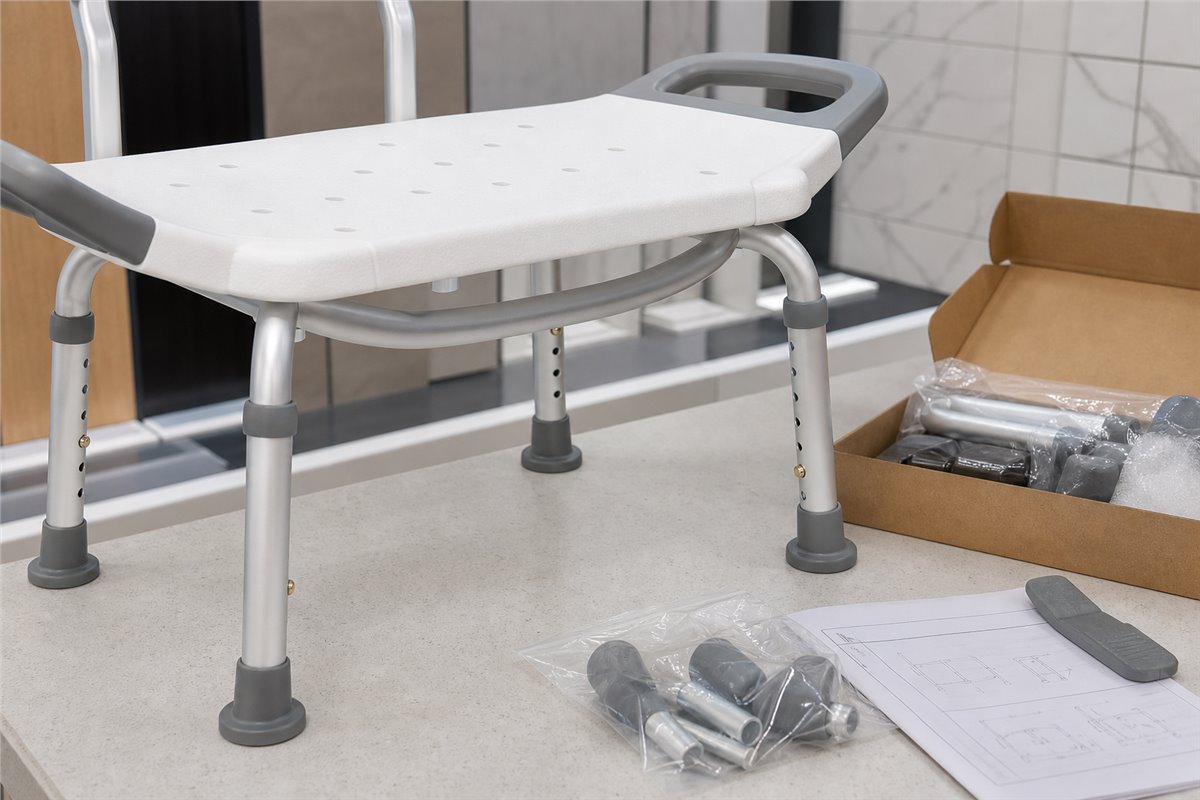
La struttura dovrebbe risultare solida in corrispondenza delle giunture.
I piedini in gomma devono aderire bene alle piastrelle e non devono emanare un forte odore di materiale di bassa qualità.
I fori di drenaggio devono essere praticati dove effettivamente si accumula l'acqua.
I bordi dei sedili devono essere sufficientemente lisci per la pelle degli anziani e la superficie non deve diventare troppo scivolosa quando è bagnata.
Questi sono punti fondamentali, ma molte lamentele iniziano proprio da qui.
Un altro problema serio è la coerenza tra campione e produzione in serie. Un buon campione non serve a nulla se in fase di produzione vengono modificati il piedino in gomma, la lunghezza delle viti, la consistenza della plastica o la protezione dell'imballaggio. Gli acquirenti dovrebbero chiedere al fornitore di confermare i componenti chiave prima della produzione di massa e conservare campioni di riferimento per il confronto. Per le vendite tramite canali di distribuzione, anche l'imballaggio richiede attenzione. Viti mancanti, imballaggi fragili o disegni di montaggio poco chiari comportano costi di assistenza dopo l'arrivo della merce.
Progetti diversi richiedono priorità di acquisto diverse
Gli acquirenti al dettaglio dovrebbero dare maggiore importanza all'imballaggio, alla semplicità di montaggio, alle foto del prodotto e al tasso di reclami. Uno sgabello trasparente di fascia medio-bassa può essere una buona scelta se la scatola è robusta e il prodotto è facile da montare anche per gli anziani o i familiari. Gli acquirenti di case di cura e istituti dovrebbero invece concentrarsi maggiormente sulla pulizia, sulla stabilità dei lotti, sui pezzi di ricambio e sulla durata strutturale. I loro prodotti sono sottoposti a un utilizzo più intenso ogni giorno.
Gli acquirenti OEM e ODM necessitano di un ulteriore livello di revisione. Colore, logo, grafica della confezione, fogli di istruzioni e configurazione del modello devono essere concordati prima che i dettagli di produzione vengano definiti. Xunyu Medical Supporto OEM e ODM Può essere utile per gli acquirenti che necessitano di sedie da bagno che si abbinino a una linea di prodotti di un distributore o a un programma di assistenza agli anziani a marchio privato. Tuttavia, l'acquirente dovrebbe verificare quali parti sono personalizzate, quali rimangono standard e come il campione verrà confrontato con i prodotti di serie.
Acquistare una sedia da bagno in modo oculato raramente significa scegliere il modello più pesante o più economico. Significa piuttosto scegliere la sedia più adatta alle esigenze specifiche: chi la utilizzerà, con quale frequenza verrà pulita, come verrà spedita, chi gestirà eventuali reclami e se il fornitore sarà in grado di riprodurre la stessa configurazione dopo il primo ordine. Una volta chiariti questi aspetti, la valutazione della qualità diventa molto più precisa.
Domande frequenti
D1: Qual è la prima cosa da verificare quando si acquistano sedie da bagno all'ingrosso?
A1: Iniziate verificando la stabilità in condizioni di bagnato. Controllate i giunti del telaio, i piedini in gomma, la superficie del sedile, i fori di drenaggio e il blocco di regolazione dell'altezza. Questi aspetti influiscono sia sulla sicurezza dell'utente che sull'assistenza post-vendita.
D2: Gli sgabelli da doccia semplici sono adatti a tutti i progetti di assistenza agli anziani?
A2: No. Gli sgabelli semplici possono andare bene per gli utenti che acquistano a domicilio e hanno esigenze di seduta basilari. Le strutture di assistenza, gli utenti in riabilitazione o coloro che hanno problemi di equilibrio potrebbero aver bisogno di schienali, braccioli o una struttura più robusta.
D3: Cosa dovrebbero verificare gli acquirenti di prodotti a marchio privato prima di effettuare un ordine di una sedia da bagno?
A3: Confermare la configurazione esatta del modello, il colore, la posizione del logo, l'imballaggio, il foglio di istruzioni, i pezzi di ricambio e le modalità di utilizzo del campione approvato per la verifica della produzione in serie.
D4: Un unico fornitore può supportare diversi progetti di approvvigionamento di sedie da bagno?
A4: Può funzionare se il fornitore, come Xunyu Medicoha una chiara focalizzazione sui prodotti di assistenza per anziani, opzioni stabili di sedie da bagno e una comunicazione pratica riguardo a campioni, imballaggio, personalizzazione e ordini ripetuti.


