

Perché i camminatori in ginocchio sono più sicuri delle martelle per gli anziani?
Ora : Feb 12, 2026 Visualizzazione : 754

The “ Economia dell'argento” è cresciuto oltre un semplice termine. Ora modella il campo delle apparecchiature mediche in modi reali. Gruppi di salute’ Gli ultimi studi mostrano che entro il 2030, una persona su sei in tutto il mondo raggiungerà i 60 anni o più. Questo cambiamento della popolazione porta forte attenzione agli strumenti di movimento che valorizzano il rispetto e la protezione al di sopra dell’uso di base. Le cadute continuano a essere la principale ragione per le morti legate ai danni nelle persone di età superiore ai 65 anni. L'attrezzatura su cui si affidano durante la guarigione influenza notevolmente questi numeri.
Quando una persona anziana affronta un'operazione al piede o alla caviglia, il tempo di guarigione conta molto. Per molti anni, le passelle alle ascelle servirono come la solita scelta data nei centri medici. Tuttavia, il settore nota una chiara svolta. Medici e parenti spesso si chiedono se appoggiarsi su due pali offre veramente il miglior supporto per le persone più anziane. Questa nuova visione mette in evidenza il ginocchio come una migliore alternativa alla mulella. L’obiettivo va oltre il semplice viaggio da un luogo all’altro. Si concentra su assicurarsi che il percorso eviti nuovi danni.
I pericoli nascosti delle passelle tradizionali per gli adulti più anziani
Spesso vediamo nei film come una figura rimbalza imbarazzabilmente insieme alle stallelle. Forse scivolano su una superficie umida per ridere. Ma nella vita quotidiana, le minacce legate alle passelle regolari non hanno alcun umorismo, in particolare per coloro che hanno più di 65 anni. Sebbene economici e facili da trovare, richiedono un certo grado di forza corporea che svanisce col passare degli anni. Prima di esplorare le soluzioni, dovremmo esaminare perché questo metodo da tempo utilizzato delude i nostri anziani.
Problemi di equilibrio e alto rischio di caduta
Le stampelle richiedono un mix dettagliato di stabilità, potenza e senso della posizione. La persona si trasforma in una posizione a tre punti, o due durante l'oscillazione in avanti. Il loro punto di equilibrio si muove bruscamente con ogni mossa.
Un giovane sano con un infortunio legato al gioco potrebbe gestire questo compito bene. Tuttavia, per un individuo più anziano il cui senso della posizione corporea, noto come propriocezione, può già indebolirsi, rappresenta problemi. Il contatto a terra proviene da minuscole estremità in gomma. Questi danno una cattiva aderenza su punti lisci come piastrelle cliniche o pavimenti in legno lucido a casa. Se una stallella perde la presa, nessun altro aiuto interviene. Tale oscillazione crea una continua preoccupazione per il crollo. Stranamente, questa paura provoca azioni più rigide. Alla fine aumenta la possibilità di incidenti. Un aiuto alla mobilità stabile dovrebbe costruire fiducia, non preoccupazione.
Stress fisico sulla parte superiore del corpo e sulla postura
Oltre la possibilità diretta di scivolare, le stallelle funzionano come un esercizio duro che gli anziani non hanno mai scelto. Per avanzare, la persona porta tutto il suo peso attraverso le braccia, le spalle e la parte superiore del petto.
Ciò porta a diversi problemi. Molte persone anziane si occupano di gonfiore articolare nelle dita o nei polsi. Tenere saldamente le impugnature della stampella per settimane porta dolore acuto o peggiora problemi come problemi del tunnel del polso. Successivamente, c'è la possibilità di “ paralisi della mulella. ” Ciò accade quando il peso preme sulle ascelle, danneggiando i nervi lì. Per un paziente che guarisce dal recupero chirurgico del piede, scambiare una ferita del piede per lesioni al braccio o disagio nervoso è l'ultimo risultato necessario. Il costo corporeo delle stallelle spesso si traduce in meno attività tra gli anziani. Di conseguenza, questo rallenta la loro riparazione generale e provoca un indebolimento della gamba buona.
Come i camminatori al ginocchio forniscono stabilità e indipendenza superiori
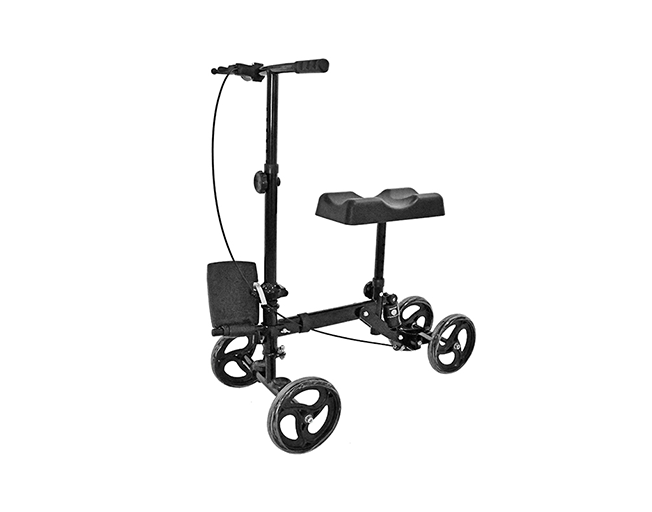
Passando dalla configurazione tremente delle stallelle, un'opzione migliore altera il modo di muoversi di base. Lo scooter al ginocchio (o camminatore al ginocchio) segue un approccio nuovo. Invece di far sollevare l'utente il proprio telaio, li tiene in alto. Questo contrasto appare piccolo nella scrittura. Ma per qualcuno che attraversa la zona di cucina o si dirige a un controllo, cambia l'intera esperienza.
Design a quattro ruote vs. supporto a due punti
Il fattore principale per cui un camminatore al ginocchio eccelle nella protezione deriva dalla sua forma. Un tipico passeggero o scooter offre una base a quattro ruote, a volte tre, anche se quattro si dimostra più costante. Questo supporto ampio consente allo strumento di equilibrarsi. L'utente evita di combattere contro la trazione per rimanere dritto.
Mentre un anziano impiega uno scooter a ginocchio, il loro centro di equilibrio rimane vicino al suolo e allineato in mezzo alle ruote. Anche durante un incantesimo di vertigini o breve instabilità, lo strumento è pronto a tenerli. Essi semplicemente impegnare le fermate e la pausa - o riposare se il tipo permette - senza la necessità di ingranaggio costante con cura. Questa fermezza si dimostra fondamentale su terreni aspri, come il passaggio dal tappeto nel salotto alle piastrelle nello spazio di cottura. Le ruote rotolano oltre le scosse che avrebbero catturato un'estremità di stalla senza sforzo. Per i parenti che cercano la sicurezza del ginocchio, questa larga base in movimento è l'elemento principale per ridurre le probabilità di danni.
Comfort durante il recupero chirurgico del piede
La guarigione implica più di sollevare il carico dalla parte ferita. Si concentra sul mantenere le routine quotidiane mentre si raggiunge questo. Il recupero chirurgico del piede dura da 6 a 12 settimane in molti casi. Questo si estende su un lungo tratto di movimento limitato.
Uno scooter per il ginocchio consente alla gamba danneggiata di riposare su un riposo morbido. Il ginocchio si piega ad angolo retto, una postura comune senza carico. Questo allevia completamente lo stress della zona del piede e della caviglia. Poiché il telaio superiore guida e spinge solo leggermente, gli anziani saltano la stanchezza legata alle stallelle. Viaggiano a velocità quotidiana, si uniscono ai parenti in viaggio e sostengono le loro connessioni. Questo sollevamento mentale viene a volte ignorato, eppure aiuta a guarire profondamente. Quando gli utenti sentono sicurezza e comodità, seguono meglio le regole mediche senza carico. Di conseguenza, i risultati chirurgici migliorano.
Caratteristiche chiave da cercare in uno scooter a ginocchio amichevole per anziani
Non tutti gli aiuti alla mobilità sono creati uguali. Se sei un distributore di attrezzature mediche o un membro della famiglia che fa acquisti per una persona cara, è facile travolgersi dalle opzioni. Tuttavia, quando l'utente primario è un senior, le caratteristiche specifiche passano da “ bello da avere” to “ non negoziabile. ” Per garantire che il dispositivo funzioni davvero come aiuto alla mobilità stabile, è necessario esaminare da vicino le specifiche di qualità e sicurezza della costruzione.
Affidabilità del sistema frenante: Questa è la funzione di sicurezza numero uno. Uno scooter a ginocchio per anziani deve avere freni a mano bloccabili. È simile a un freno per biciclette ma con un meccanismo di blocco che agisce come un freno di parcheggio. Ciò consente all'utente di bloccare l'unità saldamente in posizione prima di trasferirsi da un letto o una sedia sullo scooter. Senza questo, lo scooter potrebbe allontanarsi durante il trasferimento, portando a una caduta.
Dimensione e tipo della ruota: Le ruote di plastica piccole e dure vanno bene per il linoleum liscio dell'ospedale, ma vibrano terribilmente sui marciapiedi o sulle autostrade. Cerca modelli con ruote in PVC o gomma da 8 pollici. Questi forniscono assorbimento degli urti e hanno meno probabilità di rimanere bloccati in crepe o bordi di tappeti.
Piattaforma regolabile del ginocchio: Le persone vengono in tutte le altezze e la distanza tra il ginocchio e il pavimento varia. Un ginocchiello contornato e regolabile in altezza è essenziale. Dovrebbe avere un canale o una forma ergonomica per impedire alla gamba di scivolare lateralmente.
Costruzione robusta del telaio: Vuoi un telaio che sembri solido, non caotico. Ad esempio, il Xunyu Rollator ginocchio medico 6521 è progettato con un telaio in acciaio che supporta fino a 300 libbre. Include un cesto per trasportare oggetti personali, perché gli anziani hanno bisogno delle mani sul manubrio, non tenendo una borsa o una bottiglia d'acqua. Questo modello specifico bilancia la durabilità con un design pieghevole, rendendolo pratico per il trasporto in un bagaglio.
Il valore economico per i distributori di attrezzature mediche
Voltendosi all'aspetto commerciale dell'assistenza sanitaria, i venditori e i fornitori di attrezzature mediche a lungo termine (DME) trovano solide basi per trasportare camminatori a ginocchio fini. La necessità di strumenti di movimento dopo l'operazione cresce con l'aumento delle chirurgie ossee sugli anziani. I clienti aziendali devono valutare il valore continuo degli articoli che forniscono alle aree vicine.
Crescita della domanda del mercato
I dati di mercato sono chiari: il mercato globale degli aiuti alla mobilità si sta espandendo. Mentre i chirurghi ortopedici eseguono più sostituzioni totali della caviglia e correzioni del bunion su pazienti più anziani, la prescrizione per “ cuscinetto senza peso” dispositivi aumentano.
I pazienti stanno diventando più consapevoli del consumo. Ricercano la sicurezza del ginocchio online prima dell'intervento chirurgico. Chiedono ai loro medici un'alternativa alla stampella. I distributori che dispongono solo di stallelle standard o scooter di bassa qualità rischiano di perdere clienti ai rivenditori online che offrono specifiche migliori. Stoccando uno scooter robusto e sicuro per il ginocchio, un negozio di forniture mediche si posiziona come fornitore di soluzioni, non solo merci. Apre opportunità sia per i programmi di vendita che di noleggio, poiché gli scooter di alta qualità sono abbastanza resistenti da servire più cicli di noleggio, massimizzando il ritorno sull'investimento (ROI).
Perché collaborare con un produttore affidabile è importante
Per un fornitore, il tuo nome si basa sull'articolo’ s calibro che fornisci. Se uno scooter scatta o una fermata cede, il tuo segno soffre. Ecco perché scegliere il giusto produttore di scooter per ginocchio costituisce una scelta chiave.
Disegnare direttamente da un esperto produttore come Xunyu Medico garantisce la sorveglianza che i commercianti comuni mancano. Un produttore focalizzato conosce la meccanica del corpo del recupero chirurgico del piede. Controllano i telaio per la deformazione di usura e confermano che le fermate si allineano alle regole di protezione globale. Inoltre, il collegamento con un produttore dritto consente una sartoria più precisa e linee di consegna solide. Quando si fornisce un pezzo come il modello 6521, si dà uno strumento costruito per la fermezza. Ciò riduce i tassi di rendimento e i rischi di dazi. Promove legami di fede con centri medici e gruppi di terapia corporea che puntano il tuo negozio agli utenti.
Conclusione
La transizione dalle tradizionali stallelle ai ginocchiali rappresenta un significativo passo avanti nella cura dei pazienti, in particolare per la popolazione anziana. Ci stiamo allontanando da un “ one-size-fits-all” approccio al recupero e verso soluzioni che rispettino l’utente; bisogna di sicurezza e indipendenza.
Un ginocchio walker offre una piattaforma stabile a quattro ruote che elimina l'alto rischio di caduta e l'esaurimento fisico associato alle stampelle. Per gli anziani che si recuperano da problemi ai piedi o alla caviglia, trasforma un periodo di confinamento in un'esperienza mobile gestibile. Che tu sia un paziente che cerca un viaggio di recupero più sicuro o un distributore che cerca di aggiornare il tuo inventario, dare priorità alla qualità e alla stabilità è l'unica strada avanti.
Se siete interessati a saperne di più sulle soluzioni di mobilità premium o volete discutere le specifiche per il vostro mercato locale, vi invitiamo a contattaciLavoriamo insieme per rendere il recupero più sicuro per tutti.


