
Best Chairs for Handicapped Adults: How to Choose the Right Model
Time : Apr 24, 2026 表示回数 : 54
Picking the top chairs for handicapped adults begins with grasping everyday support requirements, beyond just the seat shape. The proper type must boost ease, steadiness, simple shifting, and lasting practicality in household or care areas. Prior to reviewing traits, it’s useful to examine what people truly require from a chair in actual situations.
What Are the Needs of Handicapped Adults When Selecting a Chair?
Choosing suitable chairs for handicapped adults involves far more than ease—it’s about self-reliance, protection, and upholding life quality. A chair that matches your form and routine can lessen tiredness, prevent harm, and encourage improved stance. Your wheelchair acts as a part of your body. You need to ensure it aids you effectively and avoids any harm to your well-being, either straight or indirect. A properly sized chair is vital. This idea fits all supportive seating choices made for adults facing movement issues.
Key Considerations for Comfort and Accessibility
As you select a chair, proper body-fitting design matters greatly since it aids posture and cuts down on sore spots that might cause unease or ulcers. Features like changeable height and leaning options let you switch positions without effort, which boosts movement and lowers reliance on help from others. The fabrics chosen ought to allow airflow, last well, and clean up easily—this aspect is key if you’ll sit for many hours.
Safety and Stability Requirements
Protection elements are essential. Bases that grip well and strong structures stop tipping or slipping when you move in or out. Armrests placed right can help with steadiness while sitting down or getting up. Locking parts add firmness during changes, so your actions stay managed and secure.
Which Types of Chairs Are Most Suitable for Handicapped Adults?
Various chairs meet different demands based on the person’s movement ability and routine tasks. If you seek leaning aid, easy carrying, or help to rise, each kind brings special advantages suited to certain health states.
Reclining Chairs for Enhanced Comfort During Long Sitting Hours
Leaning chairs work well if your movement is restricted or you need regular position shifts in the day. Powered leaning setups let you alter angles with little effort. The electric reclining chair provides even powered operation with complete back aid—great for ongoing ease at home or in care places.
Wheelchairs with Advanced Support Features for Daily Mobility
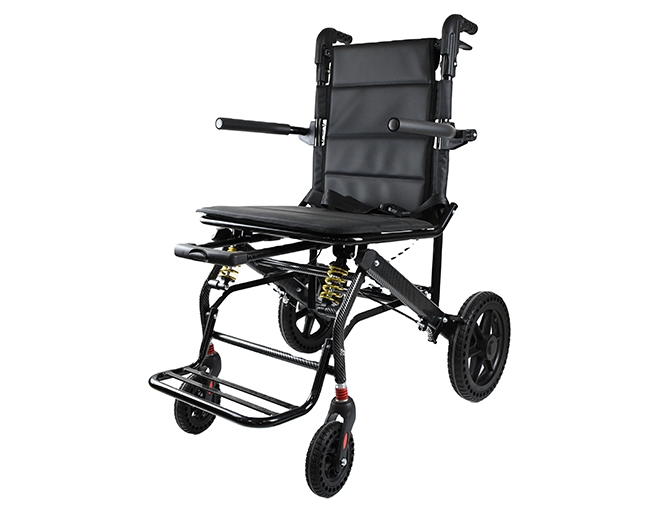
For users who shift spots often, light wheelchairs give freedom without losing aid. A cozy wheelchair cushion should match the user’s width closely, leaving a bit of space on each side for any user growth—plus space for a safety strap if required. Light builds make handling simpler inside or outside, and changeable leg rests cut down on leg tiredness over extended periods. The Lightweight Folding Wheelchair from Xunyu Medical blends easy transport with body-fitting padding—a fine pick for routine self-reliance.
Lift Chairs That Simplify Standing Transitions
Lift chairs aim to aid safe rising without extra load on joints or on those who help. Multi-position lift actions change smoothly to fit your size and power needs. The power lift recliner merges remote-managed lift tech with soft covering—fitting for recovery spots or home healing areas.
How Can You Match a Chair to Your Physical Condition?
Locating the best type relies on your movement amount, usual habits, and any health issues that affect stance or blood flow.
Assessing Mobility Levels and Daily Activities Accurately Before Purchase
If you keep some movement, tunable leavers or lift chairs might support self-reliance by cutting the need for caregiver help. For those who depend fully and sit most of the time, wheelchairs with full aid setups are required. When picking wheelchairs for older people, no single size works for all, so finding the ideal match can be tough! Though you might use standard wheelchairs now and then for brief trips, those who sit in them most days require seats made to fit their specific forms.
Considering Medical Conditions and Posture Requirements Carefully
People with back problems may need shaped back supports or head aids that keep the spine in a natural line. Blood flow concerns can gain from leg raise options in various leaning types. Bone and joint designs spread weight evenly over touch areas to prevent sores—this is especially key for long sitting times.
Which Features Improve Everyday Comfort Most Effectively?
Ease extends past filling—it’s about fitting well and simple handling in daily routines.
Ergonomic Adjustments and Customization Options That Matter
Seats that adjust in height make sure of correct setup at tables or work areas, while lean actions ease lower back strain. Add-on parts like trays or side holders boost practical use by keeping needed items close. Such tuning choices let each chair fit exactly to your healing aims instead of locking you in set spots.
Materials and Maintenance Factors Worth Considering
Fabrics that let air pass stop too much warmth, and germ-fighting covers keep cleanliness levels right for healthy places. Surfaces that clean simply make upkeep straightforward — a big point when neatness ties directly to health results over time.
Which Chairs Fit Different Usage Scenarios Best?
Your surroundings have a big part in picking which chair meets your demands well — be it in the home or in care centers. For home settings, small leaning or lift chairs give fine ease for reading, resting, or TV time, and they mix well with room styles. The home care series joins fresh looks with healing body fit that aids both ease and getting better at home. In places like hospitals or recovery centers, health-level fabrics ensure clean rules, while rolling wheels aid smooth patient moves between areas. Care-level movement items are built just for often shifting needs in spots where lasting strength counts most.
What Should You Check Before Buying a Chair?
Though extra traits like rub functions add nice touches, basic parts such as rise help should come first if money is tight. Putting funds into strong types lowers swap costs later, as good builds handle daily use better than low-cost ones. Solid post-buy help keeps things going after you get it—handling part swaps or cover fixes when you need them. Longer guarantee plans bring calm by guarding both work quality and money spent over years of use.
What Are Future Trends in Chairs Designed for Handicapped Adults?
The growth of healthy cities keeps moving toward better tech mixing and green design ideas for lasting life spaces. Healthcare chair design is moving toward smarter functionality and more sustainable production. Newer models may use sensors and connected systems to support posture monitoring, pressure detection, and automatic position adjustment, while manufacturers are also adopting more recyclable materials to reduce environmental impact without compromising performance.
About Xunyu Medical
As a top maker in health movement fixes, Xunyu 医療 focuses on making body-fitting health seating for older folks and handicapped adults around the world. With years of study know-how in each product range, their goal centers on blending build accuracy with people-first care views. Their list covers powered recliners, rise-lift chairs, bone wheelchairs, and tunable recovery seating setups built from real input by patients and helpers. What makes them stand out is their drive for steady new ideas: adding smart detectors to aid tools while keeping costs low via green build steps. Whether in homes or hospital spots, Xunyu’s items seek to bring back self-rule while ensuring top safety—aiding users to live with more ease each day.
FAQについて
Q1: How do I know which type of chair suits my condition best?
A1: Think about your daily self-movement level; if shifts are hard, lifting chairs might aid most; if movement is fair but tiredness hits fast, a powered leaner could fit well.
Q2: Are breathable materials necessary even indoors?
A2: Yes, airflow covers stop damp buildup that leads to skin bother in long sitting times often seen with handicapped adults.
Q3: What makes ergonomic adjustment features so important?
A3: They let custom setup match your body’s size—cutting pain chances from bad stance in long use times common for disabled people who count much on aid seating setups.