
Which Crutches/Canes Designs Offer the Best Support in 2026 Mobility Care
Time : Apr 29, 2026 表示回数 : 54

Selecting the proper crutches or cane design is crucial for secure and steady motion, particularly during non-weight-bearing recovery periods. In 2026 mobility care, enhanced ergonomic backing, stability management, and user ease have turned into main elements when picking the most suitable choice. Before looking at particular designs, it helps to grasp how non-weight-bearing mobility backing functions and why it counts.
Understanding Non-Weight-Bearing Mobility Support
Healing from a lower-limb injury or operation often involves the difficulty of shifting without putting any weight on the damaged leg. People looking for reliable crutches for non-weight-bearing recovery require solid advice and tools that aid healing while keeping independence. Foshan Xunyu 医療 Technology Co., Ltd., a top maker of mobility aids, provides fresh solutions aimed at ease and security during this key stage.
Foshan Xunyu Medical Technology Co., Ltd. sits in Danzao Town, Nanhai District, Foshan City, Guangdong Province. It is a company focused on making helpful devices for older adults. Their items—from walkers and wheelchairs to modern crutches—are relied upon worldwide for their user-friendly shape and sturdiness.
Defining Non-Weight-Bearing Recovery
Non-weight-bearing (NWB) recovery means a health rule where no force or body weight goes on the hurt limb. This situation often comes after breaks, tendon rips, or after-surgery steps involving bones and joints. Following doctor orders closely makes sure of the best healing, since even short accidental pressure can slow down recovery or lead to issues.
People usually get told to use helping tools like クラッチ or knee scooters to keep moving while guarding the mending limb. The aim is not just motion but also holding muscle strength and blood flow without harming tissue fixtures. And so, these aids become essential for daily tasks.
The Role of Crutches in Non-Weight-Bearing Recovery
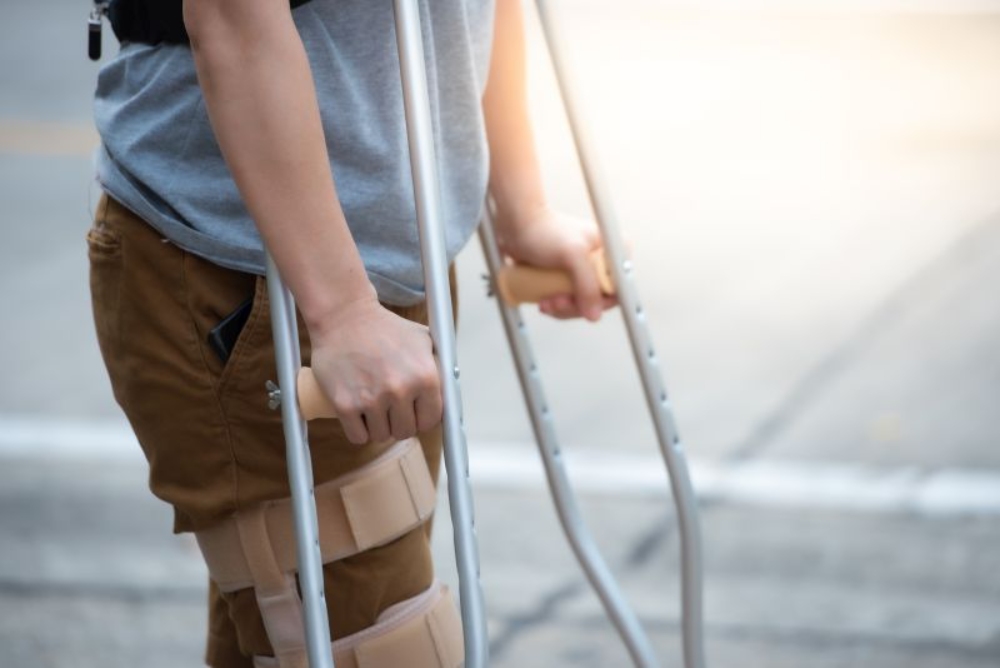
Crutches serve an important job by moving body weight from the legs to the upper body so patients can step safely without stressing the hurt spot. Short-term users might depend on them for a few weeks after surgery, whereas those with ongoing issues could need lasting help. Yet, getting used to crutch use can prove tough—patients frequently feel wrist tiredness or shoulder ache if the tools lack good setup.
Since it started, Xunyu Medical has focused on tech advances, improving item shapes to meet the real needs of growing older groups. This dedication reaches to creating crutches that cut down strain via user-friendly holds and light substances. As a result, their products support smoother recovery journeys.
Evaluating Crutches for Non-Weight-Bearing Use in 2026 Recovery Plans
As rehab tech grows, picking fitting mobility tools gets more intricate. By 2026, health experts will likely blend smart wearables and digital watching tools into recovery strategies. This shift promises better outcomes for users.
Types of Crutches Available for Recovery Plans
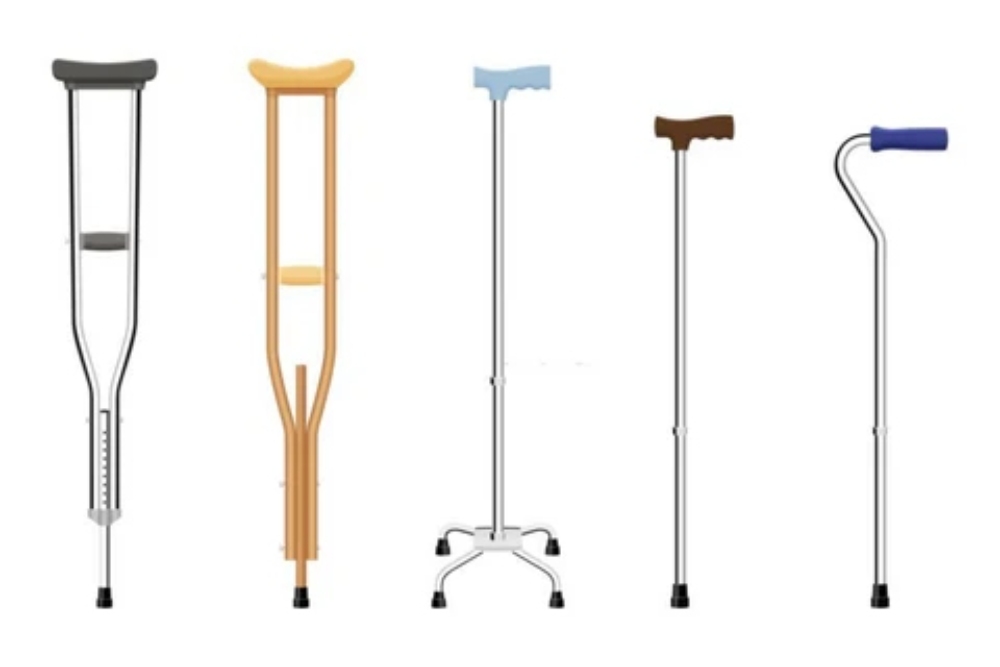
Underarm Crutches
Standard 脇杖 stay common because of low cost and easy access. They back full non-weight-bearing motion, but they might lead to underarm nerve squeeze or wrist stress with long use if not set right.
前臂(ロフストランド)クラッチ
Forearm or Lofstrand crutches give better handling and suit lively users needing ongoing aid. The forearm crutch includes a cozy and tough handgrip and anodized aluminum leg with a high-quality rubber tip. Their user-friendly form spreads pressure equally over the arm and handgrip, cutting down tiredness during long sessions. Therefore, they make daily activities less draining.
Hands-Free and Innovative Designs
New styles showing up in 2026 stress hands-free work or changeable backs that boost steadiness during therapy times. Tech-based stuff like carbon fiber lessens total weight while raising toughness—much like those in advanced wheelchairs such as the XY-A13-46 衝撃吸収モデル, which shows how light building boosts user ease. Such progress helps in varied settings.
Comparing Crutches to Alternative Mobility Aids
Crutches do better than ステッキ setups in complete non-weight-bearing times because canes offer only some backing. Moving from crutches to a cane mix happens once doctors allow partial weight-bearing.
When set against knee scooters or walkers, crutches permit more bend in tight spots but call for stronger upper-body power. Scooters could feel steadier inside on even floors, while forearm crutches work well outside where the ground changes. Overall, the choice depends on personal needs and surroundings.
Optimizing the Use of Crutches During Rehabilitation
The right use methods greatly affect both ease and security all through recovery. Proper habits ensure safer progress.
Proper Adjustment and Fitting Techniques
An exact height setup makes sure of a good energy shift and stops nerve squeezing. The handgrip ought to line up with the wrist fold when standing straight, permitting around a 30° elbow bend in use. To set the height, push the spring buttons on the leg parts and stretch or cut back the part to reach the right height. Handgrips must also have enough cushion to lessen palm tiredness. Following these steps improves overall fit.
Safe Movement Techniques for Patients
Handling stairs needs care: rise first with the good leg and then both crutches. When going down, shift crutches ahead, then drop yourself using upper-body power. On rough ground, keep a three-point touch always—two crutch ends plus one foot—to secure steadiness against falls. These tips help avoid mishaps.
不適切な使用による一般的な傷害を防ぐ
The wrong underarm spot can squeeze nerves, causing numb or tingly feelings, so padding should sit under instead of right in the armpit. Building up shoulder keepers and triceps via mild workouts aids in handling long upper-body weight well. Thus, users stay comfortable longer.
Integrating Exercise and Rehabilitation with Workout Crutches
Workout crutches mark a fresh way in physio that mixes mobility help with managed body training plans. They add value to healing routines.
The Concept of Workout Crutches in Physical Therapy Plans
These special tools let safe heart activity even in non-weight-bearing steps by backing partial move workouts without risking mending tissues. They aid in keeping stamina levels key for a quicker return to usual step ways after healing. In short, they support active recovery.
Recommended Exercises Using Workout Crutches
Upper-body building plans like seated shoulder pushes or triceps drops go well with everyday movement needs for arms in crutch use. Steadiness practices—like managed one-leg holds with aid—can raise teamwork while sticking to non-weight-bearing rules strictly.
Future Outlook: Innovations in Non-Weight-Bearing Mobility Devices by 2026
The coming wave of mobility tools will stress custom fit through tech blending and green design ideas. These changes aim to improve lives.
Advancements in Material Design and Ergonomics
Light metals paired with shock-soaking setups will turn standard in top models. Fittings made from health-grade silicone will cut vibration pass to wrists more in long use—a rule already seen in Xunyu Medical’s focus on easy-to-use traits over its item line. This leads to better daily support.
Integration of Smart Technology in Mobility Aids
Smart feelers built into future workout crutches might watch stance match, step evenness, and pressure spread through linked phone apps—letting healers get live input during far-off rehab times. Such features enhance monitoring.
Sustainability Considerations in Medical Device Manufacturing
With rising world need, Xunyu Medical aims to put more into research and green ways to build its market spot. Earth-kind stuff like reusable aluminum frames or piece-by-piece parts will cut trash from one-time tools while keeping build strength needed for clinic-level work. This approach benefits both users and the environment.
FAQについて
Q1: What does non-weight-bearing mean after surgery?
A1: It means no body weight should be placed on the affected limb until cleared by your physician; doing so helps prevent re-injury or delayed healing.
Q2: How do I know if my crutches are properly adjusted?
A2: The top pad should sit about two inches below your armpit when standing upright; elbows should bend slightly (around 30°) when gripping handles comfortably at wrist level.
Q3: Are forearm workout crutches better than standard underarm types?
A3: Yes—for long-term rehabilitation they provide superior ergonomics, reduce nerve compression risks, and improve overall mobility control compared with traditional underarm models.