

Crutches for Disabled People: Which Type Fits Your Needs in 2026?
Time : Apr 09, 2026 表示回数 : 116
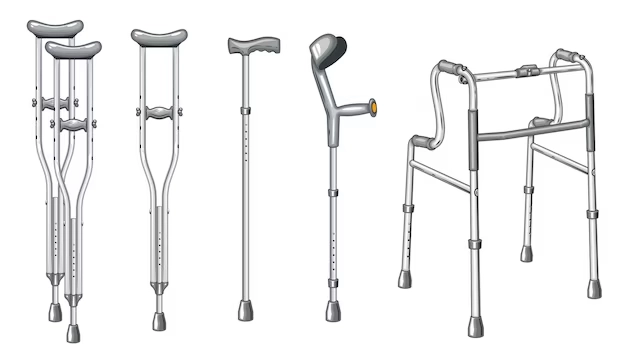
Crutches for disabled people in 2026 offer more tailored designs, which make it simpler to match support, ease, and movement needs to various daily tasks. The best pick relies on elements like balance, arm strength, healing aims, and whether you require aid for brief periods or ongoing use. Before looking at types, it pays to grasp how current crutches aid safety, self-reliance, and routine tasks.
What Is the Role of Crutches for Disabled People?
Movement stands as a key part of keeping self-reliance, particularly for folks healing from hurts or dealing with lasting conditions. In 2026, crutches remain vital movement helpers, aiding millions in healing and everyday chores. Changes in style and stuff have turned them into user-friendly tools that mix steadiness, softness, and tech.
If you are checking out fresh movement fixes, Xunyu 医療 leads in new ideas. As a skilled maker focused on health aid tools, it blends study, planning, and building to make trusty and user-focused items. Their know-how covers electric wheelchairs, walkers, bed rails, and forearm crutches—each built with careful work and health knowledge. The firm’s goal centers on fair design rules that give power to users around the world via easy-to-reach health tech. Their 2026 item range shows this promise by mixing light stuff like carbon fiber and aluminum alloy for better lasting power and ease, all while keeping costs low for regular use.
Why Are Mobility Aids So Important in Modern Rehabilitation?
Movement aids go beyond just body supports; they stand for freedom and sureness in healing times. Whether you are getting back motion after an operation or handling a long-term issue, crutches aid in spreading weight evenly to avoid stress on mending parts. They also boost active roles in body therapy plans by allowing safe steps.
Tech advances have turned today’s crutches into clever and light items. Added sensors now watch walking patterns to check healing steps. Some kinds even link through Bluetooth to health apps for instant input—which helps healers adjust healing plans better.
How Has Crutch Design Evolved Over Time?
The shift from old wooden aids to fresh mixed materials shows a big jump in helpful tech. Past styles put use ahead of ease, but now kinds balance both with user-fit building.

Light aluminum and carbon fiber frames have taken over from heavy wood builds, boosting handling without losing power. User-fit handles cut arm tiredness in long sessions, and changeable frames let exact height tweaks for different builds.
The forearm crutch includes a comfy and strong handhold and a treated aluminum leg with a top rubber end. This style gives steadiness while cutting shake effects on joints—a trait seen in today’s movement aids from top makers.
What Are the Different Types of Crutches and Their Benefits?
Picking the right kind of crutch hinges on your movement targets, body state, and how long you will use it. Each style fills a special role in healing or lasting aid.
アンダーアーム(軸付け)クラッチ
Doctors often suggest these for quick hurts like breaks or after-surgery healing. アンダーアーム(軸付け)クラッチ give firm underarm backing but might bring unease with long use if padding is lacking. New takes have shock-cutting ends that boost grip on many grounds.
Surgery Recovery Crutches
For users recovering from surgery, a foldable recovery crutch can offer a better balance between support and portability. Xunyu Medical’s XY-911型 features an aluminum alloy structure, adjustable height, a folding design, and a honeycomb-style foot pad for stCrutches With Seat
Crutches With Seat
For users who need walking support but also want quick resting options, crutches with seat offer a more flexible everyday solution. Xunyu Medical’s XY-910 combines a lightweight aluminum alloy frame, foldable design, anti-slip honeycomb foot pad, and optional cane head or light, making it practical for seniors or users who need both mobility assistance and short breaks during daily outings.
How Can You Choose the Right Type of Crutch?
Selecting a fitting kind starts with checking your health wants and ease of likes. Talking to a body healer makes sure you pick an aid that fits your healing path or lifestyle.
When looking at choices:
-
See if height changes match your wrist line when standing straight.
-
Make sure no-slide ends boost ground hold.
-
Seek soft holds that cut hand tiredness in long walks.
New kinds now have smart height change setups that auto-fit to user stance—an idea from a user-fit study in healing know-how.
What Innovations Define Crutch Technology by 2026?
The year 2026 marks a time when help tools blend smoothly into digital health setups. Clever sensors in crutch poles check step length, rhythm, and evenness—which gives useful info to health workers from afar via safe phone apps.
Light mix stuff like carbon fiber cuts total weight a lot while keeping build strength like heavy metals in air tech. This stuff also fights rust—a tip from wheelchair build styles such as “The frame is made of high-strength aluminum alloy welding; it has the characteristics of light weight and rust prevention.” Such shared tech use boosts lasting power across all movement aids.
User-fit-shaped insoles now add air-permeable padding that stops sweat.
How Should You Maintain Your Crutches for Long-Term Reliability?
Good upkeep makes sure safety and stretches item life a great deal. Daily checks spot wear early to avoid risks:
Look at rubber ends often; swap them if they thin out.
Tighten screws linking changeable parts.
Clean metal or carbon sides with soft soap, not rough cleaners.
Please open the wheelchair and clean it for thorough cleaning and to help with checks afterward. This same rule fits when keeping any help tool—regular washing stops rust while holding machine wholeness.
When not used for long stretches, keep crutches in cool, dry spots away from sun rays or wetness to stop stuff from breaking down.
For tips on right walking ways—such as shifting each crutch with the other leg at once—you can check guide stuff from skilled makers online. These lessons show safe travel over bumpy land without hurting stance match.
How Do Leading Manufacturers Support Users Beyond Products?
Trusty firms do not just sell tools—they create setups around user lives. Via one-on-one talks, they aid in pairing people with right styles based on clinic tips. Many also give online checks that look at walking flows before picking exact kinds that fit personal wants.
Post-sale help now covers upkeep alerts inside apps that warn users when parts need swapping or resetting—which keeps steady safety marks over item lifetimes.
FAQについて
Q1: How do I know if my crutches are adjusted correctly?
A: Stand upright with relaxed shoulders; your elbows should bend about 30° when gripping handles at wrist level. Both sides must be equal in height to maintain balance during walking.
Q2: Can smart crutches really track rehabilitation progress?
A: Yes, integrated motion sensors record gait metrics like step frequency and symmetry, transmitting this data via Bluetooth so therapists can monitor improvements remotely.
Q3: What’s the best way to clean aluminum or carbon fiber crutches?
A: Use diluted neutral detergent applied with a soft cloth; avoid high-pressure water jets or volatile chemicals since these can corrode metal parts or discolor plastic components, according to “Do not sprinkle wheelchair parts with water during cleaning processes.”


