

How Bed Side Rails Speed Up Recovery for Hip and Knee Replacements
期間:2026年3月5日 表示回数 : 51
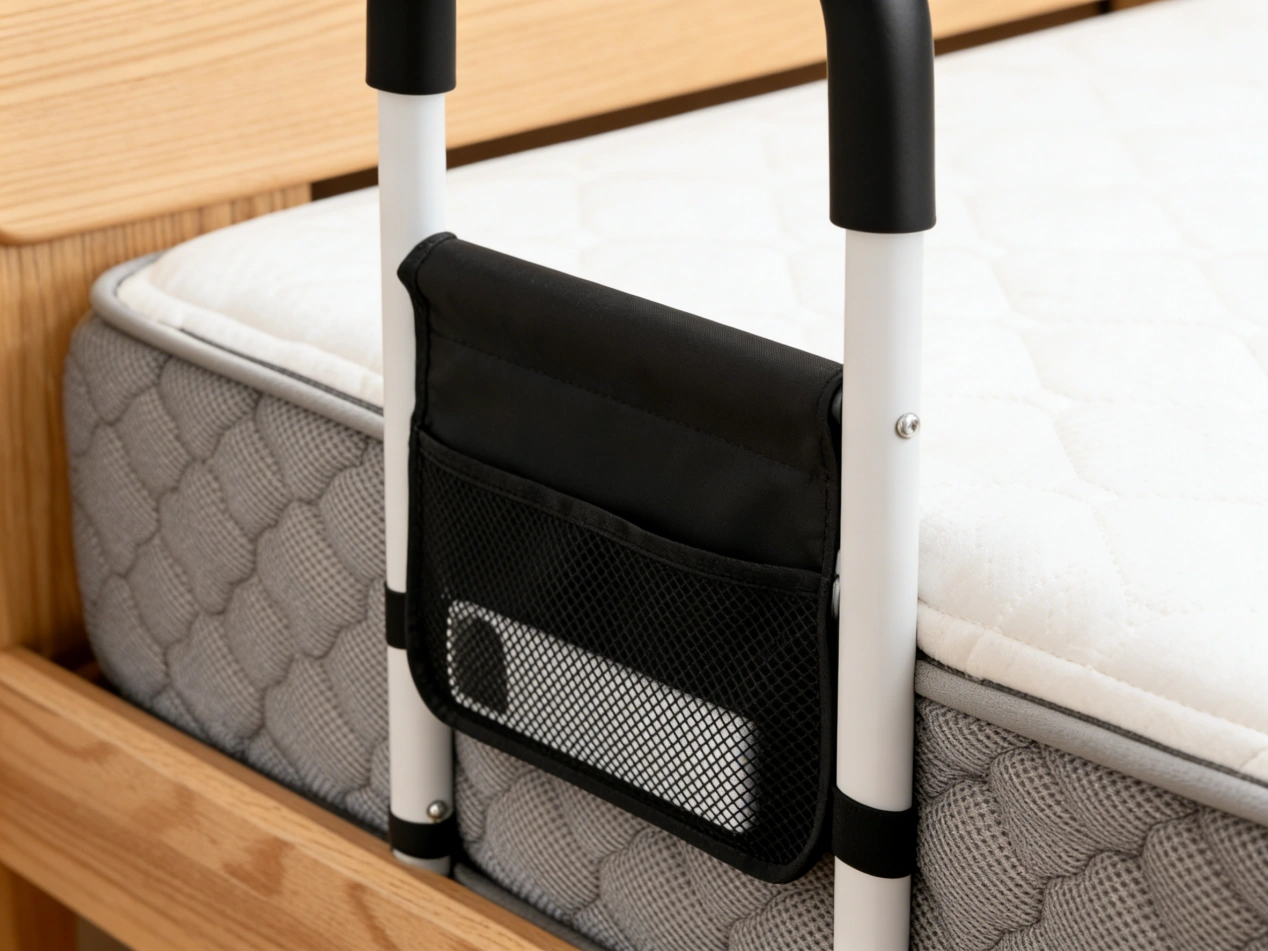
Doctors perform over a million joint replacement surgeries across the country every single year. While the surgery itself happens in a highly controlled hospital environment, the real test begins the moment you step foot inside your own house. Your familiar bedroom suddenly feels like a completely different and somewhat dangerous place. The mattress might be a few inches too low, and simply getting up to use the bathroom in the middle of the night can cause a massive spike in anxiety.
This transition period is notoriously difficult, yet many families overlook a very basic tool that changes the entire experience. You do not need a sterile, clinical hospital room setup to heal properly at home. Sometimes, a well-placed piece of supportive equipment makes the difference between a painful morning and a smooth start to the day. In this article, we will look at how the right support system specifically helps patients get back on their feet faster, focusing entirely on post-surgery home safety.
Physical challenges during joint surgery recovery at home
Coming back from the medical center marks a major milestone, but your bedroom often lacks the structural support your body desperately needs right now. Patients quickly realize that a regular mattress offers zero firm grounding for weakened legs. This lack of solid footing creates intense pain, a deep fear of falling, and ultimately slows down the natural healing timeline.
Navigating hip replacement recovery hurdles
When you come home after getting a new hip, doctors give you a strict list of movements to strictly avoid. The most common and heavily emphasized rule is to never bend your hip past a 90-degree angle. This sounds simple on paper until you try to get out of a soft, sinking bed. Without anything solid to hold onto, people naturally try to roll, rock, or twist their bodies to build momentum. This twisting motion puts massive, dangerous stress on the fresh surgical site and can even lead to a painful dislocation.
During the early weeks of hip replacement recovery, your core and leg muscles are practically starting from scratch. The tissue around the joint has been disrupted, making it hard to lift your own leg weight. You need a way to pull your upper body upright without forcing your new hip joint to do all the heavy lifting. Trying to push off a squishy mattress with your hands rarely works because your hands just sink right into the foam.
Overcoming knee surgery recovery struggles
A replacement knee brings its own range of annoying barriers. The area often seems very rigid and puffy after a full evening of rest. Upon waking, merely curving that knee to swing your limbs off the bedside can bring tears. In initial knee surgery recovery, people pause a lot before placing their complete body mass on the mending limb. They prefer to check carefully first.
Without a steady hold on an item close by, that initial rise in the morning turns into a risky balance task. As you get upright, fluid flows to the operation spot. This causes a pulsing feeling that leaves many light-headed. A close bar lets you perch on the bed edge, grip firmly, and gradually allow your form to settle into standing before moving. Worry about giving way in the limbs keeps numerous patients lying down much longer than needed. In fact, this delays building limb strength and adds to rigidity.
How a mobility aid rail speeds up healing
You might think physical therapy appointments are the only way to get better, but what you do in your bedroom matters just as much. A simple support bar transforms how you move daily. It takes the pressure off your fresh incisions and lets your upper body safely guide your legs.
Instead of relying on a spouse or family member to pull you up by the arms—which can easily hurt both of you and strain their back—a mobility aid rail puts the physical power back in your own hands. This newfound independence provides a massive psychological boost. When patients feel capable of moving safely on their own, they actually get out of bed more often.
Here is exactly how this simple tool changes your daily routine:
-
Promotes active movement: Frequent walking is exactly what orthopedic surgeons want to see. Getting up multiple times a day keeps blood flowing, reduces the risk of blood clots, and stops scar tissue from getting too tight around the new joint.
-
Reduces nighttime falls: Many patients wake up groggy at 2 AM needing the bathroom urgently. In the dark, trying to balance on a swollen leg is a recipe for a bad fall. Bedside rails give you a permanent, physical anchor point in the dark.
-
Improves standing confidence: You can hold onto the bar while you find your balance, wait for the morning sleepiness to pass, and confidently take your first step forward without hesitation.
This simple bedroom addition is a major part of post-surgery home safety. It stops falls before they happen, keeping you out of the emergency room and strictly on the path to a full recovery.
Key features of a reliable bed assist handle
Keep in mind, not all medical gear works well for joint replacement patients. You need something exceptionally sturdy that will never shift when you lean your full body weight against it. Picking a flimsy design can actually cause accidents, so you have to look closely at how the base and grip are constructed.
Flat base boards and weight limits
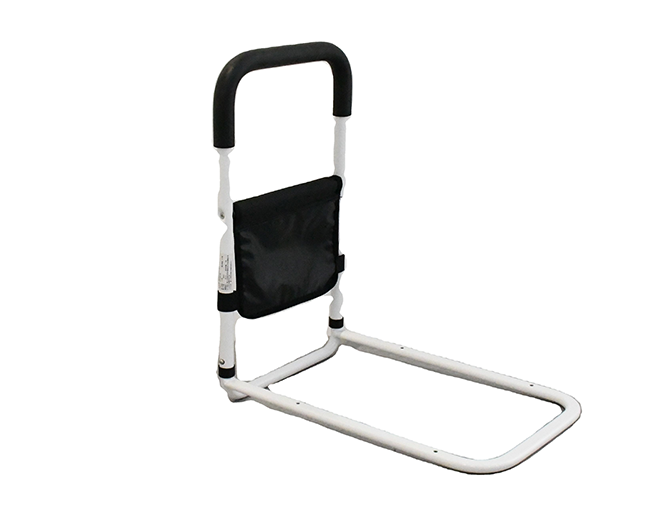
The foundation of the product dictates exactly how safe it is for daily use. Cheap, hollow tubes that just loosely slide under a mattress will eventually wiggle out of place after a few days. You want to look for a bed assist handle that features a large, flat base board or a wide stabilization frame. This flat surface slips deeply between the mattress and the box spring, using the heavy weight of the mattress itself to firmly lock the rail in place.
Certain top versions include a strong tie that fixes the piece to the bed frame’s far side. This makes it unable to draw free when you rest against it. Facing weakness after the operation, the hold must bear 300 pounds or beyond without curving. It should fit current sleeping arrangements too. This covers usual coil beds, dense foam layers, or framed bases with slats.
Grip materials and practical storage
A cool, slick metal bar ranks low for grasping when palms weaken or sweat from relief drugs. The main hold bar ought to have a grip-free, cushioned foam or rubber cover that sits easily and mild to the touch. This feel stops palms from slipping along the bar during efforts to raise your main body up.
Furthermore, recovery involves much bed rest. Stretching far to a short side table for a device, screen control, view aids, or relief tablets might lead to improper hip turns. This breaks the 90-degree caution. A rod with a joined hold bag places these routine needs beside your head rest. You just extend a little and take what is required. No need to curve your back or burden your areas.
Why a trusted bedside handrail manufacturer matters most
Buying medical supplies online can be extremely confusing with thousands of generic brands flooding the market. The quality of the metal and the precision of the manufacturing directly affect your physical safety. Working with a dedicated factory brand gives you far better peace of mind during a vulnerable time.
Selecting from an obscure seller carries a great danger of receiving slim metal that bends under common force. A real bedside handrail manufacturer centers on health-level steadiness and user protection. They check items in actual settings to gauge handling of routine use, damage, and firm rests. They apply denser steel, improved join methods, and safe coat layers that hold up past a month. Good plants also craft their work to match a regular sleeping space. They skip the stark, clinic-style appearance that many dislike.
This is where a brand like Xunyu Medical stands out clearly. Rather than producing plain metal rods, we design items aimed at senior support, slip avoidance, and operation mending. Examine the XY-310型 up close. You spot the solid build right away. It holds a broad, non-slip base and a shaped hold made for those facing trouble rising from sitting. The useful multi-bag hold addition reveals that creators grasp what true cases endure while fixed in bed. Moreover, it assembles without any instruments. This spares your household much hassle.
Choosing equipment from a direct manufacturer also means you get real customer support if you have questions about installation on different types of beds. For anyone preparing their home for a loved one coming back from the hospital, taking the time to pick a quality product is worth every single penny. If you are setting up a bedroom for an upcoming joint surgery, or if you manage an assisted living care facility, you should reach out to Xunyu 医療 directly to see how our engineering can solve your daily mobility problems safely and affordably.
結論
Recovering from a major joint operation takes time, patience, and a lot of sheer physical effort. You do not have to make the journey harder by struggling with a standard, unsupportive bed setup. By adding high-quality bedside handrails to your bedroom, you instantly remove the daily fear of falling and the painful morning stiffness that holds you back. You gain the freedom to get up safely, keeping your leg muscles active and your new joints moving correctly. Remember that the right tools not only protect your physical body but also give you the mental confidence to push forward every day. Prioritize your independence, choose equipment from reliable makers, and give your body the exact support it needs to heal completely.


