

Are the Best Bed Rails Truly Safe for Elderly Patients in Long-Term Care?
Time : Dec 09, 2025 View : 995
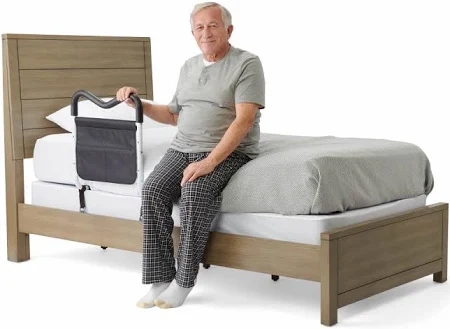
Bed rails for older adults in nursing homes and assisted living bring many advantages, such as fewer falls and more freedom to move alone. However, these devices are not always safe for every person. Safety depends heavily on correct choice, proper fitting, and the patient’s own health condition. Wrong use can cause dangerous trapping or even deadly trapping, or falls when someone tries to climb over the rail. Safe choices require careful checking of bed type, strong locking parts, adjustable height, and advice from doctors or therapists. For some patients, lower beds or soft floor mats work better. Medical-grade bed rails, such as the ones made by XUNYU MEDICAL, are built with these points for safety in mind.
Assessing the Safety of Bed Rails for Elderly Patients in Long-Term Care
Purpose and Scope of the Discussion
The number of older adults keeps growing, and long-term care has become a major part of elder support. A common question now appears: do the best bed rails actually keep seniors safe in these settings? Many facilities use bed rails to stop falls, help people move, and give a feeling of protection, but real safety depends on picking the right model, installing and using it in a proper way. This review looks closely at both the good and bad sides of bed rails for older patients. It also studies how products like XUNYU MEDICAL’s XY-318 and XY-316 bed rails accord with strict safety rules and meet the demand for comfort in care homes.
Benefits of Bed Rails for Elderly Patients
Enhancing Mobility and Independence
Bed rails, as steady handles, help older adults turn over, sit up, or pull themselves higher without waiting for other’s help. This feature helps people with weak muscles or painful joints the most. The rails work much like grab bars placed beside the bed, offering something firm to hold during daily movements.
Reducing Fall Risk When Going to or out of Bed
Falls remain one of the major reasons, resulting in bad injuries even death of older people. Getting into or out of bed, especially at night, makes the most moments of high danger. Bed rails lower that danger by giving a solid grip point in the dark. In places where seniors want to stay in their own homes longer, these simple tools help reduce visits into emergency room.
Reliecing Caregiver Burden
When patients can shift position or get up more safely on their own, nurses and family members face less heavy lifting. This change frees up time for other important care tasks and makes the whole daily routine smoother inside care facilities.
Providing Psychological Reassurance
Many seniors feel scared about rolling out of bed while asleep or waking up confused. The simple presence of bed rails creates a clear edge that calms worry. That small boundary often helps people rest better and feel more secure through the night.
Situations Where Bed Rails May Pose Risks
Compatibility Issues Between Bed Rail and Bed Frame
If the rail does not match the mattress or frame exactly, dangerous empty spaces can appear. Arms, legs, or even the head can become stuck in those gaps, sometimes causing serious injury or breathing problems. Matching parts correctly stays extremely important.
Cognitive Impairments Like Dementia
For patients with memory loss or confusion, bed rails can turn into barriers instead of helpers. Some individuals do not understand the rail’s purpose and try to climb over it. That action often leads to falls from higher than normal bed height, raising the chance of broken bones or head wounds.
Unsafe Nighttime Behavior Patterns
Older adults who wake often because of the need to use the bathroom or because of restlessness may see fixed rails as walls to get past. Trying to go around or over them at night can cause severe falls.
Improper Installation or Use of Non-Medical Products
Cheap or non-certified rails sometimes lack strong locks or proper length settings. Even good products can become dangerous when workers do not attach them firmly to the bed frame.
Criteria for Selecting Safe Bed Rails for Elderly Patients
Assessing Compatibility with Existing Bed Systems
Not every rail fits every bed. There are several factors that influence the safety of bed rails, including thickness of the mattress, type of frame, and mounting method so staff must measure and test before buying.
Prioritizing Key Safety Features in Design
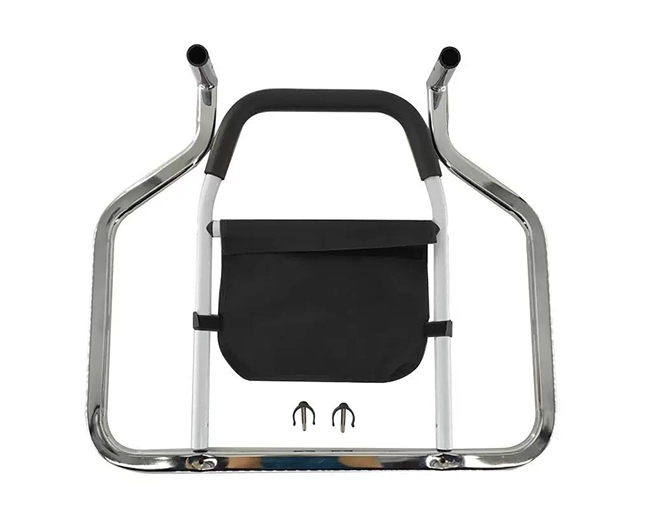
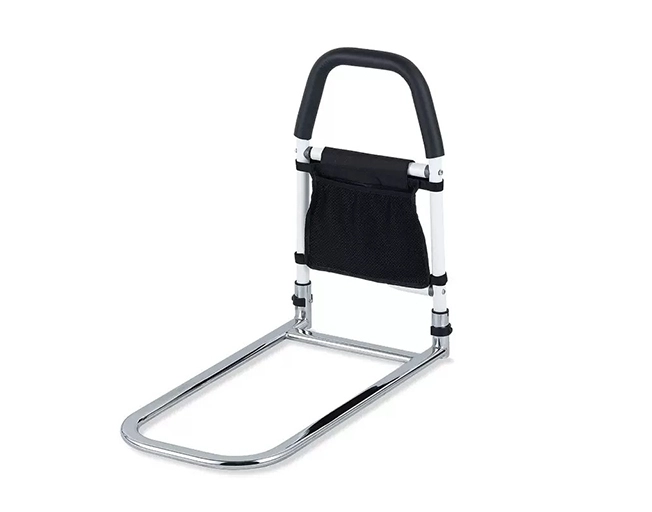
Safe models include easy-to-grab handles, height choices, half-length options, and quick-release buttons for emergencies. For example, XUNYU MEDICAL’s XY-318 bed rail comes with a strong locking system and a fold-away design that works well both at home and in care centers. It uses high carbon steel, oxidized spray finish, removable parts, no drilling needed, storage bag, soft foam handle, flat tube shape, and widened base for extra stability. The XY-316 model adds full height adjustment while keeping the same safe features: carbon steel frame, full spraying finish, removable, no drilling, storage bag, foam handle, flat tube design, and height adjustment.
Assessing Patient-Specific Needs Before Selection
Each person needs a personal check that looks at strength level, nighttime habits, and memory condition. Only after that review should staff decide on bed rails.
Collaborating with Medical Staff in Decision-Making
Advise should be given and considered by doctors, therapists, nurses, and even experts for home modification Their combined knowledge makes sure the chosen equipment fits into the full fall-prevention plan.
Recommendations and Alternative Solutions
Recognizing That Bed Rails Are Not Universally Appropriate
Even though bed rails help many people, they can make things worse for patients who are confused or very restless. In those cases, other choices often work better.
Exploring Safer Alternatives When Needed
Useful options include:
– Beds placed very close to the floor so falls cause less harm
– Thick soft mats beside the bed to cushion any fall
– Lights that turn on automatically when feet touch the floor
– Strong grab bars fixed to the wall instead of the bed
These ideas can replace or work together with traditional bed rails.
Consulting Professional Medical Equipment Providers Like XUNYU MEDICAL
Trusted suppliers such as XUNYU MEDICAL create products built exactly for older adult care:
XY-318 Bed Rail
The foldable style and safe lock make it perfect for changing care needs.
XY-316 Bed Rail
Full-length protection with easy height changes suits patients who need stronger side coverage.
FAQs
Q: Are all elderly patients good candidates for using bed rails?
A: No. Patients with dementia or strong confusion often face higher danger if they try to climb over the rails. A full health review must come before any installation.
Q: How to evaluate the compatibility of bed rails with the hospital or homecare bed?
A: Compatibility depends on bed frame style, mattress thickness, and mounting system. XUNYU MEDICAL’s XY series fits most standard medical beds, but a professional should always check first.
Q: What makes XUNYU MEDICAL’s XY series safer than generic alternatives?
A: The XY series includes medical-grade locks, comfortable grips, adjustable sizes, quick-release buttons, and strong steel construction. These details ensure safety for patients and make daily care easier for staff.


