

Choosing the Best Crutches After Knee Surgery: Key Factors to Consider
Time : Jan 07, 2026 View : 1,150
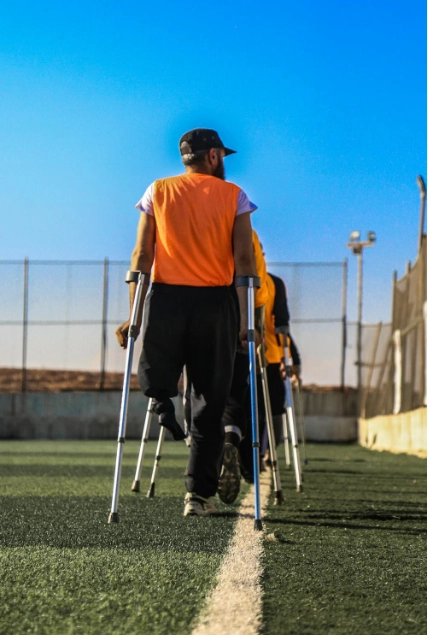
Choosing suitable crutches following knee surgery relies on correct sizing, load limit, healing phase, and comfortable shape. Crutches that adjust easily, made from light aluminum, and equipped with non-skid ends promote steady movement, lessen tiredness, and provide secure walking in various places. As healing advances, the kind of crutch needs to change according to shifting weight support and steadiness demands. Comfort-focused elements prove vital to avoid extra harm, while strong build guarantees dependable help during the entire recovery period. Properly built medical crutches finally encourage ease, protection, and a quicker path back to moving on one’s own.
What Should Be Prioritized When Selecting Crutches After Knee Surgery?
The Patient’s Weight, Height, and Recovery Timeline Must Dictate the Crutch Structure
Finding the right crutches after knee surgery starts with fitting the tools to the person’s body features and healing stage. Accurate sizing greatly lowers pressure under the arms and improves walking balance. This helps stop additional stress on muscles and bones. Mechanisms that allow height changes remain necessary for a custom fit. They make sure the hand hold lines up with the wrist fold when arms hang naturally by the sides. Such setup supports a gentle bend at the elbow of about 30 degrees, as suggested in medical practice.
Load support also matters a lot. Many common crutches handle up to 100 kg, yet patients with more weight need stronger versions. Different parts of recovery—from no weight on the leg to some weight allowed—call for crutches that shift without trouble. For example, the first weeks after operation often require underarm crutches for full backing. Patients moving forward might gain from forearm or platform types that give different levels of help for movement.
Material Composition and Frame Design Directly Impact Long-Term Use
Crutches need to combine solid strength with user ease. Lightweight aluminum alloy stands as the top pick for most hospital-level crutches. It offers lasting power without adding much extra effort for the person. Moreover, rubber ends that prevent slipping provide firm grip on many kinds of ground. This proves important for patients working to regain control after surgery.
Hand holds shaped for comfort reduce tiredness in the wrists and lower chances of skin irritation from long periods of holding. Frames that fold or take little space add practical benefits. They allow simple keeping and carrying for people going to regular therapy appointments.
How Does Post-Surgical Mobility Influence Crutch Type Selection?
Different Mobility Needs Require Specific Crutch Designs for Optimal Support
The choice of crutches has to match the changing movement abilities of the patient. Underarm crutches deliver strong upright backing. They work well for the beginning of healing when no weight goes on the operated leg. As power and control grow better, patients can switch to forearm crutches. These give more freedom of motion and let hands move more freely.
People with other injuries or ongoing wrist problems might find platform crutches helpful. Such models shift the load from the wrist to the lower arm. This cuts stress on smaller joints. These changes aid in following healing plans while lowering risks of strain from overuse.
Terrain, Environment, and Daily Routines Shape the Functional Requirements of Crutches
Surroundings play a big role in deciding needed crutch traits. City areas call for ends that grip well on flat roads and smooth inside floors. Rough or country ground demands stronger bases with better cushion against shocks. The shape of tips affects safety on wet or slick spots. High-quality rubber contact areas become essential here.
Daily habits—like climbing steps or traveling—require light frames with even spread of weight for smooth action. Differences between inside and outside use deserve attention when checking ease of turning. Patients who move often between these settings gain from models that work well on all surfaces.
Why Is Ergonomic Design Crucial in Preventing Secondary Injuries?
Poorly Designed Crutches Can Lead to Shoulder Pain, Nerve Compression, or Fatigue
Crutches that lack proper fit or good build can worsen healing issues by causing new problems. Wrong arm placement may press on nerves under the arm. This leads to loss of feeling or nerve damage. Grips without padding raise risks of skin sores and wrist pain, mainly during long use.
Lack of cushion against impacts or wrong body position while walking can cause back misalignment and tired muscles. Medical staff should thus focus on comfort checks during first setups. They also need to watch for signs of wear that point to incorrect handling.
A Well-Balanced Design Enhances Comfort While Supporting Natural Gait Patterns
Modern comfort-focused builds spread pressure equally over touch points. Pads with angles ease local stress and help keep the upper body straight. Tips that soften shocks take in repeated jolts to joints. This matters greatly for extended healing programs.
Light aluminum frames joined with grips shaped to the hand promote straight standing and smooth steps. These parts together support a better healing path by protecting muscle and bone health.
Which Features Distinguish High-End Medical Crutches From Basic Models?
Advanced Adjustability, Weight Distribution, and Grip Technology Define Premium Models
Top-level medical crutches differ through options for fine tuning at many points. Systems for several height levels permit exact changes for users with uneven leg lengths or irregular walking styles. Stronger connections keep steadiness under ongoing weight pressure. This lengthens the item’s useful time in tough medical settings.
Padding in two layers on grips marks another sign of better designs. It cuts down sweat buildup and lowers slip dangers during long walks. Such traits improve safety and build greater trust in patients moving alone.
Integrated Safety Mechanisms Offer Additional Protection During Rehabilitation Phases
Current crutch versions include parts that stop rattling for steady motion on different grounds. Strips that reflect light increase sight during early morning or evening walks. This aids safer outside activity. Locks prove key to avoid sudden folding while in use or kept in small areas like cars or clinic storage.
Crutch builds must prepare for sudden events like slips or quick ground changes. They need tips with strong bounce back and firm hand hold systems.
How Can XUNYU MEDICAL Products Support Post-Knee Surgery Rehabilitation?
Precision Engineering Meets Clinical Requirements in XUNYU’s Medical Crutch Lineup
XUNYU MEDICAL has gained respect from bone specialists for supplying movement tools that mix exact building with focus on patient needs. Their aluminum underarm medical crutch XY-925 shows outstanding structure—light in weight yet able to handle long healing periods without losing safety.
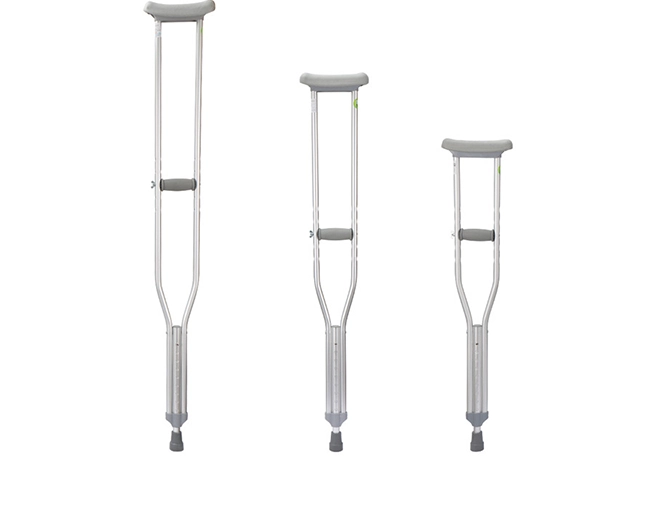
The firm’s drive for new ideas appears in each part: from quiet working features to rubber bases that prevent slips on many surfaces. Whether helping in stages with no leg weight or supporting slow return to normal walking, XUNYU MEDICAL items earn trust from healing experts around the world. They deliver strong results and true comfort design.
What Role Does Durability Play in Long-Term Recovery Outcomes?
Structural Integrity Ensures Consistent Support Throughout the Healing Process
Lasting strength stands as basic in deciding if a crutch keeps working well through the full patient healing time. High-strength aluminum alloy fights bending under repeated force. Coatings that resist weather protect from rust due to outside conditions. This guarantees steady help no matter the surroundings.
Stronger connectors also help by stopping joints from loosening over time. Such problems can harm alignment and safety if not fixed.
Long-Term Use Requires Components That Resist Wear Without Compromising Safety
Parts in tips and grips have to stay strong even after months. Padding on hand holds should keep shape without flattening. Extending sections must provide safe locks that do not weaken from many changes.
These factors make sure users can count on their aids during different levels of healing without breaks or higher dangers.
Are There Specific Product Recommendations Based on Common Post-Surgical Needs?
Lightweight Materials Combined With Adjustable Features Offer Versatility Across Patient Profiles
The XY-911crutch, aluminum alloy crutch for surgery, suits especially well for patients wanting both power and comfort during recovery after knee work. Its comfort-focused structure cuts muscle tiredness while giving dependable backing for movement inside and outside.
It includes a system for changes at several spots that fits various body sizes. The stronger frame offers steady work from early no-movement phases to full return to walking.
FAQs
Q: How do I know if I need underarm or forearm crutches after knee surgery?
A: Underarm crutches are generally recommended during early recovery when full weight-bearing isn’t allowed; forearm models may be suitable later when balance improves.
Q: Can I adjust XUNYU MEDICAL crutches myself, or do I need professional help?
A: Their products are designed with intuitive adjustment systems that allow users to modify height settings safely at home; however, initial fitting by a healthcare provider is advised.
Q: How long should I expect to use crutches after knee surgery?
A: Duration depends on surgical type and healing rate; most patients use them from several weeks to a few months as advised by their orthopedic specialist.


