

Choosing the Right Bedside Assist Devices for Safe Patient Transfers
Time : Dec 19, 2025 View : 688
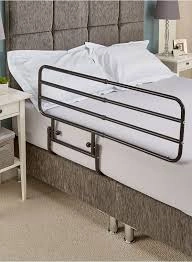
Selecting suitable bedside assist devices proves vital for secure and smooth patient shifts. These tools must fit the patient’s health requirements, movement ability, and care surroundings. Elements like bed arrangement, flexibility, safety aspects, strength, and simple upkeep all shape how well they work in homes or medical places. Fixed rails, removable rails, and flexible grips each tackle various shift issues. Options from XUNYU MEDICAL stress body-friendly shapes, lasting build, and helper speed. They supply steady, patient-focused aid that weighs safety, ease, and expense across time.
What Factors Should Be Considered When Selecting Bedside Assist Devices for Patient Transfers?
How Do Clinical Needs Influence the Selection of Assistive Devices?
Grasping a patient’s health background forms the base for picking a fitting bedside assist device. The patient’s movement range and body limits set the kind of bedside help needed. For example, someone healing from an operation could need total backing. On the other hand, a person with fair movement might just want steadiness while shifting.
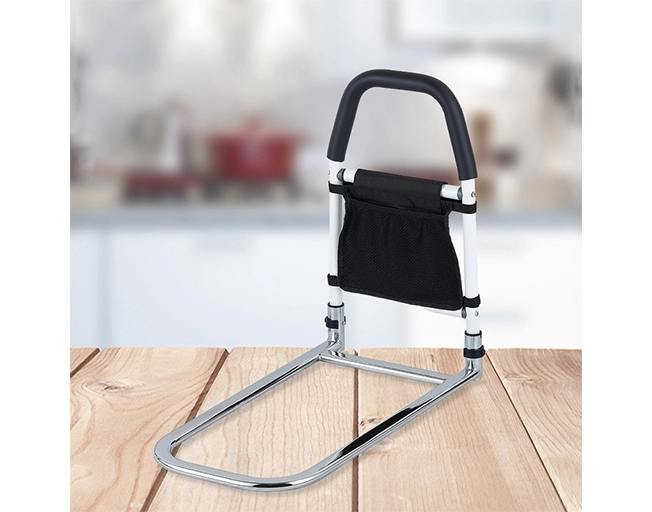
Further thoughts cover if the patient seeks total backing, some help, or basic steadiness in shifts. This choice decides if a fixed rail, removable rail, or flexible grip works best. Dangers like past falls, mind state, and load-bearing skill require review to guarantee safety and fit. Tools like the XY-316, with varied angle backing and no-slide hold, help those with weaker upper-body command or uneven teamwork a great deal.
Why Is the Environment Around the Bed Important in Device Selection?
The space near the bed shapes how smoothly a bedside assist device blends into regular care tasks. Tight spots in medical rooms or home setups impact device scale and setup choices. Bulky items or those needing lasting fixes might not suit small areas well.
Surface kind, bed level, and nearby items affect device spot and firmness. Take models with no-slide base pads like the XY-429. They hold firm even on slick floors. Plus, devices ought to mix into current care flows without blocking helper paths. Removable styles such as the XY-310 handle this by giving bendy setup and fast take-off when called for.
How Do Different Types of Bedside Assist Devices Address Specific Transfer Challenges?
What Role Do Fixed Bed Rails Play in Stabilizing Patient Movement?
Fixed rails hold key value for patients needing steady aid. They give reliable backing for those adjusting spots or moving load. These also cut side falls while sleeping or going from flat to upright spots. Such traits make them perfect for patients with low upper body power. They offer nonstop help overnight and in morning shifts.
In What Scenarios Are Removable Bedside Rails More Appropriate?
Removable rails suit spots where changeability counts most. They bring bendiness when area or patient reach matters. For instance, the XY-310 from XUNYU MEDICAL comes off without boring holes. It has a soft handle and carry bag. The Removable Bed Side Rail XY-310 brings a useful fix with solid hold spots and easy setup. This makes it good for medical and home spots alike. Such bendiness matters for patients wanting short-term aid. It also helps when several helpers split duties.

How Can Adjustable Support Handles Improve Transfer Efficiency and Reduce Injury Risk?
Why Are Height and Angle Adjustments Critical for Safe Transfers?
Height and angle changes make sure body-friendly lineup for patients and helpers alike. Bendy handles fit varied patient builds and shift styles. This cuts joint stress in push or pull actions. That proves key for older users with joint swelling or helpers doing repeated jobs. Bendiness brings body-fit spots for both sides.
How Does the XY-316 Enhance Transfer Safety with Its Multi-Angle Support Design?
The XY-316 bedside assist unit shows fresh ideas in body-friendly shapes. It has a turning handle that backs different shift ways. This suits patients going from bed to chair or seat. Its carbon steel build gives lasting strength. Meanwhile, the soft hold boosts user ease. The no-slide face betters hold even with tired or damp hands. The small frame suits most bed kinds. It keeps build wholeness intact.
How Does Product Durability Affect Long-Term Care Planning?
What Materials Offer Both Strength and Comfort in Daily Use?
Picking materials shapes item life and user ease straight away. Steel frames fight rust over time. This holds true in wet spots like medical centers. To match this power, soft-covered holds raise ease. They keep clean rules via simple wash steps. Items like the XY-318 use high-carbon steel parts with take-away bits. These ease upkeep while giving solid backing.
Why Is Maintenance Simplicity Essential in High-Turnover Settings?
In medical centers or help-living spots where many patients share beds over time, simple upkeep turns a must. Tools needing little care cut helper load and wait times between shifts. Devices from XUNYU MEDICAL suit fast put-together and take-apart. They skip special tools or parts. Units with part-based builds fix or swap quick without full break-down.
How Can One Balance Cost-Efficiency With Clinical Performance When Choosing Equipment?
What Features Justify Investment in Higher-End Assistive Devices?
Budget limits exist, yet some traits show clear worth. Better safety parts like lock joints or two-hold rails boost patient results. They lower fall dangers. Multi-task items that mix store room with backing handles—like the XY-310—add extra use. They do so without growing space take-up.
Why Should Procurement Decisions Be Based on Total Cost of Ownership Rather Than Initial Price Alone?
Quick gains can lead to drawn-out costs if tools need often swaps. Low-cost items might break sooner. That calls for regular new buys raising full costs. Items from XUNYU MEDICAL build with health lasting in view. They bring time-long savings via fewer breaks and better user gladness.
Who Is XUNYU MEDICAL and Why Are Their Solutions Trusted by Healthcare Professionals Worldwide?
Foshan XUNYU MEDICAL Technology Co., Ltd. sits in Danzao Town, Nanhai District, Foshan City, Guangdong Province. It runs as a firm focused on making help tools for older folks. The plant spans 4,000 square meters. It stays set on giving the elderly safer and cozier living ways. Their item range goes from walking sticks to fresh bedside assist units. These cover backing grips and take-away rails.
Since starting up, XUNYU MEDICAL puts tech new ideas first. It hones item shapes to meet real wants of growing-older groups. Their stress on work and user-first traits sets them as top makers of fine medical helps around the world.
What marks XUNYU MEDICAL out lies in their drive for people-focused shapes. Each item crafts with helper work flow speed and patient worth in mind. Be it small rails that blend into tight spots or varied-angle grips that fit tricky shift routes, their new steps meet true care pulls.
FAQs
Q: Can bedside assist devices be installed on any type of bed frame?
A: Not all devices are universally compatible; it’s important to match the device’s mounting system with bed design specifications such as frame thickness, mattress height, and clearance space.
Q: How often should bedside assist equipment be inspected for safety compliance?
A: In clinical environments, inspection should occur monthly; for home use, every 3–6 months is recommended depending on frequency of use and manufacturer guidelines.
Q: Are removable rails less secure than fixed ones during patient transfers?
A: When properly installed according to manufacturer instructions, high-quality removable rails offer comparable stability while allowing greater flexibility during care tasks like repositioning or cleaning.


