

Crutch VS Cane: Which One Can Meet Your Mobility Needs?
Time : Feb 16, 2026 View : 37
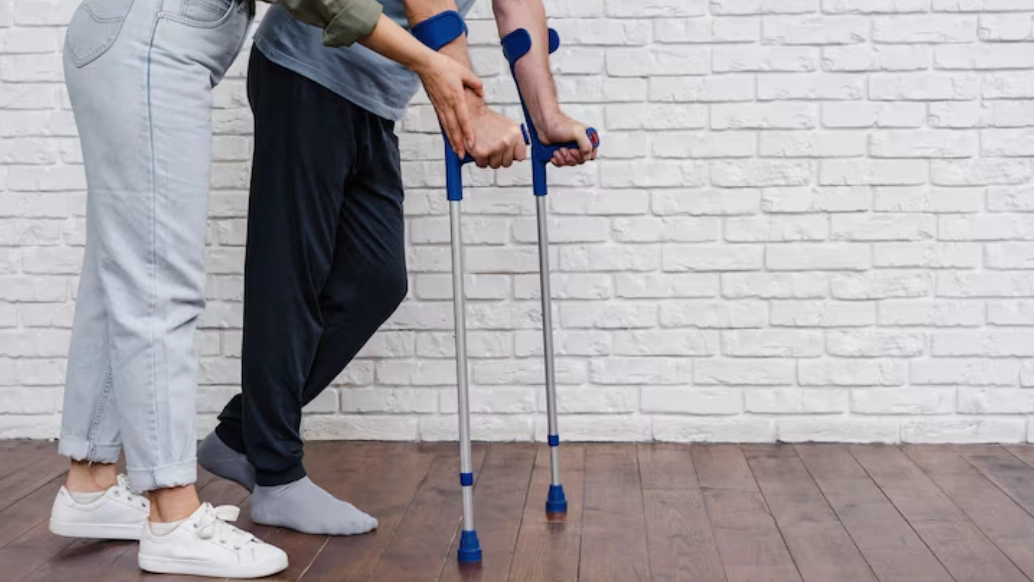
Mobility supports often appear grouped as basic walking assistance tools, but their practical application positions them as systems designed to manage weight distribution, directly affecting equilibrium, stress placed on joints, and overall efficiency of movement over extended periods. The selection between crutches and canes is not just a short-term preference, but determines the manner in which forces travel through the body, the degree of safety maintained during navigation through various environments, and the extent to which the selected aid continues to match evolving physical circumstances.
Why Do Crutches and Canes Serve Fundamentally Different Mobility Roles?
Even though both implementations provide help during walking, their underlying mechanical approaches remain distinctly separate. A crutch aims to replace reduced capability in the lower extremities to a significant degree, while a cane primarily enhances the capability that already exists. Misalignment regarding these distinct purposes frequently leads to inefficient walking patterns, unnecessary strain across the arms and shoulders, or inadequate assistance throughout the healing process.
How does load transfer differ between a crutch and a cane?
Through proper positioning and technique, a crutch redirects a considerable share of body mass away from one leg or both legs toward the upper torso. In certain configurations, near-complete relief from weight-bearing on an affected limb becomes possible. Consequently, crutches are particularly suitable for postoperative phases, after bone fractures, or in circumstances requiring strict regulation of pressure placed upon injured areas.
In contrast, a cane transfers only a modest fraction of the overall load. Its central purpose involves decreasing maximum pressure experienced by joints while allowing both legs to continue contributing to locomotion. This fundamental distinction influences not merely the amount of assistance delivered but also patterns of energy expenditure and resulting tiredness during activity.
How does each device affect balance and gait pattern?
Utilization of crutches typically widens the base of support and modifies stepping rhythm in order to preserve steadiness. The coordination of the arms becomes necessary along with the intentional placement of each foot. In contrast, a cane delivers assistance in a more understated manner, providing lateral stability and minor adjustments while leaving the basic walking sequence largely unchanged. The outcome manifests as a walking style that feels considerably closer to natural movement, especially when there is no need to completely reduce the load on the legs.
When Is a Crutch the More Appropriate Choice for You?
Functional ability rather than personal comfort drives this determination. Crutches emerge as necessary whenever a cane fails to deliver sufficient mechanical compensation.
What level of weight-bearing restriction requires a crutch?
Situations including recent trauma, postsurgical healing periods, or marked weakness affecting one side frequently surpass the supportive capacity offered by a cane. Under such circumstances, carefully controlled reduction of load protects recovering tissues and decreases chances of additional harm caused by awkward compensatory motions.
How does a crutch help control instability during recovery?
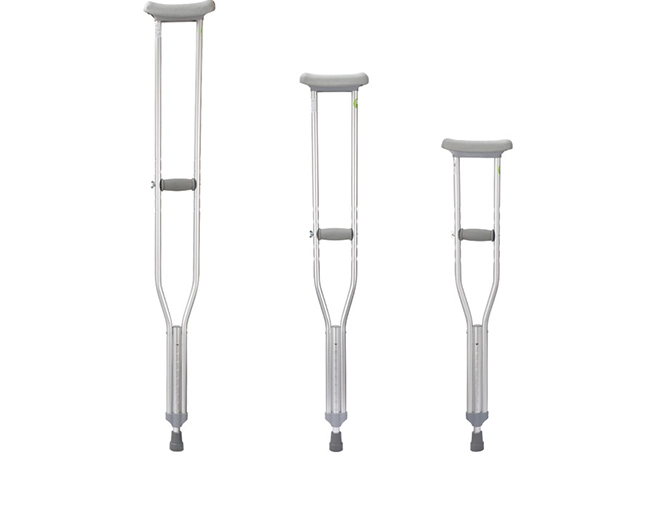
Additional points of contact with the ground, combined with active participation of the arms, create an expanded zone of stability when crutches are used, which is especially suitable for position changes such as rising from seated positions, moving across irregular surfaces, or executing turns. Devices, including the XY-925 medical crutch, demonstrate these advantages through features like variable height adjustment, comfortable forearm rests, and sturdy aluminum framework that distributes pressure evenly across the arm and shoulder regions while ensuring dependable traction against various floor types.
In What Situations Does a Cane Provide Sufficient Support?
Many individuals find complete weight removal unnecessary and potentially counterproductive to fluid motion. In these situations, a cane establishes an effective compromise between required support and preserved independence.
How much assistance does a cane realistically provide?
Stability receives noticeable improvement, and joint stress diminishes through cane usage without eliminating natural leg contribution. It is quite effective in cases of slight equilibrium difficulties, initial stages of joint wear, or later rehabilitation phases during which assurance and stamina continue developing.
Why is a cane often preferred for long-term daily use?
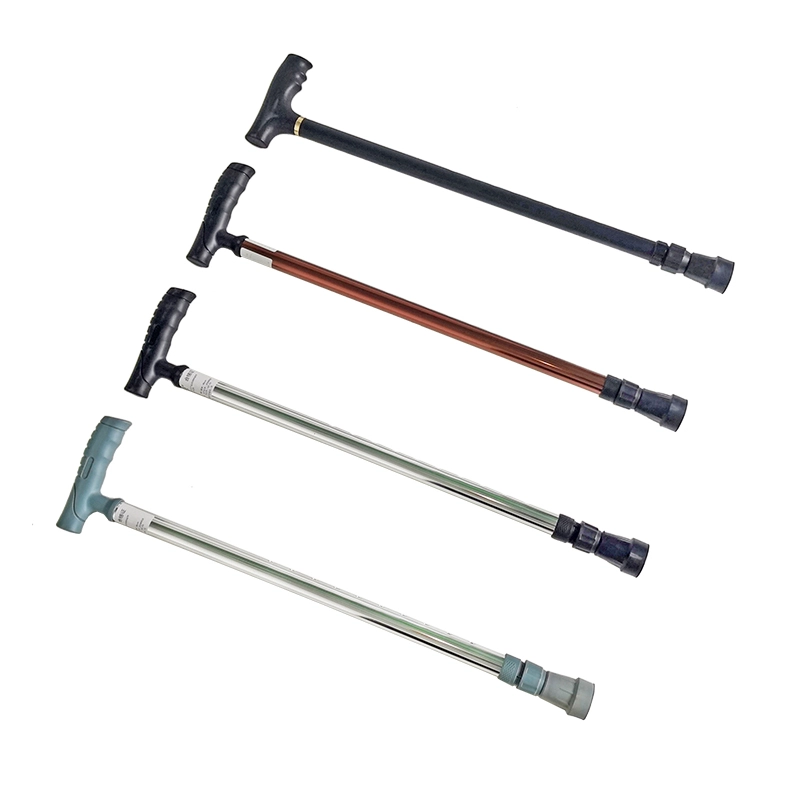
Reduced demand upon upper-body strength and seamless incorporation into routine activities render a cane more viable for prolonged application. The XY-920 walking cane exemplifies this approach through adjustable height capability, reduced overall weight, and a securely designed tip that facilitates ordinary ambulation without introducing excessive interference into natural movement mechanics.
How Should You Decide Between a Crutch and a Cane in Practice?
Determination of the suitable implement seldom constitutes a permanent judgment. Physical capability, environmental conditions, and frequency of application all influence its adaptability.
What physical factors should guide your choice?
Primary elements deserving attention encompass tolerance for bearing weight, muscular strength in the arms, level of coordination, and degree of confidence regarding balance. Selection of an aid exceeding genuine requirements may delay progress during recovery, while inadequate provision raises vulnerability to falls.
How do environment and usage frequency affect suitability?
Confined indoor areas involving brief distances generally accommodate compact, low-effort options such as canes. Exposure to external settings or transitional zones, such as steps, inclines, or uneven terrain, often makes the enhanced steadiness provided by crutches necessary when used for a short time. If the devices need to be used daily for a long period of time, a design that can reduce the accumulation of fatigue should be selected.
Where Does Product Design Influence Safety and Compliance?
Besides basic category distinctions, specific construction features determine whether an assistive device genuinely promotes secure and dependable utilization.
How do grip, height adjustment, and materials affect usability?
Appropriate handle shape decreases discomfort in the hands while enhancing command over the device. Precise modification of height maintains the suitable positioning of joints and efficient transmission of forces. Choice of construction substances impacts both lasting strength and overall mass, thereby influencing willingness toward consistent employment.
Why does build quality matter for long-term mobility aids?
Unstable structure results in wobbling, unwanted sounds, or early deterioration, factors that collectively undermine the confidence of users. High-quality manufacturing sustains reliable behavior and diminishes the probability of secondary harm arising from equipment malfunction.
Who Is Xunyu Medical and Why Is It Relevant Here?
In the domain of supportive mobility equipment, Xunyu Medical concentrates its efforts on converting genuine caregiving requirements into dependable, carefully designed solutions. Located in Foshan, China, our company maintains a specialized manufacturing site dedicated to producing mobility products, including crutches, walking frames, and everyday assistance products. Our emphasis on development prioritizes operational safety, ergonomic improvement, and robust endurance over merely attractive appearance.
Through continuous enhancement of structural elements and material selections to correspond with actual application contexts, we have assisted distributors and healthcare providers throughout Europe, North America, the Middle East, and Asia-Pacific markets. Our products perfectly demonstrate how structural design affects the actual mobility experience.
Conclusion: How Can the Right Choice Improve Mobility Without Overcompensation?
Maximum support among mobility supports does not arise from delivering the greatest possible assistance but from precise alignment with present physical requirements while permitting gradual advancement. Crutches and canes achieve separate functions, and should be selected based on accurate assessment of weight-management necessities, stability demands, and routine environments. Periodic reevaluation of device appropriateness as circumstances develop sustains protection, operational efficiency, and personal independence without avoidable physical stress.
FAQs
Q: Can you switch from a crutch to a cane during recovery?
A: Affirmative responses apply in numerous instances. Transition frequently occurs alongside improvements in the capacity to bear weight and steadiness. Determination of appropriate timing should derive from diminished dependence upon upper-body assistance instead of mere convenience considerations.
Q: Is a cane suitable for significant leg weakness?
A: Capability for unloading remains restricted with cane usage. Whenever pronounced weakness undermines steadiness or discomfort continues, implementation of a device offering greater support generally becomes necessary.
Q: How often should mobility aid height be adjusted?
A: Verification of height is advisable whenever alterations occur in posture, footwear selections, or overall physical status to preserve correct alignment and secure force distribution.


