

Foldable Electric Wheelchair Buying Guide 2026: What You Need to Know
Time : Jan 15, 2026 View : 787

Picture a setting where your movement tool not only helps you but also opens up new possibilities. As we enter 2026, the field of personal movement has changed a lot. The times of heavy, plain power chairs that tied you to a special van or home slope are over. Now, we see a big shift toward freedom. This comes from simpler materials, better batteries, and plans that slide into a small car as smoothly as they match an active way of life.
For lots of people, finding the right movement tool goes beyond just the basic details. It is about getting back the chance to drop by a fresh coffee spot, head to a family event like a graduation, or take a simple walk on a park path without getting worn out. If you are buying for the first time or aiming to replace an old one, the choices can feel too many. This guide clears up the confusion in the 2026 market. It points to the key points: safety, ease of carrying, and the ability to go places. Let us walk through the steps to pick your ideal travel partner.
Assessing Your Mobility Lifestyle Needs
Before you look at things like battery power or wheel patterns, the main task in buying is to check your own routine. A tool that fits well in a big house with open spaces might cause trouble for someone in a tight city flat. The top choice is personal. It should match your daily ways, your surroundings, and your goals. When you outline your main needs early, you avoid wasting money on something that does not suit you later.
Daily Commute vs. Travel Freedom
If your main aim is handling nearby tasks or moving through work areas, you may focus more on ease and how far the battery lasts. But if you love to roam, a foldable electric wheelchair turns vital. Think about your travel habits. Do you put it in your car every day, or only now and then for trips?
For those who travel often, finding the right mix of distance and heaviness takes care. You need a chair that covers enough ground for a whole day out. That is usually 10 to 15 miles. At the same time, it should not weigh so much that you need extra help to load it. Units like the XY-D13T from Xunyu Medical handle this well. They give strong coverage for busy times yet stay small enough for a cab ride. As you check options, consider this: Does this chair let me act on sudden ideas? Or will I always hunt for places to plug in?
Indoor Maneuverability vs. Outdoor Terrain
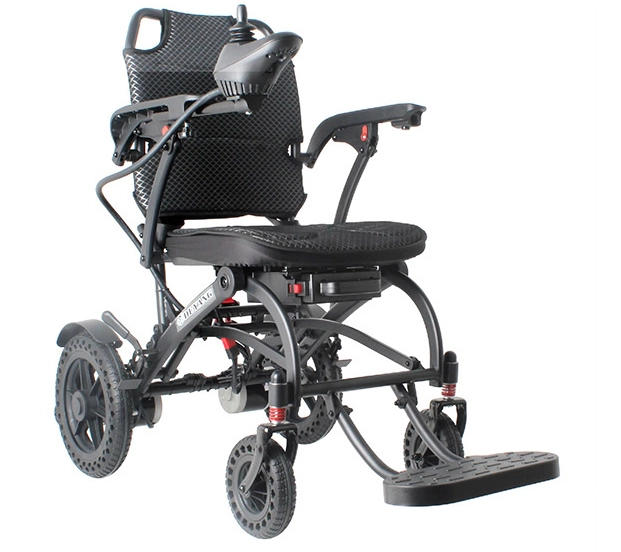
The spot where you use it most, say 80% of the time, should guide your base choice. People mostly inside want a small turn space to handle slim hallways and door openings. On the other hand, if you mean to take it to parks or bumpy walks, you seek outdoor power wheelchairs.
How it works outside depends a lot on wheel build and engine push. Tiny, firm wheels suit flat spots like airport paths. However, they can feel rough on stone streets. For both inside and out, pick one with bump-soft parts or air-filled wheels that cut down on shakes. A flexible outdoor electric wheelchair manufacturer often makes mixed types. These have a small size for home use. Yet they include the engine power and lift to deal with grass or dirt roads without worry.
The Mechanics of Portability and Storage
What sets current movement tools apart is how they pack away when idle. The old, hard-to-fold setups from before have turned into quick-to-fold wonders. Still, not every fold way works the same. And what counts as easy to carry changes based on your strength and room to store.
Weight Matters: Lightweight vs. Ultra-Light
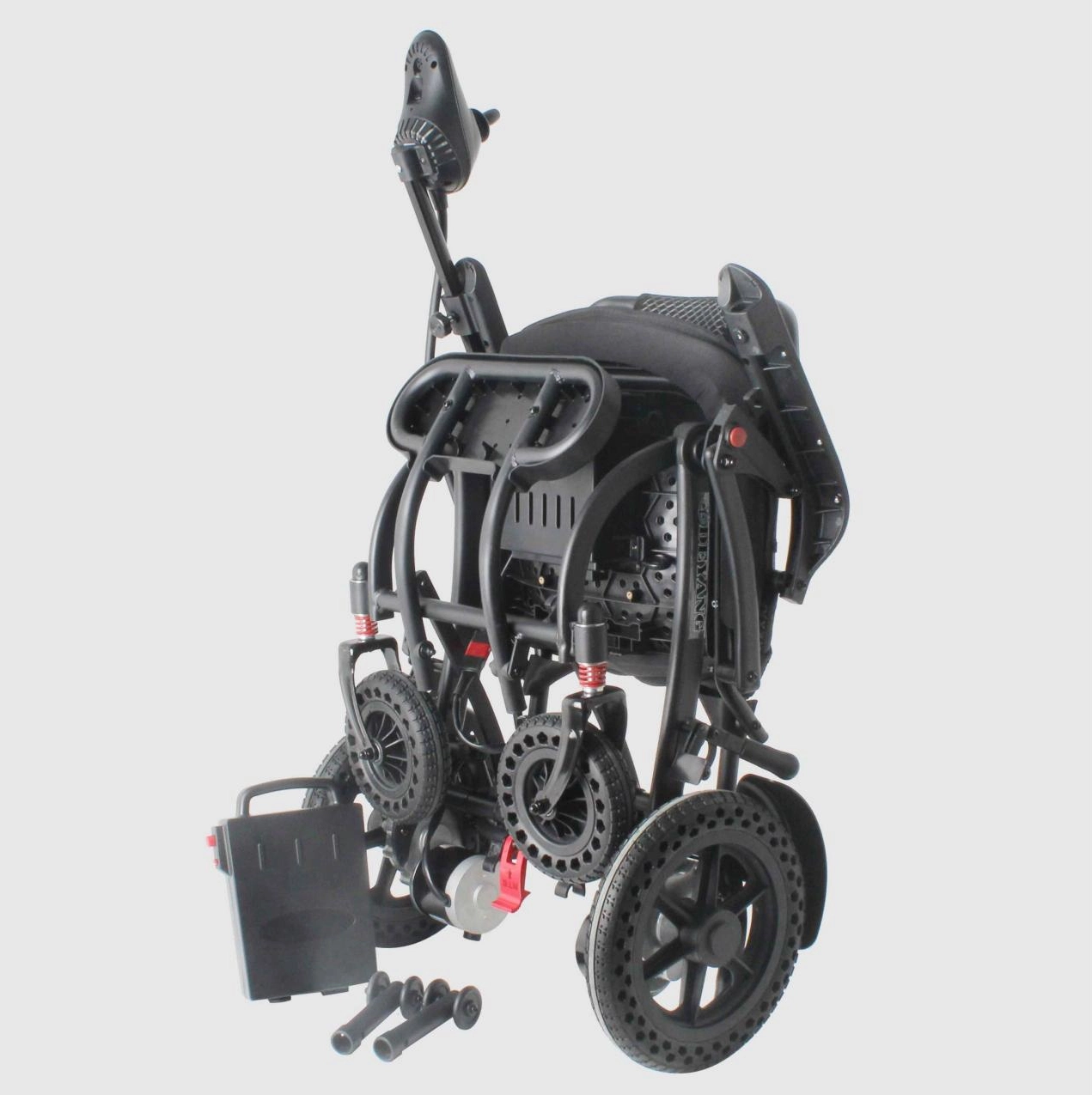
Heaviness often decides if you buy or not. When makers call a product a lightweight electric wheelchair, they mean ones below 60 pounds most time. But check the details closely. Does that number cover the battery? Power sources add real weight.
For users on their own, each pound makes a difference. If you or someone close lifts it into a car, the gap from 40 to 60 pounds feels big. The stuff used matters greatly. Metal mixes like those in top units such as the XY-D13T, give better strength for the weight than plain iron. This keeps the chair solid and safe. It does so without making lift time hard. If you can, try lifting it in a true setting. Or find ones where you take off the battery and engine to make it lighter first.
Folding Mechanisms Explained
The way it folds counts as much as its weight. By 2026, two main kinds lead: the cross-fold, like a yard seat, and the box-fold where the back drops to the seat level. A portable power chair needs to feel natural to use. You should not grab tools or need tech know-how to pack it up in a lot.
Top fold systems work with one hand or a quick catch. This helps those with less hand control. Also, think about the packed size. A really small one should go in a normal car’s back or even a train’s upper space. Strong locks when folded keep it in place during moves. That stops harm to the build or your ride.
Air Travel and Regulatory Compliance
For many, the ultimate freedom is the ability to fly to new destinations. However, air travel with mobility devices has historically been fraught with anxiety regarding regulations and damage. The good news is that the industry has adapted, producing the electric wheelchair for travel designed specifically to meet strict aviation standards. Understanding these rules before you buy is non-negotiable for the jet-setting user.
Navigating Airline Regulations
Groups like the International Air Transport Association (IATA) and firm FAA set rules on what can go on planes. An airline approved electric wheelchair has to hit certain marks. These focus on battery kind and measure. Most times, lines ask to pull batteries and take them inside. The main part goes below.
Pick a chair whose size works with usual cargo spots. Foldable ones rarely face this problem. More key is finding ones with travel papers or clear maker notes. Such files make check-in faster. A travel-focused unit like the XY-D13T has an easy battery pull. This makes working with security simple and calm.
Battery Tech and Safety
The core of today’s power chair is the Lithium-ion battery. These beat old lead-acid types for less weight and longer use. But rules watch them closely. For flights, the safe limit sits at 300 Watt-hours (Wh) often. One under 300Wh usually passes. Or two below 160Wh each.
Safety comes first in this area. Good makers pick steady, no-leak Lithium-ion types that fight heat build-up. As you look around, eye the battery case. It needs to be tough and hold up to the weather. Plus, think about easy charging. Can you power it up from the chair? That lets you leave the main part in a car or shed. You just bring the small battery home to charge. It is a real help for stays in hotels.
Evaluating Durability and Manufacturer Support
A power chair means a big spend. It acts as your main movement for years. Shiny add-ons and low-weight draw eyes. But they fail if the chair breaks soon. Strength and the trust in the outdoor electric wheelchair manufacturer form the hidden parts that set lasting worth.
Frame Construction and Weight Capacity
A light base must keep its firm build. Seek plane-level aluminum or magnesium mixes. These fight rust, key for outside time. They also take road shakes better than low-cost metals. The make ties right to how much weight it holds.
A normal carry chair should hold at least 265 lbs (120 kg) safely. Stronger ones reach 300 lbs or higher. Watch out for ones that wobble or bend too much when you sit. The XY-D13T uses a tough aluminum mix base. It gives a firm, safe ride. This holds true on rough slopes or jolts. A steady base stops falls. It also lets engines send power well to the ground.
Warranty and After-Sales Service
Last, your link to the maker should not stop at purchase. Parts like controls, sticks, and engines wear over time. A good promise acts as backup. Find firms with at least one year on the base. They should cover the battery and engine apart.
More than the written deal, check how quickly they respond. Is help easy to reach? Can you get new tires or controls without hassle? A solid name backs its work. It gives ways to fix small problems. This calm feeling matters a lot. It means a tiny issue does not trap you without movement.
Conclusion
Choosing the right mobility aid in 2026 is about finding the balance between rugged capability and effortless portability. By focusing on your specific lifestyle needs—whether that is navigating airports or cruising local parks—and prioritizing safety features like airline-compliant batteries and durable frames, you can find a chair that truly serves you.
Models like the XY-D13T from Xunyu Medical exemplify this modern balance, offering a blend of lightweight engineering and outdoor readiness that empowers you to explore further. Do not let mobility limits define your world. If you’re ready to regain your freedom with a reliable and portable travel companion, contact us at paddy17727303057@outlook.com today to learn how our folding electric wheelchairs can integrate into your life.


