

How to Choose and Use Crutches: A Practical Guide
Time : Dec 02, 2025 View : 1,045
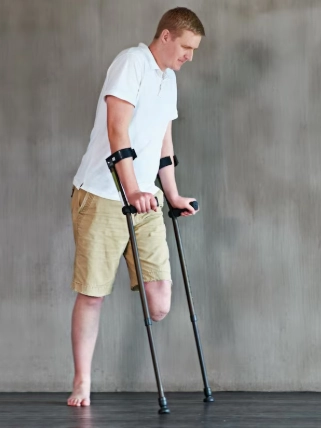
Crutches help you move around when your leg or foot is hurt. There are two main kinds. Underarm crutches are simple and good for a few weeks. Forearm crutches feel better and work great for months or years. Getting the right size is super important. You need space under your armpit and the handles at the right spot so you don’t hurt nerves or get sore. Learn the safe ways to walk, go up and down stairs, and make your house safer. Little extras like soft grips and good tips make a big difference. The products of XUNYU MEDICAL, like the XY-911 and XY-910, are easy to adjust and feel comfy every day.
When Crutches Are Needed?
Common Injuries and Conditions Requiring Crutches
People use crutches for all kinds of leg problems. Short hurts or long ones both need them. Crutches keep weight off the bad spot so it can heal. Common reasons include the following:
– Broken ankle
– Broken foot
– Sprained ankle
– Stress fracture
– ACL tear
– Achilles tendon tear
– Muscle pull
– Knee hurt
– Hip out of place
– Other leg problems after surgery
Doctors give crutches so you can still get around without making things worse.
Types of Crutches and Their Clinical Applications
Underarm Crutches: Design, Use, and Patient Suitability
Underarm crutches are the ones most people picture. The top part sits just under your armpit. In America almost everyone starts with these. They are easy to learn fast so you don’t need strong arms. That makes them perfect right after surgery or when you feel weak.
But they can make your hands, wrists, and armpits sore if you use them a lot. Never hang on the top pads with your armpits! That squeezes nerves and can make your shoulder go numb or weak.
XY-911 is a nice underarm crutch. It is light aluminum and you can change the height easy. The tips grab the floor well so you feel steady.
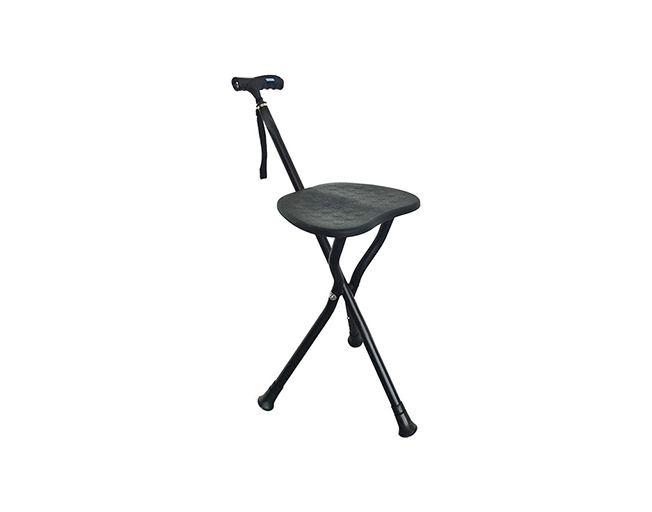
Forearm Crutches: Ergonomics and Long-Term Use Benefits
Forearm crutches have a plastic cuff that holds your lower arm. Some people call them elbow crutches. They take a little practice. But once you get it, they let you walk more normal. Your back stays straighter and you can turn quick.
You do need stronger arms than with underarm ones. Many folks say these feel way better after the first week.
XY-910 is built for long days. The cuff and handles are soft. Your arms don’t get as tired.
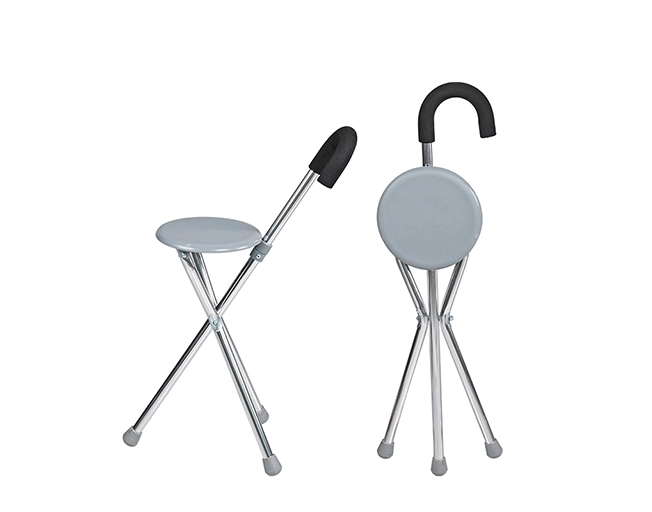
Enhancing Comfort Through Accessories and Modifications
Grip Enhancements for Extended Use Comfort
Walking for hours makes hands hurt. Cheap foam covers wear out fast. Get thick gel or soft foam covers instead. They feel nice and keep your hands happy. You can wash or change them easy.
Axillary or Forearm Padding Options
Soft covers for the top part or the cuff stop rubbing. Fleece or thick foam works great. They keep skin from getting red and sore.
Foot Tip Modifications for Safety and Terrain Adaptability
Normal rubber tips are okay inside. But outside you want better ones.
– Regular tips – fine for dry floors
– Anti-slip tips – grab wet or smooth ground
– Ice tips – have little metal spikes for snow and ice
Good tips make you feel safe anywhere.
Proper Sizing and Adjustment Techniques for Optimal Fit
Fitting Underarm Crutches Correctly to the User’s Height and Posture
Stand up straight in your normal shoes.
– Top pad stays 1.5 to 2 inches below your armpit.
– Handles line up with your hips.
– Elbows bend just a little when you hold them, about 15-30 degrees.
That is the safe way. It stops pain and keeps you balanced.
Adjusting Forearm Crutches for Functional Efficiency
– Cuff sits 1 or 2 inches below your elbow bend.
– Handle at wrist height when arms hang down.
– Arm stays comfy, not squeezed.
When it fits right, walking feels almost normal.
Importance of Accurate Sizing in Preventing Injury
Wrong size hurts wrists, shoulders, and nerves. You can fall easier. Get it right the first time and check again every few weeks if you grow or lose weight.
Techniques for Safe and Efficient Crutch Use
Basic Walking Gait Patterns Using Two Crutches
Three-point gait (no weight on bad leg):
1. Move both crutches forward.
2. Swing bad leg forward (keep it off the ground).
3. Step with good leg.
Four-point gait (you can put some weight on bad leg):
1. Move right crutch.
2. Step left foot.
3. Move left crutch.
4. Step right foot.
Go slow at first. It gets easy fast.
Sitting Down and Standing Up With Crutches
To sit:
– Back up until you feel the chair on your legs.
– Put both crutches in the hand on your good side.
– Hold the chair with the other hand.
– Lower down slow.
Stand up the same way but backwards.
Navigating Stairs With Crutches Safely
Going up:
– Good leg steps up first.
– Bring crutches and bad leg up together.
Going down:
– Put crutches on the step below.
– Move bad leg down first.
– Bring good leg after.
Hold the rail if you can. Or sit and scoot if stairs are scary.
Environmental Safety Guidelines for Crutch Users
Home Modifications to Prevent Slips and Falls
– Tape down loose rugs or take them away.
– Move cords and toys out of the way.
– Keep floors dry.
– Turn on lights so you see where you go.
Little changes stop big falls.
Footwear Recommendations During Recovery
Wear flat shoes that grab the floor. No flip-flops or slippery socks. Good shoes help you stay up when crutches are busy.
Routine Equipment Checks to Ensure Reliability
Look at tips every day. Change them when they get smooth. Tighten screws once a week. If something bends or cracks, fix it right away.
FAQs
Q: What type of crutch is better after foot surgery — underarm or forearm?
A: Right after surgery most people start with underarm ones like the XUNYU XY-911. They are simple and you don’t need strong arms at first.
Q: How do I know if my crutches are adjusted correctly?
A: Stand normal. Top pad 1.5–2 inches below armpit. Handles at hip height. Elbows bend a little when you grab them.
Q: Can I use XUNYU XY-910 forearm crutches on uneven outdoor terrain?
A: Yes! They feel steady outside. Put good anti-slip tips on and you can walk on grass, gravel, or wet paths easy.
If you need to shop crutches that fit well and feel good every day, look at XUNYU MEDICAL. They have strong, comfy choices for short hurts or long needs.


