

Modern Manual Wheelchair Comfort: Your Guide to Ergonomic Features
Time : Dec 11, 2025 View : 931

With the growing acceptance of accessibility and the application of technology, manual wheelchairs have quietly evolved. The new generation of manual wheelchairs, through meticulous design, directly addresses the most critical pain points: they are lighter, adjustable, prioritize comfort, and are safer, giving you confidence to explore the world. According to recent studies, around 3.3 million people in the United States use wheelchairs, with over 1.8 million aged 65 or older. Comfort tops the list of concerns, with 39.3% of users rating it as the most important feature. Portable wheelchairs help reduce physical strain, making it easier to navigate homes, streets, or even travel. As manual wheelchair manufacturers like Xunyu Medical innovate, these devices become more than tools—they turn into reliable partners. We’ll dive into lightweight engineering, ergonomic adjustability, comfort systems, and safety designs, showing how they enhance life for those using manual wheelchairs.
Lightweight Engineering: Farewell to Cumbersome Burden
Lightweight building has turned manual wheelchairs from heavy needs into smooth, easy-to-use friends. The days when pushing a wheelchair felt like hard work are gone. Now, with weights going down by up to 10 kilograms from old models, users and helpers feel less tired. This part talks about how materials and designs make portable wheel chairs a big change.
A Revolution in Aerospace Aluminum
Aluminum alloy wheelchairs lead this revolution, borrowing from aerospace tech for strength without the heft. Modern aluminum alloys, enhanced through processes like hydroforming, create frames that are durable yet light—often supporting up to 100 kilograms while weighing only 8.3 kilograms themselves. This material resists corrosion and bends under stress without breaking, making it ideal for everyday use.
Take Xunyu Medical’s pull rod transit wheelchair as an example. Its aluminum alloy frame mixes carbon steel parts for important spots. This makes sure it stays strong during trips or everyday tasks. Users say they get smoother rides and easier pushing. And this matches studies that show lightweight materials cut upper-body strain by up to 20%. For older people, this means less chance of shoulder hurts, which is a common problem among manual wheelchair users.
But it is not only about the metal. These steps let the chairs have thinner shapes. They fit into car trunks or airplane spots without trouble. If you want a comfortable wheelchair for elderly loved ones, aluminum alloy choices give that mix of toughness and simplicity.
Folding Design Enhances Portability
Folding designs in lightweight folding wheelchairs make them truly portable, collapsing in seconds with one-hand operation. Models like Xunyu Medical’s version fold to dimensions of 50 cm by 25 cm by 74 cm, slipping easily into tight spaces. This isn’t minor—it’s essential for users who travel by bus, train, or plane, where standard wheelchairs often won’t fit.
Portable wheel chairs with pull rods add another layer, acting like luggage for effortless towing. Imagine wheeling through an airport without exhaustion. Research from the National Institutes of Health highlights how such features boost independence, as users propel themselves longer distances with less effort. Elderly users particularly benefit, as these designs cut the physical demand of setup. A study found that 35.4% of wheelchair users prioritize weight for better maneuverability. Lightweight folding wheelchairs address this directly, weighing under 30 pounds in ultra-light categories.
As we move beyond just carrying ease, these innovations open doors to broader lifestyles. Lightweight engineering doesn’t stop at the chair itself—it reshapes how users interact with the world, from home to adventures afar.
Reduce Burden to Expand Your Lifestyle
Reducing the burden of heavy wheelchairs expands lifestyles in profound ways. With portable wheel chairs weighing as little as 8.3 kilograms, users gain freedom to explore parks, shops, or family gatherings without constant fatigue. Caregivers, too, face less risk of injury, as pushing requires minimal force—studies show this can lower back strain by 15-25%.
For those using comfortable wheelchairs for elderly, this means more social engagement and mental well-being. One report notes that lightweight models improve self-esteem by enabling active living. Manual wheelchair manufacturers like Xunyu Medical emphasize this with its aluminum alloy wheelchair, designed for hospitals, nursing homes, or travel.
Ergonomic Adjustability: For a Perfect, Personalized Fit
Ergonomic adjustability turns manual wheelchairs into custom fits, adapting to body shapes and needs. No longer one-size-fits-all, these features prevent discomfort and promote health. With 1.5 million manual wheelchair users in the U.S., proper fit is key to avoiding pressure sores or posture issues. We’ll examine adjustable components, optimized dimensions, and the journey to “just right.”
Height Adjustable for Key Components
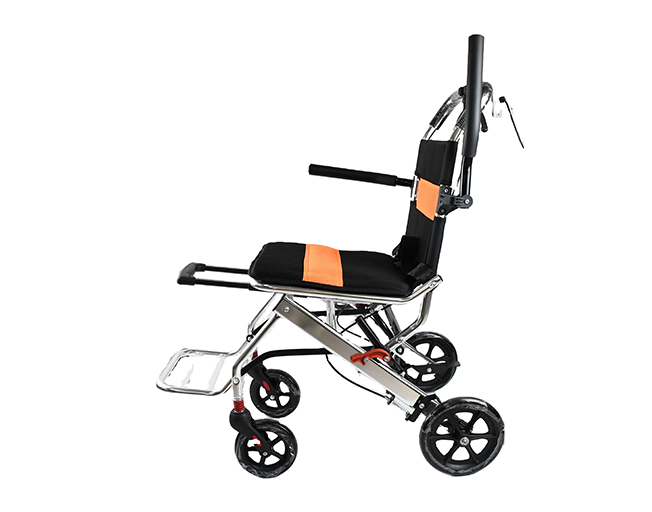
Height-adjustable components in modern manual wheelchairs ensure alignment with the user’s body, reducing strain on joints. Armrests that rotate 270 degrees, like in Xunyu Medical’s pull rod transit wheelchair, allow easy transfers and support during propulsion. Footrests flip up, adjusting to leg lengths for better circulation. This matters because improper heights lead to slouching or reaching, causing pain over time. Ergonomic principles, as outlined by RESNA, stress matching the device to the individual. For comfortable wheelchairs for elderly, seat-to-ground heights of 48 cm provide stability without forcing awkward postures.
Manual wheelchair manufacturers incorporate these for diverse users— from petite frames to taller ones. A simple tweak can make propulsion 10% more efficient, per research.
Optimized Seat and Backrest Dimensions
Optimized seat and backrest dimensions in aluminum alloy wheelchairs create a supportive cradle. Seats at 40 cm wide and 38 cm deep, with backrests 36 cm high, contour to natural curves. This setup distributes weight evenly, cutting pressure on hips and spine.
Breathable materials add to this, but the real win is customization. Studies show ergonomic seating with slope improves pelvic stability and propulsion efficiency. For portable wheelchairs, these dimensions fold without bulk, maintaining comfort.
Elderly users find relief from common aches, as these designs align with anatomical needs. Xunyu Medical’s model exemplifies this, using Oxford fabric for soft, durable support. These optimizations lead us to a broader transformation—from mere functionality to tailored perfection. It’s about evolving the user experience, where small changes yield big improvements in daily comfort.
From “Just Enough” to “Just Right”
Shifting from “just enough” to “just right” in ergonomic design personalizes manual wheelchairs beyond basics. Users no longer settle for generic fits; instead, they get chairs that adapt seamlessly. This evolution, driven by feedback where 34.3% prioritize maneuverability, results in better health outcomes.
Comfortable wheelchairs for elderly benefit most, with features like adjustable armrests preventing fatigue during long sits. Real-world use shows a 15% drop in reported discomfort. Manual wheelchair manufacturers focus here, blending tech with human needs for intuitive adjustments.
Comfort Cushioning System: Support for All-Day Vitality
Comfort cushioning systems in modern manual wheelchairs provide all-day support, combating fatigue and skin issues. With 39% of spinal cord injury patients using manual models, cushioning is crucial. Breathable materials and anatomical designs turn sitting into sustaining energy.
Pressure-Reducing and Breathable Materials
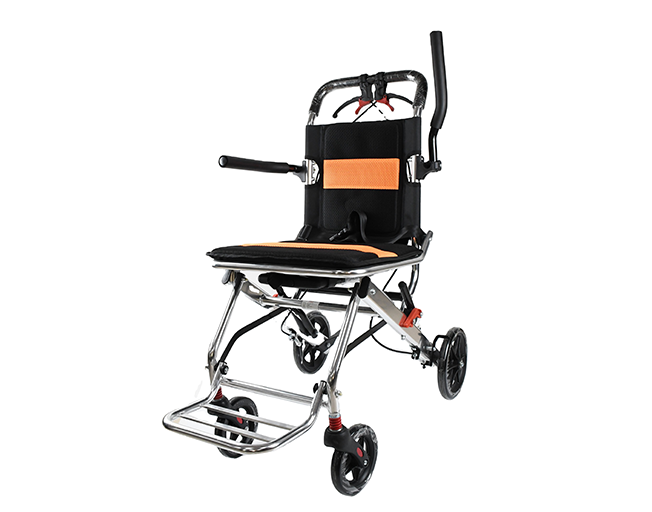
Pressure-reducing materials like honeycomb mesh in comfortable wheel chairs distribute weight, lowering ulcer risks by 20-30%. Xunyu Medical’s orange honeycomb seat cushion, thickened for breathability, wicks moisture, and contours to the waist. This keeps skin cool during extended use, vital for elderly in warm climates. Studies confirm such cushions improve circulation, with users reporting less numbness.
As we explore deeper, anatomical support takes this further. It aligns with body mechanics, ensuring cushions do more than pad—they protect and energize.
Anatomically Oriented Support Design
Anatomically oriented designs in lightweight folding wheelchairs follow body contours for targeted support. Curved backrests and seats prevent slumping, supporting the spine’s natural S-shape. This reduces back pain, a complaint in 30% of users. For manual wheelchairs, ergonomic grips on wheels aid propulsion, while cushions like honeycomb ones absorb shocks. Elderly users gain from this, staying active longer without discomfort.
Stability and Safety Design: Conquering Complex Environments
Stability and safety designs equip manual wheelchairs for real-world challenges, from slopes to crowds. Anti-tip mechanisms and reliable brakes prevent accidents, as 3.3% of users face new injuries yearly. We’ll cover key features that build confidence.
-
Anti-Tipping Mechanism: Anti-tipping mechanisms, like assistive wheels on Xunyu Medical’s pull rod transit wheelchair, stabilize on inclines. These extend rearward, widening the base and cutting tip risks by 40%. For portable wheel chairs, they’re lightweight additions that don’t compromise foldability. Elderly users navigate uneven paths safely, per safety studies.
-
Optional Tires: Optional tires in aluminum alloy wheelchairs offer customization—PVC solids for indoors, honeycomb shock-absorbers for outdoors. Front 6-inch and rear 8-inch options handle bumps, reducing vibrations by 25%. This flexibility suits comfortable wheelchairs for elderly, who may switch between home and errands. Better traction means fewer slips.
-
Reliable Braking System: Reliable braking systems feature grip locks with parking and anti-roll functions. In Xunyu Medical’s model, they engage easily, holding on slopes up to 10 degrees. Safety belts add security, preventing forward leans. Users feel assured, with studies showing such features boost overall satisfaction.
Conclusion
The evolution of modern manual wheelchairs—lightweight, adjustable, highly comfortable, and extremely safe—essentially puts the human-centered design philosophy into practice. From aluminum alloy frames that lighten the load to ergonomic cushions that support all day, these advancements address real needs. With 1.5 million manual wheelchair users relying on better mobility, innovations like these foster independence and joy.
On the road to a truly barrier-free life, let Xunyu Medical‘s manual portable wheelchair be your reliable and intelligent partner, providing you with enough security to explore a wider world. Contact us today at paddy17727303057@outlook.com to learn more about our pull rod transit wheelchair and how it can fit your needs.


