

Top Safety Tips for Using Bed Rails for Seniors
Time : Feb 26, 2026 View : 66
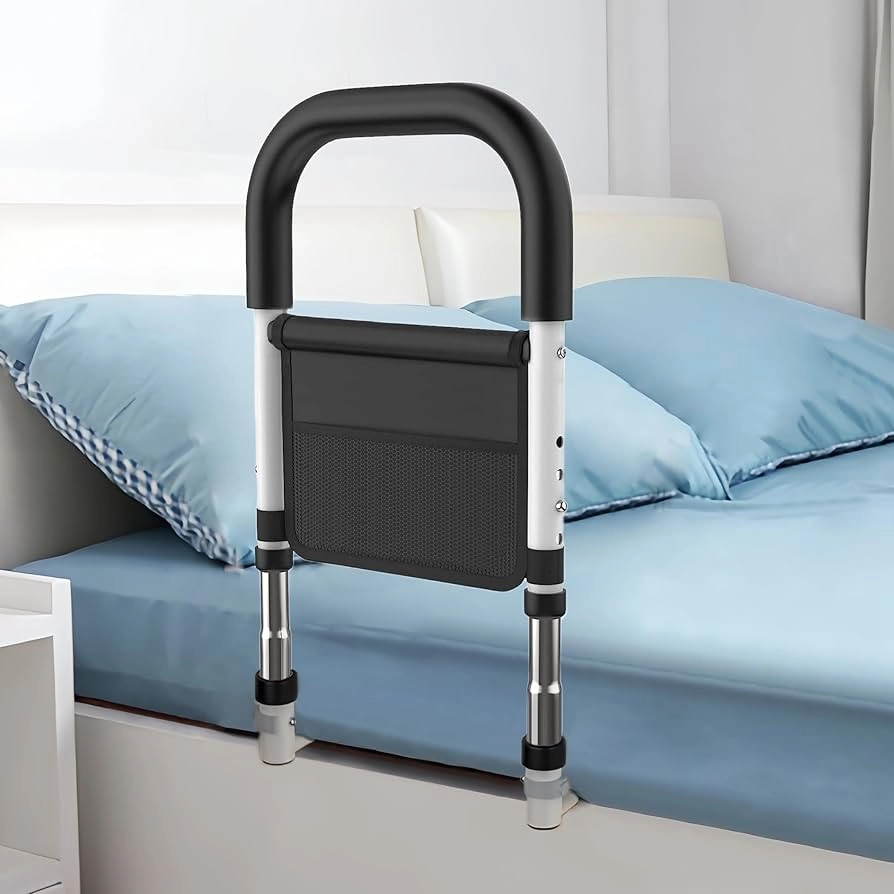
Bed rails are popular supportive devices for older adults facing restricted movement, decreased balance, or difficulty adjusting positions overnight. When properly installed and utilized, these aids effectively decrease fall incidents, help the elderly get out of bed, and reduce continuous reliance on caregivers. However, bed rails inherently possess certain dangers. Inappropriate selection, installation, and usage can generate problems, including instability or body part entrapment.
This article will introduce workable safety measures for using bed rails, and put the emphasis on how to select proper bed rails with great designs, and establish accurate daily usage habits. When product designs align closely with practical scenarios, bed rails can become a reliable protective device instead of a potential danger source.
Why Are Bed Rails Important for Senior Safety at Home?
Understanding the value of bed rails in home elder care environments holds significance before delving into specific safety measures.
What Risks Occur Without Bed Rails?
A lack of lateral support often leads older persons to roll off or slide from the mattress during rest periods, particularly once nighttime muscle coordination declines. Attempts at sitting upright or shifting posture frequently impose considerable strain upon the lumbar region and upper extremities. Individuals who awaken multiple times encounter elevated tumble possibilities through repeated solo transfers and increased physical demands placed upon assistants.
How Do Bed Rails Support Independence?
Such rails deliver a secure grasping surface that enables seniors to modify posture, achieve seated positions, or rise with improved control. Routine motions require less external assistance, fostering greater nighttime confidence. Properly configured installations encourage autonomous functioning while avoiding excessive motion restriction.
What Safety Risks Can Bed Rails Create If Used Incorrectly?
Designed primarily for protection purposes, bed rails occasionally introduce novel dangers through improper employment.
How Can Improper Installation Cause Accidents?
Rails fastened loosely or inadequately secured frequently shift amid position changes, causing immediate support loss. Height misalignment produces undesirable spaces between the mattress perimeter and rail structure, heightening risks of limb or trunk entrapment. Differences in mattress thickness and density levels impact compatibility—mismatched components compromise overall stability.
Why Must Bed Rails Match User Mobility Level?
These devices exist to provide assistance rather than confinement. Persons possessing limited physical power depend considerably upon rails throughout transfers, demanding robust frameworks and extended foundation areas. In contrast, individuals affected by cognitive limitations sometimes attempt perilous climbing behaviors, necessitating heightened observation and alternative protective tactics. Correspondence between rail specifications and both bodily and mental capacities remains crucial.
Which Structural Features Ensure Bed Rail Stability?
Construction integrity ultimately governs sustained reliability throughout extended utilization periods.
Why Does Frame Strength Matter Most?
Frameworks built from high-tensile steel or strengthened metallic components endure repeated stress loads without distortion. Ample capacity for bearing weight accommodates forceful shifts occurring during seated-to-standing transitions. Protective surface finishes combat corrosion, holding particular relevance in damp sleeping areas or prolonged institutional environments.
How Do Base Design and Anti-Slip Elements Improve Safety?
Broadened foundation surfaces distribute exerted pressure more uniformly, diminishing overturn probabilities. Adhesive gripping elements secure stable connection points against flooring surfaces or bed frames. Even tubular contact regions alleviate concentrated pressure upon hands or back areas during sustained holding actions.
How Does Product Engineering Influence Everyday Usability?
Apart from inherent durability aspects, considerate design choices substantially affect routine practicality and user willingness to engage.
Why Are Adjustable and Detachable Designs Useful?
Flexible height configurations accommodate varying mattress depths and differing bed platform heights. Removable assemblies enable convenient relocation, compact storage, or repositioning without any lasting structural alterations to the bed. Tool-free mounting methods preserve furniture condition while offering versatile placement possibilities.
How Do Additional Accessories Improve Convenience?
Padded handle coverings boost grasping comfort levels and mitigate hand discomfort during prolonged contact. Convenient storage compartments position frequently needed items such as reading glasses or telephones in easy reach, thereby reducing unnecessary nocturnal reaching motions. Gently curved contours minimize bruise potential from inadvertent collisions.
How Can the Right Product Choice Improve Bedside Safety?
Determining a fitting model necessitates careful consideration of spatial configuration, individual strength capabilities, and typical transfer routines.
Which Bed Rail Offers Strong Support for Transfer Safety?
Throughout the mobility assistance production industry, Xunyu Medical receives broad recognition for adapting actual senior movement challenges into effective bedside protection solutions. The emphasis of our product development is robust material selections, stable base structures, and easy installation techniques oriented toward the user. The balance of safety, comfort, and adaptability promotes greater independence while alleviating the burdens of caregivers. Our bedside assistive products have been widely used in home assistance and medical supply networks at home and abroad, demonstrating continuous market demand for reliable, meticulously developed products.
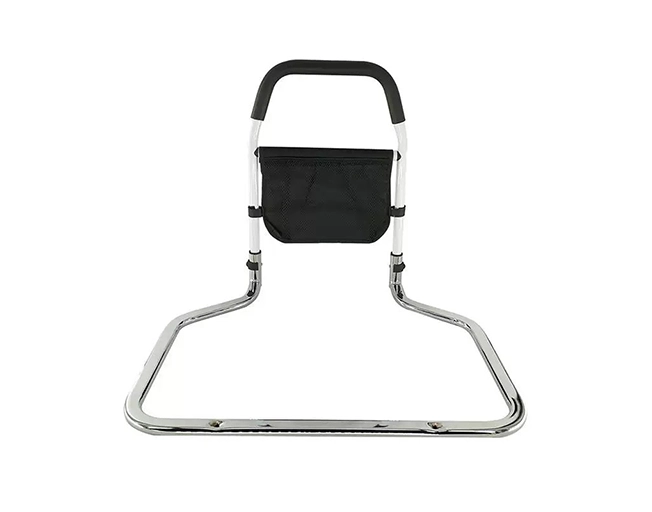
One prominent example emerges as the XY-318 bedside handrail, equipped with a reinforced structure and expanded base design that significantly enhances steadiness during in and out of the bed, making it well-suited for users who exert substantial pressure upon the rail throughout position adjustments.
Which Bed Rail Is Suitable for Lightweight and Flexible Use?
Many residential environments still require more streamlined alternatives, which can deliver stable assistance. Models characterized by light weight and adjustable height settings are advantageous in compact living rooms or short-term caregiving environments, which facilitate essential repositioning needs while permitting easy detachment or relocation as circumstances require.
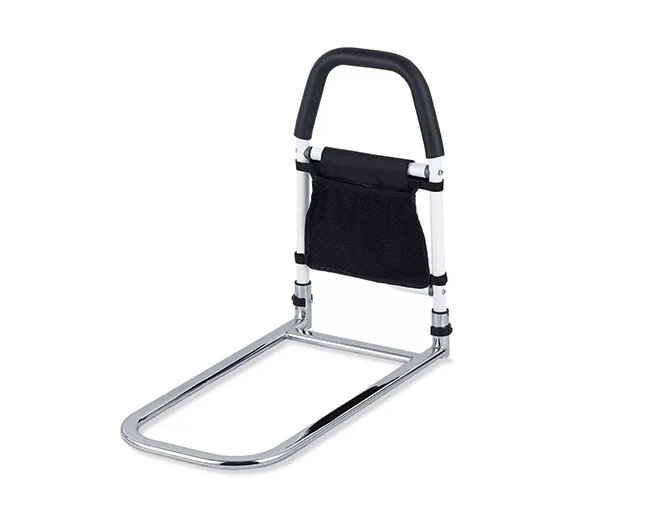
The XY-316 bedside handrail accords effectively with such requirements, featuring a removable framework incorporating height adjustability and cushioned grip elements for versatile routine application without fixed installation.
How Should Bed Rails Be Installed and Used Safely?
Even superior engineering demands precise assembly procedures and consistent monitoring practices.
Where Should Bed Rails Be Positioned for Safe Transfers?
Optimal placement occurs along the bedside, most commonly selected for exit purposes. Mattress edges require close adjacency to the rail structure to prevent gap formation. Adjacent floor zones must remain free from obstructions, thereby allowing unimpeded access for walking aids or wheelchair maneuvering.
How Can Caregivers Maintain Safe Bed Rail Use?
Assistants conduct routine evaluations of securing mechanisms and base contact areas, particularly following modifications to bedding materials. Periodic firmness verification involves the application of controlled moderate force. Progressive changes in physical functioning warrant repeated suitability assessments to preserve adequate protection standards.
Conclusion
Appropriately selecting and correctly employing bed rails substantially enhances overnight security and personal independence for aging individuals. The fundamental requirements mainly include structural stability, accurate installation, and precise alignment with the unique user profiles in order to circumvent potential perils.
Prioritizing pragmatic safety strategies over exclusive reliance upon mechanical aids enables caregivers and support personnel to convert bed rails into beneficial resources that foster enhanced comfort, personal dignity, and everyday confidence.
FAQs
Q: Are bed rails appropriate for all seniors?
A: Not necessarily. Persons exhibiting pronounced cognitive limitations frequently require different protective approaches to avert climbing attempts or entrapment occurrences.
Q: How often should bed rail stability be checked?
A: Regular assessments of steadiness are essential, especially following alterations in bedding configurations or shifts in physical mobility status.
Q: Can bed rails be used on any bed type?
A: Compatibility generally exists across standard bed varieties, although confirmation of mattress thickness in conjunction with frame architecture remains imperative before assembly.


