

Walking Confidently: How to Use Walkers, Canes and Crutches After Surgery
Time : Dec 25, 2025 View : 953
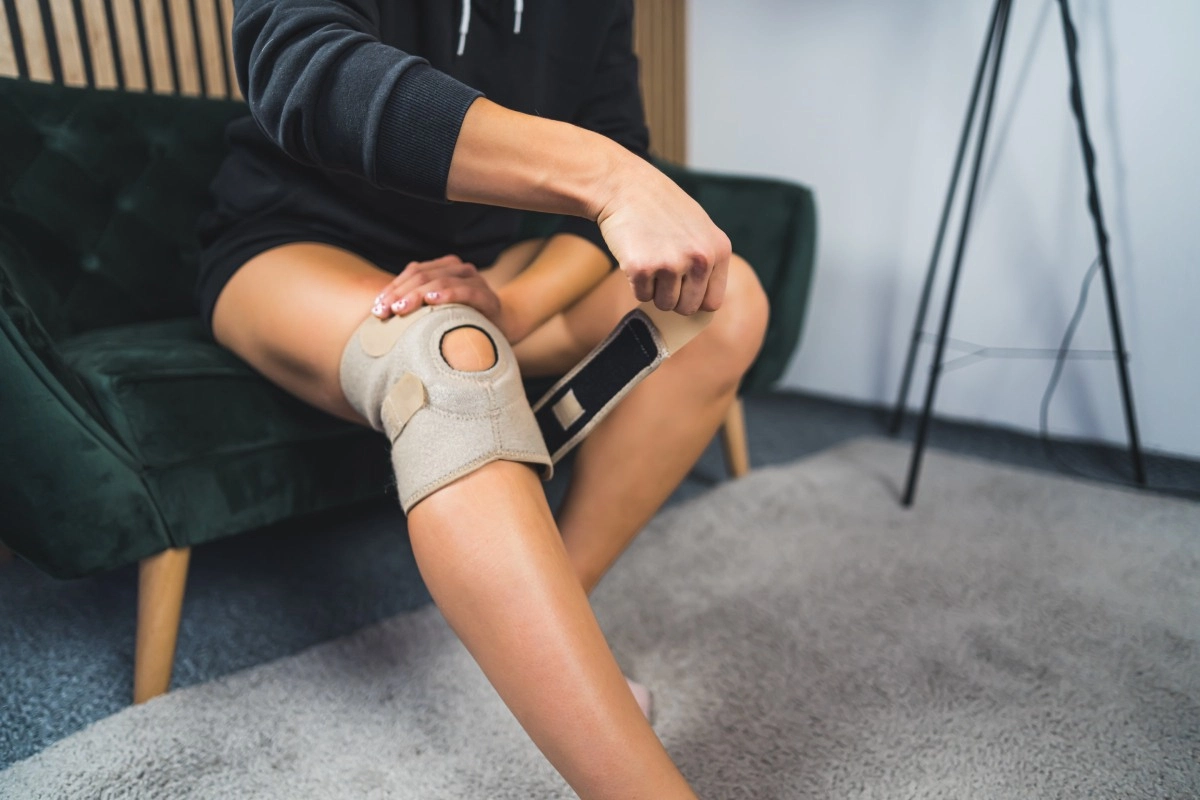
Relearning to walk after surgery is both a physical challenge and a journey requiring patience and proper guidance. Recently, with increased health awareness and a rise in sports injuries, postoperative rehabilitation—especially the safe and correct use of walking aids—has become a topic of great concern. Incorrect posture or choosing unsuitable equipment can not only cause discomfort but also delay recovery and even lead to new injuries. This article will give you a plain guide for moving after surgery. It aims to help you figure out how to pick and handle crutches, canes, and walking tools. That way, you can step forward in a secure and sure manner at every part of getting better.
How to Choose the Right Walking Aid
Finding the best walking tool lays a strong start for an easier healing time. It means more than just taking whatever is close by. You have to think about your own needs after the operation. Things like what kind of surgery you had, how strong you feel, and your everyday habits all matter. Beginning with tips from experts helps you skip usual mistakes that might block your improvement. This part explains the steps, from getting advice to looking at choices.
Consult Your Medical Team
Before you select any walking tool, talk with your doctor or body therapist. They understand the details of your operation and can point out what might suit you best. For example, after a knee replacement, they could recommend beginning with a walker for steady support. Research shows that advice made just for you cuts down hurt risks by around 30%. Ask about how much weight you can put on your leg—some operations let you use full weight right away, but others need you to take some off. Your team can try out different tools in the office as well. This move creates a firm base, linking the tool to how your body feels now.
Once you’ve got that professional nod, it’s time to look at the various kinds available. Each type serves different purposes, and knowing them helps narrow choices. From sturdy frames to simple sticks, options abound for post-surgery needs.
Types of Mobility Aids
Walkers, crutches, and canes each offer unique support.
-
Walkers: ike an aluminum walking frame, provide four-point stability, great for early recovery when balance feels shaky. They come in folding walking aids versions for easy storage.
-
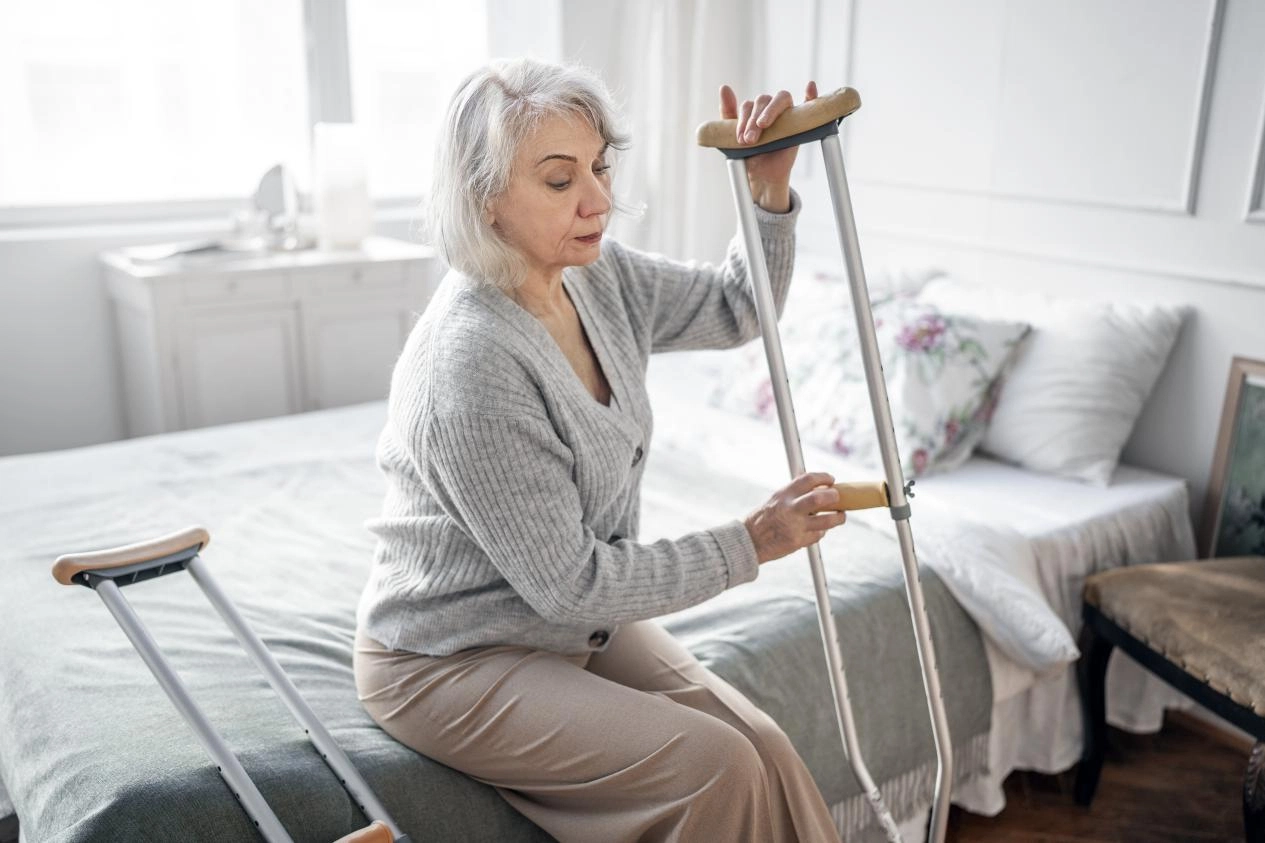
Crutches: such as a lightweight crutch, shift weight to your arms, useful if you can’t put much pressure on one leg.
-
Canes: including adjustable walking canes, give lighter help for those with mild imbalance.

Folding walking aids and walking aids with wheels bring extra ease, making walkers useful in many ways. Aluminum walking frame choices keep things light but still tough. Walking canes for seniors often have comfy grips for better feel during longer walks. With the kinds in your mind, other points count too. Stuff like what it’s made of, how it changes size, and how it fits affect how well the tool works in daily life. Focusing on these stops unease and lifts how well it helps.
Key Considerations to Be Noted
How heavy it is matters a lot. Pick light models, like aluminum walking aids, to cut down on tiredness. Adjustable walking aids make sure it fit well, so search for canes or walking tools that change height. Comfy parts are key too, such as soft handles on lightweight canes to ease hand ache. Strength lasts for ongoing use, mainly during healing times that might go on for months. For seniors, canes with non-slip tips increase safety. Foldable walking aids are easy to carry for convenient travel. Before purchasing, test stability on different surfaces or request test data from the supplier.
Safety Techniques for Using Walking Aids
Mastering safe use turns a walking aid into a true ally. It’s about more than just holding on; proper techniques protect against slips and strains. The home environment is also crucial – unobstructed passageways bring significant convenience. This part explores adjustments, walking methods, and everyday handling to keep you secure.
Proper Height Adjustment
Getting the height right is crucial for any walking aid. Stand straight with arms at your sides; the top should hit your wrist crease. For canes, elbows bend 15-30 degrees when holding the grip. Walkers align similarly, with handles at the hip level. Adjust pins securely—loose ones cause wobbles. A study found improper height leads to back pain in 40% of users. For crutches, pads sit 1-2 inches below armpits, handgrips at hip height. Recheck as posture improves during recovery.
Adjusting sets you up for steady steps, but how you move matters just as much. Building a confident gait involves rhythm and awareness, especially in tricky spots like stairs.
Walking with Confidence
Start slowly, and place the assistive device securely on the ground before taking a step. When using a walker, move the walker forward first, then take a step. When using a cane, place it on the stronger side and take a step forward with the weaker leg. When using crutches: depending on the weight-bearing limit, use a swinging or stepping motion. When going up and down stairs, remember to “take the stronger leg first, then the weaker leg.” When going up stairs, take the step with the uninjured leg first, and when going down stairs, take the step with the injured leg first. If there is a handrail, hold onto it. Also, be aware of any obstacles ahead. Practice in a safe area first.
Beyond basic walking, daily tasks bring their own challenges. Simple tweaks can make routines like getting in bed or cooking less risky and more manageable.
Navigating Daily Activities
In the kitchen, use a walker to lean while prepping food, but avoid twisting. For bathroom safety, install grab bars near the toilet. Getting up from chairs: slide to edge, push with arms, then grasp the aid. Carry items in a basket attached to the walker. Outdoors, adjustable walking frames handle uneven paths better. Bullet points for quick tips:
I. Clear floors of cords and rugs to prevent trips.
II. Wear non-slip shoes for better grip.
III. Take breaks if your arms tire from crutches.
IV. Use mirrors to check posture.
Walking canes for seniors often include seats for resting. Lightweight crutch designs ease long outings.
When and How to Make the Transition
As healing picks up, ditching heavier aids feels freeing. But rushing can set you back. Signs of readiness guide the shift, ensuring it’s smooth. This section covers spotting progress and safe switching methods.
Less pain during movement signals improvement—maybe from daily to occasional aches. Better balance, like standing without wobbling, is another clue. Walking farther without fatigue, say from 100 feet to 500, shows strength gains. Swelling down, range of motion up. Doctors often check at 4-6 weeks post-surgery. If you manage short walks unaided indoors, it might be time to lighten support. Noticing these changes opens the door to less reliance on aids. The key is easing in, with pro oversight to tweak as needed.
Transition gradually: use the new aid part-time first. From walker to cane, start in familiar spots. Physical therapy sessions help practice. For crutches to a cane, drop one crutch after a week if stable. Follow timelines—many shifts in 2-4 weeks for knee ops. Monitor for increased pain; if it spikes, revert.
Conclusion
Picking and using the right canes, crutches, or walkers allows you to take control of your rehabilitation process. These tools can help you gradually regain mobility and independence. Of course, safety should always be your top priority. Listen to your body’s feedback and stay in touch with your rehabilitation specialist. Believe that small daily improvements will eventually bring huge benefits. With patience, you will find yourself walking more freely.
Explore Xunyu Medical‘s reliable mobility solutions designed for different stages of rehabilitation. You can contact us at paddy17727303057@outlook.com, and our team of experts will provide you with the most suitable assistive device to help you have a comfortable and free rehabilitation process.


