

What Are the Differences Between Wheelchair and Transport Chair in Medical Use?
Time : Dec 24, 2025 View : 918
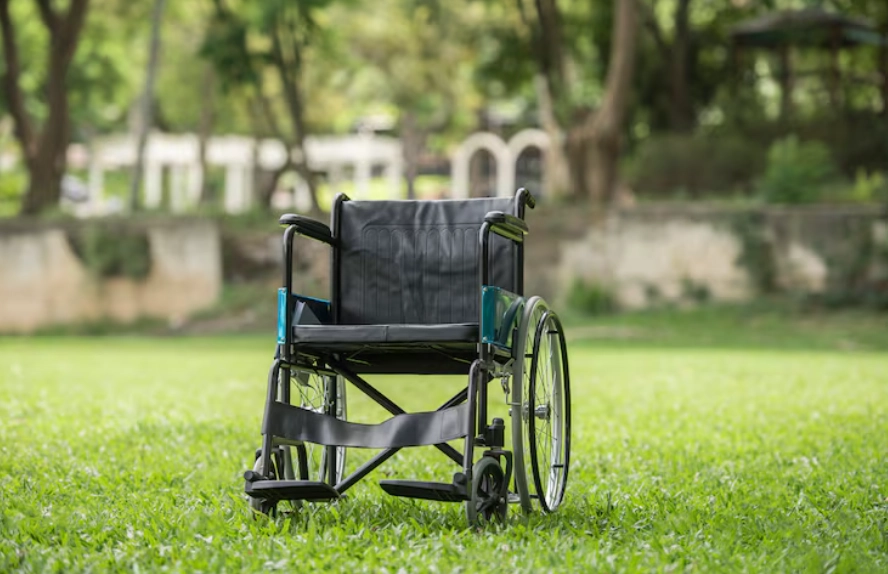
Wheelchairs and transport chairs meet different medical needs and have their own applicable scenes. Transport chairs is light, easy to folded and work better when a helper pushes the patient for short distances in places like hospitals. They give little comfort and no freedom to move alone. Standard wheelchairs, however, are made for daily long-term use. They have big rear wheels which help users push without help, stronger frames, and many ways to adjust the seat and supports. The final choice depends on the independent ability patients has, the time of devices to be needed each day, places it will be used in, and the condition that whether a caregiver is always present. Selecting the proper one keeps patients safe and comfortable, as well as helps reach medical goals.
The Functional Differences Between Wheelchairs and Transport Chairs in Medical Use
Key Factors to be Considered When Choosing Mobility Aids
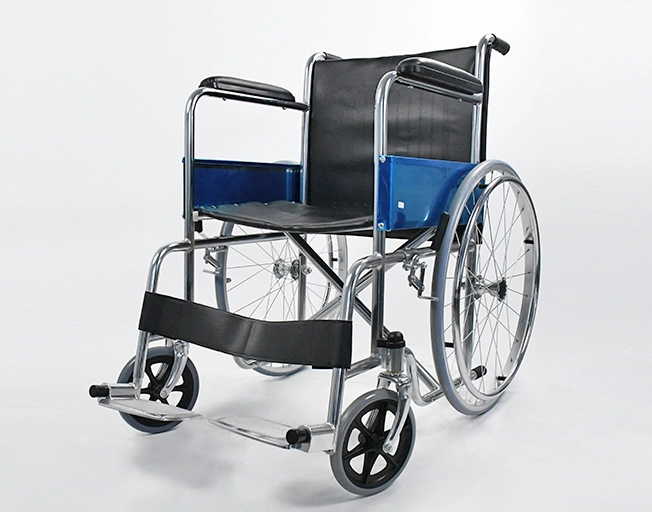
Mobility tools such as wheelchairs and transport chairs play a major role in caring patients. But each one is used for a special purpose. Wheelchairs is suitable for people who need help moving every day and often have enough arm strength to push themselves. Transport chairs suit short-term situations where a nurse or family member always pushes. The wheelchair is composed of front frame, rear frame, U-frame, backrest frame, armrest, foot pedal, brake, front wheel, rear wheel and seat back pad.
XUNYU MEDICAL builds different models for each situation. Their products match real patient needs, whether the chair is used only for leaving the hospital or for full-time living at home.
Overview of Transport Chairs
Design Characteristics and Intended Use
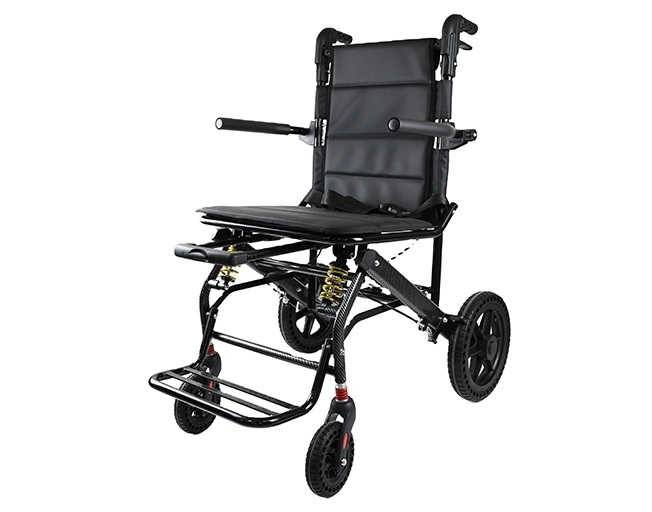
Transport chairs are built light and simple for quick, short moves. Four small wheels keep the chair easy to push, but the user cannot move alone. The brake structure adopts elbow brake devices, which are lower than the seat surface after braking, convenient, quick and safe. The whole chair folds flat and fits into car trunks without trouble. Padding stays thin to save weight.
Advantages in Hospitals and Home
Caregivers and nurses find these chairs easy to handle in tight hallways, elevators, or crowded waiting rooms. It is a foldable car, which is convenient to carry and travel, and beneficial for saving space. Families also like them for doctor visits or airport trips because they can be lifted and stored without effort.
Limitations for Long-Term Users
Transport chairs do not work well for all-day use. Small wheels and fixed seats cause tiredness and pressure sores when used for many hours. Patients who want to move on their own quickly feel trapped.
Functional Capabilities of Standard Wheelchairs
Structural Design and User Autonomy
Standard wheelchairs come with large rear wheels that have hand rims. The rear wheel diameter: 24 inch non-pneumatic solid rear wheel. Users with good arm strength can roll forward, turn, and stop without any help. When needed, a caregiver can still push from behind.
Benefits of Independent Mobility Devices
Strong frames carry more weight and last longer. The frame is made of high strength A3 steel welding, and the surface is electroplated to have the characteristics of non-fading, strong rust prevention, high safety performance, firm and durable. Big wheels roll over various places, such as carpets, sidewalks, grass, and small bumps, so the person can join daily activities inside and outside the home.
Customized Options and Comfort Improvement
Available Features in Advanced Models
Many wheelchairs can be changed in seat height, back angle, armrest style, footrest length, and cushion type. Additional holders for oxygen tanks or drip bags can be added when required.
XUNYU MEDICAL’s Enhanced Wheelchair Solutions
XUNYU MEDICAL offers the XY-A13-46 wheelchair with built-in spring shock absorbers. Model XY-A13-46: Features spring shock absorption system ideal for rough surfaces. The design keeps the back and hips in healthy positions even after many hours of sitting.
Comparative Analysis: Transport Chair vs Wheelchair
Key Differences Across Functional Dimensions
| Feature | Transport Chair | Wheelchair |
|---|---|---|
| Propulsion | Caregiver-assisted only | Self-propelled or assisted |
| Weight | Lightweight | Heavier due to reinforcement |
| Foldability | Highly foldable | Foldable (varies by model) |
| Usage Duration | Short-term | Long-term |
| User Independence | Low | High |
| Customization | Minimal | Extensive |
| Terrain Suitability | Smooth indoor surfaces | Indoor/outdoor adaptable |
Transport chairs win when speed and easy storage matter most. Wheelchairs win when freedom, comfort, and long life are needed.
Clinical Implications of Choosing the Right Device
Doctors and nurses choose transport chairs for patients who leave the hospital after surgery or for clinic visits. Wheelchairs become the choice when the person will need the help of mobility for months or years and wants to have as much freedom as possible.
Tailored Recommendations Based on Use Scenarios
For Short-Term Demand for Mobility
The XY-809 is light thanks to its A3 steel frame. It is a foldable car, which is convenient for carrying and traveling, and can save space. The backrest follows the natural spine curve for basic comfort on short rides.
For Daily Independent Use at Home or Outdoors
XY-A13-46 Shock Absorbing Wheelchair is recommended because spring shock absorbers smooth out bumps. Adjustable parts fit different body sizes and medical needs. The strong frame handles daily indoor and outdoor travel safely.
Decision-Making Principles When Selecting a Mobility Aid
Matching Device Type to Patient Needs
Important points to check:
1. Level of Independence – Can the person use hand rims without help?
2. Usage Environment – Will the chair stay on flat floors or go over grass and sidewalks?
3. Frequency of Use – Only sometimes or every waking hour?
4. Support Requirements – Are special cushions or medical holders needed?
Clear answers to these questions lead to the correct device every time.
Professional Guidance from XUNYU MEDICAL
XUNYU MEDICAL gives free advice to match the right chair to each patient. This careful choice brings better comfort, fewer skin problems, and a happier daily life.
FAQs
Q1: Is a transport chair used as a substitute for a wheelchair in long-term care?
No. Transport chairs are made only for short rides with a helper so they lack the strength and features needed for daily long-term use.
Q2: What makes the XY-A13-46 wheelchair suitable for outdoor use?
The XY-A13-46 has spring shock absorbers that soften bumps and a strong frame that keeps the user safe on sidewalks, gravel, or grass.
Q3: How to choose between the XY-A13 series wheelchair and the XY-809 transport chair?
Pick the XY-809 when a caregiver will always push and the trip is short. Choose the XY-A13-46 when the person wants to move alone, needs all-day comfort, or goes outside often.


