

What Is the Best Bedside Assist Devices to Protect Patient’s Safety?
Time : Dec 01, 2025 View : 973
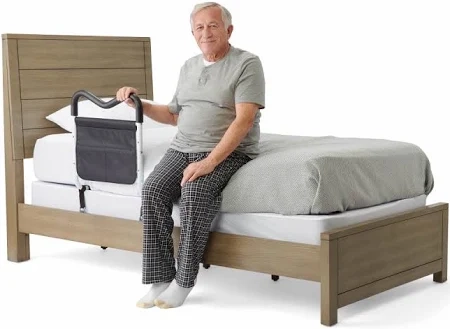
Bedside assist tools, like bed rails, help keep people safe in bed. They stop falls, make moving easier, and give steady support to older adults, folks healing from surgery, or anyone who finds it hard to move well. You can pick from full-length rails, ones you can adjust, or models that fold down. Choose the right one by checking if it fits the bed, how strong it is, and what the person really needs. Good bedside assist devices let patients do more on their own and take some work off caregivers’ shoulders.
Understanding Bedside Assist Devices and Their Role in Patient Safety
Definition and Primary Functions of Bedside Assist Devices
Bedside assist devices are bars or rails you fix to the side of a bed. Most people just call them bed rails. Their main jobs are simple: stop someone from falling out, help them move around in bed, and give a firm place to hold when getting up or lying down. These tools matter a lot. They let patients stay more independent. At the same time, they lower the chance of accidents. You see them in hospitals, nursing homes, rehab centers, and many regular bedrooms now.
Clinical and Care Environments Where Bedside Assists Are Essential
In hospitals, medicine can make people dizzy or weak, so bedside assist rails save lives. Old-age homes use them every day because many residents are frail. At home, families put them up so grandma or grandpa can stay in their own room safely without someone watching every minute.
Identifying the Right Candidates for Bedside Assist Devices
Patient Profiles Benefiting from Bedside Assist Support
Some people need these rails more than others. Older adults who wobble when they walk are perfect candidates. Anyone with memory problems or dementia can feel safer. Patients healing after an operation often feel weak for weeks, so a rail helps them a lot. Folks with arthritis, Parkinson’s, or shaking hands get steady support from a good bedside assist bar.
Situational Needs That Justify Bedside Assist Implementation
If a person tries to get out of bed alone at night and might fall, a rail is a smart choice. Caregivers who have to lift or turn heavy patients also love these tools. The rails give extra grip and make the job easier on their backs.
Exploring the Types of Bedside Assist Devices
Full-Length Bed Rails
Full-length rails run almost the whole side of the bed. They act like a wall. They work best for people who hardly move on their own or who roll a lot in sleep. Caregivers must still watch for small gaps that could trap an arm or leg.
Half-Length Bed Rails
Half-length ones cover just part of the bed side. They leave room to climb in and out easily. Yet they still give a strong bar to grab when sitting up or shifting position. People who can still move fairly well like these the most.
Adjustable Bed Rails
You can change the height or length on these models. That makes them great when someone is getting better or when needs change week to week. Rehab centers and homes use them a bunch.
Swing-Down / Flip-Down Bed Rails
These rails fold down out of the way when someone needs to get close to the patient. The XUNYU MEDICAL XY-316 is a good example. It swings down fast and has a comfy foam grip. Carbon steel main frame, 1.2mm thick tube/electroplated lower frame, flat tube design/spray coating upper frame/detachable/no drilling/equipped with storage bag/foam gripper.
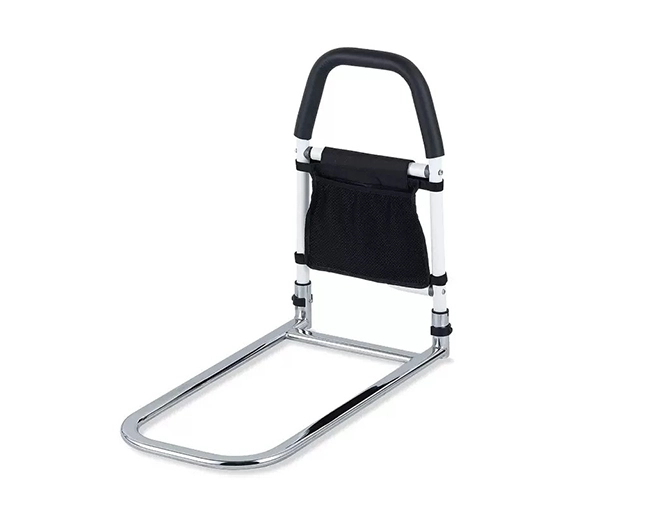
Dual-Side Installation Options
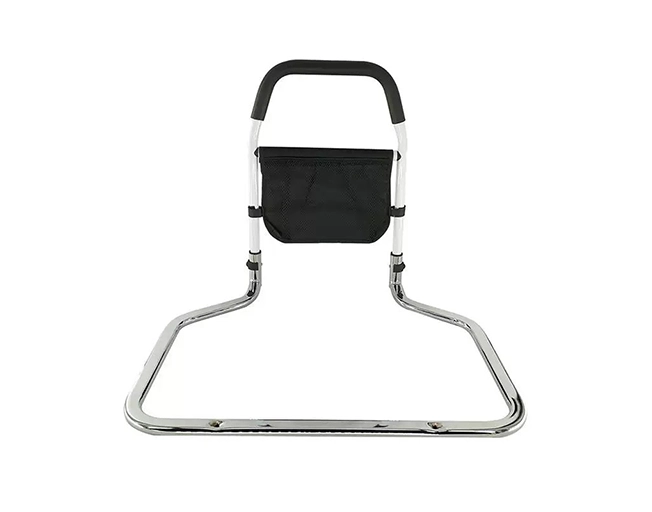
Some beds need rails on both sides. The XUNYU MEDICAL XY-318 works on either side or both. It is super sturdy and adjusts up and down. High carbon steel / oxidized spray down / spray up / removable / no drilling / with storage bag / foam handle / flat tube design / widened base.
Critical Factors to Consider When Selecting a Safe Bedside Assist Device
Compatibility with Different Types of Beds
Not every rail fits every bed. Hospital beds move up and down, so the rail has to move too. Home beds are usually fixed, so check the frame style first.
Structural Integrity and Load Capacity
The rail must be tough. It has to hold a person’s full weight if they pull hard. Look for carbon steel or thick tubes. The XY-429 from XUNYU MEDICAL is built strong with flat tube anti-back reinforced double horizontal tube, adjustable in multiple levels.
Installation Flexibility and Adjustability Features
Many families want something simple. No drills, no tools—just slide it together and you’re done. Most XUNYU MEDICAL models are detachable and need no drilling.
Safety Engineering and Protective Design Elements
Soft foam handles stop sore hands. Flat tubes keep the back from getting poked. The XY-310 shows this well: Carbon steel / whole frame spraying / removable / no drilling / with storage bag / foam handle.
Added Functionalities Enhancing User Comfort and Caregiver Efficiency
Little extras make a big difference. A small pocket on the rail holds a phone or glasses. Padding feels nicer if someone leans on it for a long time.
Product Recommendations
For home use where you want to fold the rail away fast, try the XUNYU MEDICAL XY-316. For nursing homes that need tough rails on both sides, the XUNYU MEDICAL XY-318 is a solid pick.
Functional Benefits of Using Bedside Assist Devices
Fall Prevention Across Multiple Risk Groups
A good rail stops rolls and slips at night. It keeps confused or sleepy patients right where they belong—safe in bed.
Enhancing Patient Autonomy in Daily Movements
Patients can sit up, turn over, or scoot without waiting for help. That tiny bit of freedom makes them feel better about themselves.
Reducing Physical Strain on Caregivers
Nurses and family members lift less. The rail takes the weight, so backs stay happier and healthier.
Suitability Across Medical Conditions and Recovery Phases
These rails help after knee surgery, during Parkinson’s flare-ups, or just everyday old-age care. They fit almost any situation.
Guidelines for Safe Installation and Use
Following Manufacturer Specifications Precisely
Read the instructions all the way through. Do exactly what the paper says.
Ensuring Proper Fit Between Rail and Mattress
Leave no big gaps. A hand or foot should never get stuck.
Verifying Locking Mechanisms Before Each Use
Push and pull a little. Make sure everything clicks and stays locked.
Routine Maintenance Checks
Look at the rail once a week. Tighten screws. Replace torn foam. A quick check keeps it safe for years.
FAQs
Q1: What is the primary function of a bedside assist device like a bed rail?
A bed rail is a supportive device attached to the side of a bed to prevent falls, assist with mobility, and provide stability when getting in and out of bed.
Q2: Can all types of beds accommodate bedside assist devices?
No, not all. Always check your bed style first. Some XUNYU MEDICAL rails fit hospital beds, others fit regular home beds better.
Q3: Are XUNYU MEDICAL’s products easy to install without professional help?
Yes! Models like the XY-316 and XY-318 go together without tools. Anyone can set them up in minutes.


