

What Makes Chairs for Handicapped Adults Ideal in 2026?
Time : Apr 09, 2026 View : 106
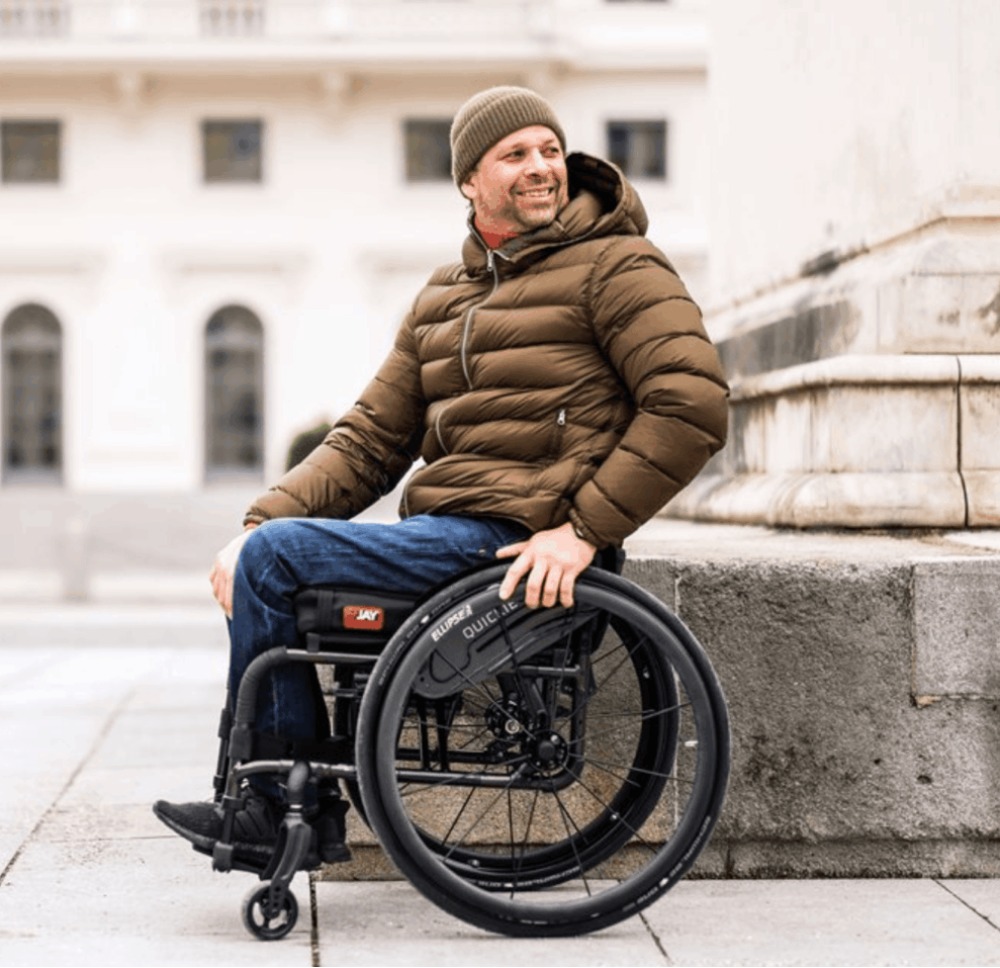
In 2026, chairs made for handicapped adults fulfill an important role. They promote relaxation, autonomy, and protection. Since needs change gradually, selecting the suitable chair can substantially better daily routines and navigation. Understanding these emerging requirements proves essential for sound choices.
What Are the Evolving Needs of Handicapped Adults in 2026?
As 2026 arrives, expectations for chairs targeting handicapped adults have altered considerably. Current users seek beyond mere utility. Instead, they look for relaxation, tailoring, and intelligent tools that enhance their habits. A company pioneering this transformation is Xunyu Medical. It holds a leading position in adaptable seating and rehabilitation products globally. Supported by thorough clinical trials and ergonomic insight, Xunyu Medical combines premium textiles, intelligent systems, and modular construction. Consequently, their seating aligns closely with individual circumstances. The company’s objective remains clear yet significant: to provide handicapped adults with liberty, safety, and honor through deliberate innovation.
The Growing Importance of Ergonomic Design
Ergonomic principles establish a fundamental element in contemporary assistive furnishings. These chairs alleviate pressure areas effectively. Moreover, they support sustained relaxation by aligning the spine and balancing weight distribution. Handicapped adults who remain seated for extended periods rely on solid ergonomics. It prevents discomfort and further medical concerns.
Your wheelchair functions as an extension of yourself. You need to confirm it assists you correctly. Above all, it must not undermine your health either directly or indirectly. A well-suited chair holds utmost significance. This concept emphasizes the necessity of adjustable features. Examples encompass recline positions, seat elevation, and arm supports. Such elements accommodate diverse mobility challenges. Xunyu Medical’s adaptable seating solutions demonstrate ergonomic advancement. They incorporate finely tunable components, enabling every individual to attain ideal posture and equilibrium.
Advances in Assistive Seating Technology
Assistive seating technology has progressed beyond basic mechanical modifications. Now, it incorporates intelligent connections. Modern chairs include sensors that observe posture and pressure mapping in real time. These mechanisms notify users or assistants when adjustments become necessary. As a result, they avert skin problems or exhaustion. Connections to electronic health devices facilitate ongoing data for therapy programs. In this way, they integrate bodily comfort with evidence-based assistance. Xunyu Medical’s intelligent chair collection illustrates this progression. It merges responsive textiles with IoT integration to enable anticipatory wellness oversight.
What Features Define Ideal Chairs for Handicapped Adults?
An optimal chair combines versatility, mobility support, and comfort. Additionally, it maintains robustness across diverse environments.
Adjustable Support Systems That Adapt to Every Body Type
To achieve superior versatility, chairs equipped with multi-angle backrests and adjustable-height seats permit precise alignment. This customization suits the user’s physique and activity demands. Armrest variations facilitate secure transfers across surfaces. Consequently, this fosters independence in routine activities.
Selecting wheelchairs for seniors lacks a universal solution, which explains the difficulty in discovering the perfect one! Standard models may suffice occasionally for short journeys. Yet, individuals spending much of their time seated need customized seating for their specific forms. This observation highlights why modular designs from Xunyu Medical prove indispensable. They enable personalized configurations precisely aligned with unique preferences.
Mobility and Accessibility Enhancements That Empower Movement
Mobility-oriented designs emphasize lightweight structures crafted from resilient alloys. These simplify maneuvering indoors and traversing outdoors. Swivel casters enhance steering precision. Meanwhile, anti-tip features guard against instability on uneven surfaces. Overall, these aspects ensure fluid transitions between various terrains while upholding safety and stability.
Comfort and Pressure Relief Innovations That Protect Health
Comfort forms the core of effective assistive chair development. Memory foam cushions evenly disperse body weight. Thus, they minimize the risk of pressure ulcers, a frequent issue for prolonged wheelchair occupants. Breathable materials manage temperature during lengthy sessions. Furthermore, they support hygiene with straightforward cleaning options.
A comfortable wheelchair cushion should closely align with the occupant’s hip width. It needs slight margins on both sides. These provide allowance for potential adjustments. They also accommodate space for a restraint if required. This precise attention guarantees that comfort and safety receive equal priority.
How Do Materials Influence Durability in 2026 Chair Designs?
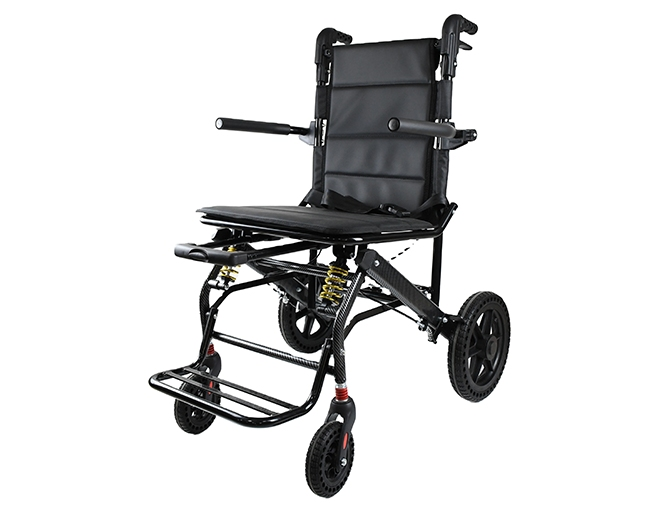
Material choices determine both endurance and functionality in present-day assistive seating solutions.
The Role of Advanced Materials in Longevity
Aerospace-inspired alloys, coupled with reinforced composites, deliver strength minus excessive mass. This configuration idealizes routine transport and everyday application. Anti-corrosion finishes prolong service life amid humid conditions or external exposure. Xunyu Medical employs environmentally sound composites. These harmonize ecological mindfulness with durability. Therefore, every product upholds sustainability commitments alongside user safeguards.
Maintenance Efficiency for Caregivers and Users
Caregivers benefit from detachable upholstery that streamlines sanitation efforts. Such design proves vital in healthcare environments prioritizing hygiene. Modular elements allow swift repairs or substitutions without specialist involvement. Hence, this reduces operational interruptions substantially. These user-friendly maintenance approaches guarantee reliability, whether in residential or clinical contexts.
How Is Smart Technology Transforming Disabled Chairs?
Technological integration has reshaped interactions between handicapped adults and their seating arrangements.
Smart Monitoring Features That Support Health Management
Embedded sensors track postural alignment, pressure points, and activity levels throughout the day. App-based data synchronization permits remote oversight by caregivers. It also offers analysis of seating behaviors across durations. These developments convert static chairs into dynamic health instruments. Ultimately, they mitigate issues prior to onset.
Connectivity and Customization Options That Enhance Independence
Bluetooth interfaces empower users to modify recline angles or backrest settings independently. Options include smartphone or voice-activated controls. AI calibration adapts by analyzing usage patterns over time. It automatically refines support according to prior selections or fatigue indicators. This adaptive intelligence elevates self-sufficiency. At the same time, it diminishes the need for frequent manual interventions in daily scenarios.
How Should You Choose the Right Chair Based on Your Needs?
Deciding on the appropriate model involves evaluating individual necessities against environmental factors.
Assessing Physical Requirements and Daily Activities Accurately
Prior to acquiring a specialized chair, evaluate your mobility capacity, muscular endurance, transfer frequency, and daily seating duration.
The starting point for identifying the suitable wheelchair involves choosing the category that best matches the individual. This determination hinges largely on the user’s profile and intended application. Additionally, verify compatibility with supplementary devices such as canes or lifts. Doing so promotes seamless incorporation into established workflows.
Matching Chair Type to Living or Care Settings Effectively
In residential spaces, compact collapsible variants conserve area while preserving ergonomic standards. They prove suitable for apartments or communal dwellings, emphasizing adaptability. Within rehabilitation facilities, emphasis shifts to stabilizing attributes like secure locks and antibacterial coverings for rigorous schedules. For exterior applications, models prioritize resistance to elements via protected bearings and cushioning systems handling varied landscapes. These options are accessible through Xunyu Medical’s adaptive mobility line.
What Future Trends Will Shape Chairs Beyond 2026?
Future assistive seating will persist in fusing eco-conscious practices with AI-enhanced tailoring.
Sustainability Leading Material Innovation
Producers increasingly favor recyclable components that align with international environmental targets. They incorporate energy-conserving manufacturing techniques as well. These measures diminish emissions throughout production chains. Such evolution curtails environmental damage. It further synchronizes medical device fabrication with overarching global sustainability initiatives.
AI-Driven Personalization Defining Next-Generation Comfort
Anticipatory algorithms will proactively suggest modifications based on accumulated postural data. This fosters inherently responsive support devoid of user effort. Real-time adjustment mechanisms will dynamically optimize positioning amid usage. Consequently, they sustain superior spinal support. This advancement signifies a major advancement in proactive healthcare and convenience. It stems from consistent AI development investments by frontrunners like Xunyu Medical.
FAQ
Q: What makes ergonomic chairs essential for handicapped adults?
A: Ergonomic chairs reduce tension through support of innate alignment. They further prevent injuries from pressure during extended seating.
Q: How does smart technology improve disabled chairs?
A: Incorporated sensors monitor postural data continuously. AI facilitates automated customizations. Together, this elevates relaxation, security, and autonomy concurrently.
Q: Why should material sustainability matter when choosing a chair?
A: Eco-friendly materials ensure enduring performance without environmental detriment. They deliver dependable functionality while minimizing overall ecological impact.


