

What Should Be Considered When Choosing a Universal Bed Rail for Seniors?
Time : Feb 27, 2026 View : 63

Nighttime movement continues to present significant difficulties for many elderly adults. Lowered physical strength, decreased balance capacity, and slow reaction heighten the risks of falling when they go to bed or get out of bed. Universal bed rails aim to deliver stable lateral assistance compatible with diverse beds, ensuring safer posture adjustments and more confident transfers.
However, there are huge differences in different universal bed rails. Differences in structural strength, adjustment flexibility, installation methods, and ergonomic designs directly affect the safety of bed rails. Selecting an effective option, therefore, need to assess compatibility, long-term practicality and personal comfort. This article explores key factors that determine whether a universal bed rail actually promotes greater security and independence.
Why Do Seniors Need Universal Bed Rails for Daily Safety?
Incidents near the bedside frequently arise from basic position changes instead of elaborate maneuvers. Recognizing these dangers helps explain the importance of reliable support in living environments.
What Risks Increase Without Bedside Support?
Lacking firm handholds, older individuals sometimes roll off or slip from the mattress during rest. Achieving a seated posture often demands considerable effort, particularly following sickness or operative procedures. Frequent nocturnal trips to the bathroom amplify the risk of tumbling under dim lighting when the individual transfers occur. Such circumstances regularly cause harm that undermines confidence and extends healing periods.
How Do Universal Bed Rails Support Independent Movement?
Correctly situated rails supply useful leverage throughout position shifts and facilitate sitting upright with control. They steady bodily motions amid transitions from mattress to standing surface, thereby lessening apprehension about falling. Enhanced feelings of security decrease reliance upon assistants for ordinary overnight activities, thereby fostering personal autonomy and lightening assistance responsibilities.
What Makes a Bed Rail Truly “Universal”?
Universal bed rails ought to accommodate varied sleeping arrangements conveniently, rather than requiring alterations to existing furniture.
Can It Fit Different Bed Sizes and Mattress Heights?
Residential settings feature conventional, raised-platform, or height-modifiable beds accompanied by mattresses displaying diverse depths. Flexible rail systems permit elevation matching to correspond with mattress surfaces, allowing comfortable grasping without excessive leaning or reaching. Broad compatibility across assorted bed configurations improves setup reliability and continuous comfort.
Does Installation Require Permanent Bed Modification?
Lasting changes to furniture often deter households from adopting helpful devices. Tool-free attachment systems secure rails without harming frames, permitting straightforward removal whenever assistance becomes unnecessary. Separable parts additionally facilitate movement to different chambers or during journeys, rendering universal designs more adaptable amid changing care requirements.
Which Structural Features Guarantee Reliable Stability?
Structural quality eventually determines long-term dependability through regular installation.
Why Is Frame Material Important?
Frameworks constructed from high-tensile steel or fortified metallic substances withstand repeated stress without bending. Protective finishes effectively resist rust development and preserve visual condition across extended periods. Weight-support ratings need to meet or surpass anticipated loading demands to avoid component breakdown.
How Do Base and Anti-Slip Elements Improve Safety?
Expanded foundation areas spread applied forces more evenly, thereby reducing overturn chances amid position changes. Gripping foot coverings ensure firm ground contact, particularly across polished flooring. Smooth tubular contact regions alleviate localized discomfort in the hands or back zones, promoting ongoing secure engagement.
How Does Ergonomic Design Influence Daily Comfort?
Protective devices require pleasant interaction characteristics to encourage habitual utilization.
Why Do Grip Comfort and Height Adjustment Matter?
Cushioned handle surfaces decrease palm tiredness and enhance holding ease throughout frequent transfers. Variable elevation configurations accommodate diverse movement approaches, supporting appropriate limb placement while minimizing upper-body tension. Thoughtful positioning fosters instinctive motion sequences.
How Do Storage and Accessibility Features Help?
Attached pouches enable the placement of reading spectacles, television controllers, or telephones in proximity. Reduced nighttime reaching movements result in improved practicality and the absence of bedside disarray.
How Can the Right Product Choice Improve Bedside Safety?
Determining an appropriate version necessitates examination of personal capability levels, room dimensions, and usage patterns.
Which Universal Bed Rail Provides Strong Transfer Support?
In the field of mobility assistance production, Xunyu Medical earns its reputation for converting genuine elder care demands into functional protective products featuring firmness and practical convenience. Our product development emphasizes durable materials, structural strength, comfortable feelings, and user-friendly installation, making it suitable for residential areas and care facilities. We continuously improve products to address the actual movement challenges, thus helping caregivers handle routine tasks more effectively and boosting the users’ independence. Our products have exported to Europe, North America, the Middle East, and the Asia-Pacific regions, which reflects steady confidence in our high-quality solutions.
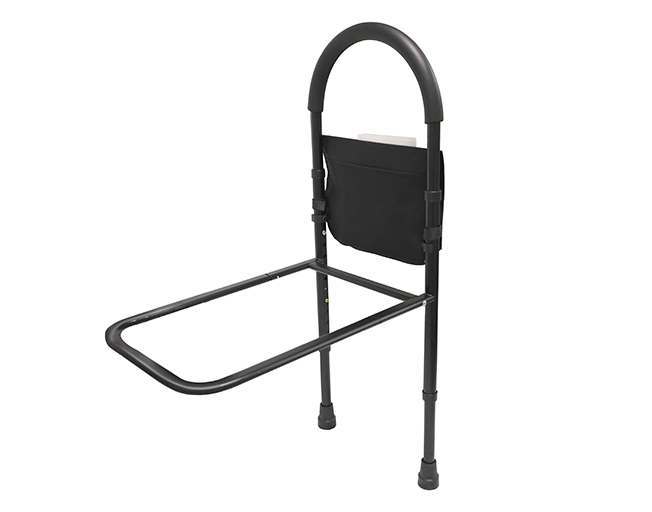
One representative example appears as the XY-429 bedside rail, incorporating a floor-based framework, reinforced double horizontal tubes, and multi-level height adjustment to offer reliable firmness during bed transfers, especially for users who place significant weight on the rail.
Which Bed Rail Is Better for Lightweight and Flexible Use?
Certain households require lightweight devices that can be easy to install and removed. Lightweight rails with detachable structures suit smaller bedrooms, travel scenarios, or temporary care needs. Height adjustment and foam grips maintain comfort while allowing quick relocation.
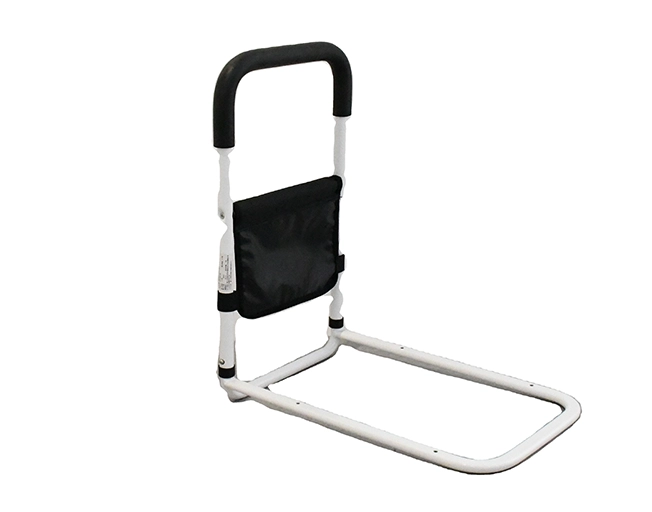
The XY-310 bedside rail is well-suited for these circumstances, combining a removable, no-drill structure with a steel frame and integrated storage bag, making it suitable for flexible bedside assistance without permanent installation.
How Should Universal Bed Rails Be Installed and Used Safely?
Superior rail systems still demand accurate positioning and periodic evaluations to sustain intended benefits.
Where Should Bed Rails Be Positioned?
Placement occurs along the bed edge, most frequently utilized for entering or leaving. Mattress borders require snug adjacency to rail structures to eliminate spaces. Adjacent flooring zones must stay unobstructed, permitting an unimpeded approach by mobility frames or wheeled chairs.
How Can Caregivers Maintain Safe Usage?
Securing components and base contact points merit routine examination, particularly after modifications in linens. Firmness verification through a moderate applied force confirms ongoing steadiness. Evolving physical capacities over extended periods necessitate repeated appropriateness reviews to preserve adequate protective levels.
Conclusion
The effectiveness of universal bed rails is achieved through the integration of firm structure with flexible designs. Proper selection can not only enhance the safety at night, but also maintain personal independence and dignity.
When material quality, adjustability, and proper installation work together, bed rails enhance safety without restricting movement. Careful selection transforms the rail from a passive accessory into an active support tool that promotes independence, confidence, and long-term well-being.
FAQs
Q: Can universal bed rails fit all beds?
A: Compatibility exists with most conventional bed varieties, although verification of mattress depth, and frame configuration, remains essential before setup.
Q: How often should bed rail stability be inspected?
A: Periodic firmness assessments are advisable, particularly following alterations to bedding materials or variations in movement abilities.
Q: Are universal bed rails suitable for travel use?
A: Numerous separable versions support temporary deployment or journey applications, provided attachment recommendations receive proper adherence.


