

Considerações chave ao comprar uma cadeira de rodas para uso a longo prazo
Hora : Jan13, 2026 Ver: 2.215
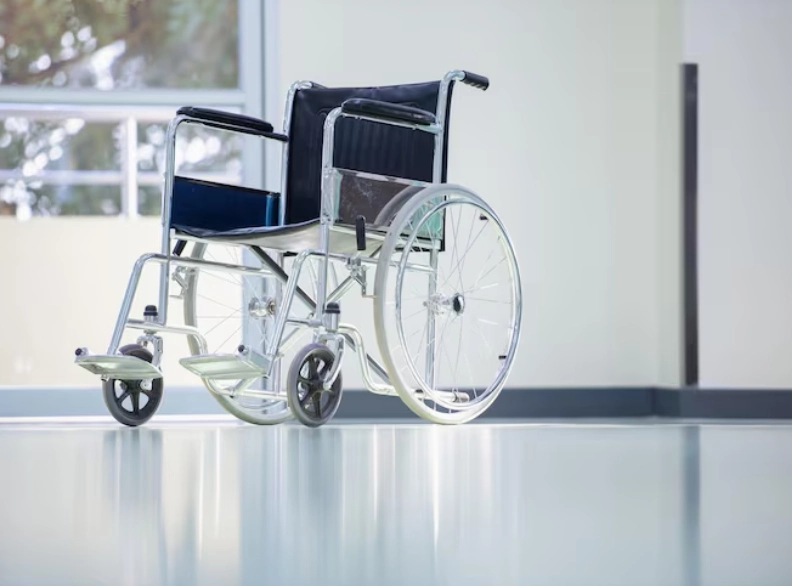
Selecionando um cadeira de rodas por períodos prolongados requer uma avaliação cuidadosa das habilidades de movimento pessoal, poder físico, alinhamento corporal e ambientes cotidianos. Cadeiras de rodas ativas se afastam das versões manuales típicas através de suas construções mais leves, melhor manejo e melhor eficácia de empurrar. Esses modelos frequentemente preferem quadros sólidos para reforçar a capacidade geral. Aspectos importantes abrangem estilo de quadro, requisitos de movimento durante turnos, nível de assento, disposição de suporte de pé e equipamento com situações de casa ou viagem. Certas opções lidam com áreas estreitas ou viagens regulares. Revisão e equipamentos de teste de peritos permanecem essenciais para garantir ajustes corretos, facilidade, proteção e autodependência contínua ao longo de anos.
Entender as exigências profissionais de uso de cadeira de rodas a longo prazo
A importância da seleção personalizada de cadeira de rodas
Para pessoas que dependem de uma cadeira de rodas há muitos anos, escolher uma passa bem por cima das características básicas e tende a exigir algumas condições especiais, então adaptação torna-se essencial em vez de opcional. As cadeiras de rodas ativas requerem ajustes mais específicos para corresponder aos requisitos pessoais. Elementos como a pessoa o nível de atividade, capacidade muscular, estabilidade, necessidades de postura e condições de estabelecimento precisam de exame completo, assegurando facilidade, segurança e uso prático.
Cadeiras de rodas manuales típicas chegam em dimensões prontas, enquanto cadeiras de rodas ativas recebem modificações individuais. Portanto, a avaliação perita forma um estágio inicial crucial. Um especialista qualificado em cadeira de rodas conduz revisões clínicas que contribuem para identificar a largura e profundidade adequadas do assento, ângulo de suporte da costa e opções de mudança, que dependem da mecânica corporal e hábitos diários.
Versões prontas funcionam bem para necessidades breves ou infrequentes, mas frequentemente faltam for ça para demandas prolongadas. As cadeiras de rodas automotorizadas padrão priorizam utilidade e relaxamento, mas faltam a engenharia detalhada que os indivíduos ativos requerem.
Diferenciar entre cadeiras de rodas ativas e modelos manuais padrões
Perfil de usuário e Requisitos Funcionais
Cadeiras de rodas ativas são projetadas para aqueles com for ça corporal superior sólida e estabilidade adequada do tronco que geralmente buscam uma cadeira de resposta rápida que suporta empurrar independentemente para tarefas de rotina e envolvimento social. Essas cadeiras são alvo de pessoas que possuem poder suficiente de braço e ombro para se mover eficazmente.
Cadeiras de rodas manuales padrões, por outro lado, enfatizam assistência e firmeza, ideal para pessoas com movimento reduzido causado por problemas de saúde, acidentes ou envelhecimento. Esses modelos atuam adequadamente em instalações médicas ou como opções de transporte temporário, mas são menos adequados para aqueles que requerem independência e alta maneuverabilidade.
Características de Performance e Maneuverability
Cadeiras de rodas ativas oferecem benefícios claros em funcionamento, construídos para movimentos rápidos e mudanças de direção fáceis. A luz construi, e pequenos círculos de giro permitem navegação através de espaços complicados com pouca tensão.
Cadeiras de rodas estándar têm tend ência a pesar mais. Embora muitos incluam rodas descalháveis para armazenamento ou transporte mais fácil, eles não fornecem a mesma agilidade ou eficiência de propulsão.
Considerações de projeto de engenharia
O princípio de design central das cadeiras de rodas ativas é melhorar a eficiência de propulsão ajustando o centro de gravidade, reduzindo a distância entre os ciclos de mão e inclinando as rodas para fora. Uma configuração de rodas cambereadas e um quadro compacto reduzem a resistência ao rolamento, melhoram a transfer ência de energia e minimizam a fadiga.
Essas nuanças estruturais também melhoram o controle em espaços estreitos, uma vantagem crucial em ambientes urbanos ou internas.
Comparar quadro rígido com cadeiras de rodas ativas de quadro pliáveis
Avantagens dos Designs de Quadros Foláveis
Cadeiras de rodas ativas pliáveis ganham favor entre os assistentes por causa de seu simples carregamento. Seus colapsos permitem colocar pequenos carros ou salas limitadas, beneficiando usuários que viajam frequentemente ou dependem de outros para ajuda à mobilidade.
Benefícios dos Designs Rigidos de Quadros
Cadeiras de rodas rígidas removem partes necessárias para colapsar para ter maior eficiência energética. Cadeiras de rodas rígidas requerem menos esforço para empurrar, uma vez que nenhum poder é desperdiçado em dobramento de quadros, reduzindo significativamente a fadiga dos usuários em distâncias prolongadas.
Eles também pesam menos em geral devido à falta de peças dobradas. A maioria inclui suportes colapsáveis para trás e rodas rápidas que as tornam bonitas e compactas, combinando a portabilidade com desempenho de alto nível.
Trends de Mercado e Recomendações de Produtos
Cerca de 75% das cadeiras de rodas ativas disponíveis agora possuem construções rígidas. Essa figura mostra uma clara preferência de indivíduos estacionados. A menos que sejam limitadas por limitações de transporte ou armazenamento, geralmente são recomendados quadros rígidos.
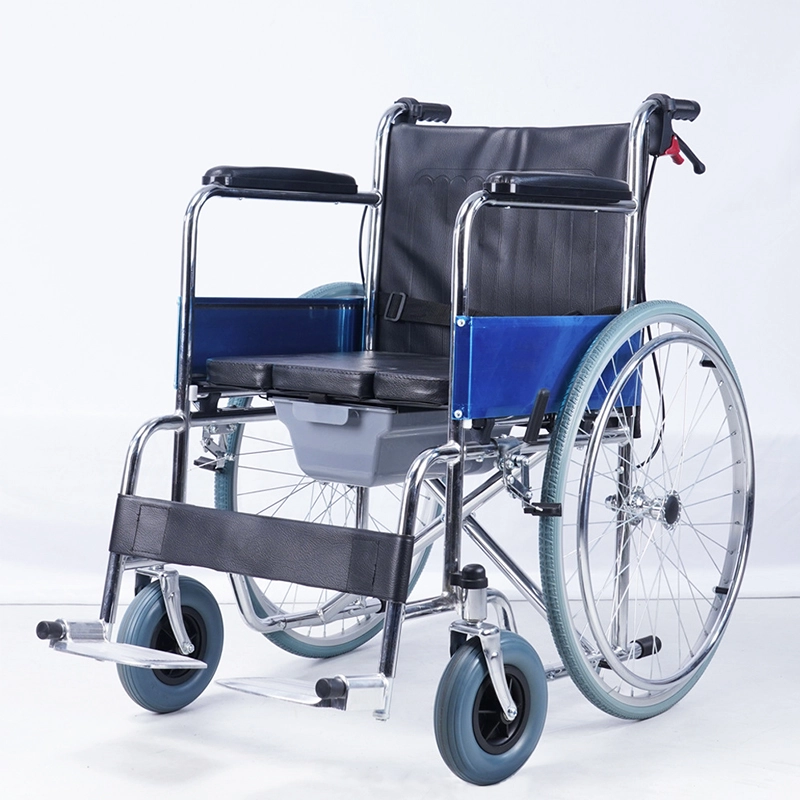
cadeira de rodas manual XY-608Juma escolha ligeira mas forte de Xunyu Medical, é projetado com um sistema rígido de quadros que melhora a capacidade de empurrar e permite ajustes pessoais. O quadro utiliza suavizamento de aço de alta for ça A3, e a superfície recebe eletroplatagem para cor duradoura, resistência forte à raíz, altos níveis de segurança e durabilidade sólida.
Factores chave relacionados às transferências dentro e fora da cadeira de rodas
Considerações da Configuração mais destacada
As disposições mais fortes influenciam grandemente os movimentos seguros. Cadeiras rígidas geralmente incluem placas fixas que proporcionam estabilidade enquanto se movem, mas podem bloquear transferências diretas para frente. Cadeiras estándar rígidas possuem seções frontais permanentes e áreas de um pé.
Cadeiras folháveis geralmente oferecem descansos flutuantes ou descartáveis que fornecem espaços abertos mais amplos para movimentos laterais ou frontais. Esta flexibilidade pode ser vantajosa em espaços estreitos ou quando se passa para superfícies como assentos de carro ou banheiros.
Optimização da altura do assento para eficiência de transferência
A altura do assento requer uma configuração cuidadosa de acordo com os principais alvos de turno. Idealmente, deve estar ligeiramente acima de superfícies como camas ou cadeiras para permitir que a gravidade assista durante transferências. Além disso, a compatibilidade com estações de trabalho ou escritórios requer revisão para evitar obstrução em tarefas regulares.
Casos de Utilização Especializados: Espaços estreitos e Requisitos de Viagem
Navegar áreas confinadas como Aeroplanes Aisles ou Corridores Hospitais
Em lugares como passagens de aviões ou corredores médicos estreitos, cadeiras de rodas de largura padrão se tornam inutilizadas. Versões ultra estreitas são necessárias aqui.
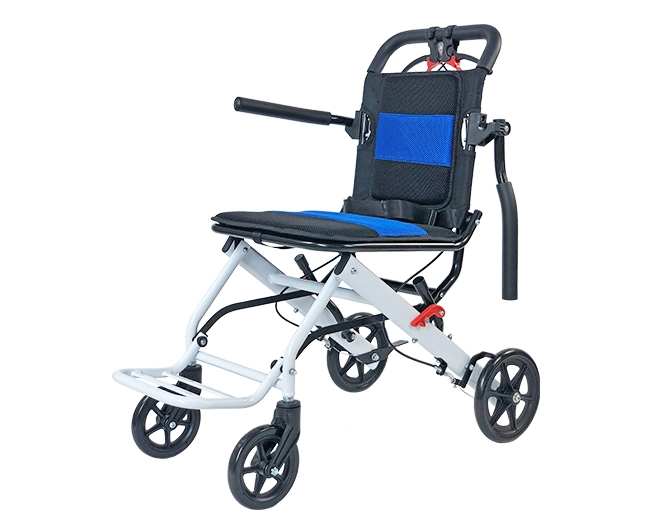
O XY-1002A cadeira de rodas do avião é projetado especialmente para caminhos estreitos em aviões ou instalações médicas. A forma deslizada permite girar fácilmente em zonas restritas, a construção ligeira ajuda a levantar por auxiliares, e a mesa sentada melhora o fluxo de ar por períodos mais longos. O tipo de cadeiras funciona bem como auxílios adicionais para movimentos para viajantes frequentes ou ambientes de instalações.
Integração com ambientes quotidianos e necessidades de conforto a longo prazo
Características ergônicas de projeto que suportam o uso alargado
As pessoas que usam cadeiras de rodas por muitos anos ganham muito de melhorias no conforto. - Suportes de costas ajustados, repouso de braços, encadeamento e dispositivos de prevenção de pontas adicionam muito ao relaxamento e segurança. Materiales respiratórios reduzem a acumulação de calor durante uma longa sentada e ajudam a manter a saúde da pele.
Compatibilidade com Dispositivos Assistentes e Modificações Domésticas
A cadeira de rodas deve funcionar suavemente com outras ferramentas de ajuda como pendientes, placas de mudança, elevadores ou sistemas domésticos automatizados. O adequado coincidência com instalações de casa aumenta a liberdade pessoal.
Avaliação Profissional como um requisito pré-requisito para a tomada de decisões de compra
O papel da avaliação clínica na seleção personalizada
Expertos qualificados examinam demandas de postura, intervalo de movimento articular, distribuição de pressão sentada e empurrando a mecânica corporal antes de escolher uma cadeira, assegurando a melhor coincidência e reduzindo os riscos de problemas posteriores, como feridas da pele ou danos de estresse repetidos.
Importância dos ajustes de ensaio antes de finalizar a compra
Sessões de teste permitem aos indivíduos verificar elementos vitais, incluindo transformar espaço em arranjos domésticos, esforço em diferentes motivos, e facilidade de assento em horas. Os ensaios práticos oferecem conhecimento valioso que a teoria não pode fornecer.
FAQ
Q: Como posso determinar se uma cadeira de rodas rígida é adequada para mim?
A: Uma cadeira de rodas rígida se encaixa melhor quando existe potência superior suficiente para automovimento ativo em períodos longos. Ela fornece economias de energia superiores, mas exige mais esforço em turnos devido à sua construção fixa. Um especialista em mobilidade pode confirmar a adequação baseada no estado físico.
Q: O que faz destacar a cadeira de rodas manual XY-608J da Xunyu Medical?
A: O XY-608J inclui um quadro ligeiro e rígido ajustado para empurrar a suavidade, tornando-o adequado para uso diário a longo prazo por pessoas ativas. Ela permite mudanças de assento enquanto mantém uma estrutura forte durante atividade regular.
Q: Quando eu deveria considerar usar uma cadeira de rodas como o XY-1002A?
A: O XY-1002A visa configurações estreitas como passagens de aviões ou corredores médicos onde cadeiras de rodas habituais não conseguem girar bem. Serve como uma grande cadeira extra para viagens ou lugares que precisam de pequenas opções de movimento.


