

Como usar uma caneta de crutch adequadamente: Conselhos de peritos para melhor equilíbrio e mobilidade
Hora : Dec16, 2025 Ver: 1.005
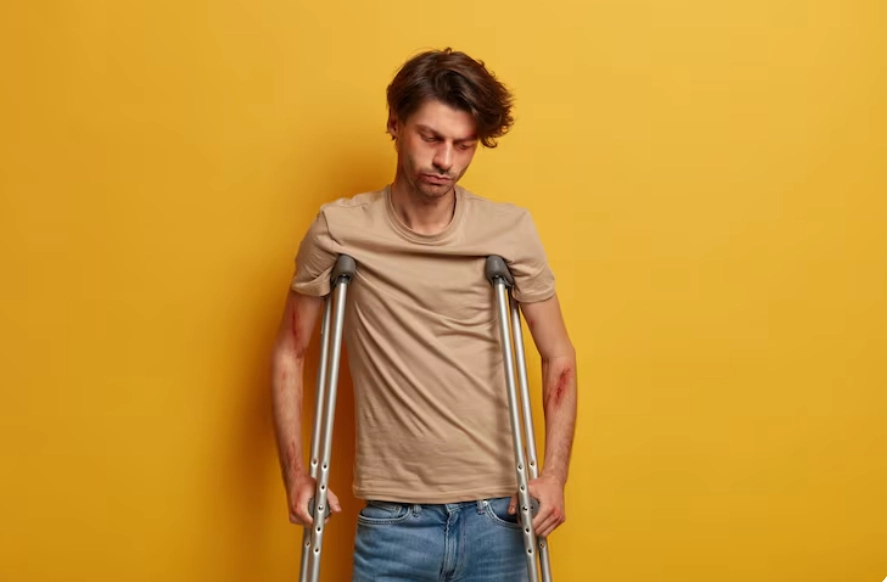
Usando um cano de crutch a maneira certa começa com a configuração correta da altura. A maninha deve atingir o nível do pulso quando os braços penduram naturalmente, e os cotovelos devem manter uma suave dobra de 20-30°. Essa posição permite mudança de peso segura e equilíbrio constante. Diferentes padrões de andar correspondem à quantidade de peso que a perna ferida pode carregar. Os métodos especiais das escadas mantêm o movimento seguro. O conforto vem de manchas bem formadas e manchas firmes de antebraço. Modelos como XUNYU MEDICAL XY-920 e XY-925 trazem peças ajustáveis e pontas fortes de borracha que agarram bem o chão. Sempre fale com um médico ou terapeuta primeiro. Boas crochetes adequadas tornam a recuperação mais rápida e a vida diária mais fácil.
Importância da Utilização Propria de Cane Crutch para Mobilidade e Rehabilitação
O papel das cruzes de armas em recuperação e mobilidade diária
Cruzes de antebraço exigem algum equilíbrio e força de braço. Quando uma perna é magoada, essas ferramentas movem peso corporal para a perna saudável e os braços. A pressão na área dolorosa cai muito, e a cura fica mais suave. Os braços de antebraço espalham a carga pelas mãos, antebraços e ombros. Este design protege o corpo inferior muito melhor do que canos simples.
O uso correto importa muito. O tamanho adequado e o estilo de caminhada diminuem a chance de cair e aceleram a cura. Hábitos errados podem lentar o progresso ou causar novas dor. O pessoal médico deve sempre verificar a adequação e ensinar os passos certos antes de começar o uso regular.
Quando considerar usar uma cane de crutch
Canos de cruce ajudam as pessoas após cirurgia, após ossos quebrados, ou com problemas de perna a longo prazo. Eles dão suporte ligeiro ou alívio de peso completo, dependendo da lesão. Os modelos XUNYU MEDICAL XY-920 e XY-925 funcionam para muitas situações diferentes porque se ajustam facilmente e se sentem confortáveis mesmo após horas de uso.
Axustar a caneta para ajustar correctamente o usuário
Medir para a Altura Optima e Fit
A altura correta torna tudo mais seguro. - Fique direto em sapatos normais. - Deixem os braços se soltar. O topo da mancha deve alinhar-se com a creme do pulso. Este simples cheque mantém os ombros relaxados e os braços em posição natural.
Os cotovelos precisam de uma pequena curva de cerca de 20-30 graus quando seguram a mão. Um espaço de três dedos deveria encaixar entre o armário e o topo das manchas. Esses pequenos detalhes param a dor e dão controle constante.
Posição da Mancha de Avanço
A manchas senta 2 ou 3 polegadas abaixo do cotovelo. Ele segura o braço adiante suavemente, mas firmemente. Boas manchas deixam o braço fluir livremente enquanto impedem que o crutch caia.
Produto Recomendado: XUNYU MEDICAL XY-920 Adjustable Design
O XY-920 tem mudanças simples de altura do botão de pulsação e pins fortes de bloqueio. Os usuários podem mudar o comprimento rapidamente enquanto a inchaça diminui ou a força volta. O design adequa tanto as necessidades hospitalares quanto o conforto doméstico.
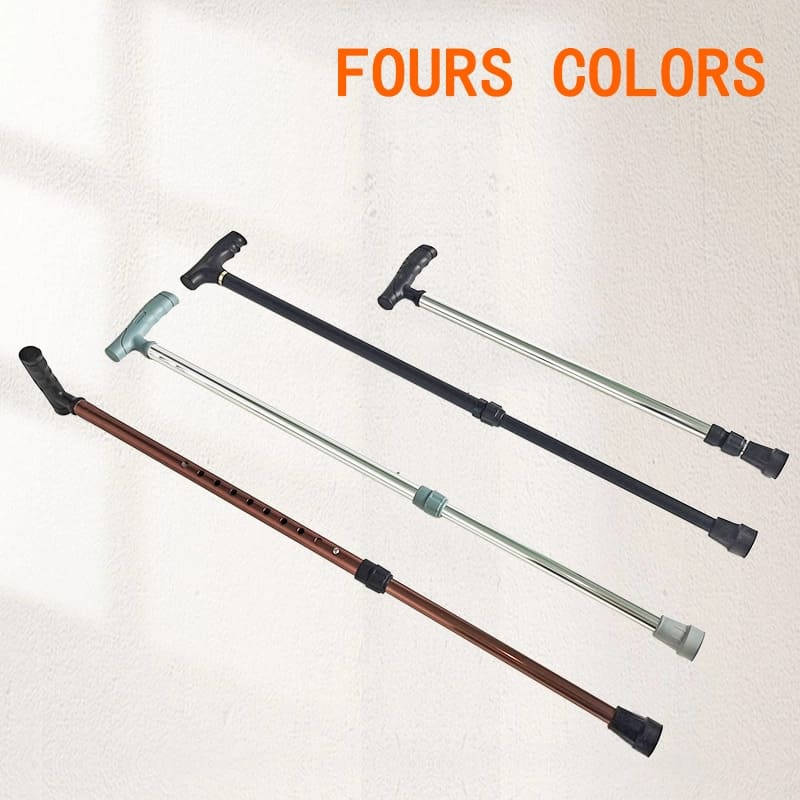
Mastering Safe Walking Techniques com um Crutch Cane
Axuste a técnica de caminhada crutch baseada em estado de peso: parcial, não peso ou peso completo. Começa com passos curtos e gradualmente prolonga passos enquanto for ça e confiança melhoram para mobilidade segura e eficiente.
Técnicas baseadas no estado de peso
Estratégia de Peso Partial
Quando a perna ferida pode tocar o chão levemente, mover ambos os crochetes para frente juntos. Então levante a perna dolorosa para encontrá-las. Finalmente passar com a perna forte. Este padrão mantém o peso espalhado em segurança.
Protocolos não pesadores
Quando nenhum peso é permitido na perna ruim, mover as duas crochetes em frente primeiro. Swing or hop the good leg up to the crutches. Mantenham a perna ferida levantada o tempo todo. A prática faz o movimento suave.
Adaptação de Peso Completo
Quando ambas as pernas podem carregar peso, as crochetes ajudam principalmente a equilibrar. Caminhar quase normalmente enquanto levemente tocando as crochetes para o chão para segurança extra.
Melhoria da eficiência de ganhos ao longo do tempo
Quando você começa a usar cruches, ele é uma boa ideia de usar passos muito curtos. À medida que sua lesão melhora ou se sente mais confiante, você pode aumentar o comprimento de seus passos.
Navegar escaleiras com segurança usando crochetes de antebraço
Escalas ascendentes com Estabilidade
Subindo, lideram com a perna forte. - Tire o corpo para cima. Então traz a perna ferida e ambos os cruces juntos no mesmo passo. Repito até o topo.
Escalas descendentes sem risco de lesão
Vai para baixo, coloca primeiro ambos os crochetes e o pé ferido no passo inferior. Shift weight forward carefully. Então traz a boa perna para se juntar a elas. - Mova-se lentamente para ficar seguro.
Avantagens sobre outros auxílios à mobilidade nas escadas
Os crochetes de antebraço manejam as escadas muito melhor que caminhadores ou roladores. A forma minúscula do XY-925 permite controle fácil mesmo em passos estreitos.
Melhorar o conforto através das escolhas de design
Escolha manchas ergonômicas ou amplas para distribuir a pressão de maneira equivalente e reduzir a dor nas mãos, ou adicionar coberturas de espuma suave a manchas padrões para melhorar o conforto todo o dia.
Evaluação Standard vs Ergonomic Handles
Gripes de plástico padrão
Manchas plásticas estreitas básicas podem magoar após longo uso porque a pressão permanece em pequenos pontos.
Alternativas ergônicas ou de gripe larga
Manos mais amplos ou em forma espalham a carga por toda a palma. A dor das mãos cai e a agarra fica forte mais tempo.
Opções acessórias para o Comforte Adicionado
Uma cobertura de espuma suave desliza sobre qualquer mangueira e adiciona almofada. Muitos usuários dos modelos XUNYU MEDICAL frequentemente acrescentam estes pads para o conforto todo o dia.
Selecionando Entre as Manchas de Avançamento Abertas e Pechadas
Características dos Designs Open Cuff
Manchas abertas se deslizam rápido e raramente pegam nas mangas. Elas permanecem ligeiras e simples.
Os benefícios dos modelos de copas fechadas
Manchas fechadas envolvem-se ao redor do braço. Mesmo que a mão se abra, a cruz fica no lugar. Essa segurança extra ajuda os usuários que se cansam rapidamente.
XUNYU MEDICAL XY-925: Secure-Closed-Cuff System
O XY-925 usa uma mancha inteligente que se abre para entrada fácil, mas fecha firmemente durante a caminhada. O design dá liberdade e segurança.
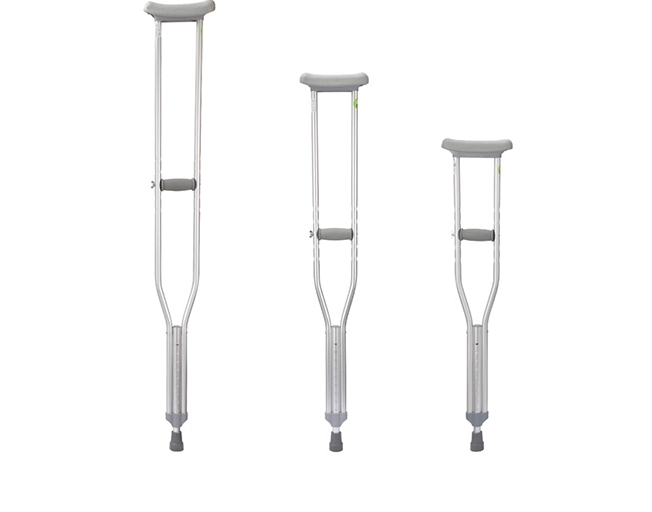
Considerações para usuários a longo prazo de canos de crutch
Modelos Adjustáveis
Os sistemas de botões de pulsação deixam o comprimento mudar conforme necessário. O inchamento ou crescimento já não força uma nova compra.
Opções de comprimento fixo
Alguns usuários preferem modelos fixos de tamanho cortado porque se sentem mais rígidos e fazem menos ruído.
Características de durabilidade Importantes para o uso diário
Os ferros de alta tração fornecem a valiosa função de fornecer gripe no chão e reduzir a chance de deslizar. Os produtos do XUNYU MEDICAL usam materiais ligeiros, mas de alta for ça otimizados para durabilidade clínica.
Comparando Crutches Forearm vs Underarm Crutches in Practice
Diferenças Funcionais na Distribuição de Apoio
Modelos de antebraço envolvem músculos superiores do corpo de forma mais equilibrada sem compressão dos nervos axilares.
Benefícios a longo prazo em conforto e independência
Uma vez que crochetes de antebraço não carregam esse perigo, pode ser considerada outra vantagem de seu uso. Sua forma compacta também os torna mais fácil de manejar em espaços confinados.
FAQ
Q: Como posso determinar se preciso de uma caneta para o braço ou um par?
A: Um crutch funciona para ajudar um ligeiro equilíbrio. Um par é necessário quando uma perna deve ficar completamente fora do chão. - Um médico decide a melhor escolha.
Q: Posso usar as latas de cruz do XUNYU MEDICAL no exterior em terreno desigual?
A: Sim. Tanto o XY-920 como o XY-925 vêm com pontas de borracha espessas que agarram o pavimento, a erva, a grava e os pisos interiores em segurança.
Q: Qual é a diferença entre o modelo XY-920 e XY-925?
A: Ambos se ajustam facilmente. O XY-920 tem uma esposa aberta para uso rápido. O XY-925 adiciona uma manchas fechadas para segurança e controle adicionais durante caminhadas mais longas.


