

Как использовать лучшие костели после операции на колене для быстрого заживления
Время : Apr 22, 2026 Просмотр : 1 356
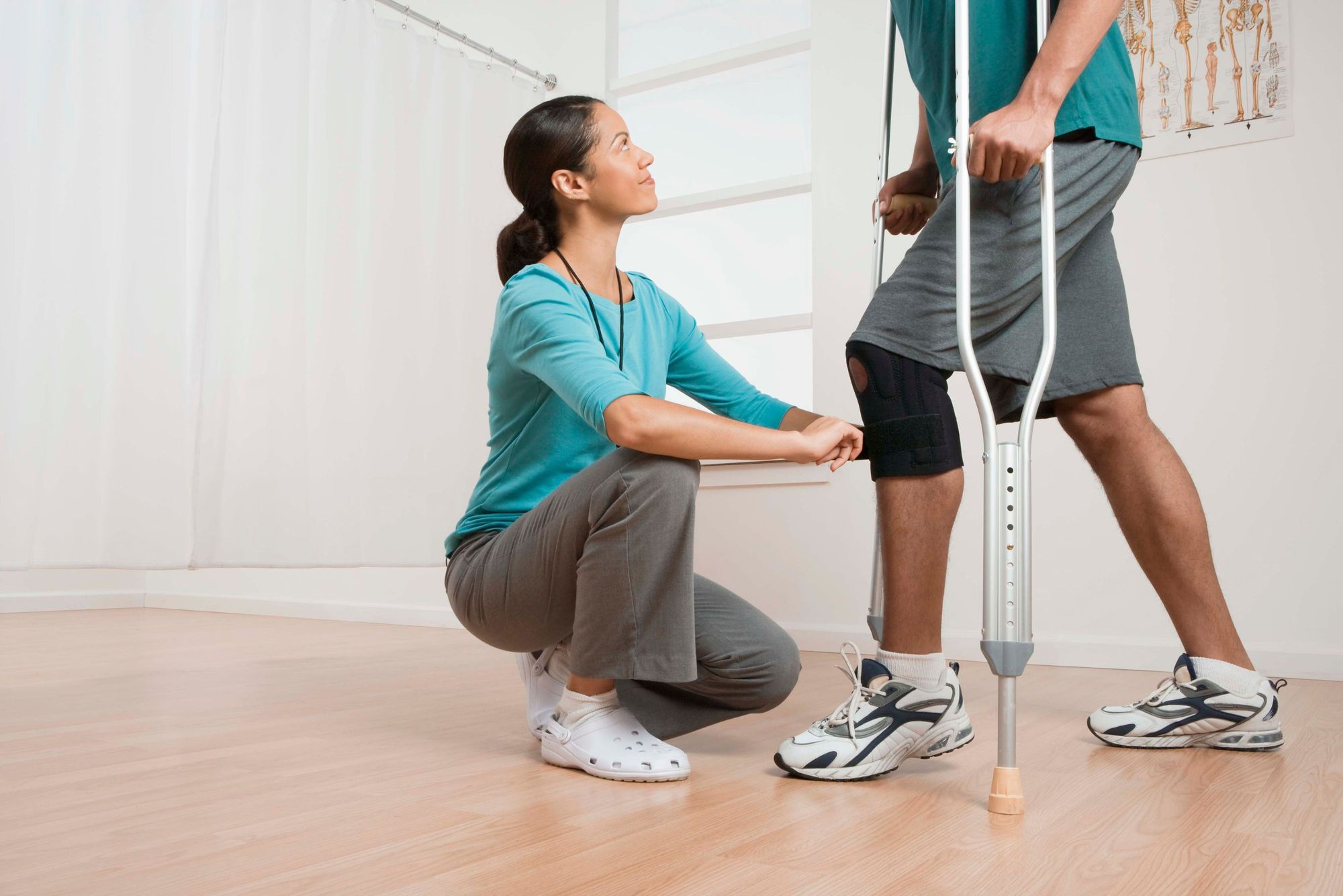
Выбор хороших костелей после операции на колене выходит за рамки простого движения - это определяет, насколько хорошо и быстро ваше колено улучшается. Подходящая помощь в ходьбе снижает давление, повышает стабильность и помогает замедлить размещение веса, когда вы заживаете. Понимание их роли в реабилитации ясно показывает, как они ускоряют восстановление.
Какую роль играют средства мобильности после операции на колене?
Получиться лучше после операции на колене требует постоянных усилий, тщательных привычек и установки оборудования. В этой смеси, помощь ходьбе, как коляли и тростники оказываются жизненно важными для безопасности и роста в заживлении. Правильные держат вас стабильными и облегчают нагрузку на ремонтное колено. Правильные костели избегают таких проблем, как скользания или смены суставов, в то время как шаг за шагом переход от общего к некоторой поддержке веса гарантирует прочную реабилитацию.
Кроме того, эти средства укрепляют самостоятельность во время исцеления. Они позволяют сделать безопасные шаги в вашем доме, быстрее возвращаться к основным обязанностям и укреплять веру в вашу структуру. с твердостью. Выбор лучшего инструмента прямо в начале реабилитации может значительно изменить долгосрочные результаты.
Как выбрать правильные костыли для восстановления?
Поиск верхних костелей после операции на колене зависит от ключевых моментов. Посмотрите на предел нагрузки каждого типа, изменения высоты и удобную конструкцию. Легкость занимает высокие позиции - ручки и подушки для рук должны снизить усталость в действии. Строительство прочности и простой уход также формируют постоянную ценность. Возьмем, к примеру, текущие локтевые костели; Они поставляются с удобными сцеплениями, которые даже выходят силой на руки. Такая настройка облегчает боль в руках в затяжных сеансах. Легкие вещества, такие как алюминий или углеродное волокно, теперь получают пользу за хорошую мощность против тяжести, соответствующую быстрому или длительному времени заживления.
Какие типы костелей будут доступны в 2026 году?
Шаги вперед в помощных технологиях расширили выбор помимо основных видов.
Традиционные костели под подплетьями: надежная поддержка раннего восстановления
Основные подплечи коляли по-прежнему служат надежным вариантом для тех, кто не имеет мощности или стабильности только после операции. Обновленные формы добавляют редукторы ударов и настраиваемые подушки для большей легкости. Они хорошо подходят для коротких периодов, особенно когда полная нагрузка ног остается вне пределов.
Колели для предплечья (локтя): улучшенная мобильность и контроль позы
Локтовые костели обеспечивают большую легкость в движении и толкают для звучной позы по сравнению со стилями подмых. Они идеально подходят к справедливой верхней части руки или нуждаются в длительной помощи. В 2026 году многие конструкции используют легкие детали из углеродного волокна, которые повышают долговременную мощность без дополнительной нагрузки. В руководствах по продукту, как и для складной костилки для предплечья (XY-937), отмечается, как удобные кривые распространяют силу на сцепление и удерживают обычный изгиб руки, позволяя вам плавно перемещаться с уменьшенным износом.
Свободные руки и умные костели: будущее помощи ходьбе
Колели без рук знаменуют собой новый скачок в реабилитационных инструментах. Они позволяют шагам без сцепления, поэтому повседневные работы проходят проще. Некоторые умные версии сочетают наблюдателей, которые проверяют шаги и распространение нагрузки, связывающиеся с помощью Bluetooth с приложениями для заживления для регистрации прибылей с течением времени.
Когда следует перейти от костелей к тростнику?
По мере продвижения исцеления ожидайте сдвига от общей поддержки костелей к некоторым тростник Помогите. Тройки часто вступают в игру, как только ваш суставный врач разрешает частичную нагрузку ног. Настроиваемые тростники позволяют стабильно получать самоуправление, удерживая крепкость в сменах.
Комфортные сцепления имеют значение - они сдерживают напряжение руки в длительных бегах, прежде всего на более длинных путях внутри или вне. Многие люди считают эту точку вдохновляющей, потому что она сигнализирует о ясном пути к снова свободной прогулке.
Как можно безопасно тренироваться при использовании костелей после операции на колене?
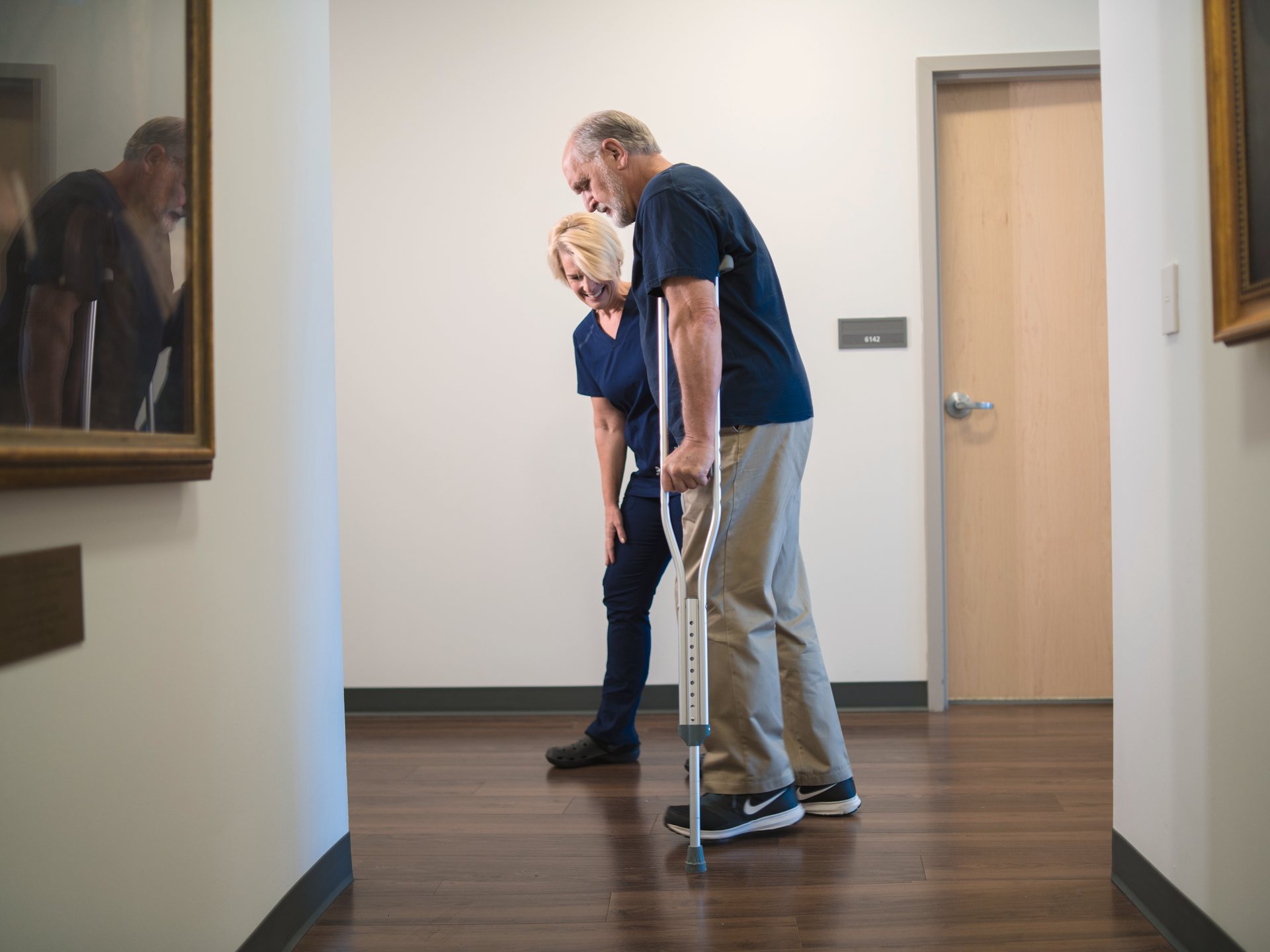
Сохранение тела после операции на колене очень важно, но обращайтесь с осторожностью, чтобы избежать задержек. Легкие суставные упражнения блокируют жесткость в колене, помогая кровотоку вблизи восстановительных пятен. Руки и верхняя часть сохраняют силу для обращения с костелями, да? Планы растяжения поднимают изгиб, не толкая твердо фиксирующие зоны. Прислушайтесь к профессиональным советам эксперта по движению, который сейчас подходит для ваших упражнений.
Какие методы улучшают баланс и координацию во время восстановления?
Упражнения стабильности заполняют основное место в восстановлении уверенности после работы на колене. Сила среднего тела наращивает и укрепляет ваше ядро, поэтому смены костелей остаются под контролем и снижают шансы на переполнение исправленной ноги. Медленная, целенаправленная практика шагов острит связь руки и ноги - это умение, которое формирует безопасные шаги домой или вдали. Профессионалы движения обычно подчеркивают правильное положение и правила шага в установленных планах реабилитации для максимальной производительности.
Что определяет качественные костели в 2026 году?
Качество’ Смысл S вырос с технологическими изменениями в ходящих помощниках.
Эргономические инновации, которые повышают комфорт
Сейчас’ Первые костели добавляют настраиваемые части высоты для установки различных размеров корпуса. Настройки редукторов колебаний облегчают удары по рукам и верхней части на большие расстояния, поскольку резиновые конецы, защищенные от сжатия, повышают удержание на различных основаниях - ключ к остановке скольжений на равных плитках или замокнутых прогулках.
Материалы и конструкции, которые сочетают силу с устойчивостью
Легкие металлические смеси снижают износ в длительное время действия. Части из углеродного волокна присоединяются к тонкой мощности с внешним видом обробки, искаемым новыми пользователями, которые выглядят плюс работа. Многие строители теперь глаза зеленые вещи, которые привлекают зеленых покупателей после добрых исправлений здоровья.
С самого начала, Xunyu Медицинская поставил технологические шаги в первую очередь, отточивая элементы, чтобы удовлетворить реальные потребности старших толп. Его фокус на простых особенностях использования завоевал всемирное доверие в Европе, Северной Америке, на Ближнем Востоке и в Азиатско-Тихоокеанском регионе, став лидером в производителях помощников для ходьбы по всему миру.
Если проверка свежих подборов в форме безопасности и легкости на основе вышеизложенного, попробуйте Foshan Technology Co., LTD. Фирма’ Цель остается простой, но весомой: "Используйте технологии, чтобы согреть жизнь пожилых людей, и ремесло, чтобы защитить их здоровье". Их ноу-хау достигает прошлого здания до умного роста, который видит самоуправление с помощью уверенных конструкций - идеалов, которые прямо соответствуют целям реабилитации после операции.
Как сочетать средства мобильности с целями в области образа жизни и восстановления?
Решение о различных средствах для ходьбы сильно зависит от ежедневной занятости и основных мест использования.
Занятые люди могут наклоняться к локтям или без рук для гибания в открытых задачах или езды. Тесные строительства лучше внутри, где поворотное пространство превосходит шаговый диапазон. Люди на открытом воздухе должны наблюдать за жесткими концами, которые безопасно закрывают грубую землю в влажных местах. Прежде чем покупать любой инструмент - тростник, ходящий или набор костелей - сначала поговорите с специалистами по здравоохранению. Совместные докторы предлагают подходящие типы для вашей фазы здоровья; помощники движения проверяют настройки правильного размера на шаги, которые чувствуют себя гладкими, а не толкаемыми; и стабильные проверки помогают отслеживать право на получение во время.
Часто задаваемые вопросы
Q1: Как долго я должен ожидать использовать костели после замены колена?
A1: Большинство пациентов полагаются на полноценные коляли в течение двух-четырех недель, прежде чем постепенно переходить к частичным средствам для несения веса, таким как тростники, но сроки варьируются в зависимости от хирургической сложности и индивидуальных скоростей заживления, руководствующихся медицинскими консультациями.
Q2: Являются ли коляли для подплечи лучше, чем подплечи?
A2: Колели для предплечья способствуют лучшему контролю позы и свободе движения, но требуют большей силы верхней части тела; Типы подплещ обеспечивают большую стабильность рано после операции, когда баланс остается ограниченным.
Вопрос 3: Какой лучший способ поддерживать мою тренировочную рутину при использовании костелей?
A3: Сосредоточьтесь на упражнениях кондиционирования верхней части тела, таких как тренировки сопротивления на сидении в сочетании с мягкими растяжениями нижних конечностей, одобренными вашим терапевтом; избегать высокоударных движений до тех пор, пока они не будут очищены для полной весоносной активности.


