

Могу ли я взять костыли в самолет в 2026 году? Полное путешественническое руководство
Время : 07 мая 2026 Просмотр : 1 433
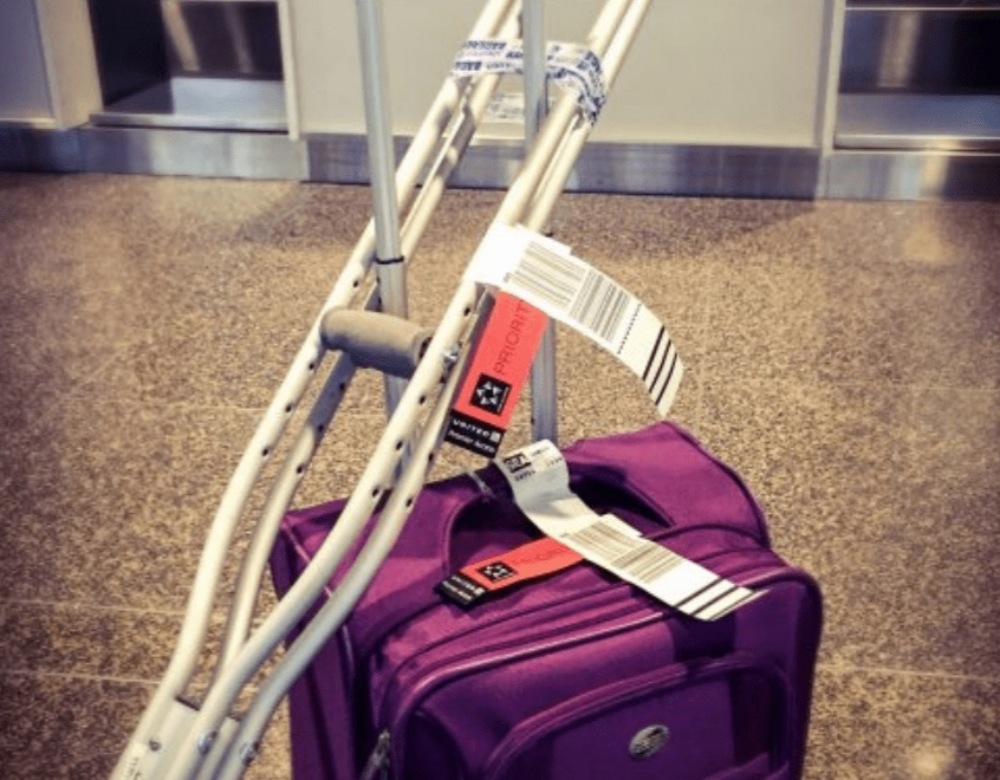
Люди часто могут принимать коляли В самолете в 2026 году. Тем не менее, как они обрабатывают их зависит от руководящих принципов проверки аэропорта, мест хранения самолетов и шагов авиакомпании. Кобели обычно проходят проверки безопасности. Если они не пройдут рентгеновскую снимку, сотрудники могут проверить их вручную. В этом руководстве рассказывается, что могут ожидать водители перед посадкой, на линиях безопасности и в кабине.
Понимание правил воздушных путешествий для средств мобильности
Для людей, выздоровляющихся от повреждений, знание авиакомпаний и правил безопасности о средствах мобильности очень важно. Летать при помощи костелей требует знать разрешения авиакомпании и методы проверки TSA, чтобы поездка прошла хорошо.
Политика авиакомпаний и TSA в отношении костелей
Авиакомпании часто позволяют пассажирам носить костели, палочки и аналогичные средства мобильности в качестве вспомогательных инструментов. Они не добавляют к счету ручной багажи. Управление безопасности транспорта (TSA) устанавливает процессы проверки, которые подходят для водителей с медицинским оборудованием, сохраняя их безопасными и комфортными во время внешнего вида. Поездники должны сообщить авиакомпании раньше, если им нужна помощь в посадке или выходе из самолета. Это планирование вперед помогает работникам установить помощь инвалидным коляскам или варианты первой помощи.
Это акцент на удобство и безопасность пользователей’ путешествие соответствует первоначальному намерению Xunyu Medical, когда она производила эти продукты. Foshan Xunyu Medical Technology Co., Ltd., ключевой производитель вспомогательных устройств, фокусируется на легком доступе в своих сборках.
Различие между контролируемыми и контролируемыми средствами мобильности
Кобели обычно считаются ручными деталями, если в кабине есть место. Некоторые авиакомпании могут держать их в воздушных пространствах или специальных шкафах на рейсе, чтобы оставаться в безопасности. Но если костели слишком большие или если складные виды не помещаются в обычные места, их могут проверить прямо у ворот.
Подготовка к воздушным путешествиям с костелями
Поездка с костелями требует планирования перед выездом, чтобы уменьшить беспокойство в аэропорту и на борту.
Долетные договоренности и уведомления
Перед выездом пассажиры должны позвонить в службу поддержки авиакомпании, чтобы проверить варианты поддержки. Люди, которые испытывают трудности с перемещением между воротами, могут попросить помощь для инвалидных колясок или электрических каросек. Авиакомпании могут запросить документы, подтверждающие краткосрочные повреждения или медицинские средства; подготовка этих ранних остановок задержки при регистрации.
Выбор правильного сиденья для удобства и доступности
Выбор лучшего места считается для гонщиков с костелями. Передние или боковые сиденья позволяют лучше входить, когда входите или выходите из зоны самолета. Первые права позволяют водителям безопасно размещать свои инструменты поддержки, прежде чем другие поднимаются на борт. Некоторые настройки самолета имеют больше площади ног - край для лечителей болей ног, которые хотят места для поднятия ног.
Навигация безопасности аэропорта с костелями
Контрольные пункты безопасности могут проверять пределы, но они остаются осуществимыми, когда гонщики знают пути TSA для инструментов поддержки, таких как коляли или коляли. тростники.
Процедуры проверки безопасности средств мобильности
Во время проверки работники TSA смотрят на костели самостоятельно, но позволяют гонщикам сохранять стабильное удержание на протяжении всего пути. Если они хотят, гонщики могут искать сольные проверки для личного ощущения и спокойствия. Металлоизыскатели и сканирующие машины устанавливаются правильно, чтобы помощники здравоохранения пропустили дополнительные шумы или беспокоятся.
Советы для плавного опыта безопасности
Появиться вскоре дает много времени, чтобы пройти через безопасность без спешки. Рассказывая работникам о вставках корпуса или свежих проверках скорости операций при сохранении уровней безопасности. Наличие основных документов рядом яснит вещи, если возникают сомнения в потребностях в здравоохранении.
Управление костелями во время посадки на борт и во время рейса
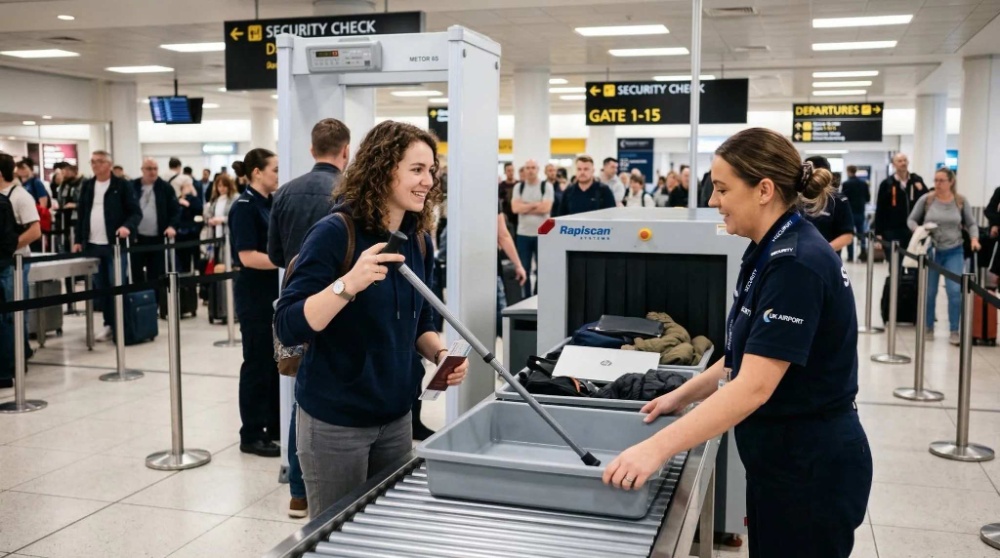
После прохождения безопасности, работа с колелями на самолете требует командной работы с работниками авиакомпании, чтобы обеспечить безопасность и удобство на протяжении всего полета.
Процедуры посадки и варианты помощи
Многие авиакомпании предоставляют ранний вход для пассажиров, нуждающихся в большем времени или помощи телу. Сотрудники ворот могут раздавать короткие инвалидные коляски между областями, если это необходимо, поскольку экипаж убеждается, что коляли остаются на месте во время подъема и падения частей.
Комфорт и соображения безопасности во время полета
Поездники должны иметь костыли близко, когда экипаж говорит, что это’ с хорошим, прежде всего на вытянутых рейсах, где шаги могут помочь потоку. Передвигаясь вниз по путям, следите за тем, чтобы не блокировать людей или вызывать вред от потрясений.
Советы по мобильности и обработке багажа после посадки
Как только там, быстрое выведение проверенных инструментов поддержки сохраняет свободу в конечном аэропорту. Передача ворот дает быстрый доступ после выхода - всегда проверяйте этот план перед днем отпуска.
Проверьте свои коляли, когда вы их поднимаете, на какие-либо вреды от поездки; сообщите о местах багажа сразу же, если появятся проблемы, прежде чем выехать из зоны ворот. Продукты Xunyu подвергаются строгому контролю качества перед экспортом по всему миру. Эта сила снижает вероятность перерывов даже при частых поездках.
Ранняя настройка наземных поездок повышает легкость после полета. Многие аэропорты предлагают доступные автобусные услуги, установленные для путешественников с инструментами поддержки или очередью для совместных поездок на автомобиле с дополнительными задними комнатами.
Перспективы будущего: проще путешествовать воздушным транспортом с более умными конструкциями костелей
По мере дальнейшего совершенствования конструкции средств мобильности будущие колли, скорее всего, станут более легкими, компактными и легче управлять во время воздушных путешествий. складные костели, комбинации костеля-тростника, и легкий алюминий Модели из углеродного волокна могут помочь пассажирам пройти регистрацию, проверку безопасности, посадку и хранение в кабине с меньшими трудностями.
Удобство путешествия станет важной частью дизайна костелей. Лучшие эргономические сцепления, более безопасные резиновые кончики и регулируемые конструкции могут уменьшить усталость в длинных коридорах аэропорта, делая ручное осмотр и хранение ворот более гладкими. Для часто летающих, будущие коляли не только поддержат восстановление, но и улучшат независимость, комфорт и уверенность в себе на протяжении всего путешествия.
Часто задаваемые вопросы
Q1: Могу ли я принести свои костели в самолет без оплаты дополнительных сборов?
А1: Да, большинство авиакомпаний разрешают вам бесплатно взять с собой костыли в качестве вспомогательных устройств - они не учитываются в вашем количестве ручного багажа, если не применяются дополнительные правила багажа из-за ограничений размеров.
Q2: Как я должен хранить свои коляли во время рейса?
A2: В зависимости от конфигурации самолета стюардессы могут размещать их в воздушных контейнерах или в защищенных шкафах вблизи перегородных сидений.
Q3: Какой тип конструкции костеля лучше всего подходит для частых воздушных путешествий?
A3: Легкие конструкции из алюминия или углеродного волокна обеспечивают оптимальную переносимость. Эргономические сцепления, регулируемая высота и неприкользящие резиновые кончики также помогают уменьшить усталость и улучшить безопасность во время длительных дней путешествий.


