

Почему складные инвалидные коляски привлекают все больше внимания в секторе ухода на дому?
Время: 16 июня 2026 г. Просмотр : 862
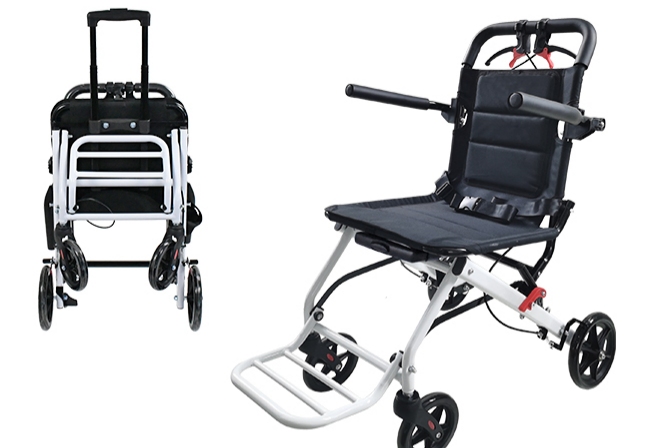
Складные инвалидные коляски В секторе домашнего ухода им уделяется все больше внимания, но не только потому, что их легче складывать и хранить. Для покупателей медицинского оборудования, дистрибьюторов, подрядчиков проектов по уходу и брендов, выпускающих продукцию под собственной торговой маркой, реальная ценность заключается в более практическом аспекте.
Почему складные инвалидные коляски подходят для нужд домашнего ухода
Покупатели, приобретающие инвалидные кресла для домашнего ухода, часто сталкиваются с ограниченным пространством в помещении. Жесткое кресло может быть прочным, но его трудно хранить в небольшой квартире, узком коридоре или семейном автомобиле. Складное инвалидное кресло частично решает эту проблему. Его можно хранить, когда оно не используется, перемещать между комнатами и удобнее транспортировать для коротких поездок или визитов к врачу.
С точки зрения закупок, складные инвалидные коляски также помогают в планировании складских и транспортных операций. В сложенном виде их размер может снизить нагрузку на склад. Защита упаковки, конечно, по-прежнему важна, но в целом с таким изделием проще обращаться, чем с большой нескладной коляской.
Основные области применения в секторе ухода на дому
Уход на дому и услуги по уходу за пожилыми людьми
Для оказания помощи на дому часто требуются инвалидные коляски, которыми сиделки могут управлять без особых проблем. Коляска должна складываться без сложных движений. Тормоза должны быть легкодоступны. Подставки для ног не должны казаться хлипкими. Обивка сиденья должна сохранять форму после многократного использования.
Реабилитационные центры и проекты социальной помощи
Реабилитационные центры и проекты по оказанию помощи на дому обычно закупают оборудование группами, а не поштучно. Им могут потребоваться инвалидные коляски для временной поддержки передвижения, подготовки к выписке, перемещения между отделениями или для программ реабилитации на дому.
В таких условиях складные инвалидные коляски очень удобны, поскольку их легче перемещать, хранить и перераспределять. Однако покупателям не следует ограничиваться сравнением самой низкой цены. Им необходимо проверить прочность рамы, качество колес, устойчивость тормозов и наличие запасных частей после покупки. Коляска, покупка которой обойдется на несколько долларов дешевле, может стоить дороже, если колеса, винты или тормоза требуют частой замены.
Планирование складских запасов и категорий товаров у дистрибьюторов
Для дистрибьюторов складные инвалидные коляски могут стать основным товаром в категории средств передвижения. Их проще объяснить, чем более специализированное оборудование, и их можно продавать вместе с костылями, ходунками, стульями для душа и креслами-туалетами. Такой ассортимент продукции обеспечивает более полный и удобный выбор средств передвижения для магазинов товаров для дома и региональных дилеров медицинского оборудования.
Xunyu Медицинская Компания может быть представлена как практичный поставщик, поскольку ее ассортимент продукции не ограничивается одной моделью инвалидной коляски. Покупатели могут комбинировать складные инвалидные коляски с костылями, ходунками, стульями для душа и другими товарами для домашнего ухода, что полезно для создания более полного и удобного плана обеспечения мобильности.
Технические характеристики товара, которые следует проверить покупателям
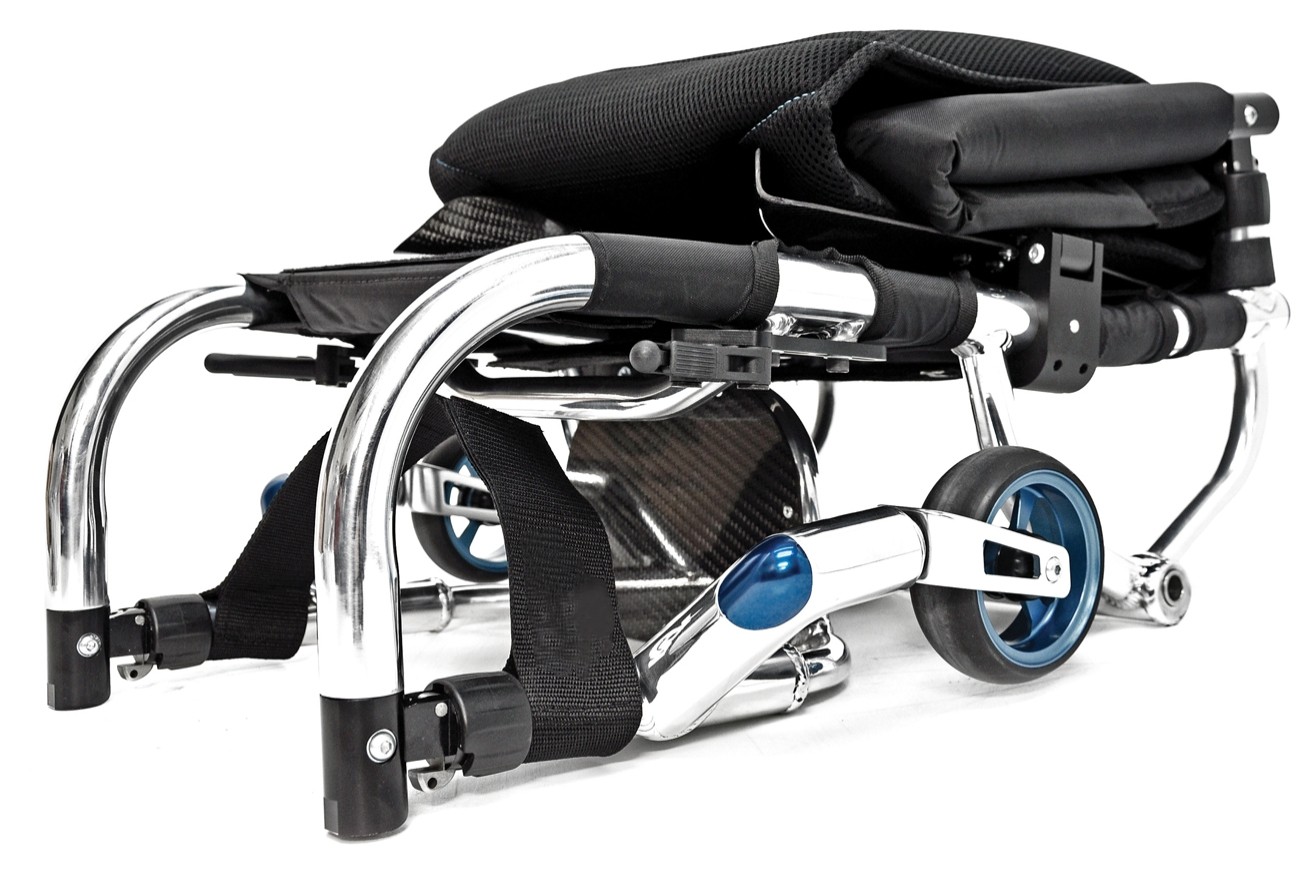
Складная конструкция и устойчивость рамы
Первым делом следует проверить систему складывания. Во время осмотра образца покупатели должны несколько раз открыть и закрыть кресло. Движение должно быть плавным, но не шатким. В разложенном виде рама должна казаться устойчивой. Проверьте, не шатается ли поперечная распорка, остается ли сиденье ровным и надежно ли выглядят точки фиксации.
На фотографиях изделие может выглядеть хорошо, но небольшие люфты становятся более заметными при ежедневном использовании. При оптовых закупках эта проблема может повторяться во многих единицах, если контроль качества слабый.
Материал рамы и грузоподъемность
Стальные рамы, как правило, прочные и экономичные, в то время как алюминиевые рамы Они легче и проще в перемещении. Правильный выбор зависит от позиционирования на рынке. Дистрибьютор товаров для домашнего ухода может предпочесть легкие модели для удобства транспортировки. Проект общественного ухода может предпочесть более экономичную, но устойчивую конструкцию.
Покупателям следует запрашивать четкую информацию о грузоподъемности, материале рамы, толщине труб, обработке поверхности и результатах испытаний. Если поставщик не может предоставить эти сведения, покупателю следует быть осторожным.
Ширина сиденья, колеса, тормоза и подножки.
Ширина сиденья влияет на удобство использования. На некоторых рынках могут потребоваться более широкие стулья, в то время как другие ориентированы на компактное использование в помещении. Перед заказом покупателям следует уточнить ширину сиденья, общую ширину, размер в сложенном виде и размер коробки.
Колеса и тормоза также важны. Складная инвалидная коляска, используемая для ухода на дому, может пересекать плитку, пандусы, тротуары и внутренние пороги. Тормоза должны надежно фиксировать коляску, но при этом быть достаточно тугими в использовании. Подставки для ног должны быть достаточно устойчивыми для ежедневного использования. Если эти детали окажутся слабыми во время выборочных испытаний, это может привести к жалобам послепродажного обслуживания.
Факторы оптовых закупок
Минимальный объем заказа и подтверждение образца
Минимальный объем заказа (MOQ) следует обсуждать в зависимости от конкретной модели, цвета рамы, дизайна упаковки и уровня индивидуализации. Для стандартного продукта обычно установлен более низкий MOQ, чем для версии под собственной торговой маркой. Если покупатель желает нанесения логотипа, специальной упаковки, языковых этикеток или изменения упаковки, MOQ и сроки выполнения заказа могут измениться.
Образцы должны соответствовать окончательному заказу. Это звучит просто, но многие проблемы начинаются именно здесь. Если в образце используется один тип колес, а в оптовом заказе — другой, то утверждение образца не имеет большого значения. Перед размещением оптового заказа покупатели должны подтвердить материал рамы, обивку сиденья, размер колес, тип тормозов, конструкцию подножек, размеры в сложенном виде и упаковку в картонную коробку.
Стоимость упаковки и транспортировки
Складные инвалидные коляски легче транспортировать, чем многие модели с жесткой рамой, но некачественная упаковка все равно может привести к повреждениям. Покупателям следует проверить прочность внешней коробки, внутреннюю защиту, защиту колес и то, надежно ли коляска закреплена внутри коробки.
Для дистрибьюторов размер коробки также влияет на планирование складских запасов и стоимость доставки. Немного улучшенная структура складывания и более аккуратный способ упаковки могут облегчить обращение с продуктом на протяжении всей цепочки поставок.
Запасные части и техническое обслуживание
Инвалидные коляски — это не одноразовые изделия. Со временем может потребоваться замена шин, тормозов, винтов, подножек, подлокотников и обивки сиденья. Покупателям следует уточнить, можно ли приобрести запасные части и являются ли эти детали общими для нескольких моделей.
Как оценить поставщика складных инвалидных колясок
Проверка стабильности производства
При выборе поставщика складных инвалидных колясок следует обращать внимание не только на фотографии продукции. Необходимо проверить, обеспечивает ли завод стабильную сварку рамы, аккуратно ли собираются складные соединения, проверяются ли тормоза перед упаковкой, и может ли поставщик обеспечить стабильные повторные заказы.
Вопрос о том, являются ли складные инвалидные коляски с ручным управлением более долговечными, чем коляски с жесткой рамой, также следует обсудить с поставщиком. Хороший поставщик должен объяснить конструкцию рамы, структуру шарниров, точки сварки, выбор материалов и потребности в техническом обслуживании. Такой ответ будет более полезен для процесса закупок, чем поверхностные заявления о продажах.
Рекомендации по складным инвалидным креслам Xunyu Medical
Для покупателей, ищущих компактную модель, компания Xunyu Medical предлагает 8-дюймовое белое легкое кресло-коляску для пилотов. XY-1001А Стоит обратить на него внимание. Изделие представляет собой легкую складную дорожную инвалидную коляску с механизмом складывания одним нажатием кнопки. Ее можно хранить в багажнике автомобиля или багажном отделении самолета, что подходит для тех, кто нуждается в уходе на дому, например, для коротких поездок, посещения клиники или в качестве попутчика.
Эта модель — не просто идея для путешествий. Для покупателей B2B функция складывания одним нажатием кнопки может быть полезна дистрибьюторам, работающим с магазинами товаров для дома, реабилитационными центрами и розничными продавцами средств передвижения. Она дает отделу продаж четкое представление о продукте без преувеличенных заявлений. Кресло вписывается в более широкую категорию средств передвижения для повседневной жизни, поскольку объединяет в одном продукте использование дома, путешествия, хранение и удобство для лиц, осуществляющих уход.
На сайте Xunyu Medical также представлен более широкий ассортимент инвалидных колясок, включая различные размеры колес и типы рам. Это помогает покупателям сравнивать складные модели для путешествий с другими вариантами инвалидных колясок, прежде чем формировать свой ассортимент.
Часто задаваемые вопросы
В1: Что следует проверить покупателям перед покупкой складных инвалидных колясок оптом?
A1: Покупателям следует проверить материал рамы, конструкцию складывания, ширину сиденья, грузоподъемность, тип колес, устойчивость тормозов, подножки, картонную упаковку и наличие запасных частей. Перед началом серийного производства необходимо провести выборочные испытания, включающие проверку складывания, торможения, толкания, устойчивости сиденья и упаковки.
В2: Какие параметры наиболее важны для складных инвалидных колясок для домашнего ухода?
A2: Важные параметры включают ширину сиденья, общую ширину, размер в сложенном виде, материал рамы, размер колес, грузоподъемность, вес изделия, тип тормоза, конструкцию подножки и размер коробки. Для использования в домашних условиях размер в сложенном виде и удобство в обращении особенно важны для лиц, осуществляющих уход, и дистрибьюторов.
В3: Можно ли изготовить складные инвалидные коляски на заказ, и как меняется минимальный объем заказа?
A3: Складные инвалидные коляски часто можно персонализировать, добавив логотипы, выбрав цвет рамы, обивку сиденья, дизайн упаковки, инструкции по эксплуатации, этикетки и штрихкоды. Минимальный объем заказа зависит от модели и уровня персонализации. Для стандартных моделей обычно требуется меньший минимальный объем заказа, в то время как для упаковки под собственной торговой маркой может потребоваться больший объем заказа.
Вопрос 4: Сложно ли устанавливать, обслуживать или ремонтировать складные инвалидные коляски после доставки?
A4: Большинство складных инвалидных колясок несложно собрать, но покупателям все равно следует предоставить четкие инструкции. Техническое обслуживание обычно включает проверку тормозов, колес, винтов, подножек, подлокотников и обивки сиденья. Для дистрибьюторов поддержка запасными частями может снизить нагрузку на послепродажное обслуживание.


