

Wheelchair Weight Capacity: What Should Buyers Check Before Ordering?
Время: 9 ноября 2026 г. Просмотры : 18
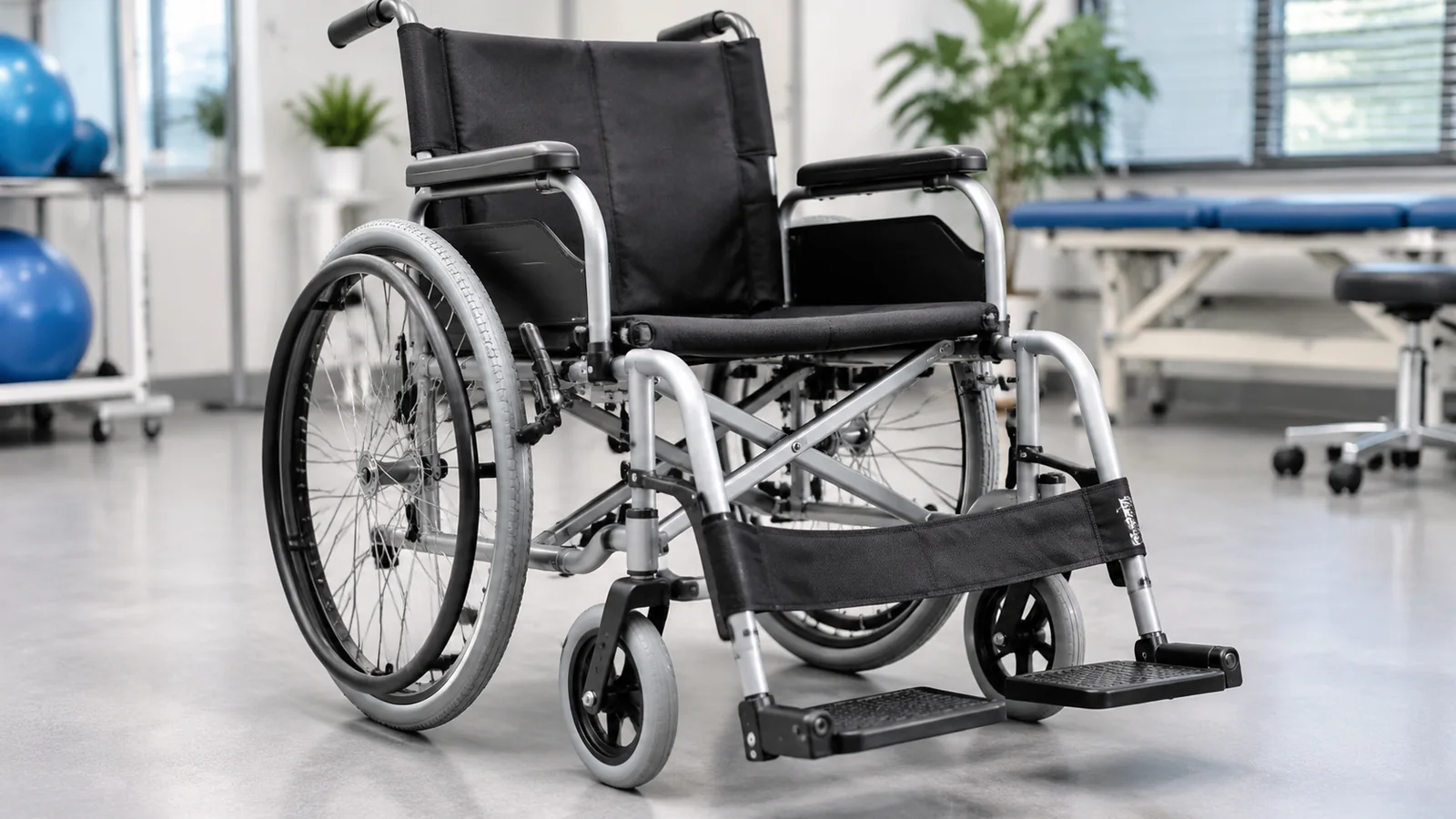
Wheelchair weight capacity is a model-specific specification, not a general description of how strong a chair looks. For distributors and institutional buyers, the stated rating should be assessed alongside the product configuration, seat dimensions, frame and wheel assembly. It is different from the weight of the wheelchair itself and from the gross weight of the packed carton. Mixing these figures can lead to inaccurate product listings, quotations or warehouse records. Buyers should check the rating for the exact model and version being ordered.
What Does Wheelchair Weight Capacity Mean?
A product document may use terms such as maximum load, rated load or maximum user weight. These terms should not be assumed to mean the same thing in every supplier’s documentation. Buyers should ask the manufacturer to define the rating for the exact model and confirm how accessories or carried items are treated. A figure should not be transferred from one model to another simply because the frames look similar.
Rated load versus product weight
Net weight describes the wheelchair itself under the supplier’s stated measurement basis. Gross weight usually includes packaging and may include accessories. Weight capacity describes the maximum load permitted by the manufacturer for the specified product. These figures answer different questions: handling, freight planning and use rating. A heavier wheelchair does not automatically have a higher capacity, and a lighter chair is not automatically unsuitable for a particular load.
Why the exact model matters
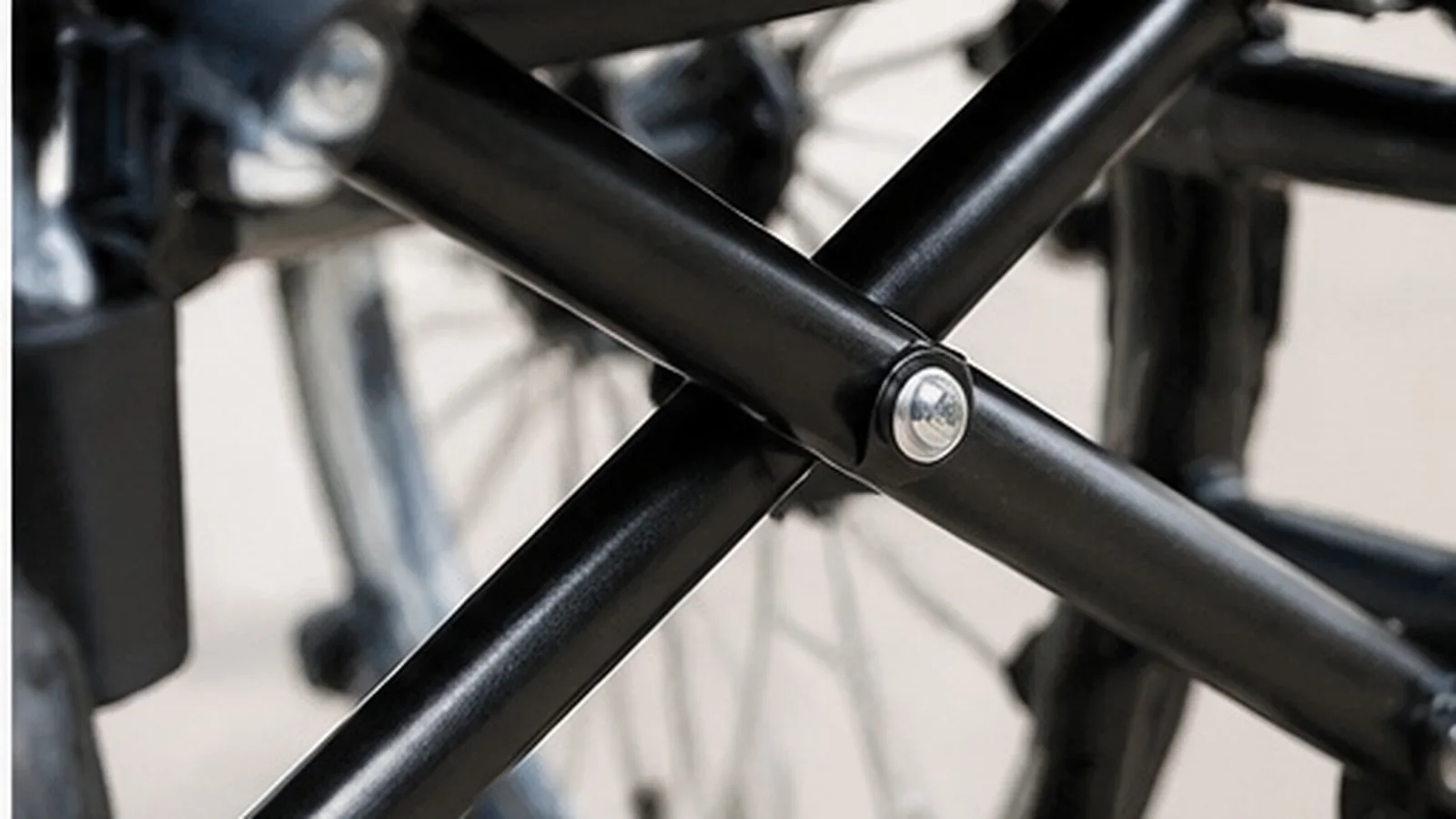
The rating belongs to a specific product configuration. Frame design, seat support, cross-braces, wheels, axles and fasteners all contribute to the complete structure. A change to a component may require the supplier to confirm whether the published rating still applies. Buyers should request a model code and version reference with every capacity figure. This prevents a rating from one product family member being copied into another product’s catalogue entry.
Which Structural Factors Affect Wheelchair Load Capacity?
The load path runs through several parts of the wheelchair. The seat transfers force into the frame; cross-braces and side structures distribute it; axles, wheels and fasteners support the assembly during movement. A single stronger-looking tube does not establish a higher capacity if another component remains unchanged. Buyers should therefore review the complete product specification rather than judging load capacity from frame material or appearance alone.
Frame material and support structure
The XY-608J uses an A3 steel frame and a cross-brace structure. Its listed maximum load is 100 kg. Material descriptions such as carbon steel, A3 steel or aluminum alloy identify part of the construction, but they do not independently establish the load rating. Tube dimensions, joints, welds, geometry and component selection also matter.
Seat, wheels and connected components
The seat support, wheel assemblies, axles, casters, brakes and footrests form part of the complete chair. A buyer should confirm whether optional wheels, cushions or other parts alter the product specification. Do not assume that a wider seat or a heavier frame means a higher capacity. Similarly, do not use a storage bag’s capacity or accessory rating as a substitute for the wheelchair’s stated maximum load.
Distributors comparing manual and powered models can review Xunyu Medical’s Ассортимент инвалидных колясок and check the specification for each model.
How Do Xunyu Wheelchair Models Compare?
Xunyu offers wheelchair models with different stated load ratings. Two examples show why the rating must be tied to a model rather than generalised across a category.
XY-608J ручное инвалидное кресло
В XY-608J ручное инвалидное кресло has a 46 cm seat width, 44 cm seat depth, 44 cm backrest height, 50 cm seat-to-ground height and a 100 kg maximum load. It uses an A3 steel frame, 8-inch front wheels and 24-inch rear wheels.
XY-C06-22 high-back configuration
The XY-C06-22 has a 47 cm seat width, a seat-to-floor height of 45–50 cm and a 130 kg maximum load. Its high-back configuration has two backrest-height positions.
What Should Distributors Verify Before Bulk Ordering?
A bulk order should not be released until the model code, rated capacity, seat dimensions, wheel configuration, frame material and document revision are clear. The same rating should appear consistently in the quotation, technical sheet, product label, instruction manual and online listing. If two documents show different values, pause the order and request written clarification. Choosing the higher number for commercial reasons is not an acceptable way to resolve a discrepancy.
Sample inspection and documentation
The approved sample should match the quotation and technical specification. Record the model code, option set, capacity label, dimensions and sample approval date. Receiving staff should verify the delivered model and label rather than attempting an improvised overload test. Any formal load test must follow an approved method and the relevant product documentation. A buyer should not create a new test method or invent a safety margin to replace the manufacturer’s stated rating.
Labels, spare parts and version control
When several models have similar frames, clear labels and SKU references help prevent stock from being mixed. Keep the rating linked to the model code in the product database and ensure that any replacement component is approved for that version. If a supplier updates a frame or seat component, ask whether the published load rating remains applicable and request an updated document if needed. This keeps sales information and after-sales records aligned.
When an order includes several load ratings, keep each SKU, carton label and packing-list entry tied to the same model code. Do not group different models under one generic capacity label, even when their frames look similar. This reduces picking errors and keeps warehouse records aligned with the approved specification.
If a buyer needs evidence for a regulated market or institutional tender, request the exact report or standard applicable to the model and version. A general statement about a strong frame is not a load test, and a product photograph cannot verify a rating. Keep the evidence with the technical sheet so sales, purchasing and after-sales staff use the same approved figure.
Capacity information should be treated as controlled product data. If a product is revised, the previous rating should not be copied forward automatically. Ask the supplier to confirm whether the revision changes any load-bearing component and whether the existing documentation remains applicable. A dated specification and model label make that confirmation easier to trace during replenishment orders.
Xunyu Медицинская supplies manual and powered mobility products for overseas distributors.
The quotation, technical sheet and carton label should all carry the same model code and approved load rating.
For a bulk order, send the selected model codes, expected quantities and required documents to Свяжитесь с Xunyu Medical so the rating and configuration can be confirmed together.
Часто задаваемые вопросы
В: Является ли грузоподъемность инвалидной коляски тем же самым, что и максимальный вес пользователя?
A: The wording can vary by manufacturer. Ask for the exact definition used in the technical sheet and confirm how accessories or carried items are treated for that model.
В: У более тяжёлых инвалидных колясок выше грузоподъёмность?
A: Not necessarily. Product weight and load capacity are different specifications. Capacity must be confirmed from model-specific documentation, not inferred from weight or appearance.
Q: Does a wider seat mean a wheelchair has a higher load rating?
A: No. Seat width is a dimension, while load capacity is a separate product rating. Both should be checked independently.


