

Какие типы постельных рельсов обеспечивают оптимальную предотвращение падения для взрослых?
Время : Jan 13, 2026 Просмотр : 955
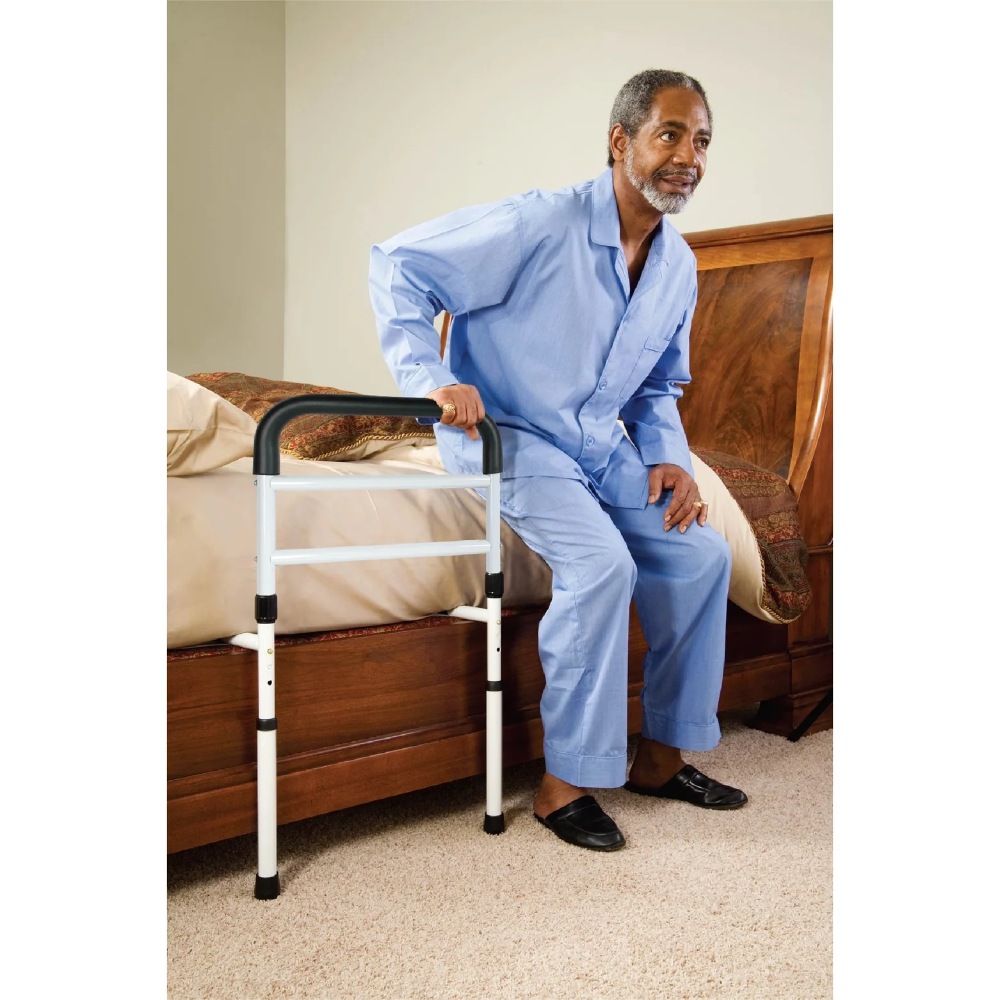
Постельные рельсы Служит важной целью в предотвращении падений среди взрослых, поддерживая безопасное движение в кровать и из кровати, снижая шансы на отклонение в течение ночи и предлагая чувство безопасности. Основные варианты состоят из регулируемых (портативных) рейсов для кровати, подходящих для обычных домашних кроватей, и рейсов для больничных кроватей, созданных для медицинских кроватей. Регулируемые версии обеспечивают универсальность с моделями с опорными ногами для повышенной стабильности или конструкциями без ног для легких потребностей. Больничные рельсы, с другой стороны, предлагают фиксированные, долгосрочные варианты, которые могут претендовать на страховое покрытие. Лучший выбор зависит от типа кровати, человека’ способность движения с, и настройка ухода для достижения самого высокого уровня защиты.
Понимание роли постельных рельсов в предотвращении падения среди взрослых
Основные функции постельных рельсов в уходе за взрослыми
Ракеты для кровати являются ключевым элементом безопасности при уходе за взрослыми, особенно пожилыми людьми и теми, кто сталкивается с мобильностью или психическими трудностями. Эти устройства особенно полезны для пожилых людей, которые испытывают трудности с входом или выходом из кровати, поскольку они обеспечивают твердую поверхность для удержания и толкования во время изменения положения.
Кроме того, они значительно снижают риск падения ночью. Такие барьеры могут помешать пожилым людям, включая тех, кто страдает болезнью Альцгеймера или аналогичными состояниями, непреднамеренно разворачиваться во время сна. Помимо физической помощи, рельсы для кровати способствуют эмоциональному успокоению, поскольку эти устройства создают четкие границы, которые позволяют пользователям чувствовать себя в безопасности и осознавать окружающее их во время отдыха.
Проблемы в выборе эффективных рельсов для кровати
Хотя рельсы для кровати имеют большую ценность, выбор наиболее подходящих для взрослых приносит определенные трудности. Многие продукты наводняют рынок, сильно отличаясь по структуре, материалам и производительности. Этот широкий диапазон затрудняет покупателям определение правильного варианта для члена их семьи, особенно при отделении подлинных медицинских устройств от обычных вспомогательных средств. Другая проблема связана с совместимостью - некоторые модели работают только с типичными домашними кроватями, в то время как другие требуют специализированных медицинских рам.
Основные классификации постельных рельсов для взрослых
Регулируемые (портативные) постельные рельсы
Регулируемые рельсы для кровати, обычно называемые портативными версиями, лучше всего работают на обычных домашних кроватях. Эти рельсы можно легко снять и модифицировать, чтобы соответствовать различным конструкциям кровати. Большинство остаются легкими, съемными и не требуют фиксированной монтажи, поэтому они подходят для путешествий или временного использования.
Больничная кровать Рельсы
Рельсы больничных кроватей интегрируются непосредственно с регулируемыми медицинскими кроватями. Эти компоненты вписываются исключительно в стандартные или регулируемые больничные кровати и считаются медицинским оборудованием. Профессионалы обычно обрабатывают свои установки, и они остаются привязанными в течение длительного периода времени, что делает их идеальными для учреждений или домов, оснащенных больничными кроватями.
Сравнительный анализ: Регулируемые по сравнению с больничными рельсами кровати
Общие функциональные цели
Как регулируемые, так и больничные рельсы преследуют одну и ту же главную цель - остановить падения во время сна или во время вступления и выхода из кровати. Хотя оба вида выполняют одинаковую роль в предотвращении падения пожилых людей, их области применения значительно отличаются.
Ключевые дифференциаторы в дизайне и использовании
Регулируемые рельсы выделяются своей легкостью движения и простотой управления. Эти рельсы остаются портативными, часто устанавливаются самими пользователями и соответствуют обычным рамам кровати. Такие особенности делают их подходящими для ситуаций, когда люди предпочитают оставаться в своих собственных домах или для лиц, ухаживающих за несколькими местами.
Больничные рельсы, однако, являются частью кровати’ Основная структура. Эти рельсы служат долговременным креплением, требующим соответствующей системы больничных кроватей, часто включающей электрические элементы управления. Эта прочность обеспечивает надежность, но снижает адаптивность.
Страхование и последствия состояния медицинского оборудования
Возвращение денег является еще одним важным различием. Портативные рельсы для кровати не считаются медицинским оборудованием в рамках Medicare, поэтому расходы обычно приходят из личных средств. Поскольку больничные кровати получают покрытие через Medicare Part B, рельсы больничных кроватей также становятся приемлемыми в рамках программы долговечного медицинского оборудования.
Подтипы регулируемых рельсов кровати и их сценарии применения
Регулируемые рельсы постели доступны в двух основных типах: стабильные модели с опорными ногами для безопасного стояния и легкие конструкции без ног для основного предотвращения падения и простой транспортировки. Каждый из них отвечает разным потребностям в мобильности и уходе за взрослыми.
Модели с опорными ногами для повышенной стабильности
Основные особенности и случаи использования
Рельсы кровати, которые включают в себя опорные ноги, обеспечивают большую конструктивную прочность. Постельные рельсы с ногами или ногами, достигающими пола, добавляют прочность для пожилых людей, нуждающихся в помощи при встании. Эти конструкции обычно скользят между матрасом и рамой, с точками контакта пола, повышающими несущую способность.
Они являются идеальными для пожилых людей, нуждающихся в надежной помощи во время смен или корректировок. Такие рельсы часто вставляются между рамой и матрасом и закрепляются ремнями для дополнительного укрепления.
Медицинская рекомендация Xunyu: Подручник кровати XY-429
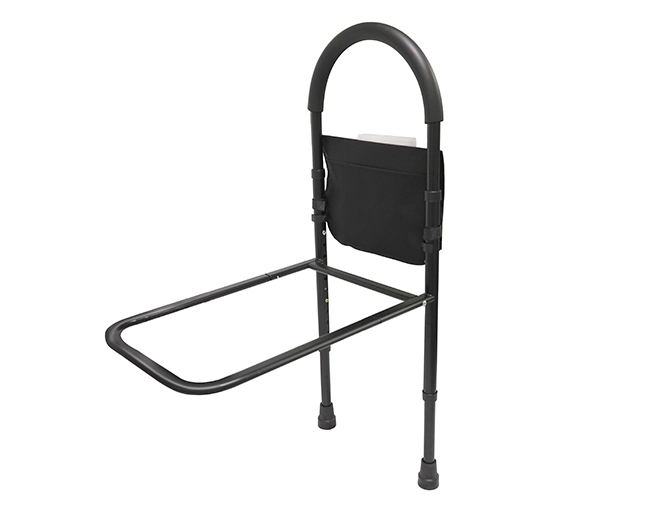
В Модель XY-429 от Xunyu Медицинская демонстрирует отличную стабильную конструкцию. Он оснащен парапетой у кровати с опорой на пол, усиленными плоскими трубками, двойными горизонтальными прутками и множественной регулировкой высоты. Его диапазон высоты (83-107 см), неприкользящие подушки для ног и усиленные трубки создают уверенность пользователей во время движения. Система ног, поддерживающая пол, обеспечивает максимальную стабильность в работе, а эргономическая ручка способствует удобному удержанию и помогает плавным переходам.
Модели без опорных ног для легкой мобильности
Основные особенности и случаи использования
Регулируемые модели без ног подчеркивают простоту ношения и быструю настройку. Эти рельсы просто скользят между рамой и матрасом, идеально подходят для пожилых людей, нуждающихся в минимальной помощи, поднимающейся с кровати. Такие конструкции работают, а также нежные напоминания для тех, кто склонен к откату, но не нуждается в твердой поддержке для стояния. Эти настройки соответствуют людям с небольшими проблемами с балансом или тем, кто движется к менее интенсивной терапии.
Медицинская рекомендация Xunyu: Постельная рельса XY-316
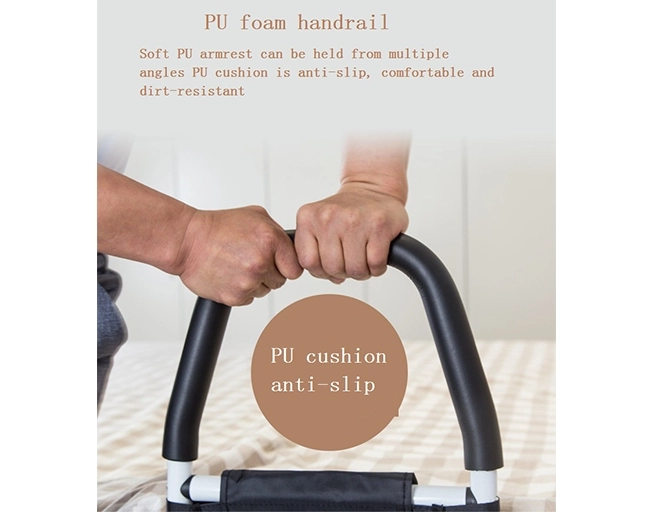
В XY-316 кровать рельс предоставляет небольшой, но эффективный выбор для путешествий или легких обязанностей. Его компактная конструкция без контактов с полом позволяет быстро установлять на обычные кровати дома или вдали. Он обеспечивает необходимую защиту от падений, избегая чрезмерно ограничивающих чувств. Кроме того, конструкция плоской трубки, регулируемая высота (50 см), каркас из углеродной стали и ручка из пены сочетают комфорт пользователя с надежной производительностью.
Характеристики и ограничения рельсов больничных кроватей
Структурная интеграция только с больничными кроватями
Рельсы больничных кроватей не имеют широкой совместимости, что позволяет им соответствовать только больничным кроватям. Медицинский персонал, как правило, завершает свое прикрепление, что требует точного сопоставления рам.
Долгосрочные требования к установке
После монтажа эти компоненты остаются закрепленными для постоянного использования. После того, как они подключены к кровати, они обычно остаются на месте бессрочно, что приносит пользу пациентам, нуждающимся в длительном уходе, но они не подходят для домов, требующих переменных устройств.
Медицинское покрытие соображения
В качестве компонентов систем больничных кроватей, классифицированных как долговечное медицинское оборудование, рейсы больничных кроватей могут соответствовать критериям страховой поддержки в рамках Medicare Part B. Поскольку больничные кровати подпадают под покрытие Medicare Part B, рейсы больничных кроватей соответствуют аналогичному требованию через программу DME.
Часто задаваемые вопросы
В: Подходят ли регулируемые рельсы для кровати, такие как XY-429, для всех типов домашних кроватей?
XY-429 работает с большинством стандартных домашних кроватей. Тем не менее, проверка того, что толщина матраса позволяет стабильное размещение ног на полу без колебания, остается необходимой.
Вопрос: Можно ли использовать рейсы больничных кроватей на обычных домашних кроватях?
Нет, рейсы больничных кроватей крепятся только к регулируемым кроватям медицинского класса. Попытка установить их на несовместимые рамки может создать опасность для безопасности.
В: Что отличает креветные рельсы Xunyu Medical от обычных брендов?
Продукты Xunyu Medical, такие как XY-429 и XY-316, соответствуют руководящим принципам клинической безопасности. Они включают эргономические особенности, прочные материалы и аспекты совместимости, которые удовлетворяют стандартам профессионального ухода.


