

รถไฟที่ดีที่สุดควรมีคุณสมบัติอะไรเพื่อความปลอดภัยของผู้สูงอายุ?
เวลา : 11 กุมภาพันธ์ 2026 จำนวนคนดู : 1,775
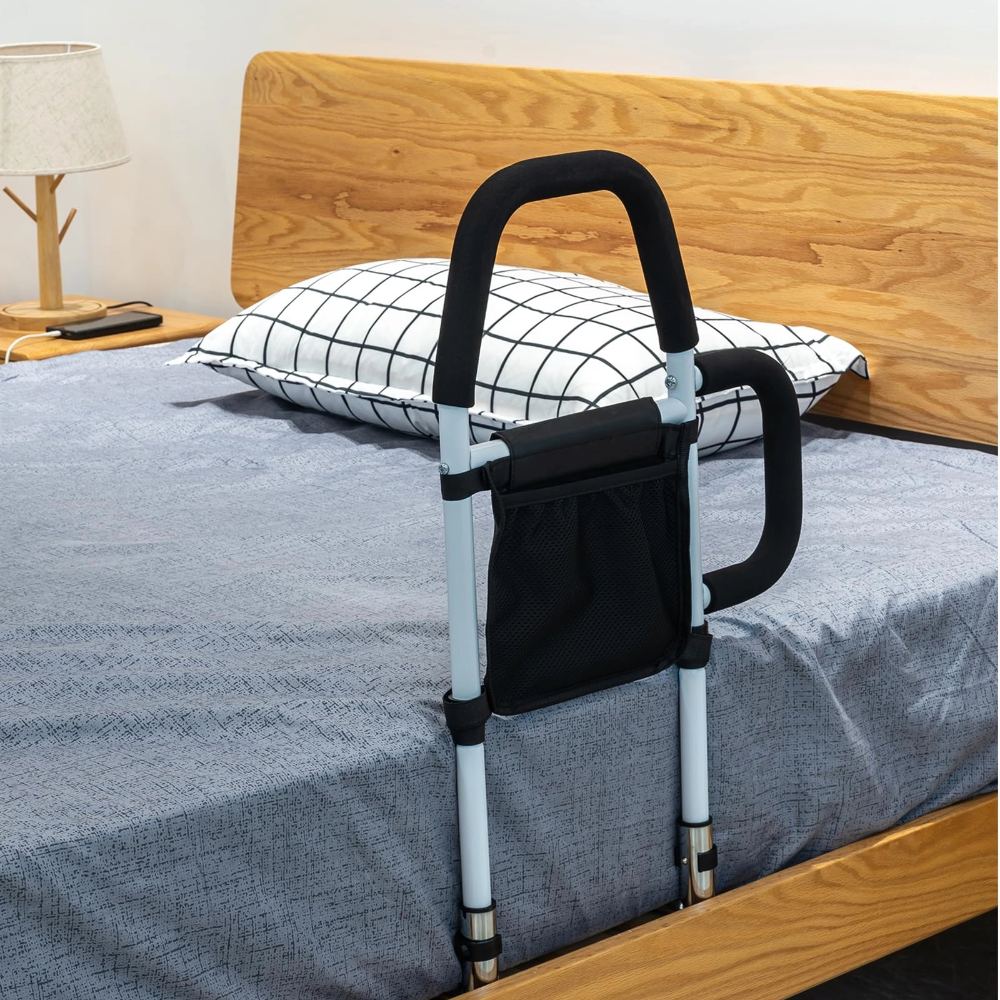
มาตรการความปลอดภัยสําหรับผู้สูงอายุในการดูแลที่บ้านและสถานที่แพทย์ขยายไปมากกว่าการติดตามประจำ มาตรการเหล่านี้ต้องใช้อุปกรณ์ที่สร้างขึ้นเพื่อพัฒนาโดยเฉ พื้นที่รอบเตียงโดดเด่นเป็นสถานที่สําคัญสําหรับความเสียหายที่อาจเกิดขึ้น โดยเฉพาะอย่างยิ่งในระหว่างการเปลี่ยนแปลงตำแหน่งกลางค การเลือกป้องกันที่เหมาะสม รางเตียง ต้องการการตรวจสอบรายละเอียดของความแข็งแรงของกรอบ การแพร่กระจายแรงที่สะดวกสบาย และความทนทานของวัสดุ การตรวจสอบอย่างระมัดระวังของรายละเอียดทางวิศวกรรมเหล่านี้ทําให้สามารถสร้างวิธีการป้องกันที่ปกป้องบุคคลในขณะที่สนับสนุนความสามารถของพวกเขา
วัสดุโครงสร้างอะไรที่รับประกันความน่าเชื่อถือระยะยาว?
ระดับประสิทธิภาพของรางป้องกันใด ๆ ขึ้นอยู่กับองค์ประกอบโลหะที่ใช้ในการก่อสร้าง ในสภาพแวดล้อมดูแลที่รุนแรง อุปกรณ์ดังกล่าวต้องจัดการกับความดันข้างบ่อยครั้ง พร้อมกับน้ำหนักลดลงอย่างมาก โดยไม่แสดงสัญญาณการสึกห
เหล็กคาร์บอนจำเป็นหรือไม่?
เหล็กกล้าคาร์บอนที่แข็งแกร่ง โดยเฉพาะอย่างยิ่งความหลากหลายของเกรด A3 ยังคงเป็นมาตรฐานที่ยอมรับสําหรับโครงสร้างสนับสนุน เนื่องจากความต้านทานที่น วัสดุสร้างฐานที่แข็งที่สามารถป้องกันการลุกลงใต้มวลร่างกายของผู้ใหญ่ในระหว่างการช่วยในการเคลื่อนไหว รุ่นมืออาชีพได้รับชั้นป้องกันผ่านกระบวนการเคลือบที่อุณหภูมิสูงหรือวิธีการชุบไฟฟ้า ซึ่งป้องกันการเกิดสนิม และรักษาลักษณะที่สม่ำเสมอ แม้จะได้รับการสัมผัสกับสภาพความชื้น เป็นปัจจัยสําคัญในการรักษาความมีประโยชน์ของอุปกรณ์ในสถานที่ที่
ความหนาของท่อสำคัญหรือไม่?
ในระหว่างการผลิตรางป้องกัน การวัดผนังโลหะมีอิทธิพลต่อความอดทนความเครียดสูงสุดโดยตรง ความหนาขั้นต่ำของ 1.2 มม. ทั่งท่อหลักสร้างความมั่นคงพื้นฐานที่คาดหวังในอุปกรณ์ที่มีคุณภาพ ความหนาที่ลดลงมักจะส่งผลให้เกิดการสั่นสะเทือนหรือการสั่นสะเทือนที่สังเกตเห็นในขณะที่รับภาระ ดังนั้นทำให้ความไว้วางใจของผู้ใช้ลดลงและเพิ่มโอกาสในการตั้ง ความแข็งแกร่งไม่เพียงแค่แสดงถึงความสะดวกสบายเท่านั้น แต่ยังเป็นความต้องการทางวิศวกรรมที่สำคัญที่จะทําให้การประกอบทั้งหมดมั่นคงเมื่อการสนับส
การออกแบบ ergonomic ป้องกันการบาดเจ็บสองอย่างไร?
ความแข็งแรงทางกลต้องจับคู่อย่างระมัดระวังกับคุณสมบัติที่เป็นศูนย์กลางผู้ใช้ที่คิดเพื่อหลีกเลี่ยงความเสียหายเนื้อเยื่อเพ บุคคลสูงอายุหลายคนมีชั้นผิวที่อ่อนแอ พร้อมกับการปรับผ้าพื้นฐานที่ลดลง ท่อวงกลมทั่วไปบางครั้งสร้างจุดแรงดันที่เข้มข้น นําไปสู่ความเจ็บปวดหรือความไม่สบายในท้องถิ่น
ทำไมเลือกท่อแบน?
โปรไฟล์กลมคลาสสิกมุ่งเน้นความเครียดที่สัมผัสตามเส้นตรงบาง ในขณะที่การจัดเรียงท่อแบนบนพื้นผิวที่รับภาระเอาชนะข้อจํากัดนี้ผ่านการกระจายแร พื้นที่สัมผัสที่กว้างขึ้นจะป้องกันความไม่สบายหากมีใครพักหลังหรือแขนของพวกเขากับโครงสร้างในระหว่างการพักผ่อน การพัฒนานี้ในวิทยาศาสตร์การเคลื่อนไหวจะเปลี่ยน
จับโฟมจําเป็นหรือไม่?
การสัมผัสกับมือที่ปลอดภัยมีความสำคัญโดยเฉพาะสําหรับคนที่ประสบความแข็งแรงของนิ้วมืออ่อนแอหรือความแข็งข้อต่อ การเพิ่มผ้าครอบคลุมโฟมหนาบนส่วนที่จับ ให้พื้นผิวที่อ่อนโยนและทนต่อการลื่น ที่ส่งเสริมการจับความมั่นใจ การออกแบบดังกล่าวลดภาระทางกายภาพที่เกี่ยวข้องกับการรักษาตำแหน่งร่างกาย และให้จุดเปลี่ยนที่น่าเชื่อถือที่เหมาะสำหรับการปรับการนอนและการเปลี่ยนตรง ดังนั้นป้องกันการเคลื่อนไห
ในด้านที่ต้องการความช่วยเหลือผู้สูง ความก้าวหน้าที่แท้จริง เกิดขึ้นจากวิศวกรรมที่แม่นยำรวมกับการยอมรับความอ่อนแอของมนุษย์ Xunyu แพทย์ ใช้วิธีการที่สมดุลนี้ โดยมุ่งมั่นที่จะปรับปรุงอุปกรณ์อย่างต่อเนื่อง เพื่อตอบสนองความท้าทายที่ผู้สูงอายุเผชิญหน้าประจําว
เราจัดการสถานที่ผลิตขนาด 4,000 ตารางเมตร ตั้งอยู่ในกวางดง ที่ผู้เชี่ยวชาญปรับปรุงอุปกรณ์สนับสนุนอย่างต่อเนื่อง เพื่อตอบสนองความท้าทายประจําวันที่ บุคลากรทางเทคนิคมุ่งเน้นการทํางานในทางปฏิบัติพร้อมกับลักษณะที่สามารถเข้าถึงได้ สร้างความมั่นใจระหว่างเครือข่ายการจัดหาทางการแพทย ผ่านการจัดการคุณภาพอย่างเข้มงวดและความมุ่งมั่นให้กับมาตรฐานมืออาชีพ รวมกับหลักการที่เห็นอกเห็นใจ ผลิตภัณฑ์ทุกชนิดที่ผลิตโดยเราได้รับความสนใจอย่างรอ
วิธีการติดตั้งใด ๆ ที่สมดุลความมั่นคงและความสะดวกสบาย?
ประสิทธิภาพของรางป้องกันอย่างมากขึ้นอยู่กับการติดตั้งที่ปลอดภัยต่อพื้นผิวนอน อย่างไรก็ตาม ในสถานที่ดูแลที่จัดเรียง กระบวนการติดควรยังคงมีประสิทธิภาพ และหลีกเลี่ยงการเปลี่ยนแปลงถาวรในชิ้นเฟอร์นิเจอร์ท ความต้องการสําหรับการยึดแข็งต้องอยู่ร่วมกัน พร้อมกับความสามารถในการปรับตัวที่จําเป็นในสถานการณ์การดูแลที่เปลี่ยนแปลง
ทำไมหลีกเลี่ยงการเจาะ?
รถไฟป้องกันใหม่ๆ ใช้ระบบติดตั้งที่ไม่มีเครื่องมือและถอดได้ หลักการทางกลที่อยู่เบื้องหลังการออกแบบเหล่านี้ช่วยให้การวางไว้อย่างปลอดภัยผ่านพื้นฐานที่ใช้พื้นหรือกลไกการแทรกที่เสริมสร้างโดยไม่ต้อง ความสามารถดังกล่าวเป็นประโยชน์โดยเฉพาะในสภาพแวดล้อมที่ต้องการการย้ายอุปกรณ์ระหว่างพื้นที่ที่แตกต่างกันเมื่อเงื่อนไขแต่ละคนเปลี่ ชุดที่ถอดออกได้ทำให้งานการบำรุงรักษาและการจัดเก็บข้อมูลง่ายขึ้น ขณะที่รักษาการเชื่อมต่อที่แข็งแรงและไม่สามารถเคลื่อนย้ายได้
ฐานที่ขยายดีกว่าหรือไม่?
ความมั่นคงโดยรวมมักจะมีความสัมพันธ์กับพื้นที่สัมผัสของรอยเท้าของอุปกรณ์ ขนาดฐานที่ขยายขึ้นจะปรับปรุงความต้านทานต่อการเปลี่ยน โดยเฉพาะอย่างยิ่งเมื่อมีความพยายา สำหรับผู้ที่ต้องการความมั่นคงสูงสุด รางเตียง XY-318 รวมกรอบที่แข็งแกร่งที่มีเรขาคณิตพื้นฐานที่ขยายขึ้น รองรับน้ำหนักถึง 136 กิโลกรัม การตั้งค่านี้รักษาจุดกลางที่ลดลง สร้างการป้องกันที่น่าเชื่อถือจากการเคลื่อนไหวที่ไม่ต้องการหรือการเอียงในระหว่างการใช้งานอย่างเข้
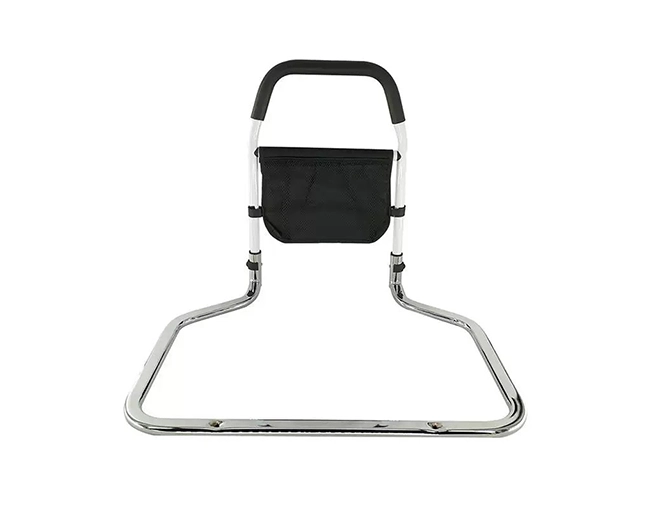
คุณสมบัติเพิ่มเติมอะไรที่เพิ่มประสิทธิภาพประจำวัน?
รางป้องกันที่ดีรวมถึงการเพิ่มที่ปฏิบัติที่ออกแบบมาเพื่อหยุดหยุดพฤติกรรมที่ไม่ปลอดภัยในการเข้าถึง เหตุการณ์มากมายเกิดขึ้นเมื่อบุคคลสูงอายุพยายามที่จะเรียกของส่วนตัวที่ตั้งอยู่นอกเหนือช่วงที่สะดวกสบาย
วิธีการปรับความสูง?
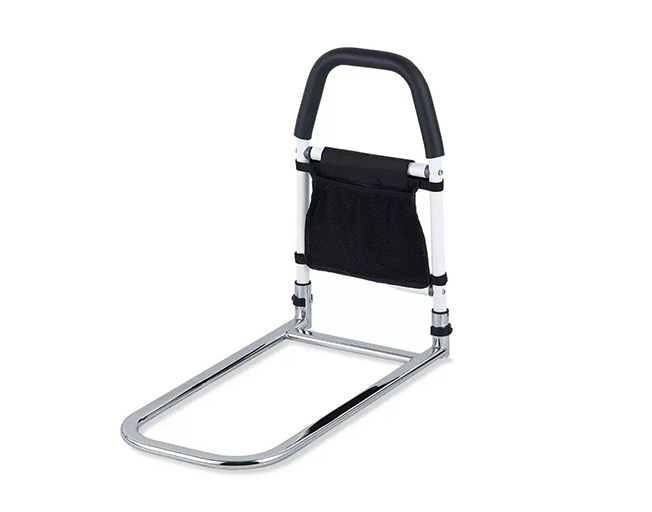
การสูงของพื้นผิวหลับที่สม่ำเสมอไม่ค่อยเกิดขึ้นในสถานที่ดูแลสุขภาพ ดังนั้นระดับการปรับหลายอย่างจึงเป็นลักษณะที่จําเป็นในอุปกรณ์ระดับที่รุนแรง การปรับความสูงของการจับที่แม่นยำจะเป็นไปได้ตามการวัดร่างกายแต่ละตัวและความลึกของที่นอน ที่ รางเตียง XY-316 รวมถึงการควบคุมความสูงที่แม่นยำในโครงสร้างเหล็กคาร์บอน 1.2 มม. การปรับตัวดังกล่าวรองรับการจัดเรียงข้อต่อที่เป็นกลางในระหว่างการทำงาน ดังนั้นจะลดความตึงเครียดที่ไม่จําเป็นในพื้นที่ไหล่และข้อมือขณะที่
ทำไมรวมถึงการจัดเก็บ?
ระดับการป้องกันมักจะลดลงเมื่อไปถึงการเคลื่อนไหว ขยายไปไกลเกินไป สําหรับสินค้าเช่นอุปกรณ์สื่อสาร แว่นตา หรือภาชนะดื่ม ระบบรถไฟที่ก้าวหน้ามักจะมีกระเป๋าไนล่อนในตัว และการตั้งตำแหน่งที่จําเป็นในประจําวันในระยะที่จับได้ทันที ช่วยลดความจําเป็นสําหรับการยื องค์ประกอบการออกแบบที่น้อยนี้ลดอัตราการเกิดขึ้นของเหตุการณ์ที่ทําให้ความสมดุลลดลงอย่างมาก
ข้อสรุป
การตัดสินใจเกี่ยวกับอุปกรณ์ป้องกันข้างเตียงเป็นการเลือกทางวิศวกรรมที่มีผลกระทบโดยตรงสําหรับสุขภาพประจำวันของผู้ใหญ่ การเน้นครอบเหล็กกล้าคาร์บอน คุณสมบัติความสะดวกสบายของท่อที่แบน และวิธีการติดอย่างหลากหลาย สร้างสภาพแวดล้อมในการนอนที่ลดความเสี่ยงที่อาจเกิดขึ้น ในขณะที่ส่งเสริมความเพียงพ การรวมคุณสมบัติทางกลที่ยั่งยืน พร้อมกับองค์ประกอบปฏิบัติที่พิจารณา ให้วิธีการที่แข็งแกร่งที่สุดสําหรับการป้องกันการตกในประชากรอายุ อุปกรณ์ที่มีคุณภาพสูงไม่เพียงแค่เป็นอุปสรรค แต่เป็นแพลตฟอร์มสําหรับการเคลื่อนย้ายที่มีศักดิ์สิทธิ์และปลอดภ
คำถามที่พบบ่อย
Q: รางเหล่านี้สามารถใช้บนเตียงโรงพยาบาลที่ปรับได้หรือไฟฟ้าได้หรือไม่?
ตอบ: รางที่สร้างขึ้นอย่างมืออาชีพจำนวนมากที่มีคุณสมบัติที่ไม่มีเครื่องมือและถอดได้แสดงให้เห็นว่าค่าเข้ากันได้บนพื้นผิ อย่างไรก็ตาม รุ่นที่ติดตั้งบนพื้นต้องตรวจสอบว่าส่วนประกอบฐานหลีกเลี่ยงการขัดขวางกลไกการสูง การทดสอบความมั่นคงในช่วงการเคลื่อนไหวที่สมบูรณ์ ทั้งตำแหน่งสูงสุดและต่ำสุด ยืนยันการวางที่ปลอดภัยอย่างต่อเนื่องโดยไม่มีการแทรกแซงในระห
Q: คุณรักษาความซื่อสัตย์ของที่จับโฟมและแผ่นเท้าได้อย่างไร?
ตอบ: การรักษาพื้นผิวจับที่มีประสิทธิภาพต้องการขั้นตอนการทำความสะอาดอ่อนโยน การใช้สารละลายทําความสะอาดที่อ่อนโยนและสมดุลจะรักษาสภาพวัสดุ ควรหลีกเลี่ยงการสัมผัสกับตัวทำละลายที่รุนแรง เช่น น้ำมันเชื้อเพลิงหรือสารบางที่แข็งแกร่ง เนื่องจากความเสี่ยงของการแตกต่าง การสูญเสียเนื้อผิ การตรวจสอบประจําเพื่อการเสื่อมสภาพเป็นที่แนะนำ การเปลี่ยนทันทีหลังจากการตรวจจับการแตกแตกในส่วนโฟมหรือการลดแรงเสียดทานบนแผ่นฐานเพื่อรักษาการสัมผัสที่ปลอดภัยในระหว่างการช่วยในการเคลื่อน
Q: วิธีที่แนะนำในการทดสอบถ้ารถไฟติดตั้งอย่างถูกต้องคืออะไร?
ตอบ: หลังจากการติดตั้ง การใช้ความดันข้างและความดันลงอย่างมากที่พื้นที่จับจะจําลองเงื่อนไขการโหลดทั่วไปของผู้ใช้ การไม่มีการสั่นสะเทือนหรือการเปลี่ยนแปลงฐานที่เห็นได้ชี้ให้เห็นว่าที่นั่งที่เหมาะสม รูปแบบที่รวมกลไกสปริงหรือการตั้งค่าความสูงที่แปรแปรต้องการการยืนยันว่าปินล็อคเข้าร่วมอย่างเต็มที่และขยายไปอย่างเต็มที่ผ่านช่อง การประเมินระบบในช่วงเวลาหกเดือนช่วยตรวจสอบความมั่นคงของส่วนประกอบทั้งหมด


